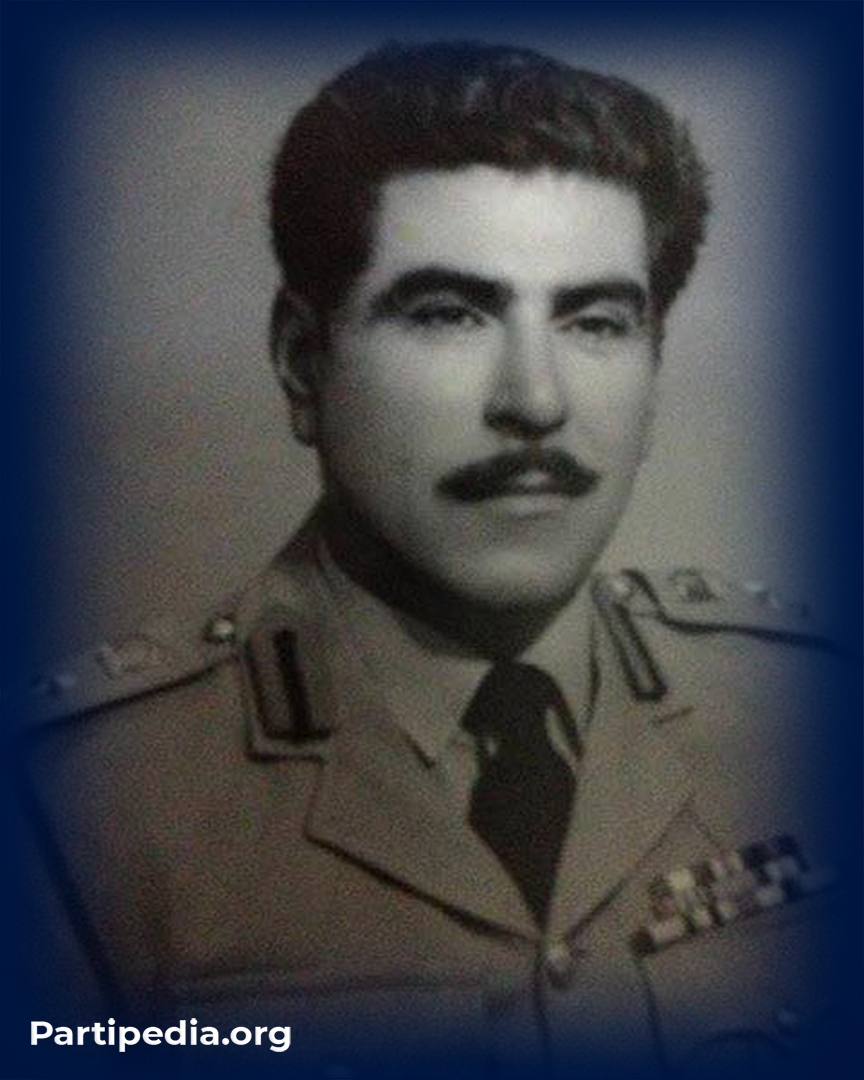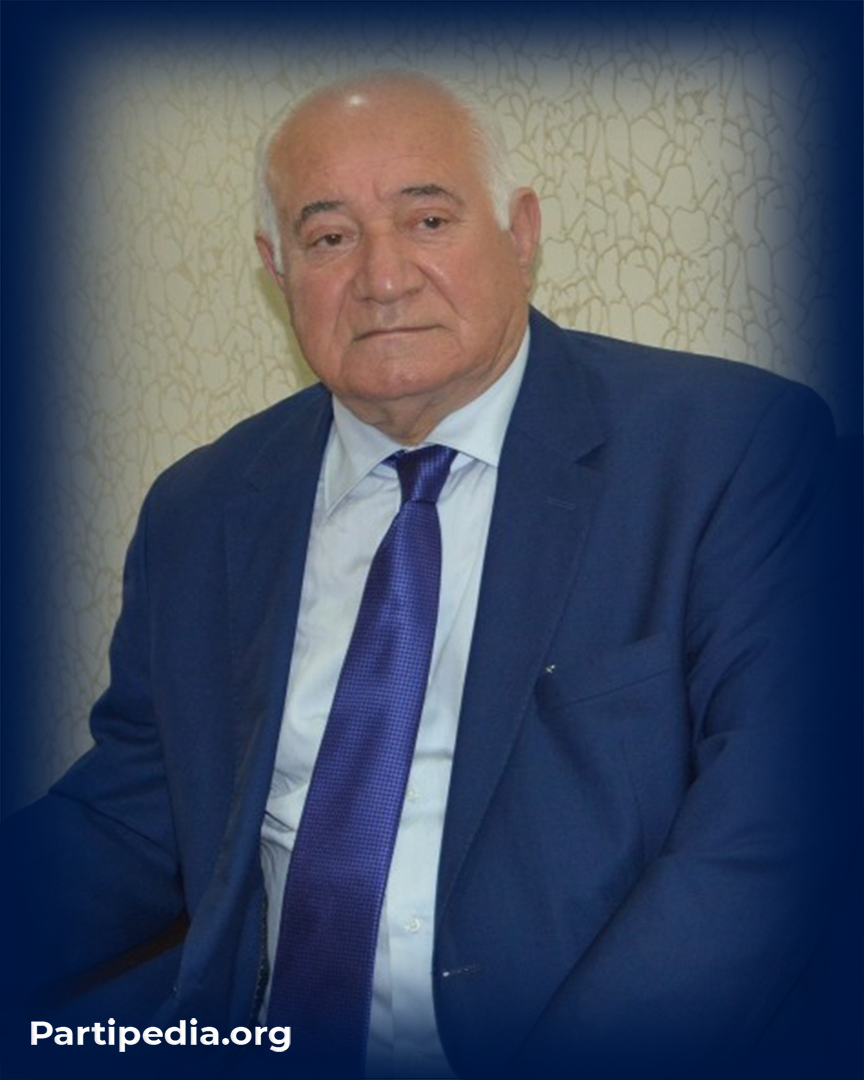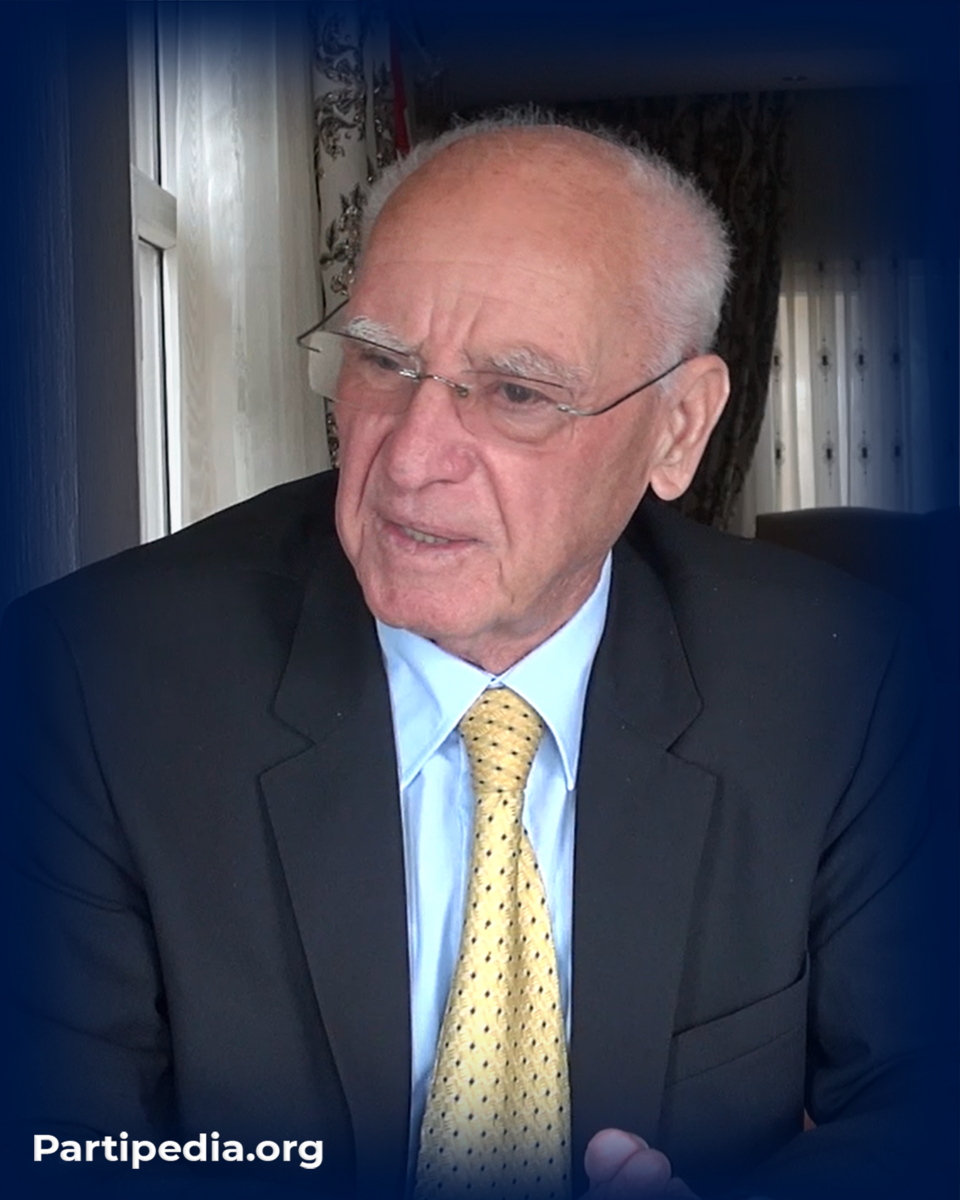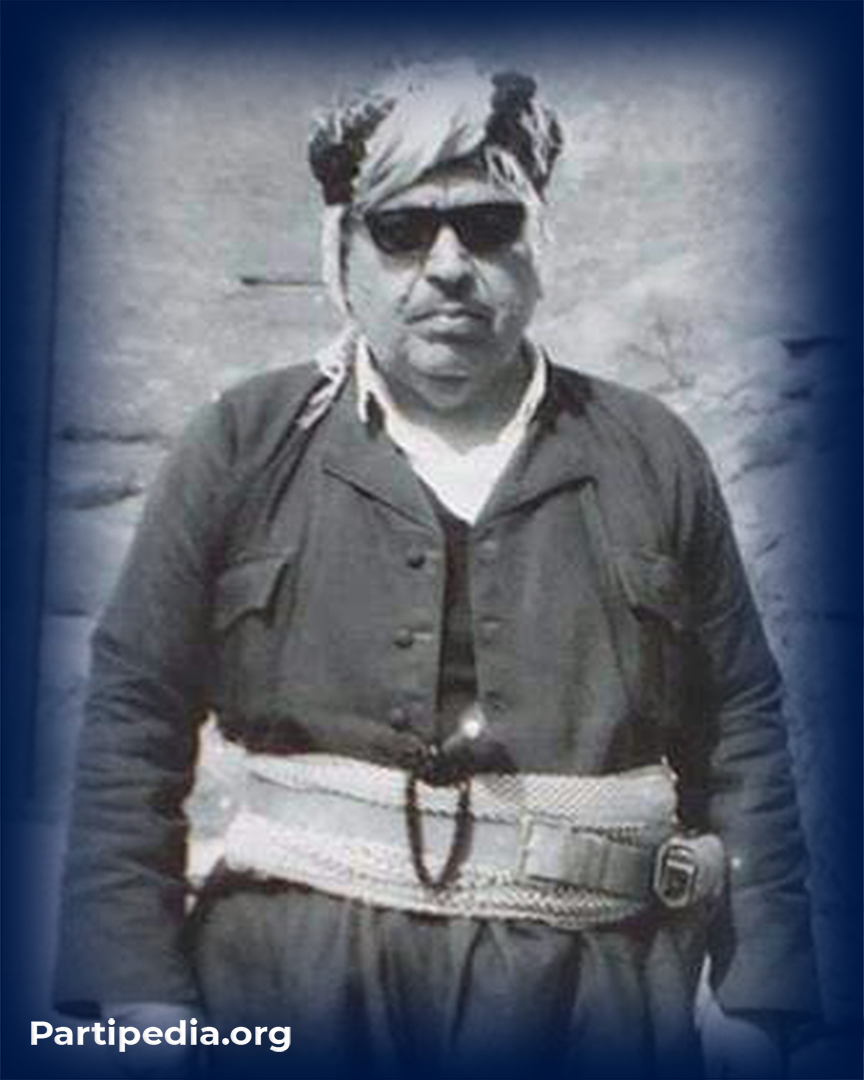


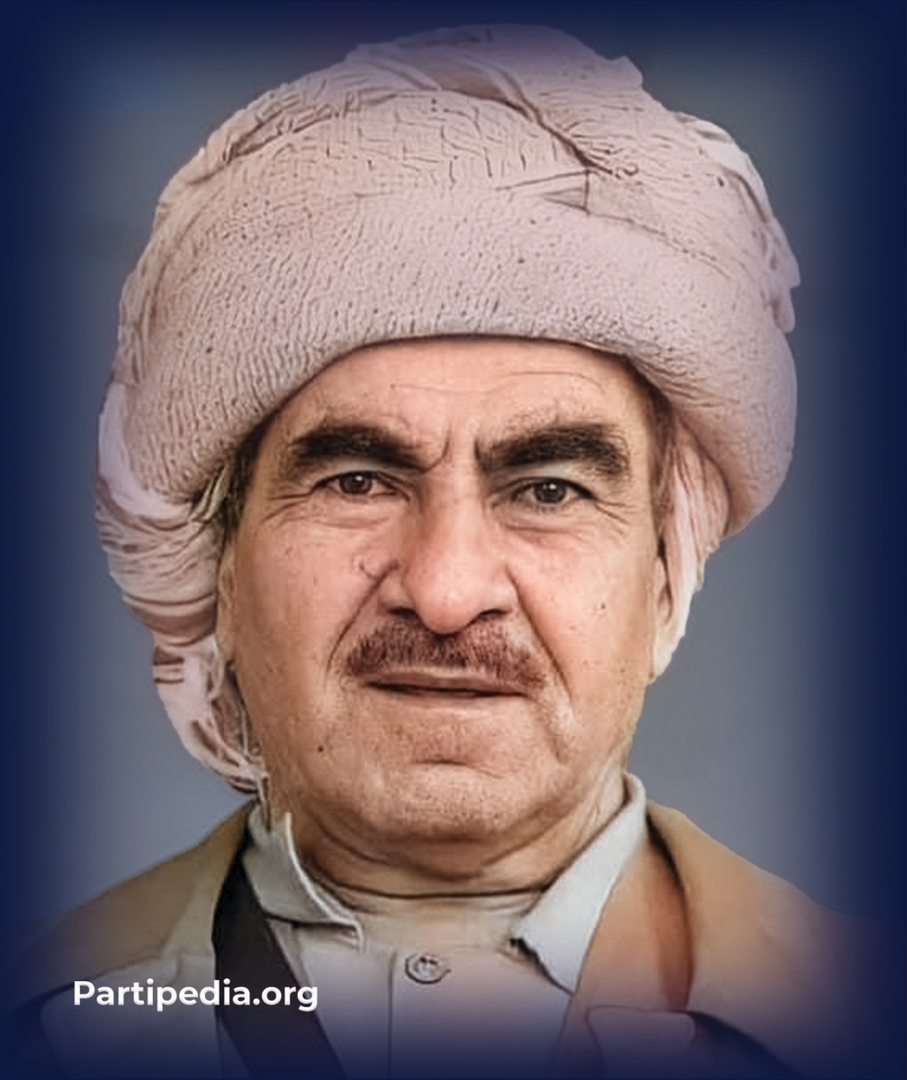
Mustafa Sheikh Muhammad Sheikh Abdulsalam Abdullah Barzani, also known as Mullah Mustafa Barzani, General Mustafa Barzani, Peshewa, President Mustafa Barzani and Barzani Mustafa, was born on March 14, 1903 in the village of Barzan in the Erbil province. He was the initiator of the Second Barzan Revolution, the founder of the Azadi Committee, the General of the Kurdistan Republic in Mahabad, the Head of the Kurdistan Provisional Government in Bako, the founder of the Kurdistan Democratic Party (KDP), and the leader of the great September Revolution. He passed away on March 1, 1979 at the Myoclinic Hospital in America.
Study stages
Mustafa Barzani began his studies at the mosque in the village of Barzan, after completing his studies. The First Barzan Revolution In 1934, he was exiled to the city of Mosul, where he began studying Islamic jurisprudence at the religious school of the Abdullah Neshat Beg Mosque, and also studied Persian language and literature with Ali Botani. He also studied at the Al-Nur Al-Kebir Mosque with Sheikh Abdullah Ni'ma, the Abdullah Mosque, the Faisaliyah Religious School, and the Imam Ibrahim Peshdari Religious School. In 1955, he entered the University of the Communist Party of the Soviet Union in Moscow and after three years received a Bachelor's degree in political science.
He knew Kurdish, Arabic, Persian, Turkish, Russian, Armenian and English.
The beginning of the struggle
In 1906, at the age of three, he was imprisoned with his mother by the governor of Mosul, Muhammad Fazil Pasha of Daghestani, on charges of participating in the rebellion of his brother Sheikh Abdulsalam Barzani.
In 1919, Mustafa Barzani led a force to aid Sheikh Mahmud Hafid (1881-1956) who was fighting against the British army. In the same year, he went to aid the revolutionary leader of Northern Kurdistan, Sheikh Said Piran (1865-1925), who was fighting against the army of the Republic of Turkey. A year later, he led a force to aid Andranik, the king of Armenia.
On June 23, 1932, after the collapse of The First Barzan Revolution and under the threat of British air forces, as a result of the destruction of 79 villages and 1365 houses, another group was forced to migrate to the Republic of Turkey and remained as refugees in Adana, where they were detained for a while.
After returning from Turkey, he was sent to Mosul in 1934, where he visited the headquarters of the Agha Party. In 1936, he was sent to the cities of Baghdad, Nasiriyah, Diwaniyah, and Hil, in 1939, he was sent to the village of Pirdê in Kirkuk province, and then to Sulaymaniyah.
The First Barzan Revolution
In 1931, Mustafa Barzani commanded the Barzan Revolutionary Forces against the invading Iraqi army under the command of Colonel Barqi Shawqi Wais. He also led the battles of Bradost against the forces of Sheikh Rashid Lolan, the Mergasur Front, and the Battle of Bersiyav against the tribal forces supporting the Iraqi army, and led the battles of Garwabni, Korkê, Hevinka, Kaniya Linc, Zet, Piran, and the Battle of Dola Vajî against the Iraqi army under the command of General Robinson.
The Second Barzan Revolution
Mustafa Barzani launched the Second Barzan Revolution on July 27, 1943, and commanded the battles of Kherazuq, Gortu, Piran Mountain, and Mezna against the Iraqi army and police. From November 9 to 11, 1943, he defeated an Iraqi army brigade near Mergasur and commanded the Nehl Front and the Battle of Pirisi.
Political duties and responsibilities
In 1939, he joined the Hiwa Party organizations in the city of Sulaymaniyah and on July 12, 1943, with the help of Kurdish activists in the city of Sulaymaniyah, especially Sheikh Latif Hafid, he secretly escaped arrest and went to Eastern Kurdistan and then returned to the Barzan area.
On December 15, 1945, he was elected as the chairman of the Freedom Committee, and in 1946, he became the chairman of the Founding Committee of the Kurdish Democratic Party, and on August 16, 1946, he was unanimously elected as the first chairman of the Democratic Party of Kurdistan. On December 19, 1948, he was the chairman of the South-Eastern Kurdistan Leadership (Bako Conference). He was elected unanimously by the representatives of the Second Congress in 1951, the Third Congress in 1953, the Fourth Congress in 1959, the Fifth Congress in 1960, the Sixth Congress in 1964, the Seventh Congress in 1966, and the Eighth Congress in 1970. The congress elected the President of the Kurdistan Democratic Party (KDP).
The Republic of Kurdistan stage in Mahabad
Mustafa Barzani participated in the proclamation ceremony of the Democratic Republic of Kurdistan in Mahabad on December 26, 1946. In early 1946, due to his struggle, resistance and expertise in military affairs, he was awarded the rank of general by the National Republic of Azerbaijan and served in the army of the Democratic Republic of Kurdistan with the rank of general on March 31, 1946. In the same year, he was the commander of the Saqqez front in the republic's army. On December 11, 1946, after the collapse of the Democratic Republic of Kurdistan, he commanded the organized and safe retreat of the forces of the Republic of Kurdistan and the National Republic of Azerbaijan from the Saqqez front to Mahabad. On December 16, he had his last meeting with Peshwa Qazi Muhammad in Mahabad. In March 1947, he commanded the battles of Nirgi, Bardazard and He fought in Margawer and was wounded in battles. He also commanded the battles of Gojar, Hevris-Halaj, and the Battle of the Berê Zar Heights against the Iranian army, and was wounded again in this battle. On April 10, 1947, he managed to rescue all his family and peshmerga and take them to Gader.
Went to the Soviet Union
On April 15, 1947, after a long and lengthy meeting with Sheikh Ahmed Barzani, General Mustafa Barzani, with a special force of 560 peshmerga, decided not to surrender and on April 25, he reached the villages of the Mizuri region and on May 27, he and his friends crossed the borders of the Republic of Turkey without harm. Then, one day, in the village of Cirmi in Eastern Kurdistan, he presided over a large meeting to organize the peshmerga forces and go to the Soviet Union. During this time, he led the battle of Mount Susuz and the Mako Plain in northwestern Iran against the Iranian army. On June 18, he and his friends reached the border of the Soviet Union and took refuge there, and he was the last person to cross the Aras River into Soviet territory. On September 29, he met with the authorities of the Soviet Republic of Azerbaijan to welcome his friends as refugees in Baku. On December 10, he met with his friends to organize He was taken to Baku, Azerbaijan, and on August 29, he crossed into Uzbekistan with all his friends.
On March 13, 1949, he was deported from Tashkent to the city of Chimbay by the authorities of the Soviet Union. After several years of separation, in April 1952, he met with his friends at a large meeting in Tashkent, the capital of Uzbekistan, and discussed continuing his studies at the institute and university.
General Barzani settled in Moscow in 1953, his home became a refuge for all Kurdish refugees, in 1956 he visited the Kurds of Armenia and at his suggestion the length of the Kurdish program on Yerevan Radio was extended from half an hour to an hour and a half.
Return to Iraq
After the victory of the July 14 Revolution and his permission to return, he left Moscow on August 21, 1958 and was received by the President of Romania and the President of Czechoslovakia. On September 2 of that year, he was pardoned by Law No. 22 of 1958, signed by the Iraqi Sovereignty Council. On September 10, he responded to Abdulkarim Qasimi's letter granting him permission to return to his country and arrived at Prague airport in September. Two days later, he arrived at Cairo airport and was welcomed at the Dome of the Rock by President Gamal Abdel Nasser. On October 6, he landed at Musanah Airport in Baghdad and was welcomed by all Iraqi constituents. A few days after his return, at the headquarters of the Iraqi Ministry of Defense, he met with Zaim Abdulkarim Qasim and discussed the Kurdish-Arab alliance in Iraq.
On October 22, he visited Erbil and was welcomed by the Governor of Erbil, Alaeddin Mahmud, and the people of the city. Three days later, he visited Kirkuk and was welcomed by Kurdish figures, the people of the city, and the commander of the second army of the Iraqi army in that city. On October 30, he arrived in Sulaymaniyah for a visit and was welcomed by the people of the city. He stopped at the house of Sheikh Latif Hafid and visited the graves of the martyrs. Mustafa Khoshnaw and Muhammad Qudsi, members of the Founding Committee of the Kurdistan Democratic Party and their families.
On April 16, 1959, he welcomed the ship Gorozya from the port of Basra in southern Iraq, which brought with it his comrades who had gone to the Soviet Union in 1947. On June 19, 1959, he visited the grave of the martyr Khairullah Abdulkarim, also known as Khairullah Gurjizadeh, in Erbil.
Stage September Revolution
On September 11, 1961, he led the movement for the rights of the Kurdish people. September Revolution In mid-November, he visited Duhok to organize Peshmerga affairs, divided the Badinan region into three commands, and on December 12, he took command of the Battle of Zawita.
In 1965, he commanded the Penguin War in Sulaymaniyah province and in 1966, he commanded the Interior War, in which two Iraqi army battalions were destroyed. On April 15, 1967, he presided over the (political-military) conference of Kani Simaq. In early 1969, he planned the attack on the Kirkuk Oil Complex, which was carried out by artillery on March 1. September Revolution He presided over the (Political-Military) Conference of Çoman from 27 to 29 November 1973.
Peace Talks and communication
On December 7, 1944, Mustafa Barzani held the first negotiations of the Second Barzan Revolution near the village of Spindar with the Iraqi representative Majid Mustafa, and therefore, in early February, Sheikh Ahmed Barzani (1892-1969) was released from prison in central Iraq and returned to the Barzan region. On February 12 of the same year, he visited Baghdad to continue the negotiations and met with Abdullah. In the same year, he was hosted by the Kurdish Progressive Club in Baghdad and met with the tribal leaders and Kurdish figures of Baghdad.
In 1945, he met with Iraqi Prime Minister Nuri al-Said in Baghdad, and on March 25, 1945, Mustafa Khoshnaw (1912-1947) and Muhammad Qudsi (1922-1947) meet with the representative of the British Embassy in Iraq, Captain Stokes, in the village of Şawraw.
On December 21, 1946, he headed a delegation from Southern Kurdistan to visit Tehran to meet with the Shah of Iran.
On February 4, 1963, a meeting was held in Kani Maran, Erbil province, with an Iraqi government delegation led by General Tahir Yahya Tikrit for peace talks between the two sides.
In 1964, Primakov, on behalf of the Soviet Union, visited General Mustafa Barzani to prepare the ground for negotiations with the Iraqi government. On August 24, 1964, he received the Commander-in-Chief of the Iraqi Army, Major General Abdulrahman Muhammad Arif (1916-2007) and his accompanying delegation for negotiations. On October 11, 1964, he presented the Kurdish demand for autonomy to Iraqi President Abdul Salam Muhammad Arif (1921-1966).
On October 8, 1966, he received the President of Iraq, Lieutenant General Abdulrahman Muhammad Arif, in the village of Jundiyan to negotiate agreements, peace, and a solution to the Kurdish problem, and on June 15, 1966, he received an Iraqi government delegation in Galala for negotiations.
On September 15, 1967, he received Iraqi Prime Minister General Tahir Yahya at his headquarters, and on December 31, he received an Iraqi government delegation led by Abdul Khaliq Samari, a member of the leadership of the Arab Socialist Ba'ath Party, Aziz Sharif, and retired general Fuad Arif, to negotiate the right of autonomy for Kurdistan.
On December 10, 1970, he met with Iraqi Vice President Saddam Hussein in the village of Nawpirdan for negotiations, and on March 11, 1970, autonomy was granted to Kurdistan. In the same year, he decided to pardon the Ibrahim Ahmed-Jalal Talabani group in order to ensure Kurdish unity.
Diplomatic efforts
In 1947, after arriving in the Soviet Union, he sent a letter to the leader of the Soviet Communist Party, Joseph Stalin, asking for support for the Kurdish national movement. In March 1951, he sent a letter to Khrushchev explaining the situation of the refugees from Southern Kurdistan, and a special committee was formed to monitor and resolve the problems.
In 1956, he wrote a letter to Egyptian President Gamal Abdel Nasser expressing his position against the trilateral attack by Britain, France, and Israel on the Republic of Egypt.
On October 1, 1960, he sent a letter to the Secretary-General of the United Nations, expressing his disapproval of the oppression and repression of the Kingdom of Iran and the Republic of Turkey against the Kurds. On October 6 of the same year, he visited the Soviet Union at the official invitation of Soviet officials to participate in the October Day celebrations. On October 29, he, along with Sheikh Ahmed Barzani, visited Iraqi Prime Minister Zeim Rukin Abdulkarim Qasim to resolve the Kurdish issue.
In the fall of 1962, a letter was sent through Ahmed Tawfiq (Abdullah Ishaqi) outlining the conditions and September Revolution explains and sent condolences to the American consul in Esfahan on the assassination of John F. Kennedy, President of the United States of America.
On July 15, 1965, he sent a letter to French President General De Gaulle, asking for support for the Kurdish issue. On October 3, he received Julian Imre, the representative of the British Government, at his headquarters. In the same year, he sent a letter to the Secretary-General of the United Nations. A year later, on December 1, he submitted a letter of remembrance to the United Nations Council on the annexation of Southern Kurdistan to Iraq. On December 15 of the same year, he sent another letter of remembrance to British Prime Minister Wilson on the Kurdish issue in Southern Kurdistan. In 1966, he submitted a letter on the Kurdish issue to the Havana Congress (Three Continents of Asia, Africa and North America).
On August 28, 1967, he sent a letter to Gamal Abdul Nasser (1918-1970) about the Kurdish cause and the policy of exterminating the Kurds in Iraq. He chose to remain neutral in the Arab-Israeli Six-Day War on June 5, 1967, at the request of Arab leaders, especially Shah Hussein Hashemi. In the summer of 1969, he received Yaqo Malik Ismail, a member of the Executive Committee of the World Assyrian Union.
In 1971, he received a delegation from the Turkish government and discussed bilateral relations with them. In order to stabilize the situation in the Republic of Turkey, he requested the release of thousands of Kurdish prisoners. Eventually, an amnesty was issued for Kurdish prisoners in Northern Kurdistan and many of them were released.
On June 2, 1971, he received a delegation from the Central Committee of the Bulgarian Communist Party at his headquarters in Haji Omaran, and on March 27, 1973, he received Kemal Jumblatt, the leader of the Progressive Socialist Party of Lebanon.
On August 18, 1973, he submitted a letter of remembrance to the International Red Cross in Geneva regarding the accumulation of poison gases by the Iraqi army. On October 25, 1971, he received a delegation from the Committee for the Solidarity of the Peoples of Asia, Africa and the Soviet Union at the Haji Omaran base, consisting of the Deputy Chairman of the Committee, Babajan Gafurov, and members Dr. Andrey Zakharov, Gregory Nitchkin, and Said Kamilyev.
When on March 11, 1974, the Kurdistan Autonomous Region Law was unilaterally issued by the Chairman of the Iraqi Revolutionary Council and Iraqi President Ahmed Hassan Bakr, and Kirkuk was separated from Kurdistan, he sent a letter to the Arab Summit held in Riyadh from October 19 to 26, 1974, specifically about the massacres committed by the Iraqi army against the Kurdish people.
In October 1974, he met with US Secretary of State Henry Kissinger in Tehran and on March 10, he handed him a letter of protest, receiving information about the agreement with Iraqi Vice President Saddam Hussein, and he told them that this agreement was not in the interests of the Iranian monarchy.
In 1976, he delivered a speech to students and faculty at the American University in Washington on the Kurdistan Revolution. In the same year, he met with Senator Jackson, Senator Proxmeyer, Minnie, and Congressman Stephen Solars and discussed the Kurdish issue with them. In the same year, he gave a press conference with The Village Voice magazine to discuss the US government's support for the Kurdish revolution and to draw public attention to the Kurdish cause.
In 1977, he sent a letter to US President Jimmy Carter in which he explained the situation in Kurdistan and the Kurdish cause.
Assassination attempts
In mid-1936, during negotiations, the then governor of Mosul poisoned him with poison in his coffee, but through the efforts of some friends, a doctor was called and he was saved from death.
In 1943, the Iraqi government offered a reward of 50,000 dinars for the killing of Mustafa Barzani, and two years later, on August 19, 1945, the military court of Urfi ordered the confiscation of all property that had been transferred and had not been transferred, and a death sentence was issued for Sheikh Ahmed Barzani, Mustafa Barzani, and a number of his friends.
After returning from the Soviet Union, which had visited Kirkuk on the 25th and 26th of the month, he survived an assassination attempt by the commander of the Tevger military police, Hidayat Muhammad Arsalan.
On December 17, 1961, Iraqi Prime Minister Abdulkarim Qasimi sent Colonel Hassan Abudi to Barzani under the pretext of negotiations and bombed the meeting place at that time, but thanks to Barzani's warning, both were saved.
On June 10, 1963, a reward of 100,000 pounds was announced for the capture of President Mustafa Barzani, dead or alive, by Ali Saleh Saadi, Deputy Prime Minister of Iraq, a member of the revolutionary leadership and a member of the leadership of the Arab Socialist Ba'th Party.
On September 29, 1971, a delegation of clerics and commandos who had come to Barzani under the guise of negotiations, organized by the Iraqi General Security Service and informed by Saddam Hussein, blew themselves up and was lightly wounded in this terrorist act.
The post-collapse phase (of Nisko) and the move to America
Mustafa Barzani sought refuge in the Kingdom of Iran in 1975 due to the failure of the revolution and a regional and international plot. In August of the same year, he went to America for treatment and to bring the Kurdish voice to the free world, and returned to Iran at the end of October.
In June 1976, he went to America for a second time for treatment and was treated at the Mayo Clinic, Georgetown Hospital, and Sbil Hospital.
In early 1979, he was admitted to Georgetown University Hospital for the third and final time and died of cancer on March 1. He was buried on March 5 in the town of Shino in Eastern Kurdistan with tens of thousands of people in attendance. After the uprising of the people of Kurdistan and on October 6, 1993, his body was brought to Southern Kurdistan for the last time in a very grand procession and was buried at the Bashmakh border crossing by Jalal Talabani (1933-2017) and Nechirvan Barzani He was welcomed and buried in his village of Barzan on October 8.
Source:
- Archibald Roosevelt, The Desire to Learn, translation of the Sayyid Conversation, second edition, (Tehran - Itilaat Publications - 1374 AH).
- Abdulaziz Yamliki, My Memories, Revealing Some Iraqi Events 1923-1958, (Sulaymaniyah - Life Center for Documentation and Research - 2019).
- Harvey Morris and John Blogg, No Friends But Mountains, translated by Raj Al Muhammad, third edition, (Qamishlo - Dar Naqsh - 2020 AD).
- A brief biography of the spiritual father of the Kurdish nation, the late Barzani, Hemrin newspaper, Kurdish Media of the Feyli, issue 15, Hewlêr, late August 2000.
- Remzi Mihemed Esker, the immortal Barzani, has dedicated more than half a century of his life to the liberation of an oppressed people and the liberation of a divided country, Xebat Newspaper, spokesman for the Kurdistan Democratic Party, Issue 816, Hewlêr, Friday, 28.02.1997.
- Masoud Barzani, for History, (Hewlêr - Roksana Publishing House - 2020).
- Mihemed Ali Ahmed, The Legal Situation of the Kurds in the Middle East, translated by Bayazid Hasan Abdullah, (Sulaymaniyah - Serdem Publishing House - 2018).
- Aziz Hasan Barzani, The Kurdish National Liberation Movement in Iraqi Kurdistan 1939-1945, (Duhok - Spirez Publishing House - Ministry of Education Press - 2002).
- Characteristics of the life of Mullah Mustafa Barzani, Xebat newspaper, spokesman for the Kurdistan Democratic Party, issue 810, Hewlêr, Friday, 10.01.1997.
- Rajai Fayed, The Kurds of Iraq: Between the Possible and the Impossible, (Cairo - Dar Al-Hurriya for Press and Publishing - 2005).
- M. Lazarîv, The Kurdish Question 1923-1945, Struggle and Failure, translated by Dr. Abdî Hacî, (Hewlêr - Mokryani Research and Publishing Institute - Aras Press - 2007).
- Masoud Barzani, for history, (Hewlêr - Roksana Publishing House - 2020).
- Cemal Nebez, Kurdistan and its Revolution, translated by Kurds, (Sweden, Azad Press, 1985).
- Prepared by: Wasfi Hesen, Memories of a Veteran Fighter Who Was with Barzani in the Historic March to the Soviet Countries, Xebat Newspaper, Spokesperson of the Kurdistan Democratic Party, issue 816, Erbil, Friday, 28.02.1997.
- Karim Zend, General Barzani and the Republic of Kurdistan in Mahabad, Biryati newspaper, organ of the Kurdistan Democratic Party (KDP)-Yekgirtu, issue 1886, Hewlêr, Tuesday, 01.03.1994.
- Manouchehr Parsadost, Us and Iraq from the distant past to the present, (Tehran - Heydari Publishing Company - 1385 AH).
- Heme Amin, The Truths of the Kurds, Part Two, Al-Wicdan Newspaper, Special Issue 336/16, Beirut, 07.10.1956.
- General Mullah Mustafa Barzani, Al-Wijdan newspaper, special issue 327/9, Beirut, September 20, 1956.
- Cemal Morsi Badr, Kurds and Colonial Manors, Al-Ahram Economic Magazine, No. 169, Cairo, September 1, 1962.
- Osman Ali, Studies in the Contemporary Kurdish Movement 1833-1946, a historical and documentary study, (Hewlêr - School of Interpretation - El-Thaqafa Publishing House - 2003).
- Hussein Bidawī, A Step on the Path of the Great Kurdish Home, (Hewlêr – Mokrian Publishing House – Ministry of Education Press – 2006).
- Paresh, Barzan and the Kurdish National Awakening Movement, translated by Husayn Ibrahimi, (Unpublished - 1380 AH).
- Wilson Nathaniel Howell, Kurds and the Soviet Union, translated by Diya al-Din al-Mere’ib, reviewed by Fuad Hema Khurshid and Feyza Rashid Juma, (Baghdad – Kurdish Cultural and Publishing House – Elaf Press – 2006 AD).
- Mocteba Mihemed Ebdulqadir, The Political Situation in Kurdistan 1880-1946, translated by Naznaz Mihemed Ebdulqadir, Yûsif Xizir Çupan and Soran Elipûr, (Hewlêr, Mokryâni Publishing House, Ministry of Education Press, 2005).
- William Eagleton Jr., The Republic of Mahabad - The Kurdish Republic of 1946, translated and annotated by Cercîs Fethullah, (Hewlêr - Aras Printing and Publishing House and El-Cemal Publishing House - 2012).
- Eli Shengali, The Kurdish Question and the Arab Socialist Ba'th Party in Iraq, Part Three, (Duhok - Xanî Press - 2012).
- Kazim Heyder, Who are the Kurds and where are they going? (Beirut - Hizra Azad Publications - 1959).
- Qadrî Cemil Başa, The Question of Kurdistan, Analysis and Presentation of Ezzeddin Mustafa Rasûl, Second Edition, (Beirut, 1997).
- Masoud Bateli, The Charisma of Mullah Mustafa Barzani in Practicing Legal Thoughts, (Hewlêr - Aras Press - 2011).
- Mihemed Murad Fetah, Barzani Culture, (Zaxo - Kurdistan Press - 2013).
- Majid Abdel-Rida, The Kurdish National Question in Iraq 1958-1975, (no place - 1987).
- Chris Kuchra, The Kurdish National Movement, translated by Ebrahim Younesi, second edition, (Tehran, Nigah Publishing House, 1377 AH).
- David Adamson, The Struggle for Kurdistan, translated by Jawad Hatifî, (Tehran - Ataî Publishing House - Muhammad Ali Elmi Printing House - 1348 AH).
- Dark Kanan, Kurds and Kurdistan, translated by Javad Hatfî, (Tehran, Ataî Publishing House, Mihemed Ali Elmi Printing House, 1348 AH).
- Mehdi Mohammed Qadir, Political Developments in Iraqi Kurdistan 1945-1958, (Sulaymaniyah, Kurdistan Strategic Research Center, 2005).
- Abdulrahman Qasimlo, Kurdistan and the Kurds: A Political and Economic Study, (Unpublished, Peshawa Center Publications, 1973).
- David McDowell, New Kurdish History, (Beirut, Dar al-Farabi, 2004).
- Abdulfatah Ali Al-Botani, Research and Analysis in the History of the Kurds and Contemporary Iraq, (Hewlêr – Spirêz Publishing House – Hacî Hashim Press – 2007).
- M. S. Lazariv and others, History of Kurdistan, translated by Dr. Ebdi Hacî, (Hewlêr - Spirêz Publishing House - Hacî Hashim Press - 2006).
- Kurds and Kurdistan in the Transformation of History, Dr. Kemal Rouhani, (Sanendec - Aras Publications - 1398 AH).
- Bin Bouzid Asmaa, Mustafa Barzani and his role in the Kurdish struggle 1943-1975, People's Democratic Republic of Algeria, Ministry of Higher Education and Scientific Research, Mohamed Boudiaf El - Mesila University, Faculty of Humanities and Social Sciences, Department of History, 2019, (unpublished master's thesis).
- Abdul Sami Khalaf Abdul Habib Al-Janabi, The Development of the Kurdish Question in Iraq 1958-1968, Republic of Iraq, Ministry of Higher Education and Scientific Research, Anbar University, College of Arts, Department of History, 2017, (unpublished doctoral dissertation).
- British Foreign Office, translated by Pasar Sherko, (Sulaymaniyah, Pencere Press, 2016).
- Ahmed Bawar, Contemporary History of Iraq 1914-1968, (Sulaymaniyah, Karo Press, 2018).
- Afrasyaw Hawrami, Kurds in the Archives of Russia and the Soviet Union, Kurdish Review by Mustafa Khafur, (Hewlêr – Mokriani Research and Publishing Institution – Ministry of Education Press – 2006).
- Afrasyaw Hewrami, Mustafa Barzani in Several Soviet Documents 1945-1958, A Golden Record in the History of the Kurdish People, (Hewlêr, Aras Publishing House, Ministry of Education Press, 2002).
- Ehmed Fewzi, Qasim and the Kurd, the Dagger and the Mountain, (no place - 1961).
- Edgar Abalas, The Kurdish Movement, translated by Esmaîl Fetah Qazi, (Tehran - Nigah Publishing House - Kia Printing House - 1377 AH).
- Barzani Nemer Jiyan u Tekoshin, Xebat Newspaper, organ of the Kurdistan Democratic Party, issue 616, end of February 1992.
- Peter J. Lambert, The United States and the Kurds: Case Studies on US Commitments, Translated by the Center for Kurdish Studies and Document Preservation / University of Duhok, (Duhok - University of Duhok - Xanî Press - 2008).
- Return of the Immortal Angel Mustafa Barzani and his friends for Iraq, Sulaymaniyah Magazine, Sulaymaniyah Municipality, Issue 60, Third Issue, Sulaymaniyah, Diler Press, July 2005.
- Tariq Gambaz, Information about the aerial bombing that killed Barzani in 1961, Elteaxi Newspaper, spokesman for the Kurdistan Democratic Party, No. 1584, Hewlêr, Monday, 01.03.1993.
- Karim Zend, The late General Barzani and the Republic of Kurdistan in Mahabad, Brayati newspaper, organ of the Kurdistan Democratic Party (KDP)-United, issue 1886, Hewlêr, Tuesday, 01.03.1994.
- Cercis Fethallah, Lawyer, Iraq in the Qasim Era, Reflections and Thoughts 1958-1988, Part Two, (Sweden - Nebez Press and Publishing House - 1989).
- Barzani and the Long Tragedy Caravan, Al-Shu'la Newspaper, mouthpiece of the Democratic Union of Kurdistan - Iraq, Issue 15, end of December 1, 1987.
- On the occasion of the 28th anniversary of the death of the late Barzani, Kurdistan New Newspaper, organ of the Patriotic Union of Kurdistan, issue 4208, Sulaymaniyah, Friday 02.03.2007.
- Mihemed Sehil Teqush, History of the Kurds 637 - 2015, (Beirut - Dar El-Nefais for Printing, Publishing and Distribution - 2015).
- Behaaeddin Nuri, Refa Baz in the Barzan Movements, 1932, (Baghdad - Al-Ma'arif Press - 1932).
- Abdul Jalil Salih Musa, Jamal Abdul Nasir and the Kurdish Question in Iraq 1952-1970, (Duhok - General Administration of Press, Printing and Publishing - Duhok Provincial Press - 2013).
- F. Nikitin, The Barzani Family, translated by Kaws Qeftan, Shams Kurdistan Magazine, Kurdish Culture Association, Fifth Issue, Second Year, August 1973.
- Habib Muhammad Karim, History of the Kurdistan Democratic Party - Iraq (Main Points) 1946 - 1993, (Duhok - Xebat Press - 1998).
- Hasan Mustafa, Barzani and the Barzan Movements 1932-1947, second edition, (Baghdad - Arab Horizons Press and Publishing House - 1983).
- David Corn, Mullah Mustafa, the Leader who was betrayed politically and health-wise, part three, Biryatî newspaper, organ of the Kurdistan Democratic Party, issue 3892, Hewlêr, Wednesday, 15.12.2003.
- David Corn, Mullah Mustafa, the Leader Betrayed Politically and Healthwise, Part 4, Biryatî newspaper, organ of the Kurdistan Democratic Party, issue 3893, Hewlêr, Thursday, 16.12.2003.
- David Corn, Mullah Mustafa, the Leader who was betrayed politically and health-wise, part 5, Biryatî newspaper, organ of the Kurdistan Democratic Party, issue 3894, Hewlêr, Saturday, 18.12.2003.
- Dana Adams Schmidt, A Journey to Brave Men in Kurdistan, translated and annotated by Cercîs Fathallah, (Hewlêr – Aras Publishing House – Ministry of Education Press – 1999).
- Darek Keenan, Kurds and Kurdistan, translated by Ibrahim Yunsi, (Tehran - Nigah Publishing House - Nobehar Printing House - 1372 AH).
- David McDowell, Contemporary Kurdish History, translated by Ibrahim Yunis, 4th edition, (Tehran - Paniz Publishing House - Dalaho Publishing House - 1393 AH).
- Rafiq Rahman Mam Xol, Role and Position Mustafa Barzani in Political Developments 1958-1970, Second Edition, (Hewlêr, Shahab Press, 2013).
- Zubêr Bîlal İsmail, The Barzan Revolution 1907-1935, (Hewlêr - Ministry of Education Press - 1998).
- Sami Şuriş, Kurdistan and the Kurds, second edition, (Hewlêr - Rojehlat Publishing House - 2019).
- Subhi Abdul Hamid, Iraq in the years 1960-1969, (Damascus - Babylon House for Research and Communication - 2009).
- Abdulaziz Al-Aqili, History of the First Barzan Movements in 1932, (Baghdad - Al-Shabab Press - 1956).
- Ali Khalil, Barzani's March of Honor in 1946, Al-Taxi newspaper, issue 1107, Baghdad, Times Printing House, Wednesday, 09.08.1972.
- Ali Abdullah, History of the Kurdistan Democratic Party (KDP) - Iraq to the Third Congress, (Unpublished - September 1968).
- Kaws Qaftan, Barzani's Uprisings, (Hewlêr - Aras Publishing House - Ministry of Education Press - 2002).
- Günter Deschner, The Kurds, a People Who Were Removed from the Map and Betrayed, translated by Heme Kerîm Arif, (Hewlêr, Ministry of Intellectual Affairs Press, 1999).
- Mihemed Mela Qadir, A Brief History of the Barzani Party and Culture, Second Edition, (Hewlêr - Aras Publishing House - 2007).
- Marwan Salih Al Maarouf, Mustafa Barzani, leader of the Kurdish liberation movement, (Hewlêr - Haj Hashim Publishing House - 2018).
- Masoud Barzani, Barzani and the Kurdish Liberation Movement, Volume One, Second Edition, (Beirut – Kawa Foundation for Kurdish Culture - 1997).
- Masoud Barzani, Barzani and the Kurdish Liberation Movement, Volume Three, Second Edition, (Hewlêr - Ministry of Education Press - 2002).
- Mirza Mihemed Emin Mengurî, Kurdish Political History from 1914 to 1958, Part 2, (Sulaymaniyah, General Administration of Printing and Publishing, Raz Press, 2001).