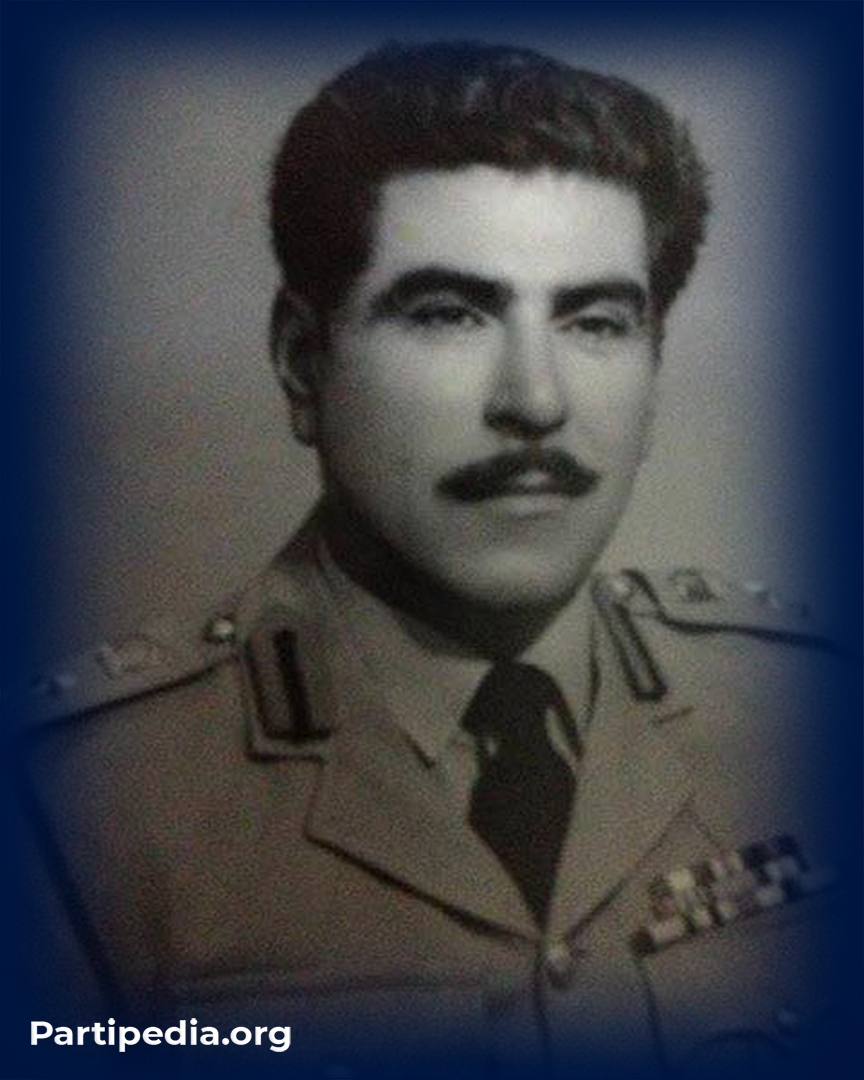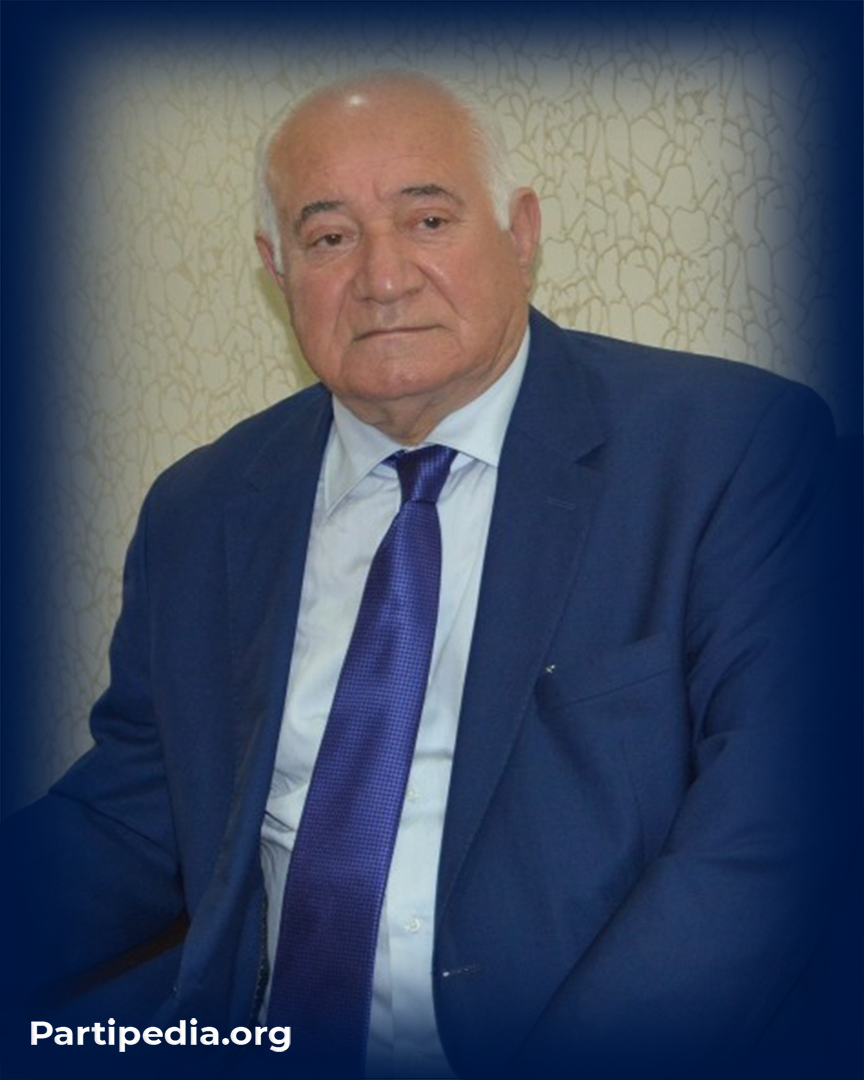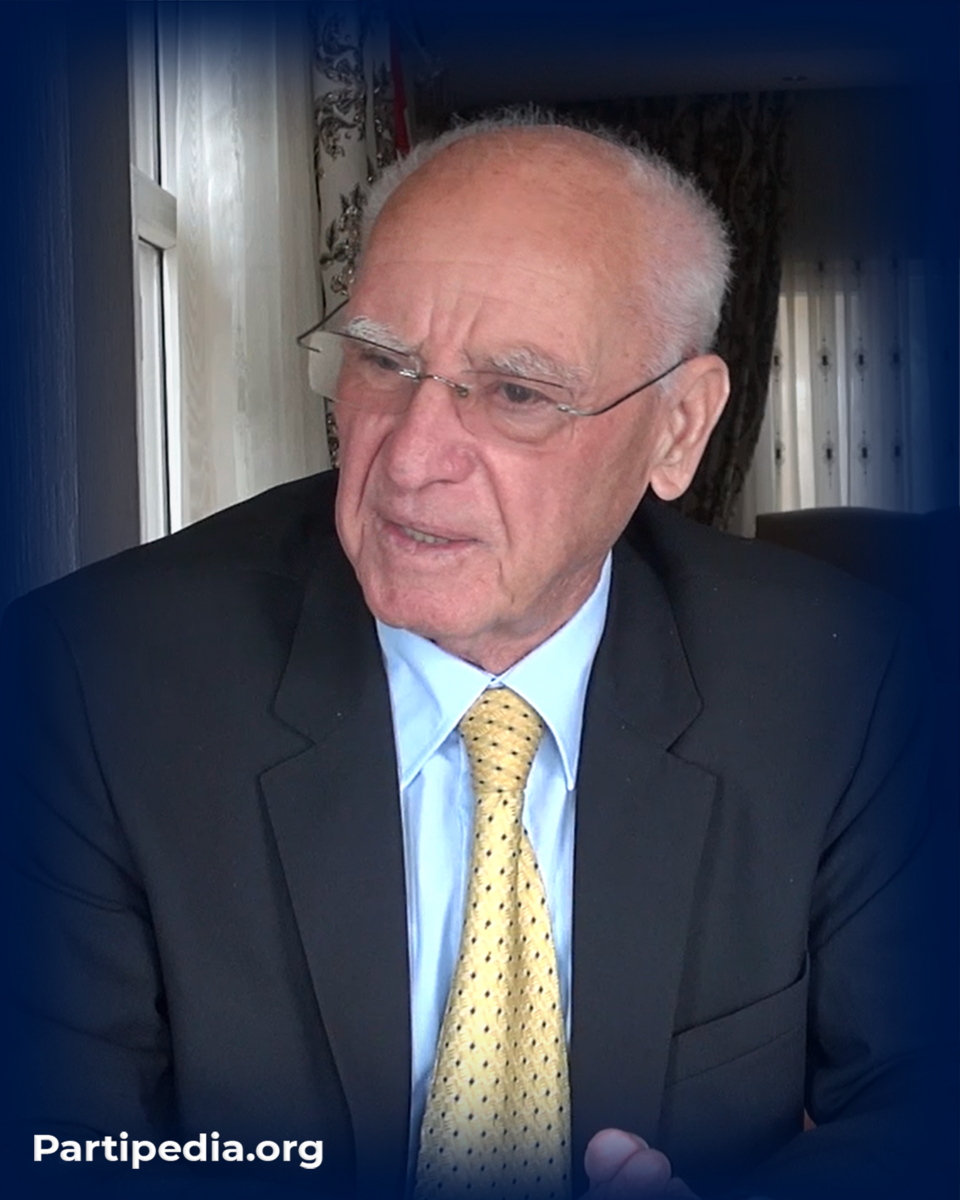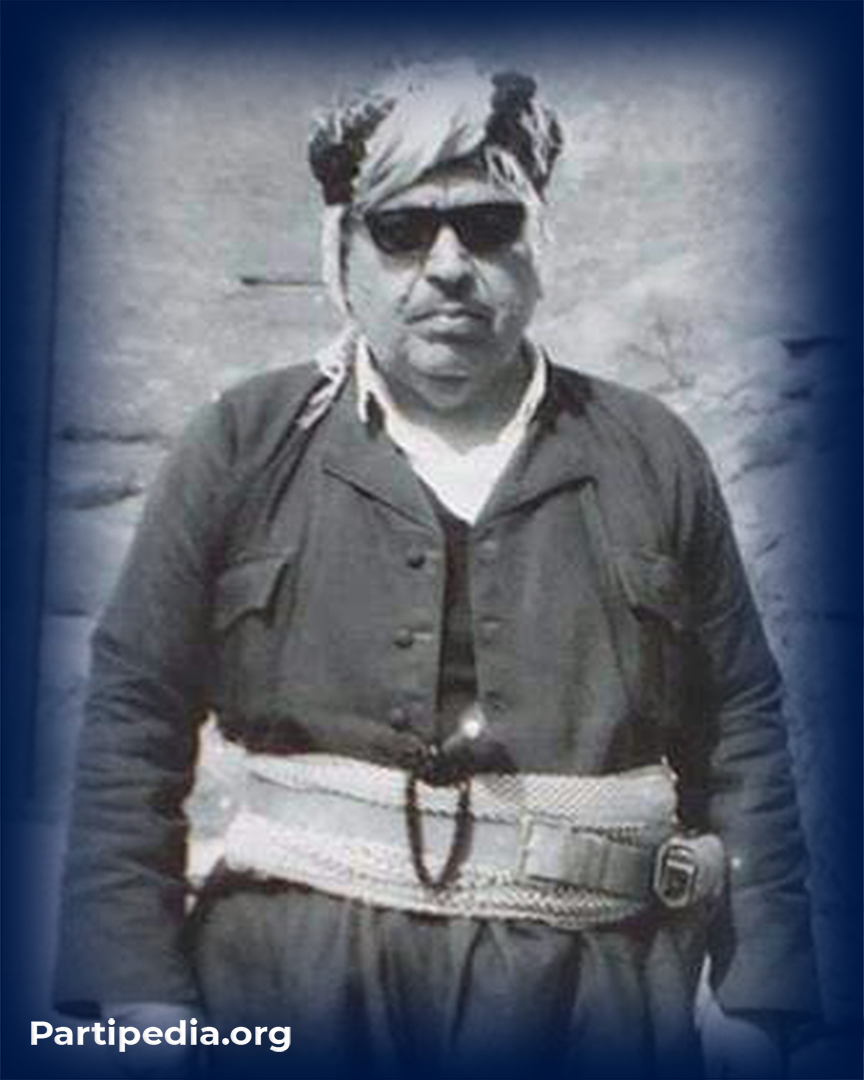



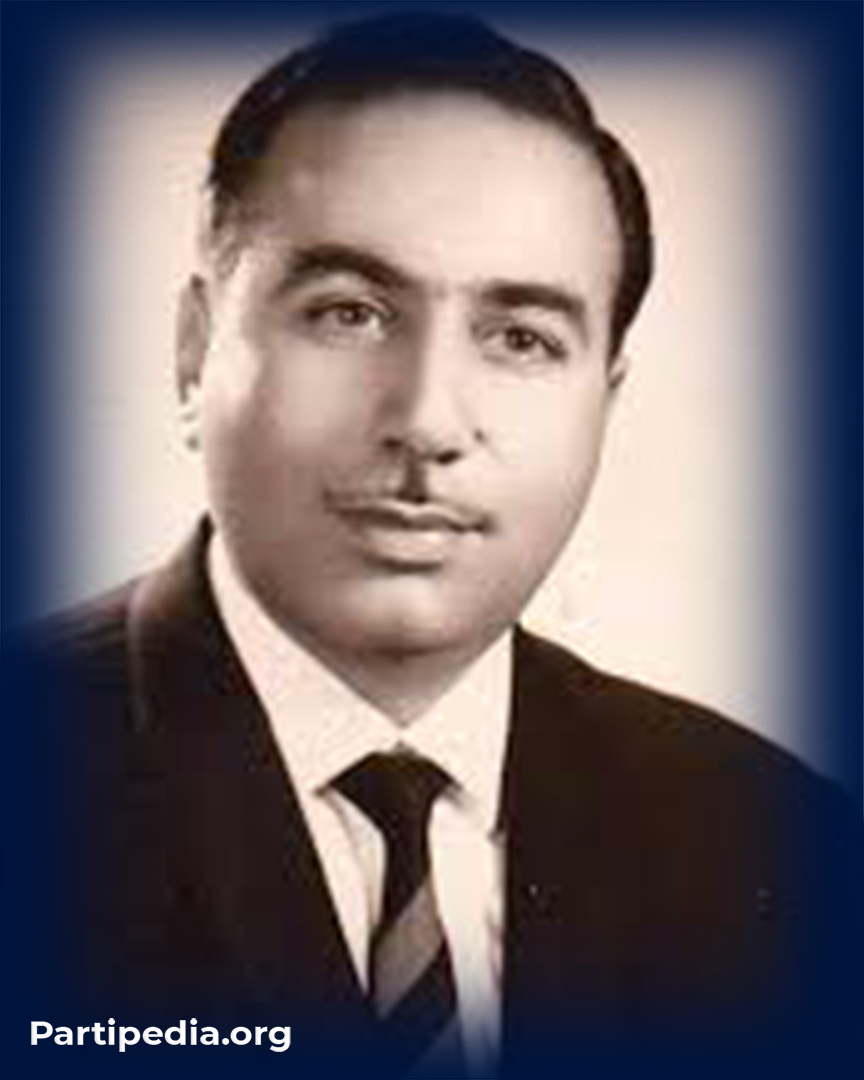
Shamsedin Muhammad Osman, known by the names Lawyer Shamsedin Mufti and Amir Qasimi. In 1953, he became the Secretary of the Kurdistan Students' Union (first congress). In 1958, he became the secretary of the first staff of the second branch of the branch. In 1959, he became the head of the second branch. In 1959, he was elected a member of the high supervisory and inspection board of the Kurdistan Democratic Party of Iraq (fourth congress) by the representatives of the congress. In 1974, he made contact with the ranks of the Peshmerga forces for the second time. He passed away on September 5, 2012, in London due to illness.
Biography
Shamseddin Muhammad Osman, known by the names of Lawyer Shamseddin Mufti and Amir Qasimi. He was born in the city of Erbil, from the Mufti family of Erbil. His grandparents were Melazade and passed away in the Mukriyan area and near the city of Mahabad towards Erbil. He graduated from the Faculty of Law of the University of Baghdad in 1957. In early 1974, he was appointed as the Secretary of the Agricultural Security Agency by the leadership of the September Revolution. In 1975, after the defeat of the September Revolution, he went to the Shah of Iran as a refugee.
In 1976, he left the Iranian monarchy and fled to the Syrian Arab Republic. In 1977, he was granted political asylum by the British Empire. From 23 to 28 January 1992, he was appointed by the Kurdistan Front as a member of the fifteen-member committee to draft the draft law of the Kurdistan National Council (Parliament of Kurdistan). In 1992, he was a member of the thirteen-member committee of judges and legislators to oversee the process of electing the first members of the Kurdistan National Council. He passed away on 5 September 2012 in London due to illness. He was fluent in Kurdish, Arabic, Persian and English.
Worksheet
From November 13 to 24, 1952, he actively participated in the Baghdad student demonstrations against the Iraqi monarchy. In 1953, he became the Secretary of the Kurdistan Qutb Union (first congress). He secretly supervised the organization of the Kurdistan Qutb Union's Newroz celebration in Erbil. In 1956, he participated in the Kurdistan Qutb Union's Newroz celebration in the village of Kesnezan, in the Erbil province. On January 3, 1958, he participated in the election of the new Kurdish victory committee in Baghdad. On March 21, 1958, he participated in the Erbil Newroz celebration. On July 27, 1958, he visited the Iraqi Ministry of Defense with the Kurdish delegation to congratulate the Iraqi army for overthrowing the Iraqi monarchy.
On August 7, 1958, the Erbil delegation welcomed Sheikh Ahmed Sheikh Muhammad Sheikh Abdulsalam (1892 - 1969), who was known as Sheikh Ahmed Barzan, and made friends with him until he accompanied them to the city of Erbil. In 1958, he was appointed as the first employee of the second division of the Iraqi Civil Service Commission during the period of engineer responsibility. Ali Abdullah Amin (1926 - 2017) was appointed as the head of the legal board. In 1959, in collaboration with lawyer Omer Mistefa Mihemed Emin (1923 - 1992), who was named Omar Debabe He was recognized as having taken charge of the election process of the Erbil conference to appoint representatives to the fourth congress of the Kurdistan Democratic Party - Iraq. In June 1959, he became a member of the Erbil committee of the Peace Movement and one of the supervisors of the election of the executive board of the Erbil Municipality. In 1959, he was elected by the congress delegates as a member of the high supervisory and inspection committee of the Kurdistan Democratic Party - Iraq (fourth congress). In 1959, he was appointed as the second employee of the second branch of the branch and the head of the second branch. In 1959, under the command of the President Mustafa Barzani (1903 - 1979) Commander of the Erbil volunteers of the Kurdistan Democratic Party - Iraq, took it upon himself to foil the smuggling (legal suspicion) of Sheikh Rashid Lulan in the Sidekan area of Erbil province.
On July 1, 1959, with the President Mustafa Barzani visited the headquarters of the Kurdistan Democratic Party in Baghdad, one day after the lawyer's disappearance Hamza Abdullah Omar (1915 - 1998) was a member of the United Kurdistan Democratic Party. On February 19, 1960, he sent a message of congratulations on the agreement with the Kurdistan Democratic Party of Zeim Rukin Abdulkarim Qasim (1914 - 1963) on behalf of the lawyers of Erbil. On February 21, 1960, he requested the Erbil governor to grant him a deadline to officially open the headquarters of the second branch of the Kurdistan Democratic Party of Iraq in Erbil, in accordance with Article 13 of the Iraqi Associations Law. On June 28, 1959, he sent a message of support to the Prime Minister of Iraq, General Rukin Abdulkarim Qasim, on behalf of the United Kurdistan Democratic Party, on behalf of the National Union. In 1960, he was briefly imprisoned in Erbil and became the President Mustafa Barzani He made an attempt to free himself. In 1960, he was a member of the founding committee of the Democratic Party of Kurdistan-Iraq in the open phase. In 1960, he was a member of the Erbil committee of the Iraqi peace activists. In 1960, he was appointed as the third worker of the second committee during the term of Jalal Abdulrahman Amin (1928 - 1987) and as the secretary of the committee. In 1960, he was a delegate to the fifth congress of the Democratic Party of Kurdistan in Baghdad.
In November 1960, he became a member of the revolutionary organization's board and was responsible for Erbil. In 1961, he became a member of the revolutionary board of the Kurdistan Democratic Party in the Erbil region. In August 1960, he and a group of lawyers in Erbil wrote an open letter to all Iraqi journalists expressing their dissatisfaction with the articles published in the Baghdad newspaper that claimed that Kurds were not a nation and that they were called Arabs, which angered Iraqi officials. In mid-1960, he was arrested by the Erbil governor on charges of murdering Sadiq Miran. He did not surrender and hid in the house of Arif Osman Yusif in the Setaqan neighborhood of Erbil. In 1961, he became the commander of the first armed wing of the September Revolution in Erbil. On September 7, 1961, he was responsible for the escape from the police before the September Revolution. On August 20, 1961, with the cooperation of Abdullah Ismail Ahmed (1937 - 2000), known as Mullah Motor, and a Peshmerga unit, they attacked the army base in the village of Espindar in the province of Erbil and began to take over. On September 15, 1961, they were in the Serkepkani front in Ranye in the province of Sulaymaniyah. In the years (1961 - 1964), they were in the fourth employee of the second division of the military council during the period of responsibility Muhammad Haji Tahir and Ali Abdullah was appointed as the head of the leak board.
He participated in the battles from 11 to 28 October 1961 against the Iraqi army ground forces and the pro-Iraqi government forces of the Khalq army, and after the lack of explosives, on 29 October 1961, he ordered the Peshmerga to retreat. In the years (1963 - 1973), he was the representative of the September Revolution in Tehran and worked under the name of Amir Qasemi. In 1964, he was invited by the political school to the Mawat general meeting, but because he knew that this action would have an unknown consequence, he did not participate and in the end he supported the President. Mustafa Barzani In 1964, he became a member of the Constitutional Committee of the Permanent Secretariat (Al-Maktab Al-Tanfizi) of the Revolutionary Leadership Council in Iraqi Kurdistan. In 1969, he resigned from his position as the representative of the Kurdistan Democratic Party in Tehran and returned to Baghdad. In 1969, he became a collaborator of General Teymur Bakhtiyar against the authorities of the Iranian Shah. In 1974, he contacted the ranks of the Peshmerga forces for the second time. In 1977, he was among the founding members of the preparatory committee of the Kurdistan Democratic Party. In 1977, he contacted the Peshmerga forces of the Patriotic Union of Kurdistan. On January 14, 1978, by a decree of the Revolutionary Leadership Council, he was granted the right to practice law.
Source:
1 - Jamshid Heyderi, a response to Berevan Hamdi and Dr. Marif Xeznedar, Xebat magazine for students, organ of the Kurdistan Qutab (Students) Union, issue 69, Erbil, March 2007, page 20.
2 - Interview: Azad Abdulwahîd, Dirwêney Rojekanî Zîwer Xetab, (Hewlêr - Rojhilat Press - 2019) pages 24, 61, 99, 107, 130.
3 - Ismail Shukir Resul, Shukriye Chiawuk, the first Kurdish woman teacher in Hewler, Shavushka magazine. Shavushka Center for Intellectual Activities, issue 4, Hewler, Ministry of Education Press, 2002, page 44.
4 - Mihemed Saîd Kurde, Carî Caran, (Hewlêr - Hêvî Publishing House 2019) pages 253, 259, 260, 266.
5 - Şiwan Mihemed Emin Teha Khoshnaw, A study of the political situation in Hewlêr between the years (1958 - 1963), (Hewlêr - Rojhilat Press 2012) pages 160, 161, 173, 195, 197, 213, 216, 227, 239, 256, 258, 259, 262, 271, 274.
6 - Şiwan Mihemed Emin Teha Xoşnaw, Erbil between the years 1963 - 1970 is a historical study of the political situation, (Ewlêr - Salaheddin University Press 2016) pages 18, 32, 33, 109, 158.
7 - Abdurahman Sharafkendi (Hejar Mukriyani), Cheshti Mucêwir, (Paris 1997) page 561.
8 - Cemal Nebez, Memoirs of the Days That Will Never Return, (Sulaymaniyah - Şivan Press - 1017) pages 340, 367, 375, 402, 403, 500.
9 - Sulêman Mistefa Hesen, Kurds and the First Experience, (Hewlêr - Karo Publishing House 2017), page 40.
10 - Tofiq Mullah Sadiq, memories of the party and Peshmerga days and my exile, second edition, (Hewlêr - Shehab Publishing House - 1996) pages 23, 26.
11- Prepared by: Salah Rashid, Mam Jalal Didari Age from Childhood to the Republic Palace, second volume, (Sulaymaniyah - Karo Publishing House 2017) page 47.
12 - Necah Yasin Necar, Martyr Meemun Debax, Municipality magazine, Erbil Municipality Presidency, issue 21, Erbil, January 1, 2013, pages 16, 17.
13 - Cercis Fateh Alle Al Mihami, Iraq in the Age of Qasim 1958 - 1988, second edition, (Switzerland - published by the people in 1989) page 728.
14 - Cemşid Heyderî, a response to Berevan Hemdî and Dr. Marif Xeznedar, Xebat ya Predaran magazine, organ of the Kurdistan Qutabi Union, issue 69 Hewlêr, March 2007, page 20.
15 - Barzani always said he did not trust the Shah of Iran, Barzan News Newspaper, issue 181, Hewlêr, Sunday, September 19, 2010, page 5.
16 - Habib Muhammad Karim, History of the Democratic Party of Kurdistan in Iraq (with reference to the leadership) - 1946 - 1993, (Dihok - Xebat Press 1998) pages 61, 67.
17 - Husen Latif Al Zebidi, Muesese al ahzab al Iraqiye, (Beirut - Muesese al arif lil matbuat 2007 - page 339.
18 - Hisu Hurmi, lil mehat min heya al Amir Tahsin Seyid Ali Beg, (Erbil - Rojhilat Press 2017 - pages 134 - 141.
19 - Rojin Chilbii Minir, Zakho, July 14, 1958 - March 6, 1975, (Unpublished - Zakho Center for Kurdish Studies 2018, page 121.
20 - Bekir Şakir Karwanî, Eli Fetah Dizeyî Poet, writer and activist, (Hewlêr - Ministry of Education - 2004) page 26.
21 - Guest Mihemed Husên, The British position of the Kurdish judiciary in Iraq 1975 - 1980 - (Bidun mekan - merkez Zaxo lil dirasat al Kurdish 2018), page 352.
22 - Direxshan Sheikh Jalal Hafidzad, a summary of the women's liberation movement in Kurdistan and some of my memories, (Sulaymaniyah - Şivan Press 2010) - page 147.
23 - Sami Şoreş, Tenu' al Kurd fî al Iraq, (Erbil - Dar Aras lil tabia wal nişr - Ministry of Education Press 2000) pages 24, 25, 27.
24 - Shirzad Zekeriya Mahmud, The Council of the Supreme Leader in Kurdistan - Iraq 1964 - 1970 - A political history course, (Dihok - Dihok community - Center for Kurdish Studies and Hafiz al-Wesaeq - 2010) - page 80.
25 - Adil Murad, A special treatise on the history of the hadith of the Kurds of Iraq, the seventh circle, the page of the covenant, the page of the center, the national covenant of Kurdistan, number 378, from the book of the same name in Sulaymaniyah, Friday, July 14, 2000, page 5.
26 - Adnan Mufti, Shamsuddin Mufti Leaders and Leaders 1933 - 2012, second edition, (Hewlêr - Bedirxan - Shehab Press 2013), pages 16, 27, 44, 56, 106.
27 - Isi Pijman, The Secrets of Murder and Life of the Greatest Hero Timur Bakhtiyar, (Paris - Anti-Sharat Women's Publishing House 1991), pages 240, 252, 254.
28 - Mansur Taraji, Nekhastin Ruznamengar and A'kasi Ayran in the Peshmerga Barzani city, Atlaat diary, number 14456, ninth issue, Tehran, Sunday, July 23, 1353, page 11.
29 - Farhad Ewnî, in the last page of my book, "The Great Month of Eylul", issue of Gulan al-Arabî, issue 28 Erbil, Ministry of Finance Press, September 22, 1998, page 39.
30 - Farhad Ewnî, How the massacre of the Kurdistan Arabs took place in 1974, Gulan al Arabî magazine, Gulan al a'lamiye foundation, issue 28, Erbil, September 25, 1998, page 40.
31 - Farid Esesard, Encyclopedia of the Patriotic Union of Kurdistan, second edition, (Sulaymaniyah - Academy of Awareness and Training of Cadres 2015) pages 861, 863, 869.
32 - Decision of the Council of Ministers, number 1615, newspaper al waqae' al Iraqiye, ministry of justice, number 2690, al sana al wahide wal a'shrun, Baghdad, al asnîn, 1 kanun al sanî 1979, page 3.
33 - Kaf Kurdistanî, Barzani Mustafa as I knew him, Brotherhood Newspaper, organ of the Kurdistan Democratic Party - United, number 1885, Hewlêr, Monday, February 28, 1994, page 3.
34 - Leqa Du, Leqa Du marked half a century of struggle, (Hewlêr - Aras Publishing House 2010), page 38.
35 - Marif Xeznedar, My Lives Were Honest 1949 - 1960, second volume, (Hewlêr - Hacî Hashim Publishing House 2009) page 260.
36 - Mullah Mustafa al-Barzani, the first report of the Minister of Interior on the establishment of the party, Xebat (al-Nazal) newspaper, issue 141, al-Rai al-Am printing house, Baghdad, 9th of the 1960 calendar year, pages 1, 8.
37 - Mullah Faruq Şiwanî, All Kurds, First Edition, (Hewlêr - Rewşenbîrî Publishing House 1997), pages 117, 229.
38 - Mehdi Muhammad Qadir, The Role of the Kurds in the Peace Movement in Iraq (1950 - 1963), (Hewlêr - Mukriyan Publishing House - Mukriyanı Press 2015) page 52.
39 - Guest Mihemed Husên, The British Position on the Kurdish Question in Iraq 1975 - 1980, (Zaxo - Zaxo Center for Kurdish Studies 2018), page 317.
40 - Newshirwan Mustafa Amin, on the sidelines of the Great War, (Bê şiwên 1997) page 338.
41 - Hawkar Kerîm Heme Şerîf, The September Revolution, (Hewlêr - Salaheddin University Press 2012) pages 45,46.
42 - Old memories of Newroz in an interview, Xebat student magazine, organ of the Kurdistan Qutabi Union, issues 44 and 45, Hewlêr, April 2001, page 41.
43 - Ali Sincari, The Kurdish Court and the Arab Ba'ath Party's Reunification with Iraq, Part 1, (Dihok - Matbaa Xanî 2012) page 335.