


Biography
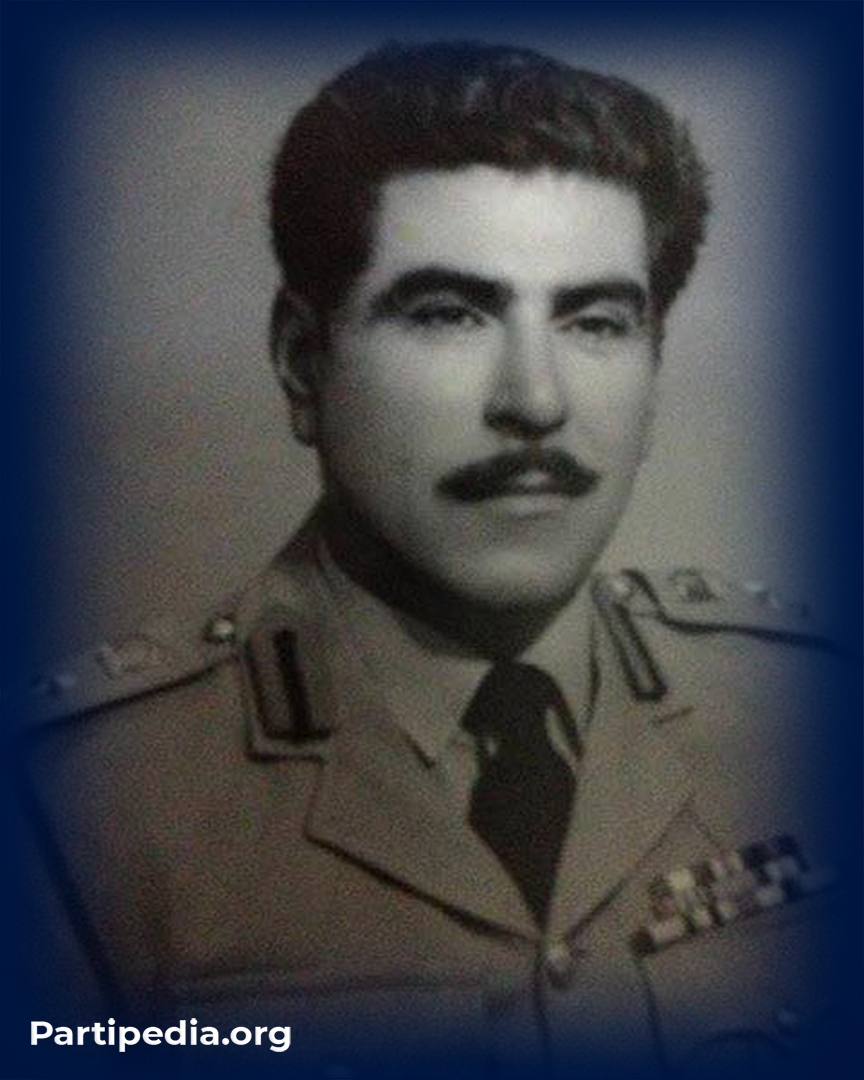
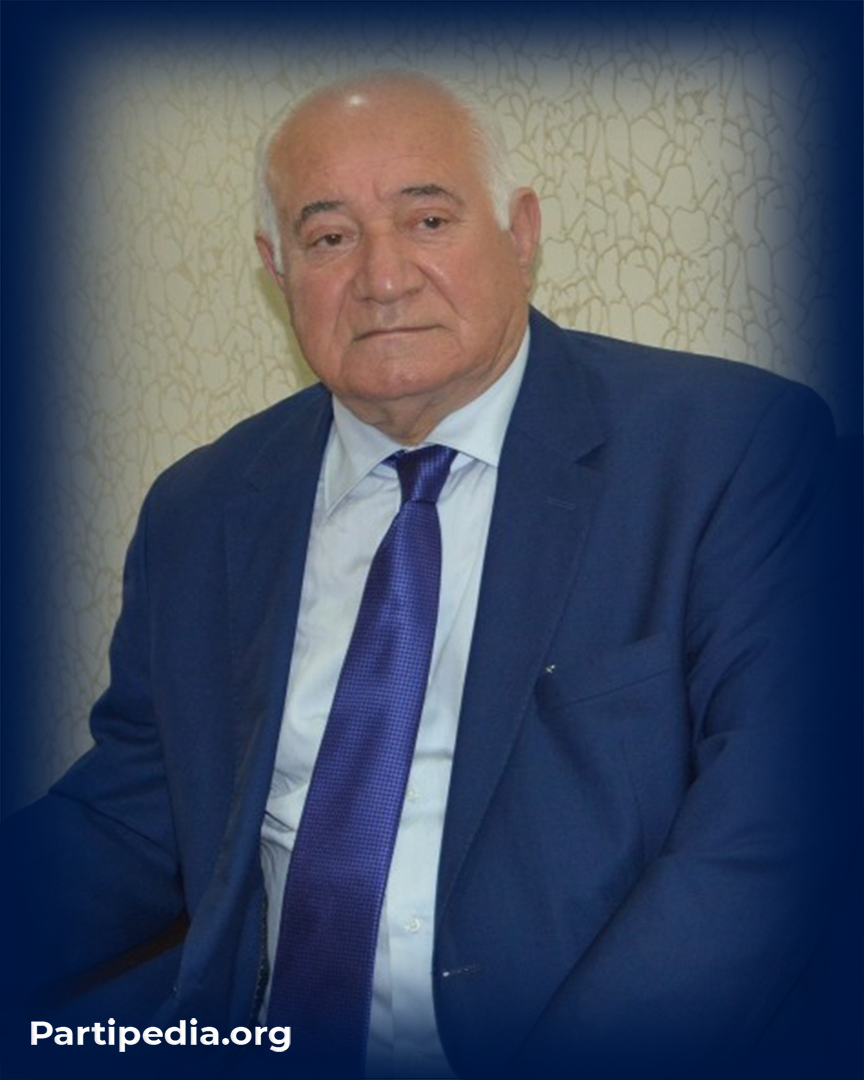
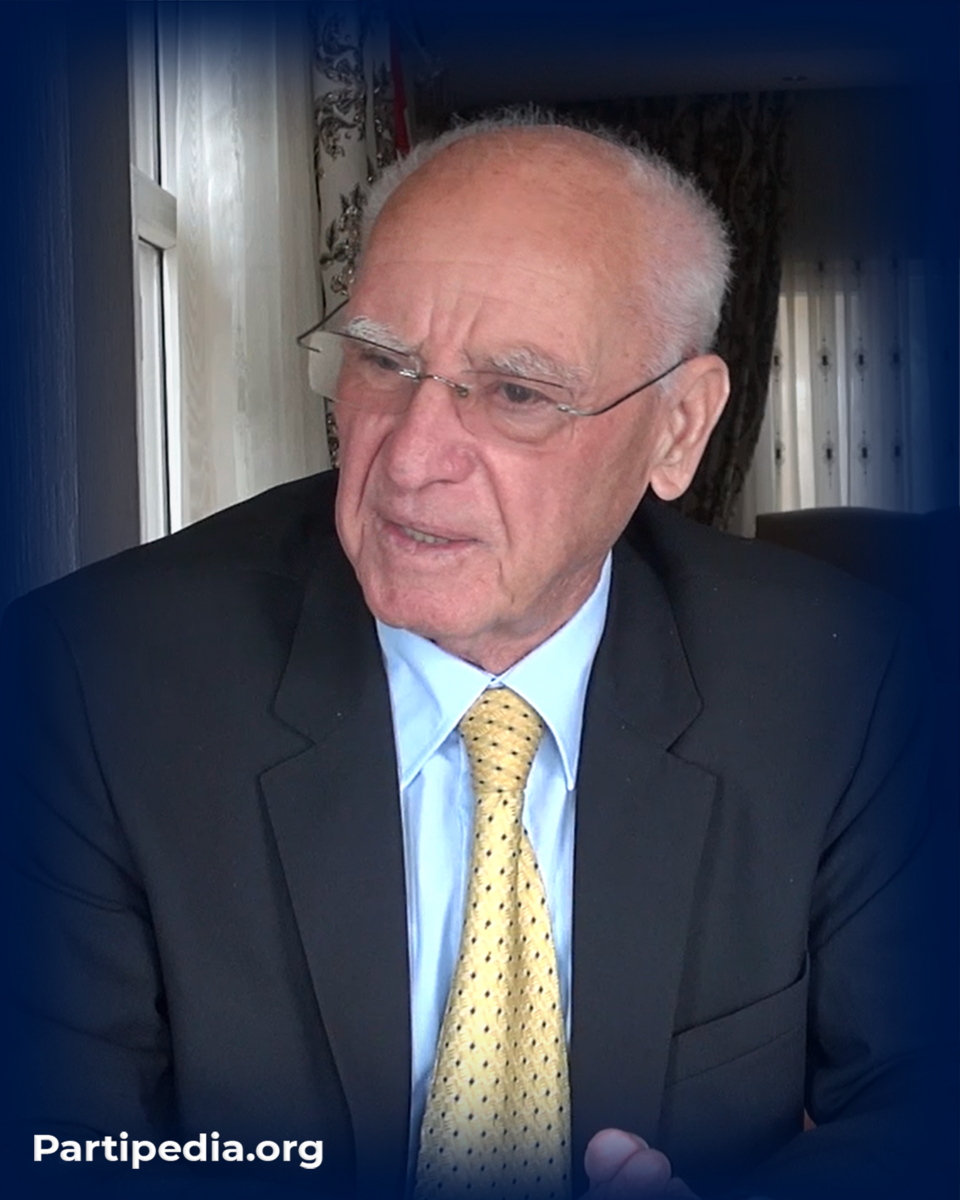
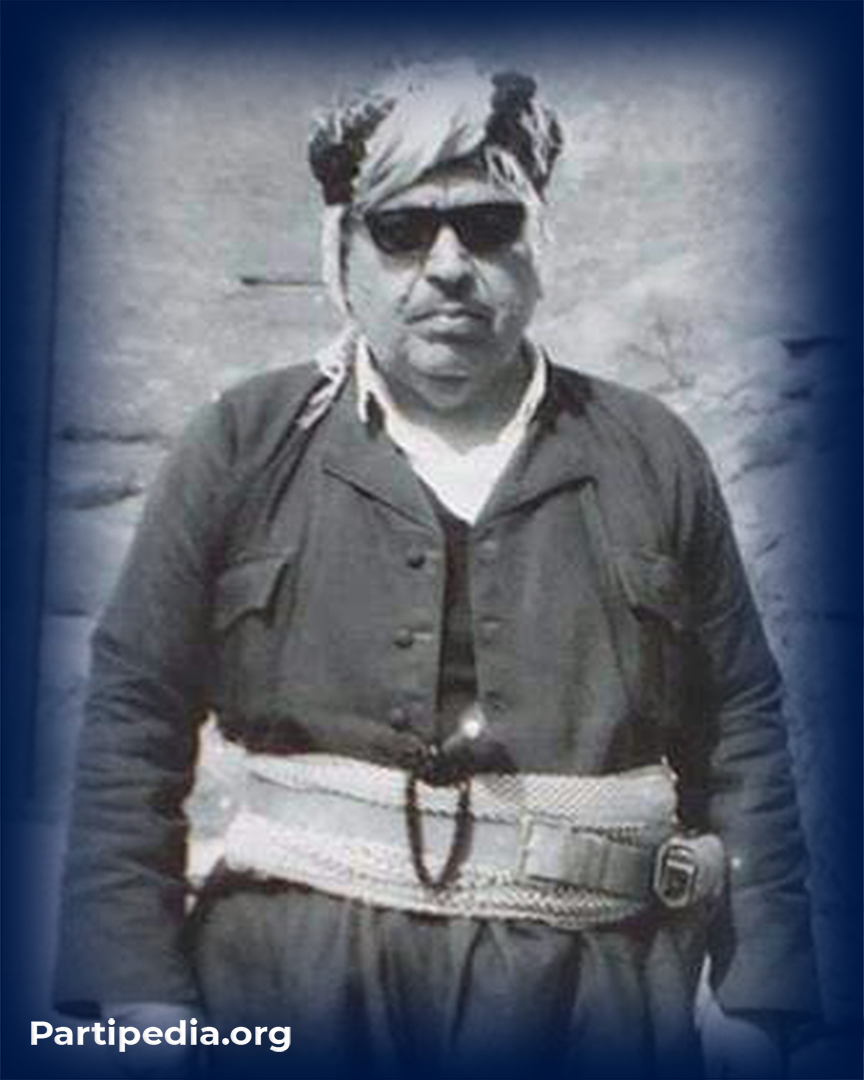
Ali Abdullah Reza, also known as Ali Askari and Shalaw, was born in Sulaymaniyah in 1937. He is one of the sheikhs of the Naqshbandi Haqqa order of Mevlana Khalid Naqshbandi of Sharazur, and their lineage goes back to Sheikh Isa Barzanji, and is the nephew of Sheikh Abdulkarim Shadele (1893-1943) and Mame Reza Shadele (1905-1961), who are admirers of the The First Barzan Revolution.
He graduated from high school and married Sabiha Sheikh Celal Sargalo in 1959. In 1975, after the collapse of the September Revolution, went to Iran for a short time, and was appointed as the administrator of the municipality of Refa'i district in southern Iraq by order of the Iraqi Revolutionary Leadership Council on August 31, 1975. He was fluent in Kurdish, Persian, and Arabic.
Worksheet
In 1958, Ali Askari was a member of the leadership of the Kurdistan Students' Union and the Kurdistan Democratic Boys' Union. In 1958, he was in charge of the Kirkuk organizations of the Kurdistan Students' Union. In 1959, he was elected by the congress delegates as a member of the Supreme Committee for the Promotion and Supervision of the Kurdistan Democratic Party - Iraq at the Fourth Congress. On Saturday, December 8, 1960, he was one of the founding members of the open phase of the Kurdistan Democratic Party - Iraq. In 1960, he was elected by the congress delegates as a member of the Central Committee of the Kurdistan Democratic Party (KDP) at the Fifth Congress. In November 1960, he was a member of the Revolutionary Organization Committee and responsible for Kirkuk.
In 1961, he was appointed as the head of the first league committee of the Kurdistan Democratic Party (KDP) and in the same year, after the start of the September Revolution joins the revolution, at the beginning September Revolution in Behdinan under the pseudonym Shalaw and the second-in-command of the rebel forces September Revolution was in the Behdinan region, then transferred to Kirkuk province by the Political School of the Kurdistan Democratic Party (KDP). In 1961, he participated in a large meeting of the Ewdalan and voted for defense and revolution. In 1962, he was elected by the leadership of the September Revolution He was appointed commander of the Labor Force in 1964, and participated in Mawet ConferenceHe was expelled from the sixth congress of the Kurdistan Democratic Party for this reason. On July 6, 1965, after Mustafa Barzani (1903-1979), the President of the Kurdistan Democratic Party and the Revolutionary Leadership Council in Iraqi Kurdistan, issued a general amnesty for the followers of the Political School wing in Hamadan, Iran. He returned to the village of Haji Omaran in Erbil province and met President Mustafa Barzani. In 1965, he participated in the Battle of Mount Korek in the Ruwandiz district of Erbil province against the Iraqi army.
On August 28, 1966, he attended the first meeting of the Ibrahim Ahmed-Jalal Talabani group in Timar (Germiyan). On December 28, 1966, he joined Jalal Talabani (1933-2017), Omar Mustafa Muhammad Amin (1923-1992), who was known as Omar Debabe Hilmi Ali Sharif (1930-1998) moved from Dolaraq in Sulaymaniyah province and moved to areas under the control of the Iraqi government and turned his back on September Revolution, on October 15, 1970, together with Ibrahim Ahmed Fatah (1914-2000) and Omar Mustafa Muhammad Ameen (1923-1992), who was named Omar Debabe It is known that he met with President Mustafa Barzani at Barzani's headquarters in the village of Dilman and was pardoned together, and remained there until the fall of September Revolution He lived in the village of Gelale in the Balekê region of Erbil province.
On February 10, 1971, he rejoined the Kurdistan Democratic Party (KDP) for the second time. In 1973, he was appointed commander of the Erbil Plain force by the leadership of the Kurdistan Democratic Party (KDP). In 1974-1975, he was a member of the Military School of the Kurdistan Democratic Party (KDP). September Revolution He participated in the Urmia broad meeting in mid-April 1975 to continue the struggle and resistance. On April 24, 1975, at the suggestion of President Mustafa Barzani, he returned to Southern Kurdistan to prepare the situation for the revolution. He was provided with financial assistance and contact codes. On April 28, 1975, he returned to Sulaymaniyah and on April 30, 1975, he was deported to Baghdad by the Sulaymaniyah Security Director.
On August 23, 1976, he began negotiations with the representative of the interim leadership of the Kurdistan Democratic Party (KDP) in the Hanjirlu Cave. On October 10, 1976, he participated in the extensive meeting of the Kurdistan Socialist Movement in Sore Gil. On August 31, 1977, he participated in the first leadership meeting of the Patriotic Union of Kurdistan (PUK) in Dole Coste, at the triangle of international borders (Iraq, Turkey and Iran) in Erbil province, with the aim of distributing posts and was elected as the commander of the Peshmerga forces. In 1976, he was one of the founders of the Kurdistan Socialist Movement. In 1976, he joined the ranks of the Peshmerga Forces. In 1976, he participated in armed actions against the Iraqi army in the Pishdar region of Sulaymaniyah province. In the summer of 1976, he was in the village of Khurkhura, Sulaymaniyah province, with the aim of coordination with the forces of the interim leadership of the Kurdistan Democratic Party (KDP) had a meeting with Dr. Kemal Kirkuki, in the fall of 1976 he met with Kemal Kirkuki in the mosque of the village of Gelale in the Sulaymaniyah province to coordinate forces, in 1977 he became a member of the Political School of the Patriotic Union of Kurdistan (PUK), in 1977 he was appointed as the commander of the Peshmerga forces of the Patriotic Union of Kurdistan.
Source:
-
Kurdistan Democratic Party Archives.
-
Fatih Resul, In a Long Caravan, (Stockholm, 1997), pp. 160-161.
-
Ali Sinhalese, The Kurdish Question and the Arab Socialist Ba'ath Party, Part Three, (Duhok - Xanî Press - 2012), pp. 204, 359, 388-390, 394-395.
-
Text of Mam Celal's speech on the 10th anniversary of the martyrdom of the leader Omar Debabe in, Kurdistan New Newspaper, organ of the Patriotic Union of Kurdistan, number 2671, year eleven, Sulaymaniyah, Wednesday, 30.12.2002, p 3.
-
Muhammad Ismail Muhammad, a commentary on the article by Mr. Farhad Awnî in the magazine Golan Al-Arabi, Golan Al-Arabi magazine, issue 29, Hewlêr, El-Thaqafa Press, 29.10.1998, p 112.
-
Aram Karim, I Know Mam Celal, Part 1, (Bê Cih - 2000), pp. 13, 20-21.
-
Eqîla Ruwandizî, Yad û Aferîn, (Hewlêr, Şewşka Center for Cultural Activities, Education Press, 2005), p 134.
-
Shuwan Husên Şink Balekî, Cewher Namiq Salim 1946-2011 Life, Work and Political Role, Soran University, Faculty of Culture, 2016, (Unpublished Master's Thesis), pp. 80-81.
-
Chris Kuchra, The Kurdish National Movement, translated by Ebrahim Younisi, second edition, (Tehran, Nigah Publishing House, 1998), pp. 280, 312, 322.
-
Shuwan Mohammed Emin Taha Khosnaw, Hewlêr between 1963-1970: a historical study of the political situation, (Hewlêr, Salaheddin University Press, 2016), p 45, 170.
-
David McDowell, New Kurdish History, (Beirut, Dar al-Farabi, 2004), pp. 518-519.
-
Abdurrahman Sharafkendi, The Problem of the Mind, (Paris, 1997), pp. 452-453.
-
Şewket Xeznedar, The Journeys and Headquarters of the Iraqi Communist Party... A View from the Inside, (Beirut - Dar El-Kunoz El-Edebiye - 2005), p 137.
-
Abdulfatah Ali Al-Butani, Research and Analysis in the History of the Kurds and Contemporary Iraq, (Hewlêr - Spirêz Printing and Publishing House - Hacî Hashim Printing House - 2007), pp. 382, 387.
-
Mohammed Hesen Sergeynêlî, The Ako Tribe Between Ancient and Modern History, Volume 1, Second Edition, (Hewlêr - Rojhelat Press - 2019), pp. 447, 449.
-
Mam Celal, Biraîm Ehmed, a wise leader of the new era of Kurdishness, Xak Magazine, Issue 58, Year 5, Sulaymaniyah, Dilêr Offset Printing House, 10.04.2002, p 8.
-
Mustafa Abdurrahman Younis Eredinî, Sersink Havingeh and Wargahe Shahane 1922-2016, (Baghdad, Al-Jawaheri Press, 2017), p 146.
-
Tofiq Mullah Sadiq, Memories of the Partisan Days, the Peshmerga and the Exodus, Second Edition, (Hewlêr, Shehab Press, 1996), pp. 72-73, 95-96.
-
Rasul Rashid Said, Memories of a Peshmerga, (no title - 2017), pp. 37, 46, 90-91.
-
Prepared by: Salah Rashid, Mam Celal Meeting of Ages from Youth to the Republic Palace, volume 1, (Sulaymaniyah - Karo Press - 2017), pp. 183, 309, 366.
-
Prepared by: Salah Rashid, Mam Celal, Meeting the Age from Youth to the Republic Palace, volume 2, (Sulaymaniyah - Karo Press - 2017), p 78.
-
Ibrahim Ahmed, Research on the Struggle for Kake Omar Debabe, New Kurdistan Newspaper, Organ of the Patriotic Union of Kurdistan, issue 303, year 2, Hewlêr, Friday, 29.12.1993, p 5.
-
Talib Moryasî, The Search for Truth, Volume 1, (Hewlêr, 2004), p 132.
-
Cemal Baban, Kurdish Media in Iraq, (Sulaymaniyah - General Directorate of Printing and Publishing - Şivan Press - 2006), p 526.
-
Habib Mihemed Karim, History of the Democratic Party of Kurdistan of Iraq (main branches) 1946-1993, (Duhok, Xebat Press, 1998), pp. 61, 67-68.
-
Hesen Arfa, Kurds and a historical and political assessment, (B C-B T), p 140.
-
Rojin Celebi Munir, Zakho, 14.07.1958 – 6.03.1975, (Unpublished – Zakho Center for Kurdish Studies – 2018), pp. 121, 223, 226.
-
Heso Hormi, A Glimpse from the Life of Mir Tahsin Said Ali Beg, (Hewlêr - Rojhelat Press - 2017), p 155.
-
Ehmed Şerîf Lek, Commentary on Historical Events, Volume 2, (Hewlêr - Rojhelat Press - 2019), p 67.
-
Heme Ferec Halabja, From Shinriw to Stockholm, 3rd edition, (Sulaymaniyah - Karo Press - 2015), pp. 168, 203, 278-279.
-
Xelif Xefur, Defri Zerin, Volume 1, (Kirkuk - Kirkuk Intellectual and Social Association - Karo Press - 2011), p 44.
-
Dana Adams Schmidt, A Journey to Brave Men in Kurdistan, translated and annotated by Circis Fathallah, (Hewlêr - Aras Press and Publishing House - 1999), p 357.
-
Ardaşir Pişeng, Kurds in the Iran-Iraq War, (Tehran - Merz and Bom Publishing House - 1394 AH), p. 153.
-
David McDowell, Contemporary Kurdish History, translated by Ibrahim Yunesi, 4th edition, (Tehran, Paniz Publishing House, Dalahoo, 2014), pp. 536-538.
-
Serhed Yunis Mihemed, From Sharazur to Nasiriyah, (Hewlêr – Hêvî Press – 2018), p 127.
-
Salam Abdulkarim, Political Life in Southern Kurdistan 1975-1991, (Sulaymaniyah, Çarçıra Publishing House, 2011), p. 43.
-
Seyid Ali Mojani, Solmaz Sidqi, Elah Nemati..., Contemporary Iraqi Male Culture and Families, (Tehran-Nashar Azam-1392 AH), p. 905.
-
Abdulsetar Taher Sharif, Kurdish Associations, Organizations and Parties 1908-1958, (Baghdad – Cultural Affairs House – 1989), pp. 182, 202, 205.
-
Abdulsatar Taher Sharif, History of the Revolutionary Party of Kurdistan, second edition, (Baghdad – Al-Thawri Publications – 1979), pp. 170, 172, 182.
-
Ali Sinhalese, The Kurdish Question and the Arab Socialist Ba'ath Party, Part Three, (Duhok - Xanî Press - 2012 AD), pp. 206-207, 330.
-
Mihemed Sehl Teqush, History of the Kurds 637 - 2015, (Beirut - Dar El-Nefais for Printing, Publishing and Distribution - 2015), pp. 261-262.
-
Omar Abdulaziz, Encyclopedia of Kurds and Kurdistan, Volume 1, (Sulaymaniyah - 2018), pp. 504-507.
-
Salar Hafid, Ali Al-Askari and Al-Hakam for History, (no place - no year), pp. 29, 39, 44-45.
-
Fazil Karîm Ehmed, We set out with big dreams, Volume 1, (Sulaymaniyah - Taran Press - 2019), pp. 134-136, 144, 294, 321, 335, 402.
-
Farid Eseserd, Encyclopedia of the Patriotic Union of Kurdistan, 2nd edition, (Sulaymaniyah - Academy of Awareness and Training of Cadres - 2015), pp. 516-517.
-
Fuad Sadiq, The Storm of Politics, (Hewlêr, Ministry of Culture, General Directorate of Printing and Publishing, Rewşenbîrî Press, 2006), pp. 150, 156-157.
-
Revolutionary Leadership Council Decision No. 926, Iraqi Al-Weqa' Newspaper, Ministry of Justice in Baghdad, No. 2488, Year Eighteen, Baghdad, Monday, September 8, 1975, p. 8.
-
Kazim Habib, Perspectives on Twentieth Century Iraq, Iraq in the Republican Era, Part Two, Book Nine, (Hewlêr - Aras Press - 2013), pp. 352, 358.
-
Fifth Congress of the Democratic Party of Kurdistan, Roji Nu Magazine, issue 3, year 1, Sulaymaniyah, June 1960, p. 56.
-
What is behind the flight of the exiled group to government areas?, Xebat Newspaper, mouthpiece of the Kurdistan Democratic Party, issue 486, Xebat Press, March 1966, p 2.
-
Muhammad Ismail Muhammad, a commentary on the article by Mr. Farhad Awnî published in the magazine (Golan Al-Arabi), issue 28, Hewlêr, Al-Thaqafa Press, 25.10.1998, p 112.
-
Muhammad Ali Ismail, My Memories of Seventy Years and More than Half a Century of Struggle, (Unpublished - 2019), pp. 127-128, 132-134.
-
Mohammed Fatih, The Development of Party Life in Southern Kurdistan, (Hewlêr – Salaheddin University Press – 2014), p 399.
-
Masoud Barzani, Barzani and the Kurdish Liberation Movement, Third Volume, (Hewlêr - Ministry of Education Press - 2002), pp. 144, 166, 198, 255-256.
-
Mustafa Neriman, Memories of My Life, (Baghdad, Kurdish Culture and Publishing Department, Dar El-Hurriye Press, 1994), p. 226.
-
Mullah Mustafa Barzani and his friends present news about the establishment of the party to the Minister of the Interior, Xebat newspaper, number 141, Raya Gili Publishing House, Baghdad, Sunday, 09.01.1960, p 1, 8.
-
Mahmud Mela Ezzat, The Endless Caravan, (Sulaymaniyah, Serdem Publishing House, 2000), p. 88.
-
Mullah Shem Hamdi Hacî Omerani, How did the beginning of the new revolution of 1976 begin?!, 2nd edition, (Hewlêr - Hacî Hashim Publishing House - 2013), pp. 40-42.
-
Mullah Faruq Shuwani, All Kurds, Volume 1, (Hewlêr, Çandî Press, 1997), p 117.
-
Newşirwani Mustafa Emin, Le kenarî danubewe bo khirri nawzeng, (Bê Cih, 1997), p 173.
-
Hawrê Baxewan, A Memorandum on the History of Kurdistan and the Kurds, (Sulaymaniyah - Serdam Publishing House - Roon Press - 1999), p. 191.
-
Hawkar Karim Hema Sharif, September Revolution, (Hewlêr - Salaheddin University Press - 2012), pp. 45-48.