

Biography
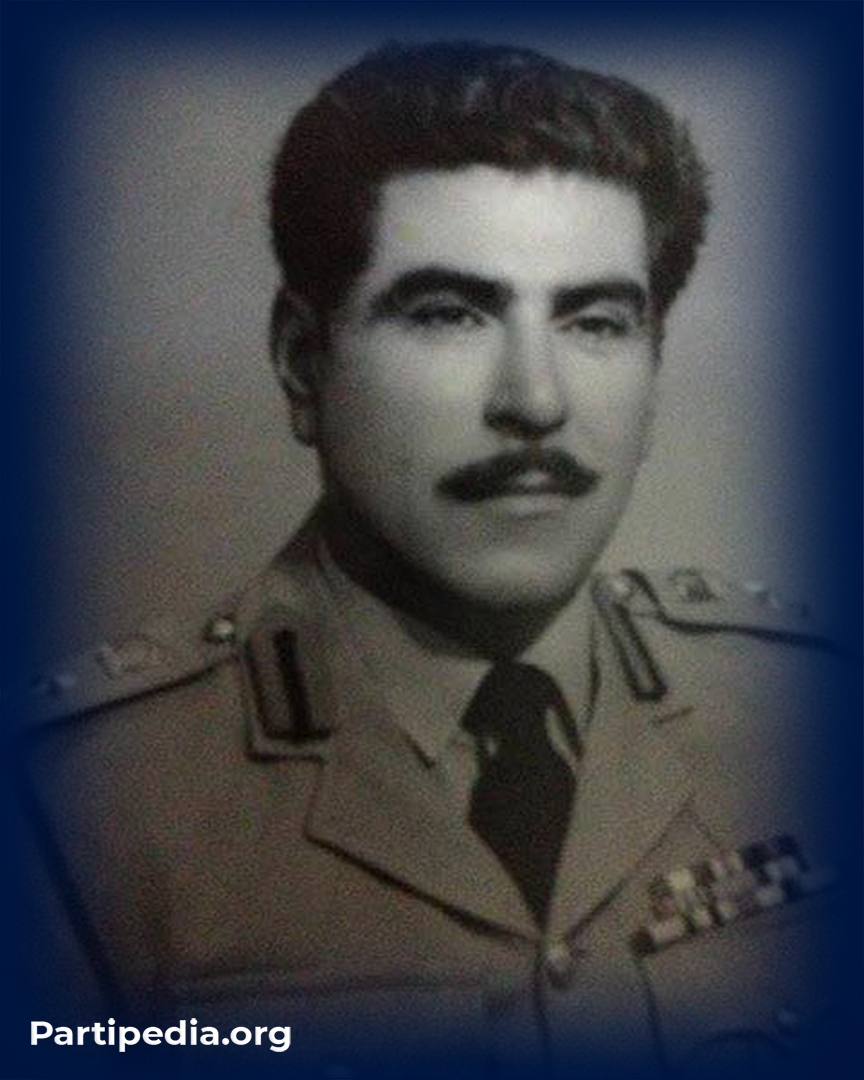
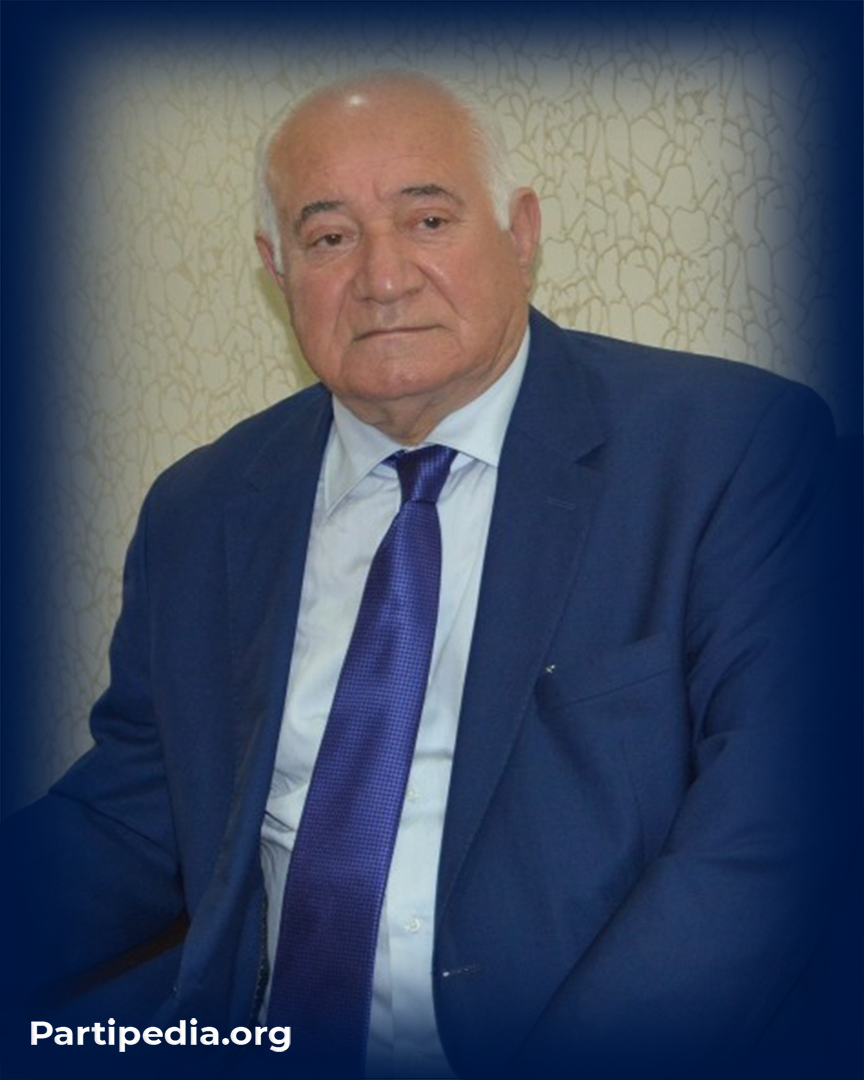
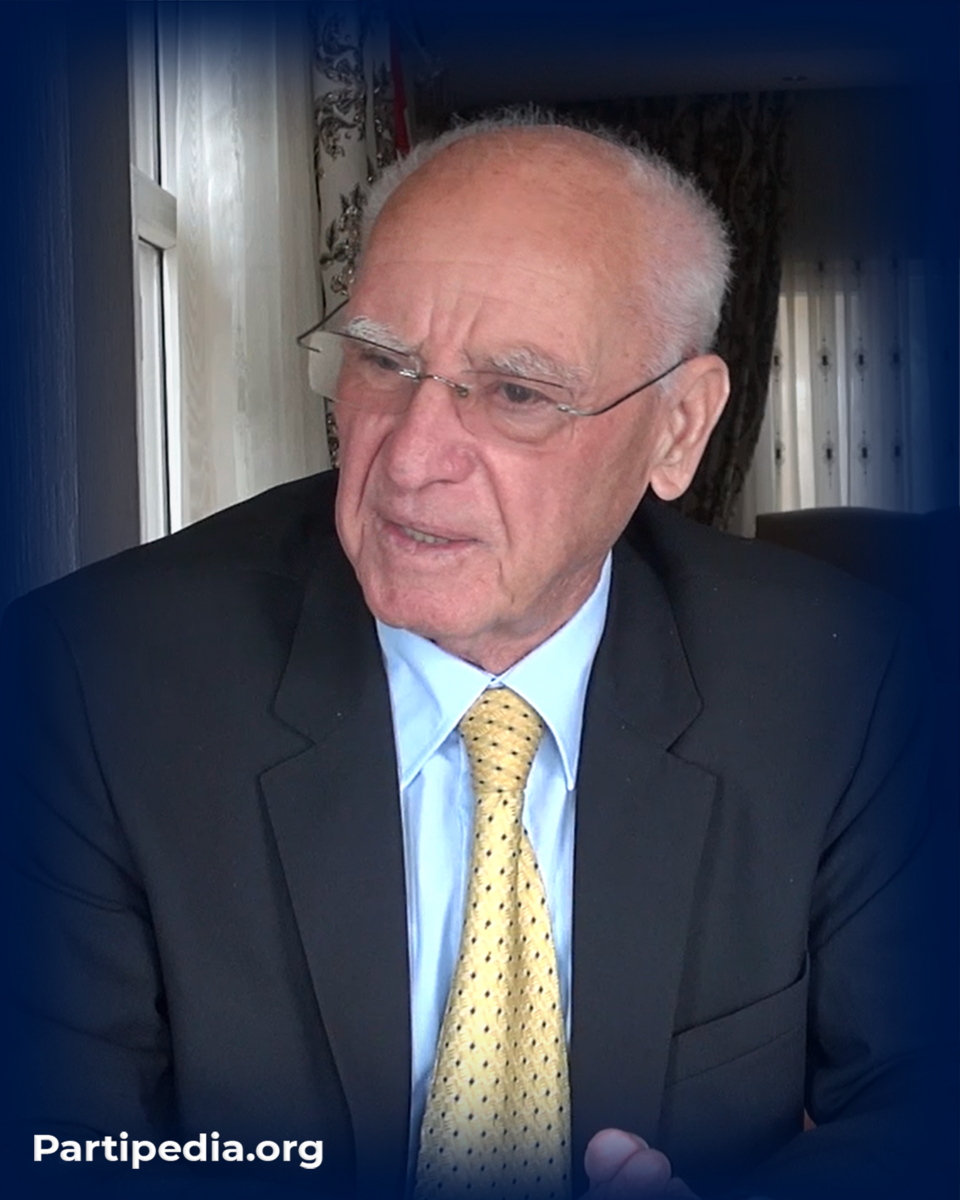
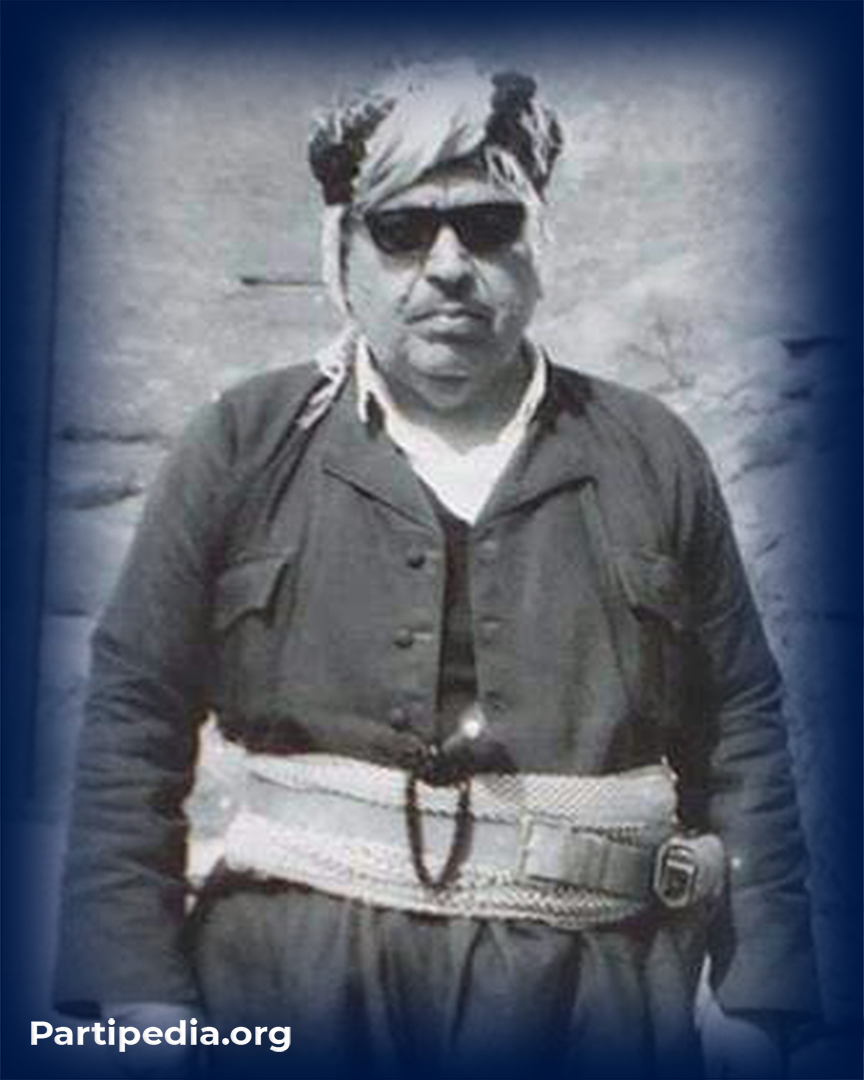
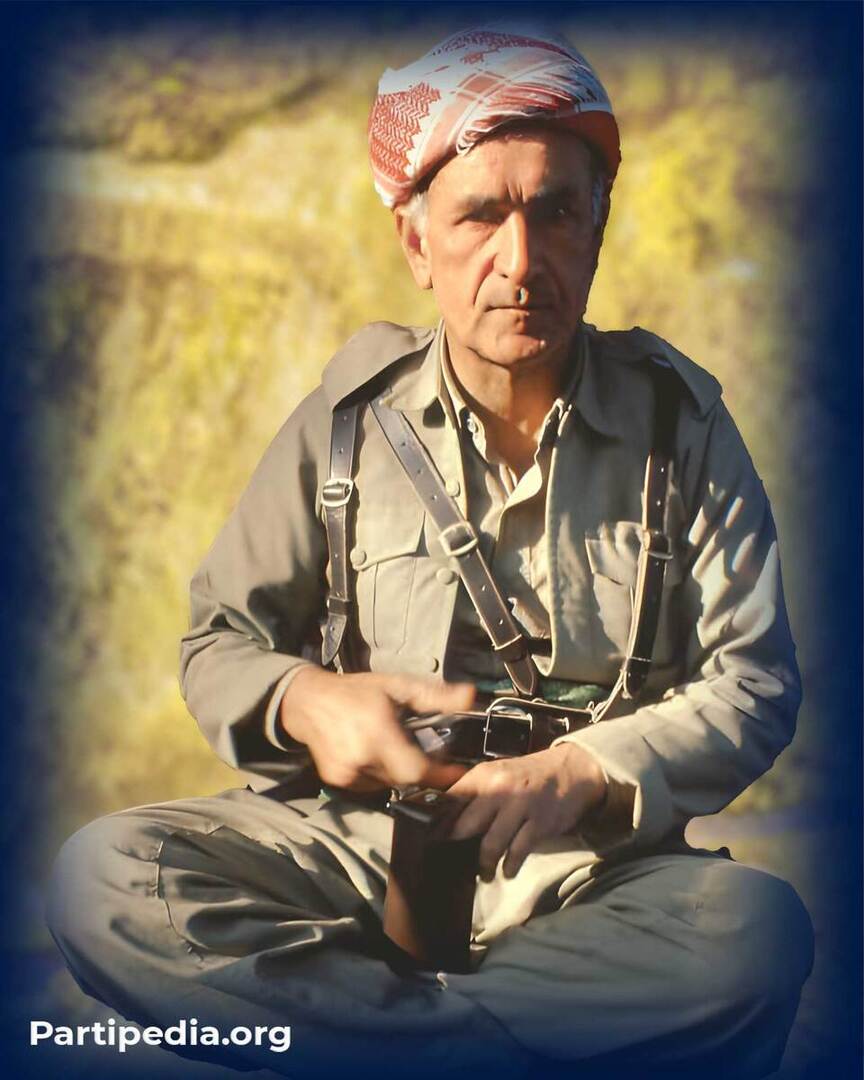
His father, Dr. Saeed, known as the Lion of Barzan, participated in the first Barzani revolution of 1932 and the Xelil Khoshevi movement of 1935, and was martyred with a group of his friends at the hands of Turkish Gendarmerie forces in the mountain battle of Govend in Northern Kurdistan on September 15, 1935.
Dr. Said was born in 1930 in the village of Bedudi, in the Piran district of the Margesor district of the Erbil province. On June 21, 1932, after the defeat of the first Barzan revolution, he emigrated to the Republic of Turkey with his family. On November 11, 1945, after the defeat of the second Barzan revolution, he emigrated to Eastern Kurdistan and settled in the town of Shino. He lived with Biklal Ililna Novya in the Soviet Union. They had a son named Aziz Said, who was born in 1958. He received a doctorate in contemporary history. He was fluent in Kurdish, Turkish, Russian, Persian and Arabic.
Worksheet
Saeed Ahmed Nadir participated in the second Barzan revolution in 1944 and participated in the battle of Meydan Morik on September 5, 1945. On November 11, 1945, after the defeat of the second Barzan revolution, he emigrated to Eastern Kurdistan. On March 31, 1946, he served as a Peshmerga in the Barzani force under the army of the Democratic Republic of Kurdistan in Mahabad. On May 3, 1946, he participated in the Mil Qerani battle on the Saqiz front in Eastern Kurdistan.
He was one of the Peshmerga who returned to the Sherwan and Mizur districts of Northern Kurdistan on April 19, 1947, via the Khwakurk and Deshta Beraz Girve routes. After their return, General Mustafa Barzani On May 6, 1947, he held a meeting with his friends in the village of Ergush and advised them to stay or go to the Soviet Union. There, all his friends decided to continue and go to the Soviet Union. On May 23, 1947, with General Mustafa Barzani They marched towards the Soviet Union and participated in the Battle of the Qir Valley and the Battle of Mako Bridge. After great hardship and exhaustion, on June 18, 1947, they crossed into Soviet territory at the Aras River, which forms the border between Iran and the Soviet Union.
After their arrival in the Soviet Union, on June 19, 1947, they were detained with all their comrades in the city of Nakhchivan, Azerbaijan Republic, for forty days in a Saravel compound surrounded by barbed wire and guarded by a group of soldiers, and were treated as prisoners of war, with no mercy and no mercy. Then, by the decision of the Soviet Government, they were divided into the Aghdam, Lachin, Ayulakh and Kalbajar regions of the Azerbaijan Republic. On January 10, 1947, they were transferred to a military base on the Caspian Sea in Baku, the capital of the Azerbaijan Republic, and on the 23rd of the same month, they were given military uniforms and were given eight hours of daily military training under the supervision of officers of the Azerbaijan Republic, and they were awarded the rank of officer. At the same time, they were given Kurdish language lessons for up to four hours a day by some of their friends who were literate.
After Jafar Bakirov's cruel treatment of their comrades, a decision was made on August 29, 1948, to transfer them from the military camp in the Republic of Azerbaijan to the Chirchuk camp near Tashkent, the capital of the Republic of Uzbekistan, where military exercises continued.
In March 1949, he and his friends were distributed in groups and teams by boat and train to the villages of the Soviet Union. In the Kolkhoz areas, they rented land from the people and then worked on the government's part.
After much effort and sending several letters to Stalin by General Barzani, Stalin finally received a letter in which Barzani mentioned the circumstances of his friends and he immediately decided to form a committee to investigate the situation of Barzani's friends and finally the committee's decision was to gather them all in the city of Virivsky. For this purpose, in November 1951, he went to the city of Virivsky in the Soviet Union. In 1954, at the request of the General Mustafa Barzani He is heading to Moscow to complete his university studies.
After the July 14, 1958 revolution in Iraq and the return of General Mustafa Barzani, on February 25, 1959, and in accordance with the third and seventh articles and paragraph (A) of the tenth article and the operation of article 11 in accordance with the adoption law No. 19 of 1959, he and his friends were granted a general amnesty and on April 16, 1959, he returned to Kurdistan with his friends on the ship Grozia via the port of Basra in the south of the Republic of Iraq and became a Russian language translator at the Baghdad Military College. On November 5, 1960, at the invitation of the Central Committee of the Communist Party of the Soviet Union on the anniversary of the October Revolution, Mustafa Barzani He studied in the Soviet Union and received his doctorate in contemporary history in 1965. He returned to Baghdad in 1970 and was established as a professor of history at Baghdad University from 1971 to 1974.
In 1973, due to the tension between the leadership of the Kurdistan Democratic Party and the Ba'ath Party, he joined the Peshmerga forces for the third time and in 1974 he participated as a commander in the battles of Zozik, Sertiz and Geruya Omar Axa on the border of Erbil province. In 1975, after the defeat of the September Revolution, he went into exile in the Iranian monarchy. In 1979, he was elected as a member of the Central Committee of the Kurdistan Democratic Party at the ninth congress of the KDP and became the commander of the Barzan force that same year. In 1987, he was one of the commanders of the Battle of Margasor on the border of Erbil province. In 1988, he participated in the Battle of Xwakurk as the commander of the Barzan force. In 1991, he actively participated in the uprising in Southern Kurdistan and was one of the people who planned the liberation of the city of Kirkuk. From 7 to 14 April 1991, he was in command of the epic battle of Korê, which led to the defeat of the Iraqi forces. In 1993, he became a member of the Barzan district's high council. On 16 August 1996, for his service in the September Revolution, the May Revolution, the Southern Kurdistan uprising, and the period of sovereignty, he was awarded the title of Commander-in-Chief by the President on the 50th anniversary of the KDP's golden anniversary. Masoud Barzani He was awarded the Barzani Medal of Honor. On February 5, 1999, Pirmam passed away and was buried in the presence of Nechirvan Barzani Presidential Representative Masoud Barzani and Sheikh Muhammad Khalid Barzani and a significant number of his followers and friends were buried in the cemetery of the village of Barzan.
His works:
Life and resistance - where history shows sovereignty 1997.
Source:
1- Al Dr. Saeed Al Barzani Al Teheq Birkeb Al Khaledin, Mucelle Gulan, Muessese Gulan Al Ilamiye, Al Adad 33, Al Sena Al Asalisa, Erbil, Al Saqafa Ministry Press 25, February 1999.
2- In January, Dr. Said fought, Birayeti newspaper, the organ of the Kurdistan Democratic Party - United, number 2899, Hewler, Wednesday, March 17, 1999.
3- Birayeti, Dr. Saeed, the Peshmerga chose the path of resistance, Birayeti newspaper, Organ of the Kurdistan Democratic Party - United, issue 2772, Hewler, Monday, February 8, 1999.
4- Sherzad Abdulrahman, Death but in a different form, Birayeti newspaper, the organ of the Kurdistan Democratic Party - United, number 2771, Hewlêr, Sunday, February 7, 1999.
5- Dr. Saeed Barzani arrived at the caravan of the dead, Brirayeti Newspaper, the organ of the Kurdistan Democratic Party - United, number 2771, Hewler, Sunday, February 7, 1999.
Hamid Gewheri, Barzani Medal, the highest literary award, first edition, (Hewler - Barzani Charity Organization - Haji Hashim Publishing House 2015).
Habib Muhammad Karim, History of the Democratic Party of Kurdistan in Iraq (In the Context of the Revolution) 1946 - 1993 (Dihok - Xebat Press 1998).
Hamid Effendi, Destan Korê 8/4 and 9/4/1991, Birayeti Newspaper, Organ of the Kurdistan Democratic Party, Issue 3063, Hewlêr, Thursday, April 6, 2000.
Dr. Saeed Barzani arrives at the caravan of the immortals, Brirayeti Newspaper, the organ of the Kurdistan Democratic Party - United, issue 2771, Hewlêr, Sunday, February 7, 1999.
Saeed Al Barzani, Masire Al Sharaf Al Barzaniya Am 1946, Al Taxi newspaper, Al Aded 1106, Baghdad, Al Times Press, Al Selasa, 8 Ab 1972.
Sherzad Abdulrehman, "The life and resistance of Dr. Said Ahmed Nadir, which shows the history of sovereignty", Alqey Ekham, Birayeti newspaper, issue 2270, Thursday, November 7, 1996.
Eli Kemal Berzi, Famous Kurdish Figures in the Twentieth Century, first volume, (Hewlêr - Berzi Project - Zanko Press 1999).
Fawzi Al Atrushi, Ali Dr. Saeed Al Barzani Al Azimat Waqfa, Xebat newspaper, Al Hizb Al Demoqratî Al Kurdistanî ـ Al Muhed, Al Aded 911, Erbil, Alcim February 12, 1999.
Masoud Al Barzani, Al Barzani Wel Hereke Al Tahririye Al Kurdiye, Al Cuz Al Awal, Al Tabiya Al Saniye, (Beirut - Kawa Lil Seqafe Al Kurdiye 1997).
Salih Yusif Sofi, chronology of Kurdistan and the world, first edition, second cover, (Duhok - Duhok Province Press - 2013).
In the context of the golden jubilee celebrations, the President Masoud Barzani Barzani awards medals to fighters and mothers of martyrs, Gulan magazine, organ of the Kurdistan Democratic Party, issue 84, Hewlêr, September 1, 1996.
Masoud Barzani, Barzani and the Kurdish Liberation Movement 1931 - 1958, (Duhok - Xebat Press - 1998).
Hamid Gerdi, the history of the book, first edition, (Hewlêr - Aras Publishing and Distribution Agency - Ministry of Education Press - 2004).
The final pulse of the Al-Faqid Dr. Saeed Al Barzani, Xebat newspaper, Language of the Democratic Party of Kurdistan - Al Muhed, issue 911, Erbil, Friday, February 12, 1999.
Sabri Çawşin Xano, Unfairness in History, (Hewlêr – Rojhilat Press - 2018).