


Biography
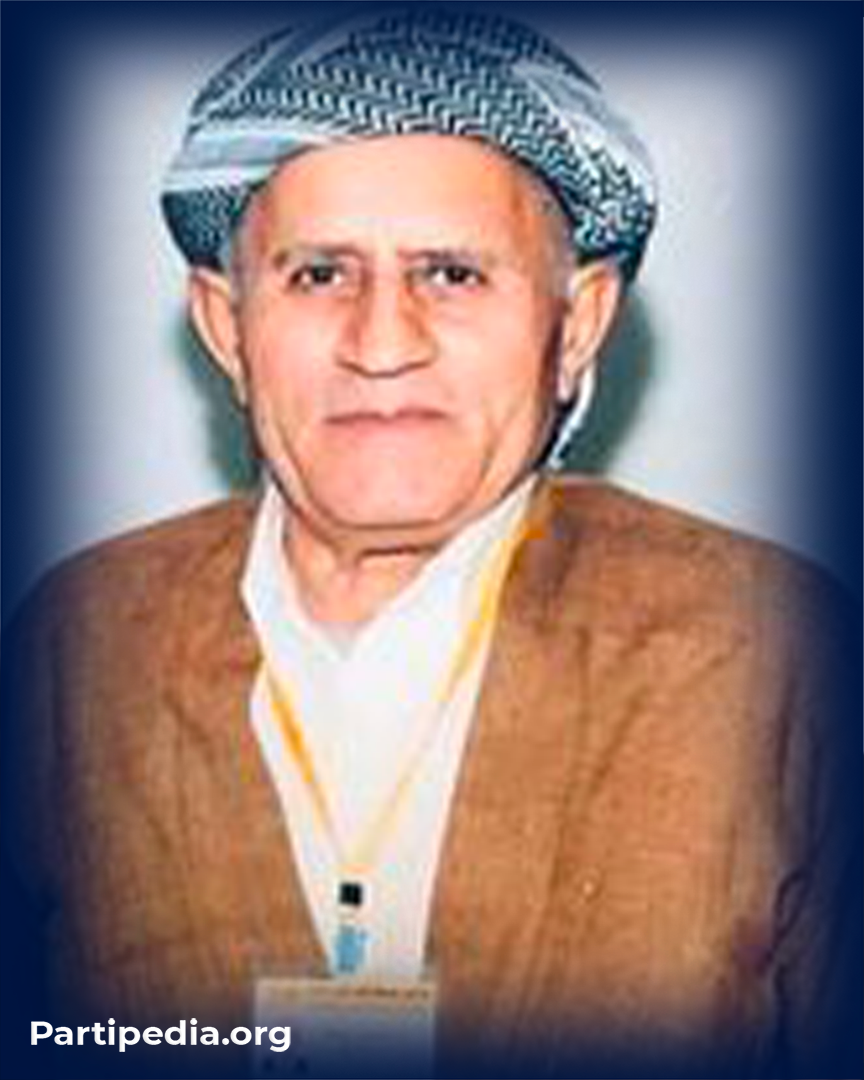
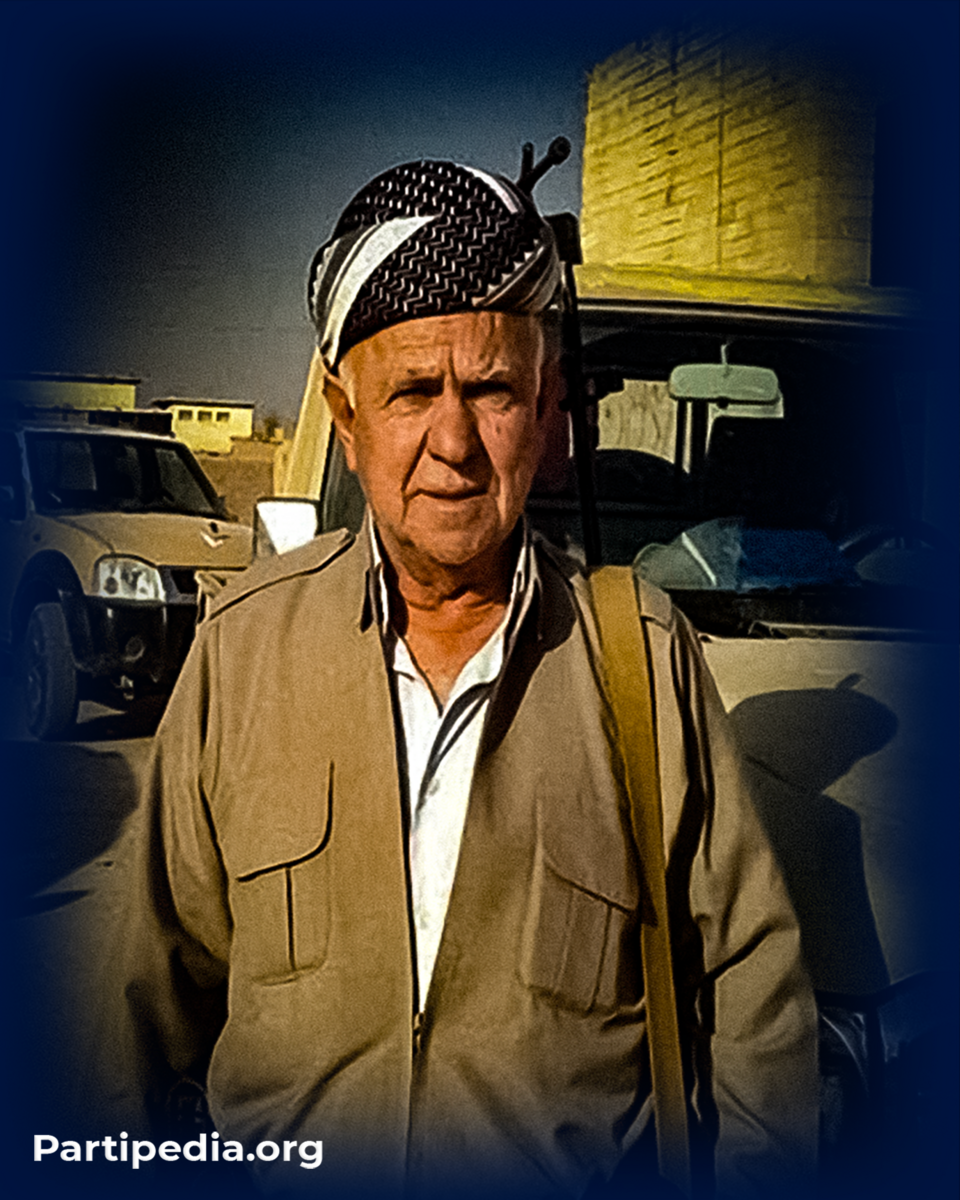
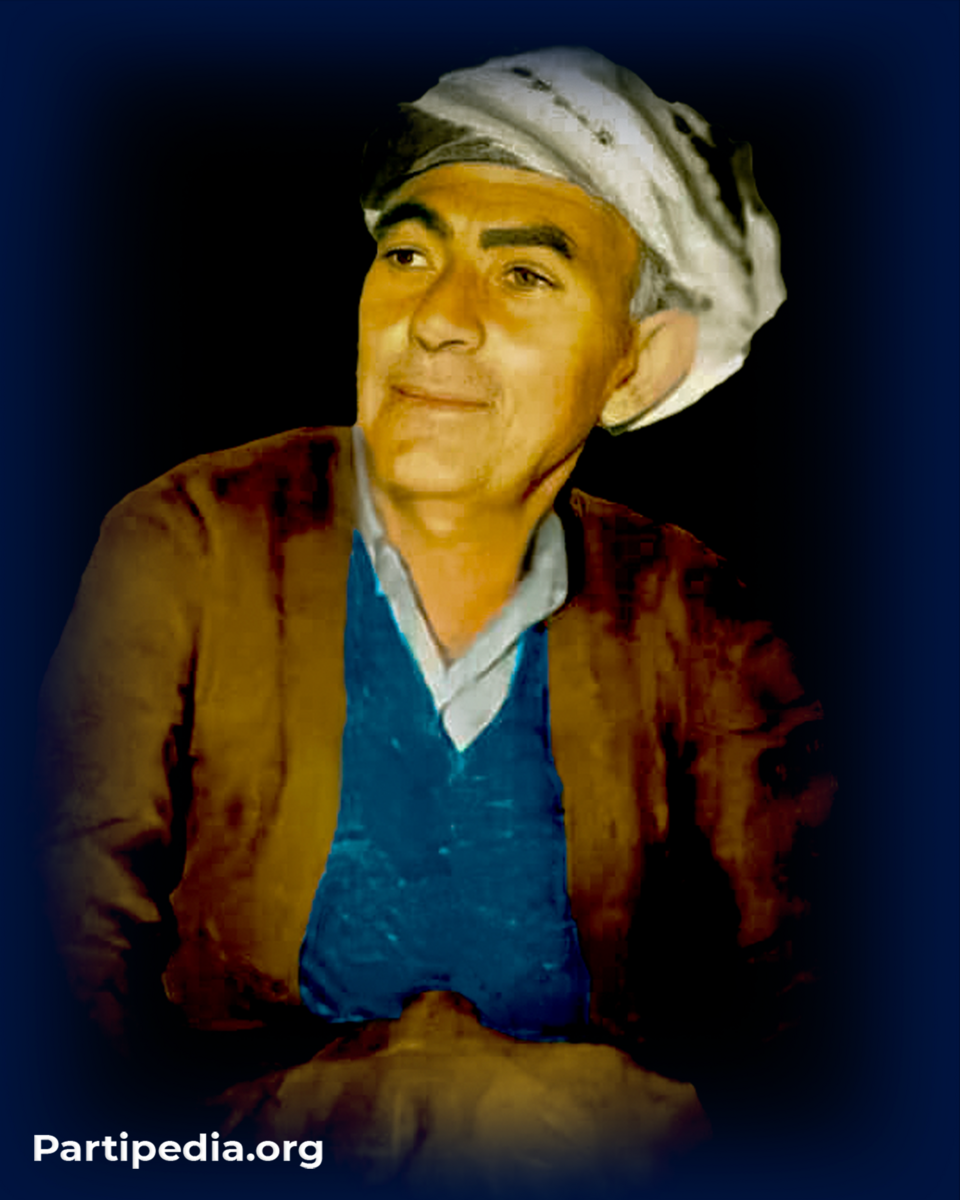
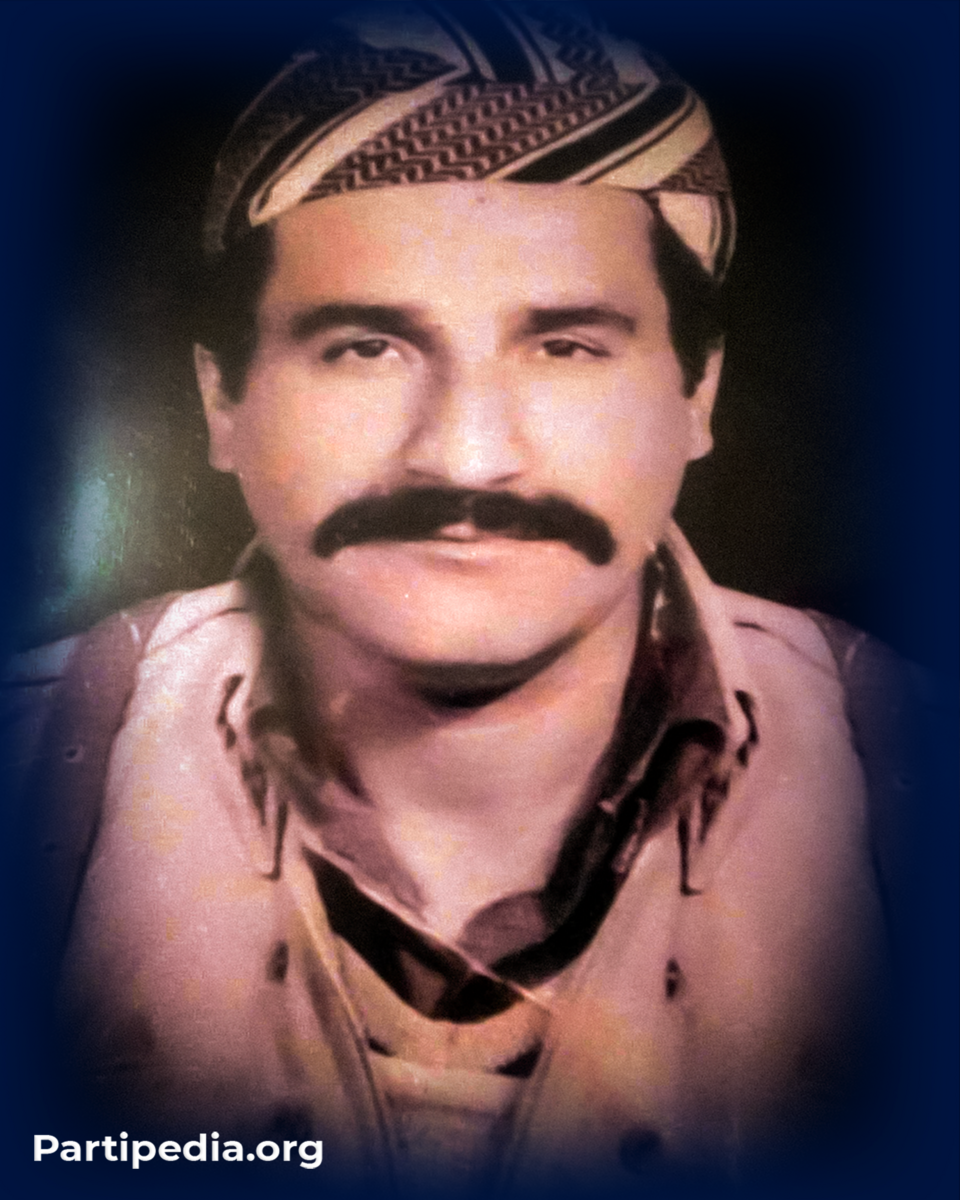
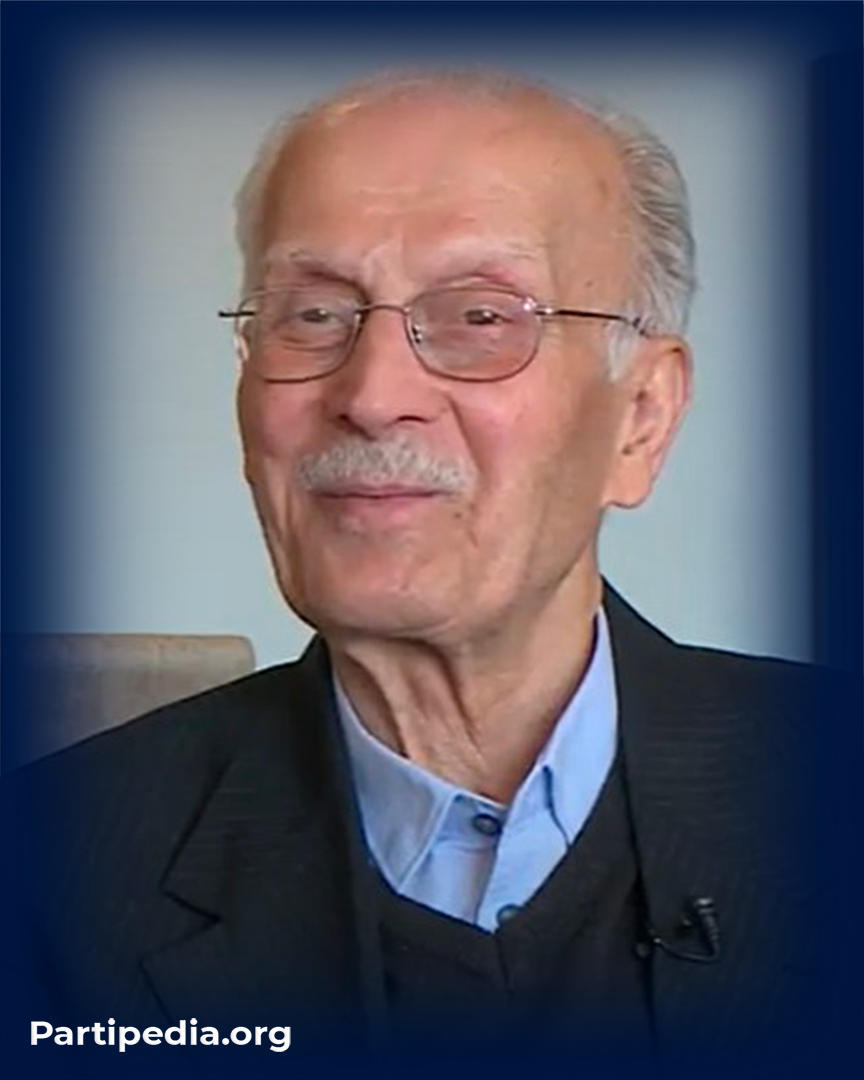
Shawkat Mullah Ismail Hassan was born in 1937 in the Gwêja neighborhood of Sulaymaniyah. He completed his primary, secondary and high school education in Sulaymaniyah. In 1957, he went to Baghdad to study at the police college and graduated with the rank of officer in 1961. He was later assigned to the mobile police.
Shawkat Mullah Ismail Hesen joined the ranks of the Iraqi army on December 1, 1961, after the start of the Great September Revolution. September Revolution Perhaps because of his expertise in the Bethel apparatus, he was established at Barzani's headquarters and within ten days he was able to put the Revolutionary Bethel into operation between Barzani's headquarters and the Peshmerga forces, and in the same year he became Head of the Revolutionary Bethel Department.
In 1962, he managed to establish the first Bethel code between the central Bethel office at Barzani's headquarters and all the Bethel cells of the Peshmerga forces and the bases of the Kurdistan Democratic Party, and to establish a network of alliances between them, thus protecting most of the activities of the Peshmerga forces and the KDP leadership from interference. He was an expert in interpreting the Bethel codes of the Iraqi forces for the interests of the revolution.
In 1970, after the March 11 Agreement, he was established as the commander of the third battalion of the border protection forces and was tasked with the responsibility of the KDP's Kirkuk force.
In 1974, after the Iraqi government refused to implement the March 11 agreement and resumed its attacks on the revolution, he returned to the Peshmerga Forces and served as the commander of Betela. September Revolution was established in 1975, after the defeat of September Revolution, surrendered to the Iraqi government and was exiled to the city of Samawa in southern Iraq. During his exile, he did not abandon his Kurdish identity and began writing a Kurdish-to-Kurdish, Kurdish-to-English, and English-to-English dictionary.
Then, in 1991, after the uprising of the people of Kurdistan, he returned to Sulaymaniyah and after the establishment of the Kurdistan Regional Government in 1992, he attained the rank of major general in the police forces. In 1994, he retired at his own request and went outside the Kurdistan Region and settled in Germany.
From his works:
- 1985 Kurdish-English Dictionary.
- Kurdish-Kurdish dictionary.
- English-English dictionary.
- 2006 Translation of Tawfiq Wehbi's book entitled (Yezidis are the remnants of Mithraism).
- In 2007, a Kurdish dictionary was published for the Kurdish Shepherd.
- The Book of His Days September Revolution (1961-1975).
- In 2008, a Kurdish-English dictionary was published for teachers.
Source:
- 1. Archives of the Encyclopedia Committee of the Kurdistan Democratic Party.