

Biography
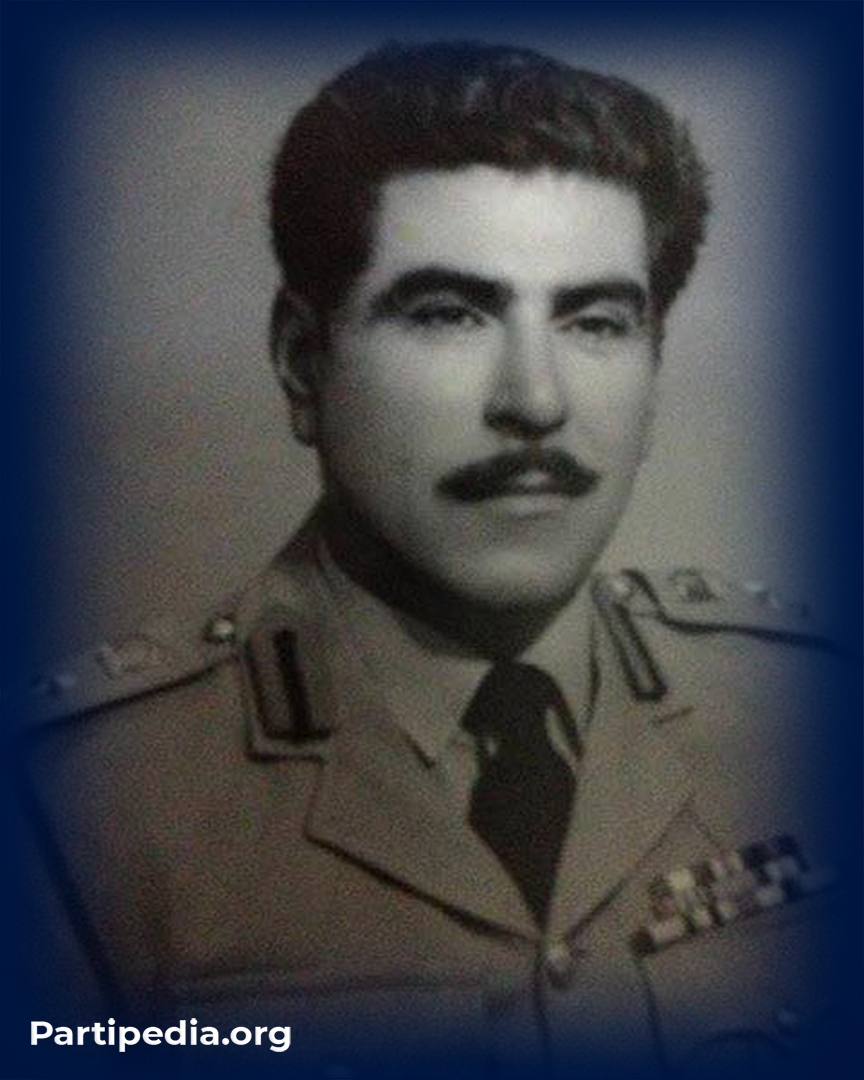
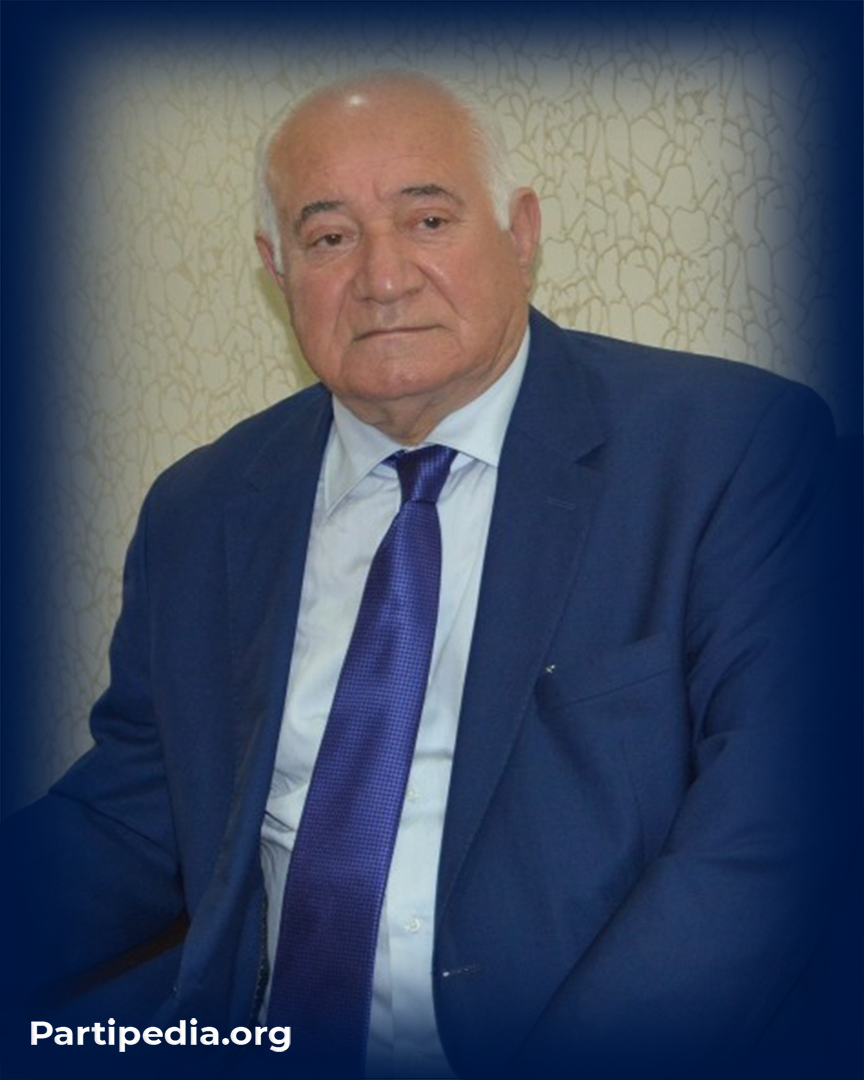
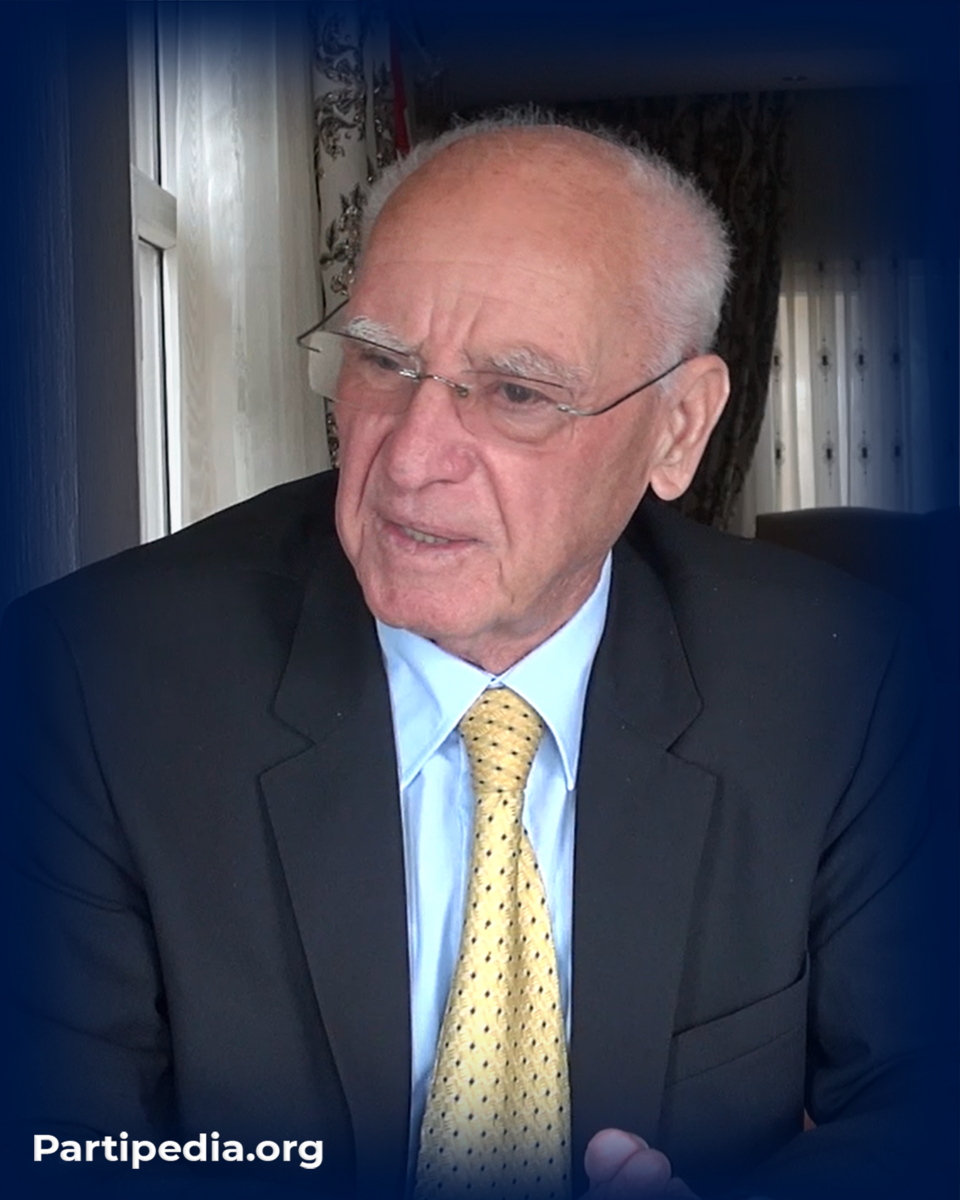
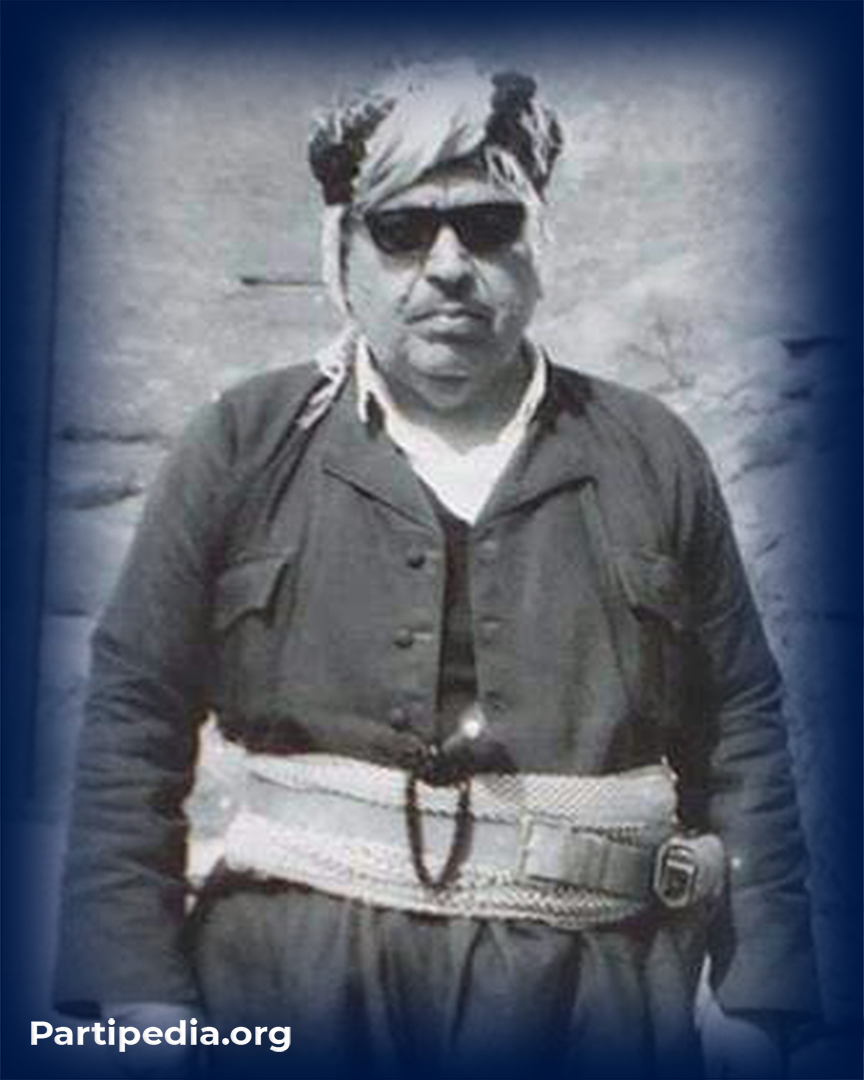
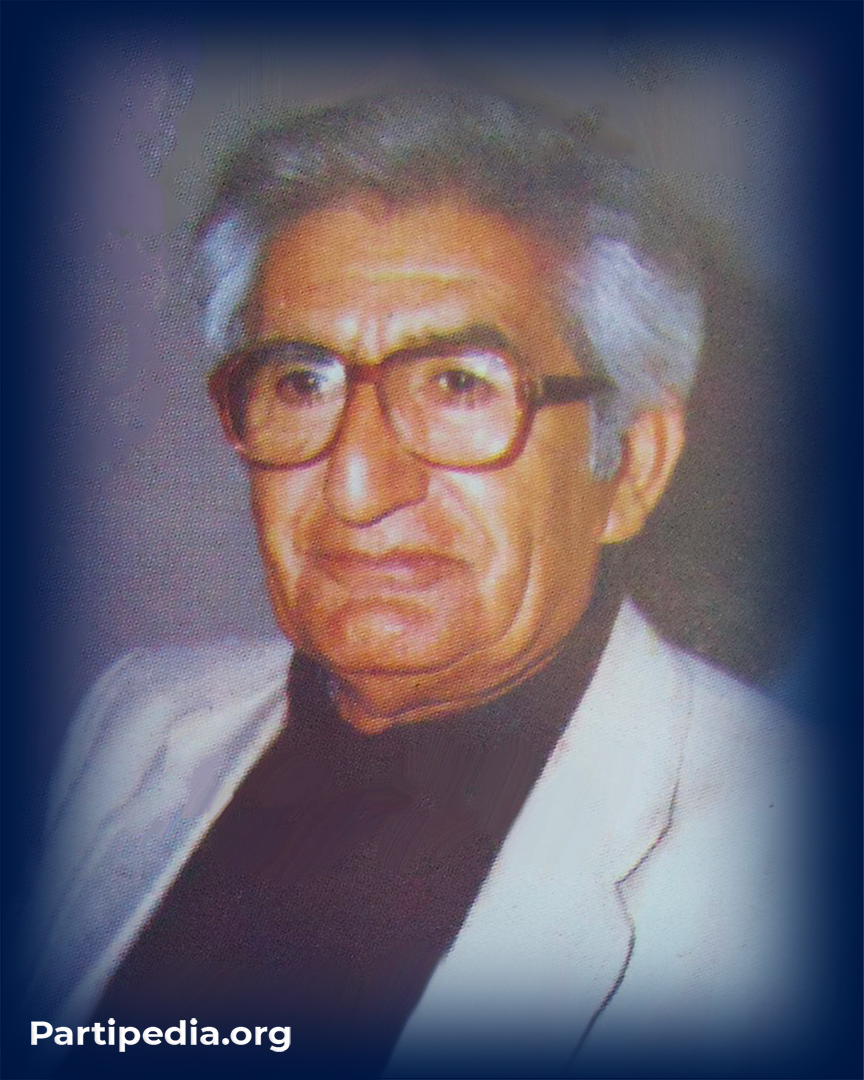
Hilmi Ali Sharif was born in Sulaymaniyah in 1930. In 1948, he was arrested in Sulaymaniyah during a demonstration against the Portsmouth Treaty between the British Empire and the Iraqi Empire and was sent to Baqubah Prison. He was later released and remained in that city as a prisoner of war and exile. In 1949, he completed his preparatory course in Baqubah as an exile.
He was admitted to the College of Engineering at Baghdad University in 1949. He was admitted to the College of Political Sciences at Baghdad University in 1968. He received his bachelor's degree in Law from Mustansiriyah University in Baghdad in 1976. He passed away on July 4, 1998 in Baghdad due to illness and was buried in the Seywan cemetery in Sulaymaniyah. He was proficient in Kurdish and Arabic.
Worksheet
Hilmi Ali Sharif was imprisoned for two years by the Iraqi authorities for his political activities in 1950. In 1951, he joined the ranks of the Kurdish Democratic Party, one of the favorites of the lawyer Hamza Abdullah Omer (1915 - 1998). In 1953, he was a member of the Founding Committee of the Kurdistan Qutb Union, and in the same year, he became a member of the Preparatory Committee of the first congress of the Kurdistan Qutb Union, and was elected a member of the Executive Committee at the congress.
On July 16, 1958, he participated in the meeting in Sulaymaniyah to send a Kurdish delegation to the Iraqi Ministry of Defense and support the Iraqi government's support for the Iraqi monarchy through the army and the Iraqi people. In the same year, he became the head of the Khanaqin District Committee of the Kurdistan Democratic Party. On January 8, 1960, he was elected as a member of the Founding Committee of the Kurdistan Democratic Party for the working phase and in 1960, at the fifth congress, he was elected as a substitute member of the Central Committee of the Kurdistan Democratic Party.
In 1961, he was in charge of the Germiyan and Germesir Peshmerga forces. In 1963, he commanded the battle of Horin village in the Khanaqin area of Diyala province against the Iraqi Communist Party forces. In the same year, he was injured in an attack by the Iraqi Communist Party forces at the Belule Gate in the Khanaqin area and was forced to retreat. In 1963, he became the head of the Voice of Kurdistan (Radio) in Girderesh, on the border of Sulaymaniyah province.
In 1964, at the sixth congress of the Kurdistan Democratic Party, he was expelled from the ranks of the Kurdistan Democratic Party due to his support for the Political School faction and his involvement in the coup. In the same year, he went to Hamedan in Iran with the forces of the Political School faction and remained there until 1965, when he was pardoned and released by the President. Mustafa Barzani (1903 - 1979) has entered and returned to Southern Kurdistan.
On December 28, 1966, Jalal Talabani (1933 - 2017) and lawyer Omer Mustafa and Ali Askari He secretly crossed the border into the Iraqi government's territory, where he stood against the Peshmerga forces of the September Revolution, and commanded an armed force of the Ibrahim Ahmed group. Jalal Talabani They were armed by the Iraqi army and attacked the Peshmerga strongholds of the September Revolution on the border of Sulaymaniyah province. They initially succeeded but were later defeated.
In 1966, with the aim of communicating with Jalal Talabani He visited the village of Kaloshi by helicopter with Abdul Khaliq Samarayi. On June 19, 1966, in Baghdad, he held separate meetings with Dr. Abdul Rahman Bezaz (1914 - 1973), Prime Minister of Iraq, and Lieutenant General Abdul Rahman Muhammad Arif (1916 - 2007), President of the Republic of Iraq, with the aim of cooperating with the Iraqi army against the Peshmerga forces of the September Revolution.
On January 27, 1970, the last meeting was attended by Ibrahim Ahmed and his group. Jalal Talabani He was killed in the Kurdistan Democratic Party and was not ready to accept him into its ranks again. In 1972, he became a member of the leadership of the Kurdistan Revolutionary Party under the Arab Socialist Ba'ath Party regime. He passed away on July 4, 1998 in Baghdad due to illness.
His works:
The Epic of Newroz and Newroz of Kurdistan 1991.
Geopolitics and the State and Foreign Policy and the Destiny of the World 1995.
Two political studies 2001.
A comparison between 1966 and 1996.
Gorbachev's memories, beliefs, and actions were in the balance in 2014.
Source:
1- Archives of the Encyclopedia Committee of the Kurdistan Democratic Party.
2- History of the Kurdistan Democratic Party, congresses and conferences (program and internal proceedings), Encyclopedia Committee of the Kurdistan Democratic Party, first volume, (Hewlêr - Roksana Publishing House - 2021).
3- Ali Sinjar, Al Qeziye Al Kurdiye Wel Hizb Al Ba'as Al Arabi Al Ishtiraki fî Al Iraq, Al Aciz Al Sales, (Dihok - Matbaa Xanî 2012).
4- Chris Kotchera, The Civil War, Translated by Ibrahim Yunisi, second edition, (Tehran - Muessese Antisharat Nigah 1377 Shamsi).
5- Şiwan Mihemed Emin Teha Khoshnaw, A study of the political situation in Hewlêr between the years (1958 - 1963), (Hewlêr - Rojhilat Press 2012).
6- Şiwan Mihemed Emin Teha Khoshnaw, A historical study of the political situation in Hewlêr between 1963 and 1970, (Hewlêr - Salaheddin University Press 2016).
7- Cemal Nebez, A Memoir of Those Days That Will Never Return, (Sulaymaniyah - Şivan Press 2917).
8- Shawkat Xeznedar, The Journey and Relations of the Shiite Iraqi Hizb - My Story of the Intrusion, (Beirut - Dar Al Kinuz Al Adabî 2005).
9- Achraj Talabani and Hilmi Sharif, At Laat Newspaper, issue 12017, Tehran, Saturday, July 11, 1345 AH, page 3
10- Habib Muhammad Karim, History of the Democratic Party of Kurdistan in Iraq (In the Main Chamber), 1946 - 1993 (Dihok - Xebat Press 1998).
11- Hilmi Ali Sharif, two political studies, (Sulaymaniyah - Serdem Publishing House 2001).
12- Masoud Al Barzani, Al Barzani and the Kurdish Tahrir Movement, Al Mujalad Al Salis, (Erbil - Ministry of Education Press 2002).
13- Mahmud Osman, The Revolution of Kurdistan, (Unknown Works - Kurdistan Democratic Party - Political School 1970).
14- Ali Sinjar, Al Qeziye Al Kurdiye Wel Hizb Al Ba'as Al Arabi Al Ishtiraki fî Al Iraq, Al Ciz Al Sales, (Dihok - Matba Xanî 2012).