


Biography
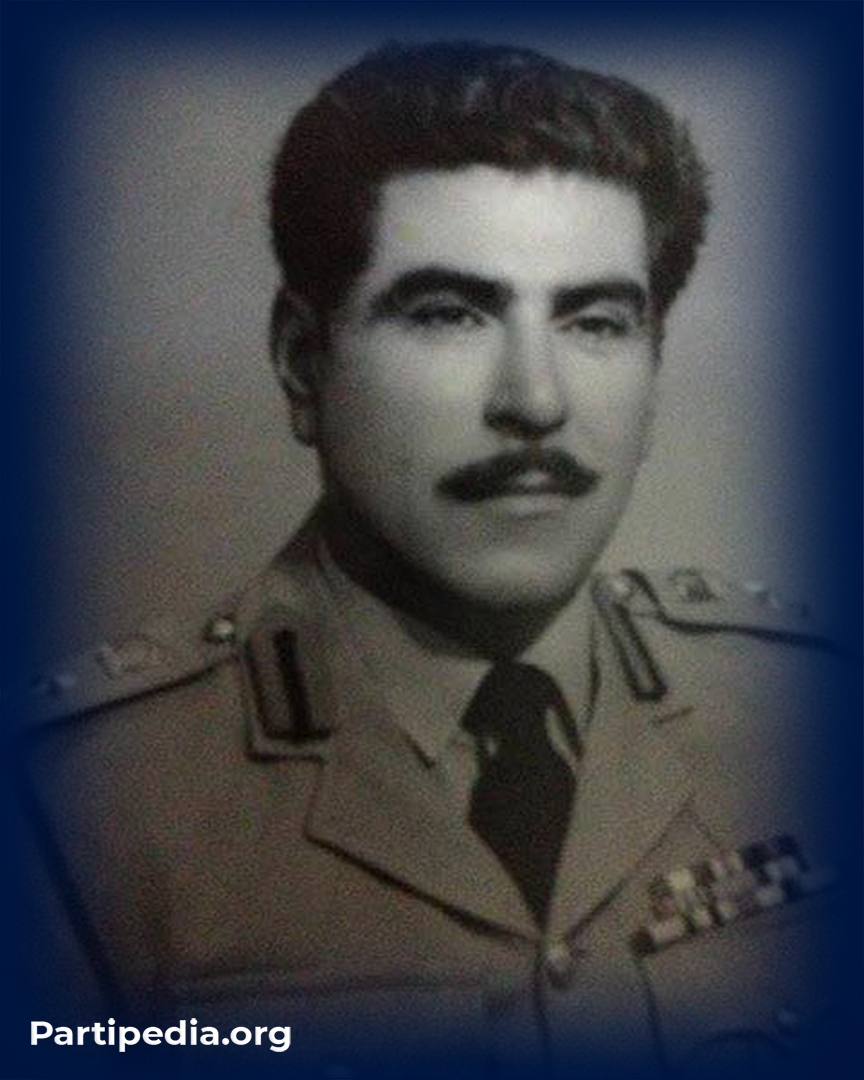
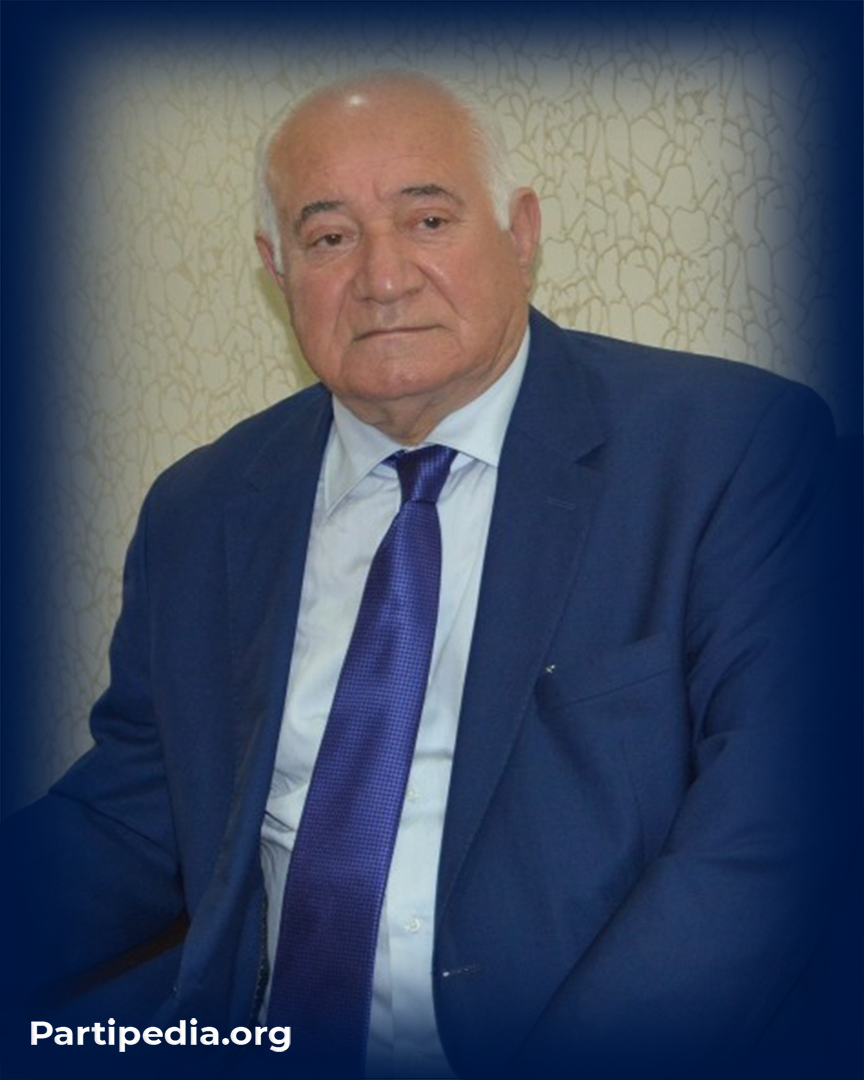
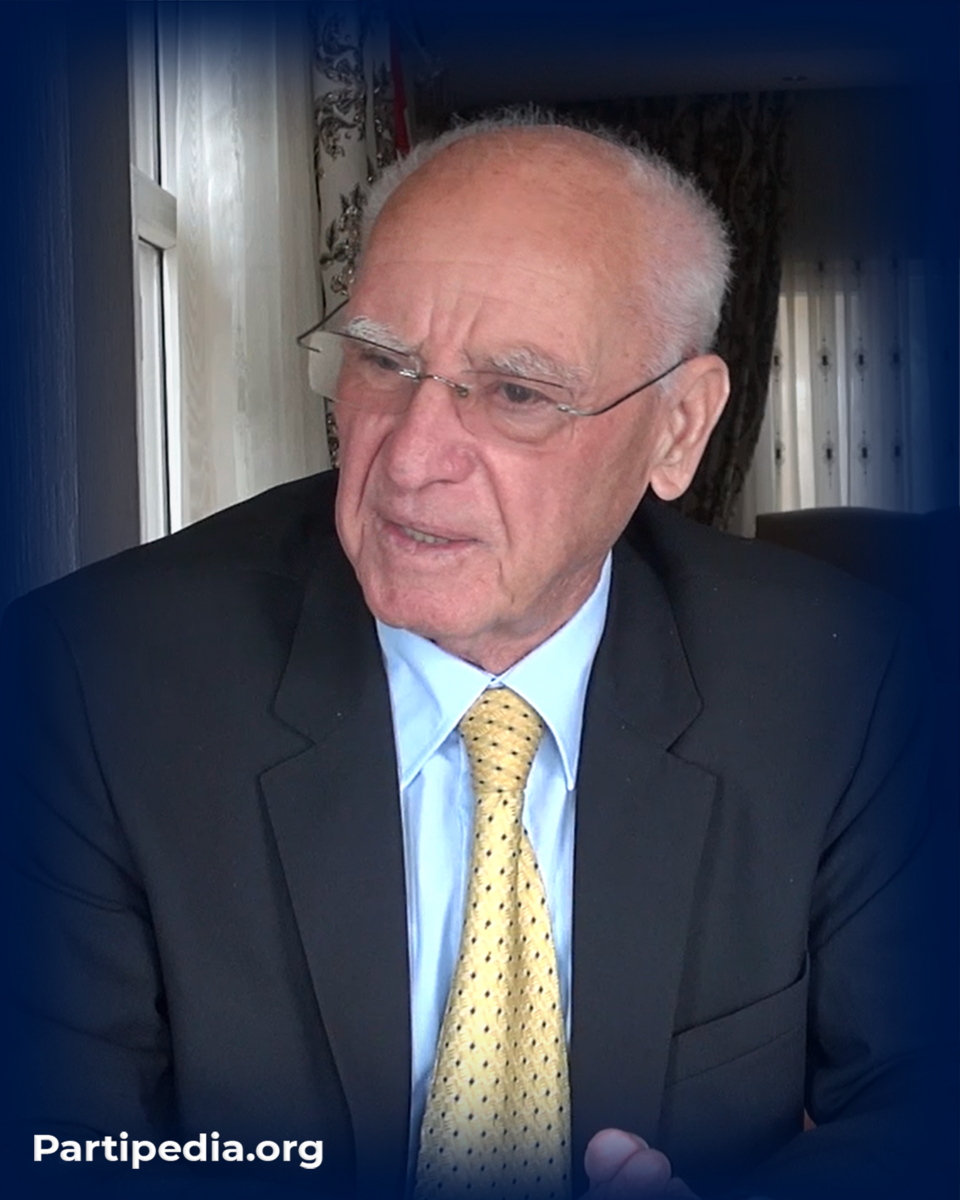
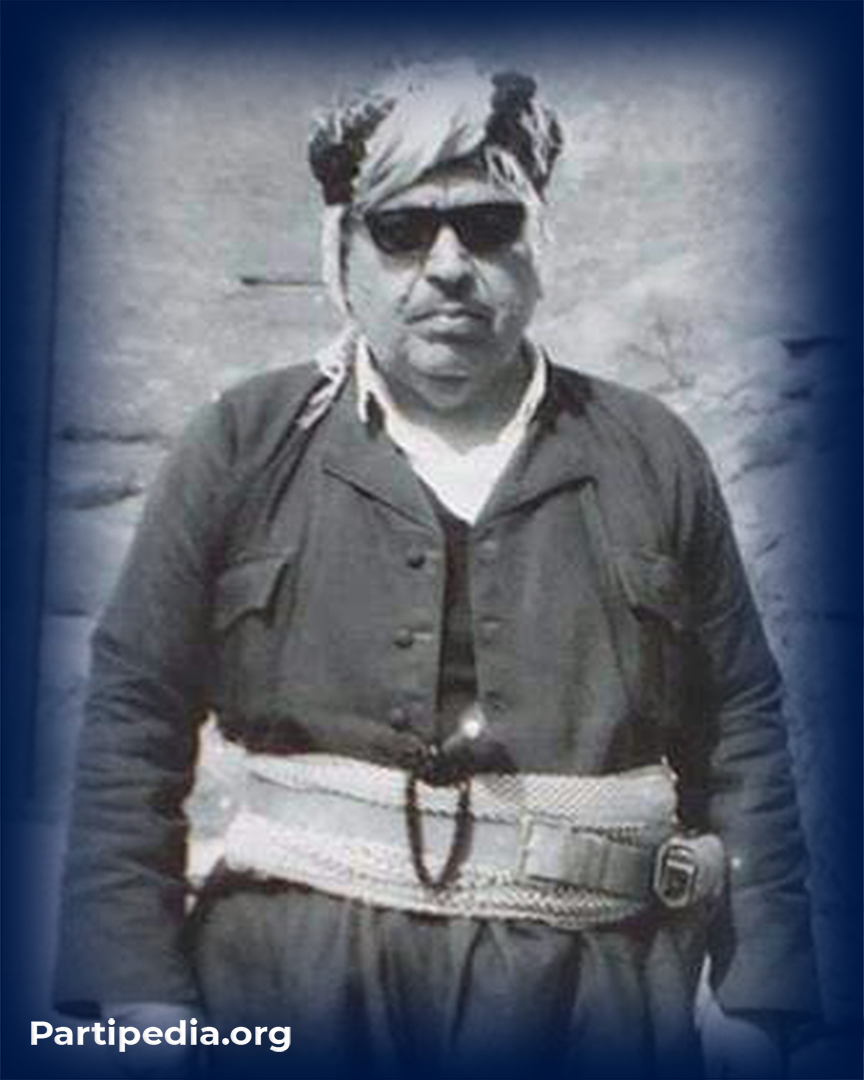
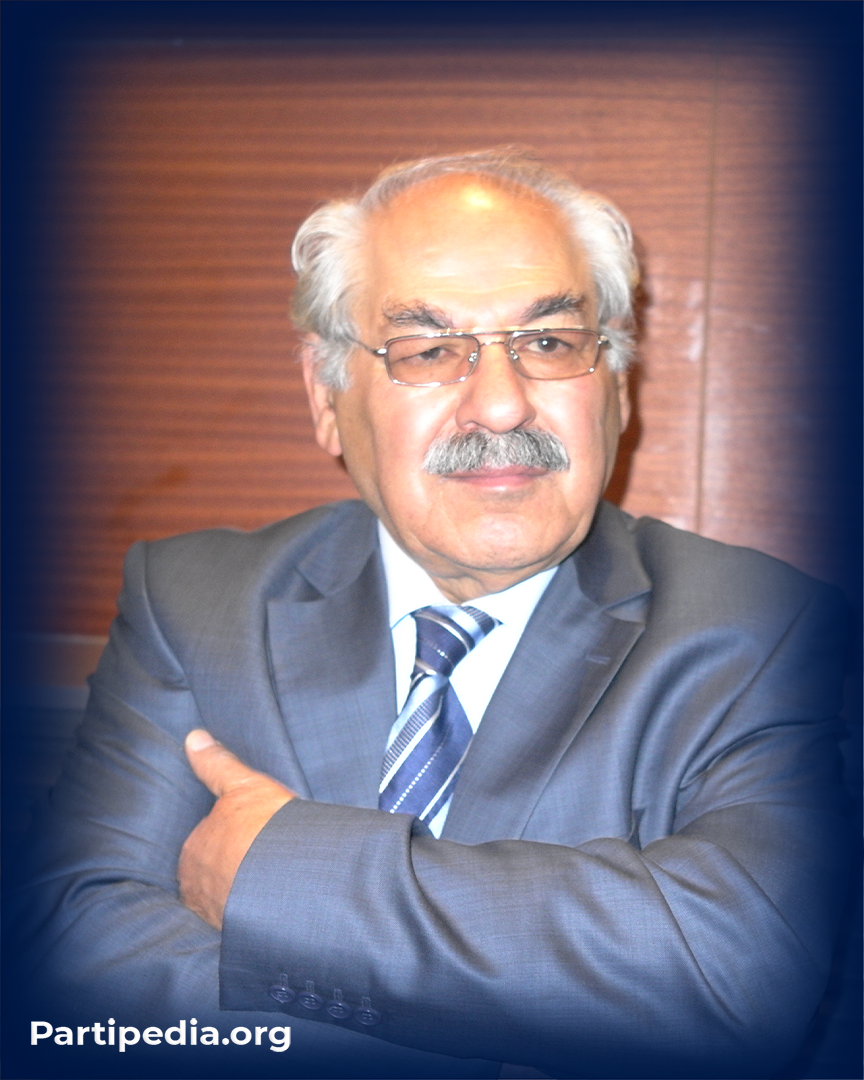
Felakedin Kakeyi was born in Kirkuk in 1943, a follower of the Yarsan religion and from the Sayyid Mustafai family of the Yarsan elders. His father, Sayyid Sabir Sayyid Hamudi (1907-1988), was a tribal leader and poet. He was a student at the central school in Kirkuk in 1957. He graduated from high school in the science department in 1962. In 1962, he published his first short story in Kurdish in the newspaper Vîn in Sulaymaniyah, entitled (Khwazrawî Law). In 1964, he married Wasfiya Rashad Sulêman. In 1964, he began writing in Arabic for newspapers and magazines. In 1964, he entered the communications department at Baghdad University. In 1966, he published his first novel in Arabic, entitled (Bîtaqet Yanesîb). writes, published in 1967, in 1967 he dedicated several of his writings to environmental protection and became known as an activist in this field.
In 1975-1991, after the defeat September Revolution He went to Iran as a refugee and returned to Kurdistan after the Kurdistan Uprising and settled in Erbil. At the end of 1985, he wrote the book (Qaddafi and the Kurdish Question) under the name Saber Ali Ahmed, and in 1986 it was prepared for publication and published in 1986. At the end of 1989, he became the editor-in-chief of Bang magazine, the organ of the Kurdistan Writers' Association. From November 15 to 17, 1991, he was elected as the vice president of the Kurdish Writers' Union by the representatives of the Seventh Congress of the Kurdish Writers' Union (Freedom Congress). In 1992, he became the vice president of the Kurdish Writers' Union. In 1993, he published articles in the Arabic-language newspaper Al-Mu'temr. On September 26, 1996, he was appointed Minister of Education in the third cabinet of the Kurdistan Region. On December 20, In 1999, he was sworn in before the Kurdistan Parliament and appointed as Minister of Education in the fourth cabinet. On Wednesday, July 4, 2000, he opened the Mukriyani Publishing House in Erbil. On Tuesday, December 30, 2001, he attended the second congress of the Kurdistan Journalists' Union in Erbil. On August 15, 2001, he resigned as Minister of Education of the Kurdistan Region. On August 15, 2001, he was appointed as Minister of the Region in the fourth cabinet. On Tuesday, December 31, 2001, he attended the second congress of the Kurdistan Journalists' Union in the Media Hall in Erbil. In April 2003, he became the owner of the magazine Nowshafaq and the newspaper Basere. From April 2003 to February 2005, he was the editor-in-chief of the third issue of the Arabic-language newspaper Al-Taxi. He was born in Baghdad after the fall of the regime of Saddam Hussein (1937-2006), known as Saddam Tikrit. In 2003, he was a representative of the general congress of journalists of Kurdistan in Erbil. On May 7, 2006, he was appointed Minister of Education of the Kurdistan Region. In 2009, he was the editor-in-chief of the magazine Turkyanasi, and in 2010, he was the president of the Kurdish-Turkish Brotherhood Association and the owner of the magazine Turkyanasi.
He passed away on Wednesday, July 31, 2013, and was buried in Pirmam. He was fluent in Kurdish, Arabic, Turkmen, Persian, and English.
Worksheet
Falakaddin Kakeyi joined the General Students Union of Iraq in 1957, became active in the Kirkuk Farmers Union of the Iraqi Communist Party in 1960, worked with the Military Committee of the Iraqi Communist Party in Kirkuk in 1960, joined the ranks of the Kurdistan Democratic Party (KDP) in 1965, began working as a reporter and writer in the Arabic newspaper Al-Taxi under the names (A. Pirsheng), Xhidir Reşo and Al-Halaj, which was published in Baghdad by the Kurdistan Democratic Party, published an article under his name in the Arabic newspaper Al-Taxi on Monday, May 22, 1967, published an article under the name Al-Halaj in the same year, was arrested by the Iraqi authorities in 1967, joined the ranks of the Peshmerga Forces in 1967, in 1970 In 1972, he was the editorial secretary of the Al-Taxi newspaper. In 1972, he became a member of the Arabic section of the magazine (Shams Kurdistan). In 1972, he was awarded the prize by Idris Mustafa Sheikh Muhammad (1944-1987), also known as Idris Barzani, in memory of his work and the importance of his life. On March 31, 1974, as the editorial secretary, he signed a petition and condemned the occupation of the headquarters of the Al-Taxi and Baryati newspapers by the Iraqi authorities. In 1974, he joined the ranks of the Peshmerga Forces. On April 18, 1974, he represented the Kurdish Writers' Union at the Peace Palace Congress near the town of Choman in the Erbil province. In 1974, he was the editor-in-chief of the Dengê Kurdistan radio station.
In 1979, he was a member of the Supervisory Committee of the Ninth Congress of the Kurdistan Democratic Party (PDK). In 1979, he was elected as a member of the Central Committee of the Kurdistan Democratic Party (PDK) by the delegates of the Ninth Congress. At the end of 1979, he wrote news, articles and reports in Arabic and Kurdish for the Voice of Kurdistan under the name Sabir. In 1980, he was in charge of the communications department of the Kurdistan Democratic Party (PDK). In 1981, he taught method classes to students in the seventh year of the Kurdistan Democratic Party (PDK) Cadre Institute in the village of Rajan in Eastern Kurdistan. In 1981-1991, he was a member of the writers' committee and later the editor-in-chief of the Xebat newspaper, the organ of the Kurdistan Democratic Party (PDK) during the mountain era. In 1985, he became a member of the Political School of the Kurdistan Democratic Party (PDK). On July 16, 1985, he was appointed as the He was appointed as the head of the communications department and a member of the communications department. From October 30, 1985 to April 3, 1986, he was a teacher of the COD Front and the drafts and flags of the countries in the eighth course of the Kurdistan Democratic Party (PDK) Cadre Institute in the village of Rajan in Eastern Kurdistan. In 1986, he became a member of the Association of Democratic Writers, Journalists and Artists of Iraq. In 1988, he was elected as the first head of the Kurdistan Front's communications school. In 1989, he was elected as a member of the Central Committee of the Kurdistan Democratic Party (PDK) by the representatives of the Tenth Congress. In 1989, he wrote articles in the newspaper Xebat (El-Nidal), the organ of the Kurdistan Democratic Party, under the name Saber Ahmed. On December 13, 1990, he was appointed as the head of the Kurdistan Democratic Party's (PDK) relations for Kurdistan and head of the KDP's communications department.
In 1991, he was appointed by the Kurdistan Democratic Party (KDP) as a member of the Preparatory Committee for the Kurdistan National Council elections. From December 16, 1991 to February 18, 1992, he was a media and human rights teacher in the ninth course of the Kurdistan Democratic Party (KDP) Cadres Institute in the Pirmami town of Erbil province. In 1991, he was a member of the Kurdistan Democratic Party (KDP) election committee for the Kurdistan National Council elections. In 1992, he became a member of the Kurdistan National Council on the Kurdistan Democratic Party's list. On July 7, 1992, he was a member of the Culture Committee and Chairman of the Relations Committee of the Kurdistan National Council (first round). On July 22, 1992, he was appointed as the Chairman of the Yellow Faction of the Kurdistan Democratic Party (KDP) by proxy in the Kurdistan National Council. On Sunday, August 16, 1992, he gave an article published in the newspaper Xebat, the organ of the Kurdistan Democratic Party, in the years 1993-2001 he was the editor-in-chief of the newspaper Xebat, the organ of the Kurdistan Democratic Party (PDK), in 1993 he was a member of the Preparatory Committee of the Eleventh Congress, in 1993 he became the chairman of the proposals and decisions committee of the Eleventh Congress of the Kurdistan Democratic Party - United, on August 22, 1993 he was elected by the representatives of the Eleventh Congress as a member of the Central Committee of the Kurdistan Democratic Party - United, in the years 1993-2001 he was the editor-in-chief of the newspaper Xebat, the organ of the Kurdistan Democratic Party (PDK) for the public work phase, on Monday, October 18, 1993 in the presence of the Central Committee of the Committee of the Masoud Barzani and were welcomed.
In 1997, he presented a seminar on Kurdish parties to the tenth-year students of the Kurdistan Democratic Party (KDP) Cadre Institute in Erbil. On September 23, 1997, he resigned from the Kurdistan National Council.
In the spring of 1999, he was appointed as the chairman of the preparatory committee for the twelfth congress of the Kurdistan Democratic Party (KDP) and later as a member of the supervisory committee of the twelfth congress of the Kurdistan Democratic Party (KDP). In 1999, he was an advisor to the chairman of the Kurdistan Democratic Party (KDP). On May 15, 1999, due to his struggle in September Revolution, May Revolution, The Southern Kurdistan Uprising and the period of sovereignty by President Masoud Barzani He was awarded the Barzani Medal of Honor.
In 2002, he was appointed as a member of the Supreme Committee for the commemoration of the 100th anniversary of the death of Barzani. On November 12, 2002, he was appointed as a member of the Preparatory Committee for the Elections to the Kurdistan National Council. From November 3 to 5, 2002, he was with the President. Masoud Barzani participated in the Hajar Mukriyani congress held by the Ministry of Culture of the Kurdistan Regional Government in Erbil.
From his works:
-
Biteqet Yansib (First Edition - 1967), (Second Edition - 2008).
-
A summary of Kurdish Theatre – 1984.
-
Doni Aram (1st edition, 1984), (2nd edition, 2007), translated from Persian into Kurdish from the writings of the Russian novelist Mikhail Sholokhov.
-
on studying in Kurdistan and in the mountains – 1985.
-
The military campaign of the Democratic Party of Kurdistan – Iraq (1975 - 1988) -1988.
-
Frontline Worker – 1985.
-
Keyfe Elemuna Al-hiqd – 1985.
-
En Al-ta'lim fi Kurdistan Al-Iraq – 1986.
-
People without newspapers - 1988.
-
Sha'bun bila daily page – 1988.
-
Al-Zamir - 1998, Part Two.
-
Al-Qadhafi wel qezye Al-Kurdiye - (Mountain Edition - 1989), (First Edition - 2008), (Second Edition - 2015), published this work under the name Sabir Ali Ehmed and named the first part, (Second Edition - 1991), (Third Edition - 2008).
-
Kaf Notebook - (First edition - 2001), (Second edition - 2013).
-
Far from politics in its own way - (First edition - 2005), (Second edition - 2015).
-
Al-Zamir - 2007, Part One.
-
Runahi Zerdeşt - (Edition 2008), (Edition 2 - 2011), (Edition 3 - 2015). In 2009, the translation of this work into the above Kirmanci was published in Diyarbakır.
-
How They Teach You to Hate – 2010.
-
Conscience and Freedom - (First Edition - 2007), (Second Edition - 2010), (Third Edition - 2015), First volume.
-
Conscience.
-
Al-Baytulzujaci lilşerqulewset -(1st Edition - 2010), (2nd Edition - 2015).
-
Helacyat (yeqza mutawahece fî huzir El-Helac - First Edition - 2010), (Second Edition - 2015), was translated into Kurdish by Şerzad Heynî in 2014 and published under the name Helajiyat.
-
Ihtifalen bilwiqud - (1st edition - 2010), (2nd edition - 2015).
-
Awareness - (1st Edition - 2010), (2nd Edition - 2015).
-
Mawtin El-nûr, (1st edition - 2010), (2nd edition - 2015).
-
Information - (1st edition - 2011), (2nd edition - 2015).
-
Lehzet El-Hikme - 2011. Published in 2014 under the title Çirkesatî Hoşmendî, Kurdish translation by Şêrzad Heynî.
-
The Spiritual Revolution (1st Edition - 2010), (2nd Edition - 2012), (Third Edition - 2015), was translated into Kurdish and published in 2016 by Şerzad Heîni under the title (Spiritual Code).
-
Circassian Hoshmendi – 2014.
-
Al-E'mal Al-kamile - nine covers - 2015.
-
Collection - nine volumes - 2015.
-
Hidden Secrets (1st Edition - 2015), (2nd Edition - 2016).
-
Al-Azhar's "Limen taftehu" (1st edition, 2012), (2nd edition, 2015), translated into Kurdish in 2016 under the title "For whom do flowers bloom?"
-
Happy Rajan Idris Day – 2016.
-
Politics and Philosophy – 2019.
-
Kurdistan is our neighbor – 2019.
-
Land Registry.
Source:
-
Kurdistan Democratic Party Encyclopedia Committee Archives.
-
Barhem Ali and Rebwar Mihemed, The Fourth Cabinet and a Brighter Horizon for the Future of Kurdistan, Biryatî newspaper, Organ of the Kurdistan Democratic Party, issue 2995, Hewlêr, Tuesday, 21.12.1999, pages 5-6.
-
The letter of the head of the Kurdistan Regional Government, the Kurdistan Region's latest newspaper, Hemrin, the newspaper of the Kurdish El-Feyliyin Association, El-Aded 18, Erbil, January 2001, page 1.
-
Hamid Gawheri, Barzani Medal, the highest award, book 1, second edition, (Hewler - Barzani Charity Organization - 2019), pp. 191-193.
-
Sefer Jajokî, Felakedîn Kakeyî, Peshmerga and Politician, Xebat Newspaper Issue (4853), 5/8/2015.