

Dr Frédéric Tissot was born in Algeria in 1951. He returned to France in 1962 and settled in Lyon, France. He completed his studies in France and qualified as a doctor in 1980. For several years, he managed a rural health center in the valley of Aït Bouguemez and helped patients there. As a French doctor, he decided to help those people, especially those in remote countries where war was rife and where no cooperation was available.
Dr. Frédéric Tissot has lived a very active life. In 1982, he went to Eastern Kurdistan and worked as a Peshmerga in the village of Mezre in the Alan district of Sardasht, Eastern Kurdistan, serving the sick and wounded in the Iranian government's war at the hospital of the Democratic Party of Kurdistan of Iran.
Dr. Frédéric Tissot, a member of Doctors Without Borders, became closely acquainted with the plight of the Kurdish people in 1981, when he was the President of the Kurdish Institute in Paris, France, on the Kendal Nezan road. Tissot has been deeply involved in the suffering and pain of the Kurdish people. After leaving Kurdistan and returning to France, he has been a full-fledged supporter of the Kurdish liberation movement. In 1984, he became friends with Bernard Kouchner in the mountains of Kurdistan. Dr. Frédéric Tissot has been against the Kurdish parties fighting against each other and has continuously tried to mediate between them. In 1984, he returned to Morocco and served in that country for five years with a health card and helped patients.
In 1989, he attended a conference in Paris on the Kurdish issue and said: "None of the countries Turkey, Iraq, Iran and Syria were happy with the outcome of that conference." In 1991, he played a role, along with Bernard Kouchner, in drafting UN Security Council Resolution 688 to provide a free and no-fly zone for the people of the Kurdistan Region. In 1991, he visited Southern Kurdistan several times.
On July 12, 2006, he suffered a serious accident in Port-au-Prince, the capital of Haiti. After an accident in which he was thrown into the air by a high-voltage electrical arc, he broke his back when he fell. Since then, he has been unable to walk and uses a wheelchair.
On September 23, 2007, France opened its Consulate in the city of Erbil, and Dr. Frédéric Tissot became the first Consul of France in Erbil. Since then, he has officially represented his country in the Kurdistan Region. As a diplomat and a supporter of the Kurdish issue, he has always tried to strengthen France's relations with the Kurdistan Region. In this regard, he says: I did not become a diplomat when I was given the duty of Consul of my country in Kurdistan, but rather I joined politics through my medical work.
Dr. Frédéric Tissot remained in Kurdistan until 2012 and participated in many events and ceremonies of the Kurdistan Regional Government, and was a strong bridge between Kurdistan and France. On many occasions, he laid wreaths at the Tombs of the Martyrs and Anfal victims in Barzan, Halabja, Germiyan, Behdinan, Balisan, and all other places in Kurdistan.
On September 30, 2012, he returned to his country after completing his term as French Consul in Erbil. During his retirement, a grand ceremony was organized for him by the Kurdistan Regional Government at the Martyr Sa'ed Abdullah Hall, and several high-ranking government officials attended the ceremony and expressed the gratitude and respect of the Government and people of Kurdistan for his nearly thirty years of service to the cause of the legitimate rights of the Kurdish people. At the ceremony, Dr. Dr. Frédéric Tissot thanked the President Masoud Barzani and Nechirvan Barzani He expressed his happiness that he had served the legitimate cause of the Kurdish people as a diplomat. He emphasized that he would continue to serve those nations whose rights were denied and remain a friend of the Kurds.
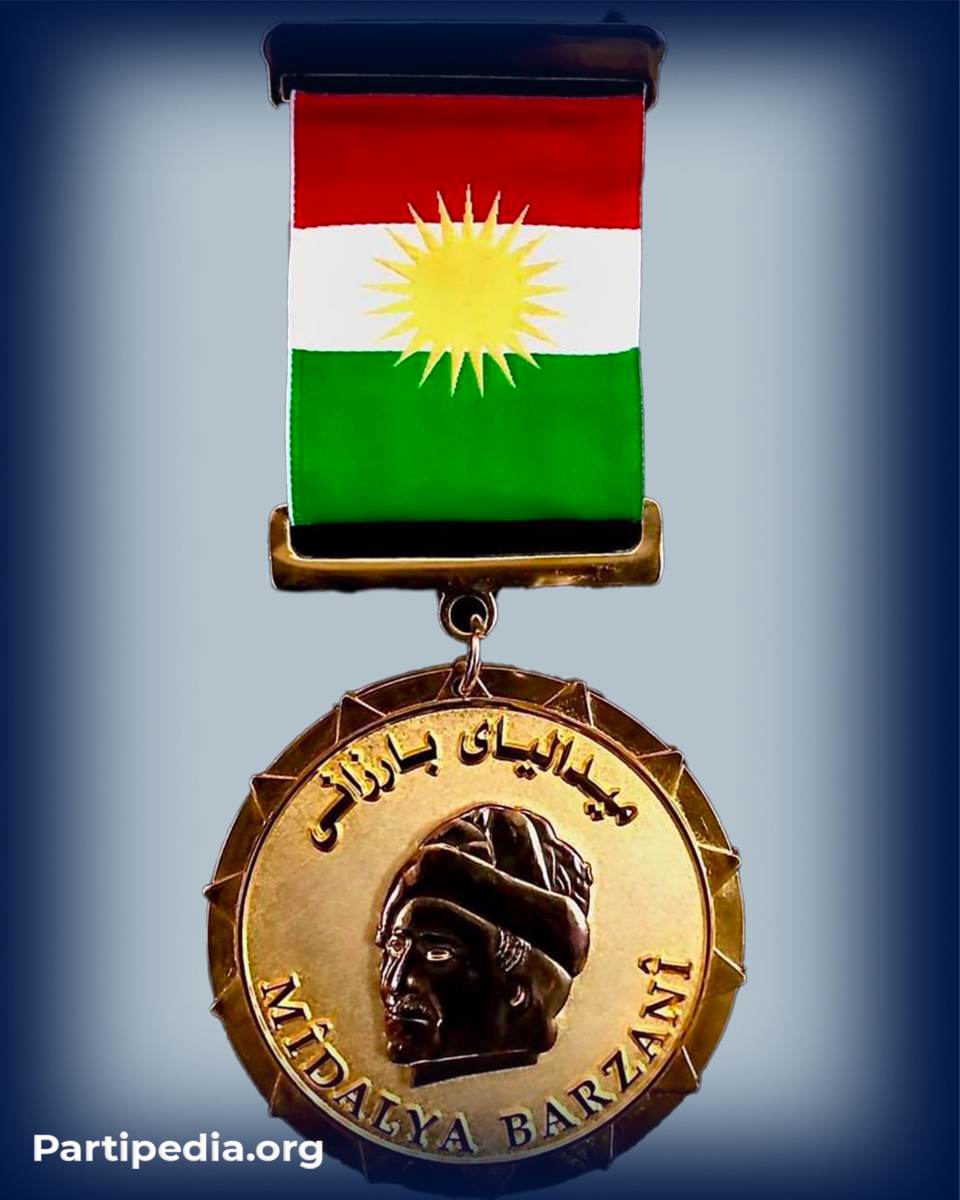
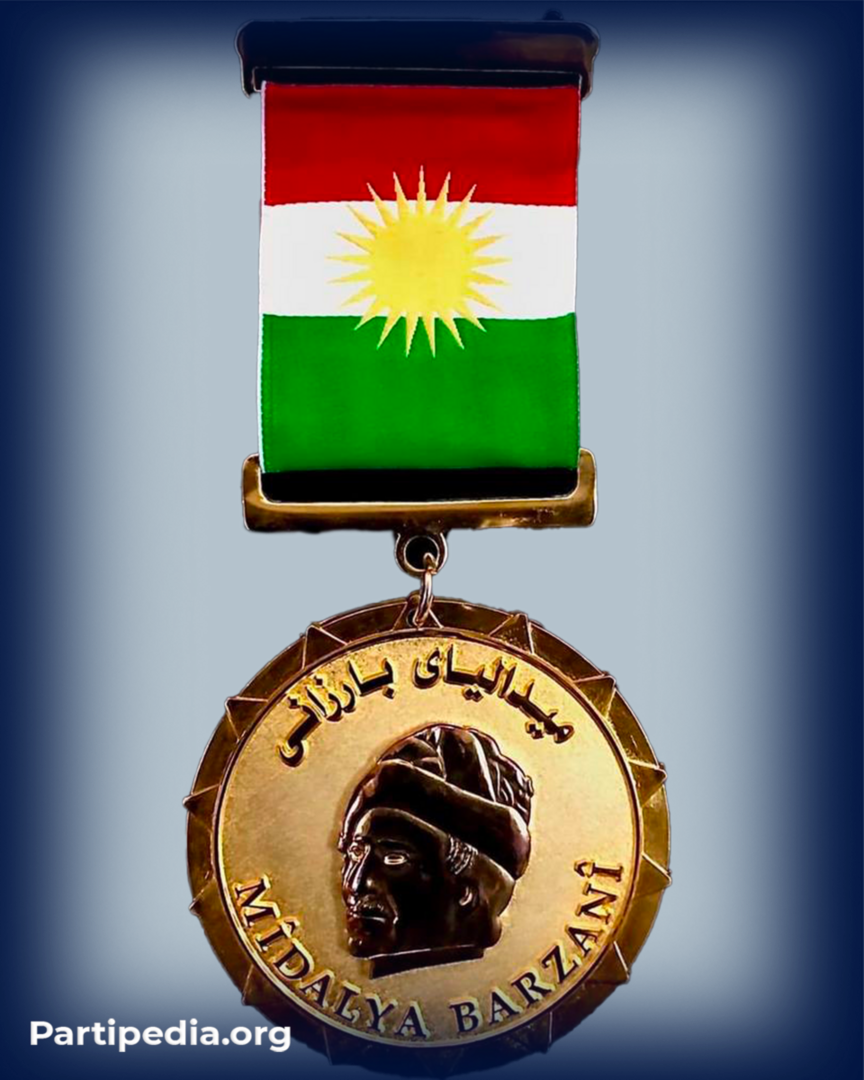
For the services he has provided to the people of Kurdistan, both in Kurdistan and France, and worldwide, he was awarded the title of President on May 15, 2013. Masoud Barzani He has received the Barzani Medal.
Source:
1. Archives of the Encyclopedia Committee of the Kurdistan Democratic Party.