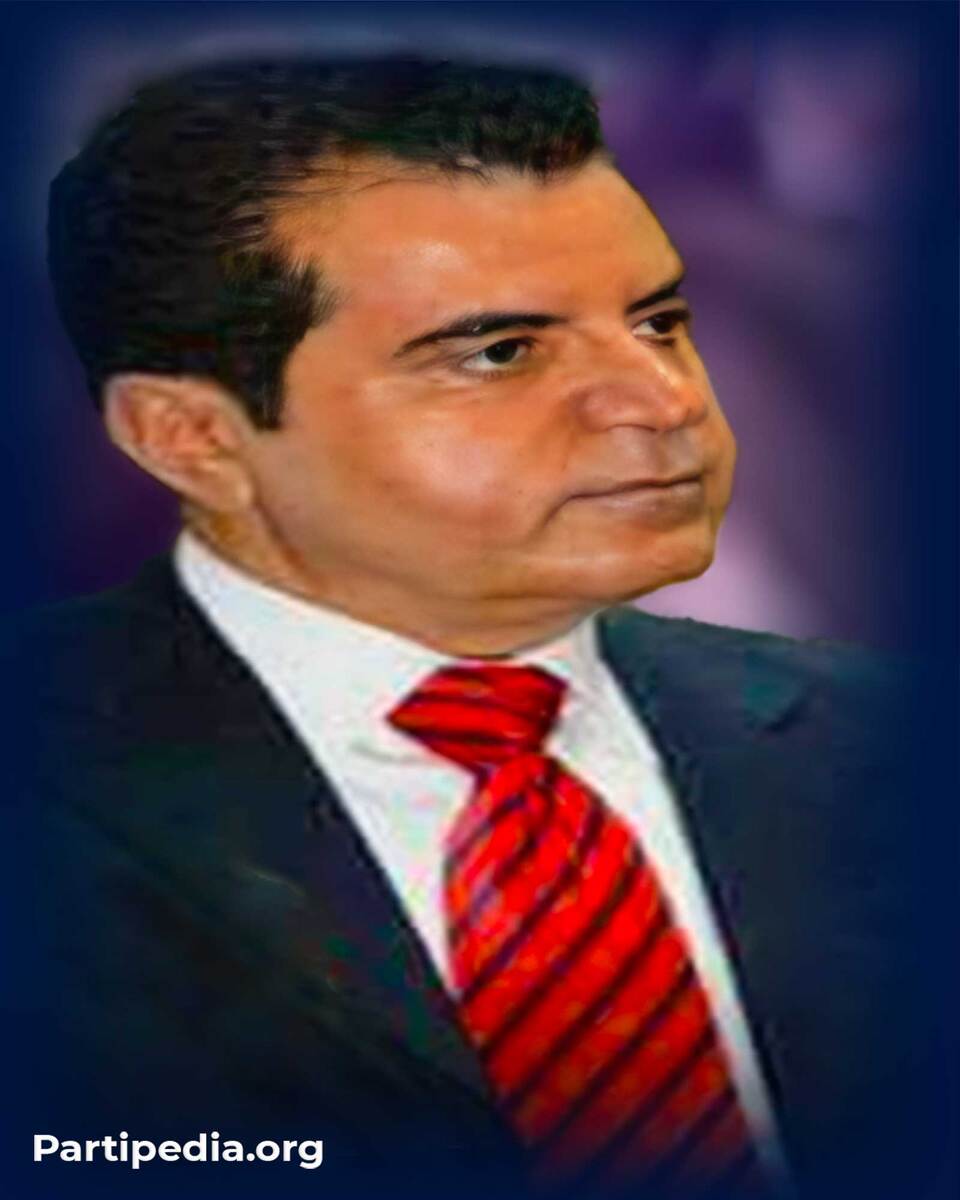


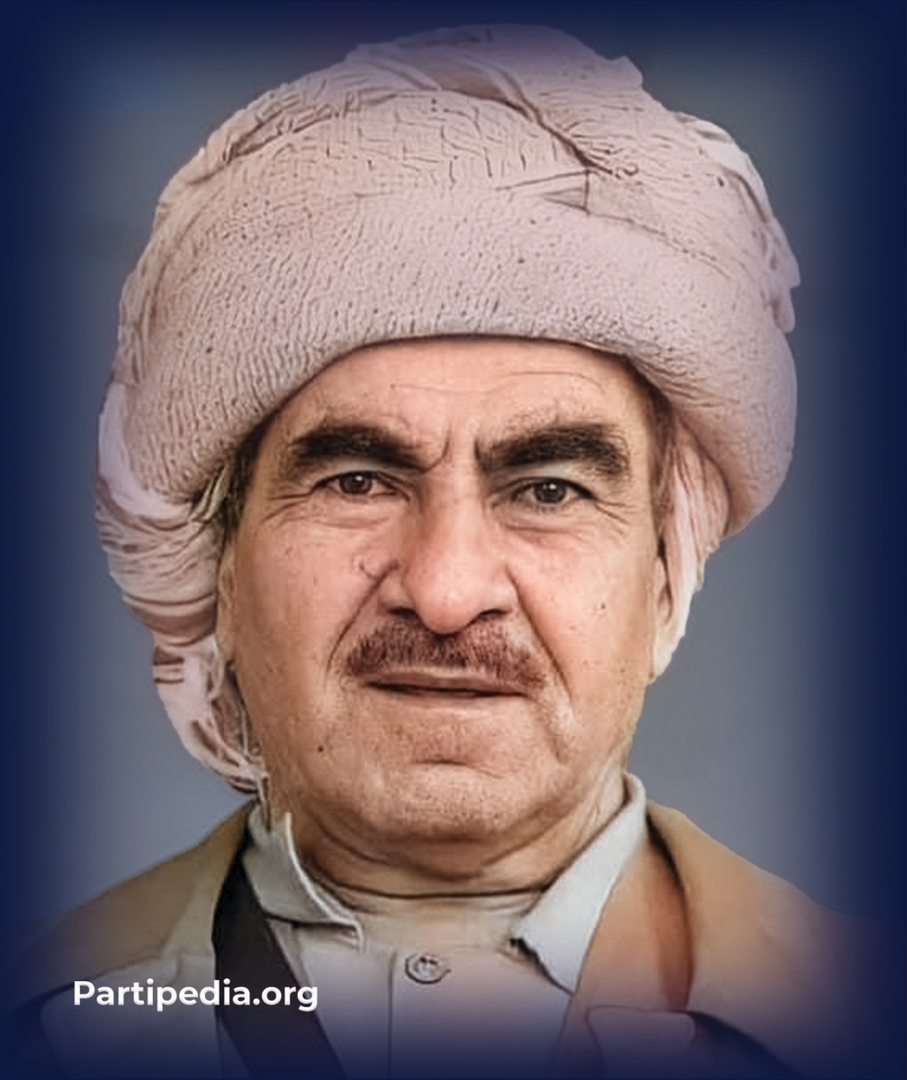
Mustafa Sheikh Mohammed Sheikh Abdulsalam Abdullah Barzani, also known as Mullah Mustafa Barzani, General Mustafa Barzani, Peshawar, President Mustafa Barzani and Barzani Mustafa, was born on March 14, 1903 in Barzani village of Mosul province Kurdistan Republic in Mahabad, Prime Minister of the Provisional Government of Foreign Kurdistan in Baku and its founder Kurdistan Democratic Party and leadership The Great September Revolution He died on March 1, 1979 at Myoclinic Hospital in the United States.
Stages of study
After the end of the First Barzan Revolution in 1934, he was exiled to Mosul, where he studied Islamic jurisprudence at the religious school of Abdullah Nashat Beg Mosque and Persian language and literature with Ali Botani He taught at Al-Nur al-Kabir Mosque with Sheikh Abdullah Ni'ma, Abdullah Mosque, Faisaliyah Religious School and Imam Ibrahim Religious School. In 1955, he attended the University of the Communist Party of the Soviet Union in the city He was admitted to Moscow and received a bachelor's degree in political science three years later.
He spoke Kurdish, Arabic, Persian, Turkish, Russian, Armenian and English.
The beginning of the struggle
In 1906, at the age of three, he was imprisoned with his mother in Mosul by Mohammed Fazel Pasha of Daghestani, the governor of Mosul, on charges of participating in the uprising of his brother Sheikh Abdul Salam Barzani.
In 1919, Mustafa Barzani led a force to the aid of Sheikh Mahmoud Hafed (1881-1956) against the British army, in the same year to the aid of Sheikh Said Piran (1865-1925), the revolutionary leader of Northern Kurdistan, against the Turkish army He led a force to the rescue of Andranik, king of Armenia.
On June 23, 1932, after the collapse of the First Barzan Revolution and under the threat of the British Air Force, as a result of the destruction of 79 villages and 1365 houses, he was forced to flee to the Republic of Turkey He was detained there for a while.
After returning from Turkey, he was exiled to Mosul in 1934, visited the headquarters of the Brotherhood Party, in 1936 he was exiled to Baghdad, Nasiriyah, Diwaniya and Hilla, and in 1939 by the Iraqi monarchy to Parde village in Kirkuk province He was later transferred to Sulaimani.
First Barzan Revolution
In 1931, Mustafa Barzani commanded the Barzan Revolutionary Forces against the Iraqi army under the command of Colonel Barqi Shawqi Wais He commanded the battles of Garwabni, Korke, Havnka, Kania Lanj, Zet, Piran and the Battle of Dola Vazhi against the Iraqi army commanded by General Robinson.
Second Barzan Revolution
On July 27, 1943, Mustafa Barzani launched the Second Barzani Revolution and commanded the battles of Kherzuk, Gora Tu, Chia Piran and Mazne against the Iraqi army and police forces He also commanded the Nahli Front and the Battle of Persian against the Iraqi army.
political duties and responsibilities
In 1939, he joined the organizations of the Hiwa Party in Sulaimani. On July 12, 1943, with the help of Kurdish lovers in Sulaimani, especially Sheikh Latif Hafid, he secretly escaped from arrest and moved to East Kurdistan Barzan .
On December 15, 1945, he was elected chairman of the Azadi Committee. In 1946, he was chairman of the founding committee of the Kurdish Democratic Party. On August 16, 1946, he was elected the first chairman of the Kurdish Democratic Party He was the chairman of the South-East Kurdistan Leadership (Baku Conference). Second Congress 1951, Third Congress 1953, Fourth Congress 1959, Fifth Congress 1960, in Sixth Congress 1964, Seventh Congress 1966 and Eighth Congress In 1970, he was re-elected as the leader of the Kurdistan Democratic Party (KDP). The September RevolutionIn 1964, he was elected chairman of the Revolutionary Leadership Council in Iraqi Kurdistan.
Kurdistan Republic in Mahabad
On December 26, 1946, Mustafa Barzani participated in the proclamation of the Kurdistan Democratic Republic in Mahabad. In early 1946, he was promoted to the rank of general by the National Republic of Azerbaijan for his struggle and resistance and expertise in military affairs He was awarded the rank of General in the Kurdistan Democratic Republic Army on March 31, 1946. In the same year, he was appointed commander of the Saqiz Front He was responsible for the organized and harmless retreat of the forces of both the Kurdistan Republic and the Azerbaijani National Republic from the Saqiz front to Mahabad. On December 16, he had his last meeting with Peshawar Qazi Mohammad in Mahabad In March 1947, he commanded the battles of Nargi, Bardezard and Margavari against the Iranian army and was wounded in the battles On April 10, 1947, he was able to rescue his family and Peshmergas and take them to Gadar.
Going to the Soviet Union
On April 15, 1947, after a long meeting with Sheikh Ahmad Barzani, General Mustafa Barzani decided not to surrender with a special force of 560 Peshmergas In May, he crossed the border with his comrades unharmed. The next day, he led a large meeting in the village of Jermi in East Kurdistan to organize the Peshmerga forces and plan to leave for the Soviet Union He fought against the Iranian army in the Susuz Mountains and the Mako Plain in northwestern Iran. On June 18, he and his comrades reached the Soviet Union border and took refuge there On September 29, he met with the authorities of the Soviet Republic of Azerbaijan in Baku to receive his comrades as refugees. On December 10, he was taken away with his comrades for reorganization Baku, Azerbaijan, and will arrive in Uzbekistan on August 29 with all his comrades.
On March 13, 1949, he was deported from Tashkent to the town of Chamba by the Soviet authorities. After several years of separation, he attended a large meeting in Tashkent, Uzbekistan, in April He met with his comrades and talked to them about continuing his college and university studies.
General Barzani settled in Moscow in 1953. His house was the shelter of all Kurdish refugees. In 1956, he visited the Kurds of Armenia Half added.
Return to Iraq
After the victory of the July 14 Revolution and being allowed to return, he left Moscow on August 21, 1958 and was welcomed on his return by the President of Romania and Czechoslovakia It was signed by Iraq and has been amnestied. On September 10, he responded to Abdul Karim Qassimi's letter asking for permission to return home. On September 17, he flew to Prague airport, two days later to Cairo airport and in The Dome Palace was welcomed by President Jamal Abdul Nasser at Baghdad's Musana airport on October 6 and was welcomed by all Iraqi communities at the ministerial headquarters a few days after his return Iraqi Defense Minister Abdul Karim Qassim has met with Kurdish and Arab partners in Iraq.
On October 22, he visited Erbil and was welcomed by Alaeddin Mahmoud Mutasarif, the governor of Erbil and the people of the city. Three days later, he visited Kirkuk and was welcomed by Kurdish dignitaries and the people of the city He was welcomed by the commander of the second army of the Iraqi army. He arrived in Sulaimani on October 30 and was welcomed by the crowd at home Sheikh Latif Hafid and then visit the graves of the martyrs Mustafa Khoshnaw and Mohammed Qudsi, members of the founding committee of the Kurdish Democratic Party and their families.
On April 16, 1959, he welcomed the ship Georgia from the port of Basra in southern Iraq, which was carrying his companions, who had gone with him to the Soviet Union in 1947. On June 19, 1959, he accompanied some members of the PKK leadership Visit to the tomb of the martyr Khayrullah Abdulkarimknown as Khayrullah Gurjizadeh in Erbil.
The period of the September Revolution
On September 11, 1961, he led the Kurdish people's rights The September Revolution In mid-November, he visited Duhok to organize the affairs of the Peshmerga and divided the Badinan region into three commands. On December 12, he led the Battle of Zawita.
In 1965 he commanded the Penjweni battle in Sulaimani province and in 1966 he commanded it The Story of HandrenOn April 15, 1967, he presided over the conference (military-political) of Kani Smaqi. In early 1969, he was the planner of the attack on the Kirkuk Oil Company, which was attacked on March 1 by the Iraqi army From November 27 to 29, 1973, he supervised the Chomani Political-Military Conference.
Peace talks and negotiations
On December 7, 1944, Mustafa Barzani held the first negotiations of the Second Barzan Revolution with the Iraqi representative, Majid Mustafa, near the village of Spindar On February 12, 2012, he visited Baghdad to continue the negotiations and met with Abdullah, who was invited by the Kurdish Progress Club in Baghdad He was hosted and met with Kurdish tribal chiefs and personalities in Baghdad.
In 1945, he met Iraqi Prime Minister Nuri al-Saeed in Baghdad Mustafa Khoshnaw (1912-1947) and Mohammed Qudsi (1922-1947) In the village of Shawraw, he met Captain Stockey, the representative of the British Embassy in Iraq, for negotiations.
On December 21, 1946, he led a delegation from South Kurdistan to Tehran to meet with the Shah of Iran.
On February 4, 1963, he met with a delegation of the Iraqi government led by General Tahir Yahya Tikrit in Kani Marani, Erbil province, to negotiate peace between the two sides.
In 1964, Primakov represented the Soviet Union in order to prepare the ground for negotiations with the Iraqi government, visited General Mustafa Barzani, on August 24, 1964, he received Lieutenant Colonel Abdulrahman Mohammed for negotiations On October 11, 1964, he presented the Kurdish demand for autonomy to Kurdistan to Iraqi President Abdul Salam Mohammed Arif (1921-1966).
On October 8, 1966, he received Iraqi President Lieutenant Colonel Abdulrahman Mohammed Arif in the village of Jundian in order to negotiate for an agreement, peace and solution of the Kurdish issue. On June 15, 1966, he received a government delegation in Ghala Iraq, who had visited for negotiations.
On September 15, 1967, he received Iraqi Prime Minister General Tahir Yahya at his headquarters. On December 31, he received a delegation of the Iraqi government led by Abdul Khaliq to negotiate the right of autonomy for Kurdistan Samarai, a member of the leadership of the Ba'athist Arab Socialist Party, Aziz Sharif and retired brigadier Fuad Arif
On December 10, 1970, he met Iraqi Vice President Saddam Hussein in the village of Nawprdan for negotiations. On March 11, 1970, he gave autonomy to South Kurdistan Ibrahim Ahmad – Jalal Talabani issued
Diplomatic efforts
In 1947, after arriving in the Soviet Union, he sent a letter to Joseph Stalin, the leader of the Soviet Communist Party, asking for support for the Kurdish national movement A special committee was formed to follow up and resolve the issues.
In 1956, he wrote a letter to Egyptian President Jamal Abdul Nasser against the tripartite attack of the United Kingdom, France and Israel on the Republic of Egypt.
On October 1, 1960, he sent a letter to the Secretary-General of the United Nations protesting against the oppression of the Kurds by the Kingdom of Iran and the Republic of Turkey He visited the Soviet Union at the official invitation of the Soviet Union officials to participate in the October holidays. On October 29, accompanied by Sheikh Ahmad Barzan, he visited the Zaim in order to resolve the Kurdish issue Iraqi Prime Minister Ruken Abdul Karim Qassim.
In the autumn of 1962, he received a letter from Ahmed Tawfiq (Abdullah Ishaqi) explaining his situation The September Revolution He sent a letter of condolences to the US consul in Isfahan over the assassination of US President John F. Kennedy.
On July 15, 1965, he sent a letter to French President General De Gaulle asking for support for the Kurdish issue A year later, on December 1, Otanti sent a reminder to the UN Security Council on the annexation of South Kurdistan to Iraq In 1966, he presented a letter to the Havana Congress (Three Continents of Asia, Africa and Congress) on the Kurdish issue North America) has done. . . .
On August 28, 1967, he sent a letter to Jamal Abdul Nasser (1918-1970) about the Kurdish cause and the policy of extermination of the Kurds in Iraq, On June 5, 1967, he remained neutral in the Six-Day Arab-Israeli War at the request of Arab leaders, especially King Hussein Hashemi The Assyrian Union has made the world.
In 1971, he received a delegation from the Turkish government and discussed bilateral relations with them. In order to stabilize the situation in the Republic of Turkey, he asked them to release thousands of Kurdish prisoners.
On June 2, 1971, he received a delegation from the Central Committee of the Bulgarian Communist Party at his headquarters in Haji Omeran. On March 27, 1973, he received Kamal Junblat, the leader of the Lebanese Socialist Progressive Party.
On August 18, 1973, he sent a letter of reminder to the International Red Cross in Geneva regarding the collection of poison gas by the Iraqi army. On October 25, 1971, he received the delegation at the headquarters of Haji Omeran The Committee supported the Asian, African and Soviet peoples, consisting of Vice-Chairman Babajan Ghafurov and members Dr. Andrei Zakharov, Gregory Nitschkin and Said Kamilev.
When the Kurdistan Autonomous Region Law was unilaterally promulgated by Ahmad Hassan Bakri, the Iraqi president and chairman of the Kurdistan Revolutionary Council, on March 11, 1974, separating Kirkuk from Kurdistan, he sent a letter to the Arab Summit It was held from October 19 to 26, 1974 in Riyadh and was dedicated to the massacre of the Iraqi army against the Kurdish nation.
In October 1974, he met with US Secretary of State Henry Kissinger in Tehran and sent a letter of protest on March 10, 1975, following the agreement Algeria met with Iranian King Mohammad Reza Pahlavi at the palace and warned him of the agreement with Iraqi Vice President Saddam Hussein.
In 1976, he gave a lecture on the Kurdistan Revolution to students and faculty at the American University in Washington. In the same year, he met with Senator Jackson, Senator Proxmeyer, Senator Minnie and Congressman Stephen Solarz The US government has been involved in the Kurdish revolution and in order to attract public opinion to the Kurdish cause, a press conference with the magazine ((The ViIIage Voice performed
In 1977, he sent a letter to US President Jimmy Carter explaining the situation in Kurdistan and the Kurdish cause.
Attempted assassinations
In mid-1936, during negotiations in Mosul, the then governor of Mosul poisoned his coffee and poisoned him, but with the efforts of some friends, he called a doctor and saved his life.
In 1943, the Iraqi government offered a reward of 50,000 dinars for the killing of Mustafa Barzani. Two years later, on August 19, 1945, the Military Customary Court ordered the confiscation of all transferred and untransferred funds He sentenced a number of his comrades to death.
When he visited Kirkuk on 25-26 after his return from the Soviet Union, he escaped an assassination attempt by Lieutenant Hidayat Mohammed Arsalan, the commander of the military police.
On December 17, 1961, Iraqi Prime Minister Abdul Karim Qassimi sent Colonel Hassan Aboudi to Barzani in the name of negotiations.
On June 10, 1963, Iraqi Deputy Prime Minister Ali Salih Saadi, a member of the revolutionary leadership and a member of the Ba'athist Arab Socialist Party, offered a £100,000 reward for the capture of President Mustafa Barzani, alive or dead announced.
On September 29, 1971, a delegation of mullahs and commandos who had come to Barzani in the name of negotiations blew themselves up in Haji Omeran, with the knowledge of Saddam Hussein. He was slightly wounded in this terrorist act.
The post-collapse period and going to the United States
In 1975, Mustafa Barzani fled to Iran due to the collapse of the Kurdish revolution and a regional and international conspiracy. In August of the same year, he went to the United States for treatment and to convey the Kurdish voice to the free world country of Iran.
In June 1976, he went to the United States for treatment for the second time, receiving treatment at the Mayo Clinic, Georgetown Hospital and Sebil Hospital.
He was admitted to Georgetown University Hospital for the third time in early 1979. He died of cancer on March 1 and was buried on March 5 in Shino village in East Kurdistan in the presence of tens of thousands of people. After the Kurdistan people's uprising, on October 6, 1993, his remains were brought back to South Kurdistan for the last time Jalal Talabani (1933-2017) W.S Nechirvan BarzaniHe was buried on October 8 in his native Barzani village.
Sources:
- Archibald Roosevelt, Amokhtan Apartment, translated by Saba Saeedi, second edition, (Tehran, Information Publishing House, 1995).
- Abdulaziz Yamalki, Memoirs of the Discovery of Qana' on Some Iraqi Events 1923-1958, (Sulaymaniyah, Zhin Center for Documentation and Research, 2019).
- Harfi Maurice and the Baluch Youth, No Friends of the Mountains, translated by Raj Al Mohammed, third edition, (Qamishli - Dar Naqsh - 2020m).
- A brief biography of the late Barzani, the spiritual father of the Kurdish nation, Hamrin newspaper, Faily Kurds Media, No. 15, Erbil, late August 2000.
- Ramzi Mohammed Askar, Al-Barzani Al-Khalid, more than half a century of his life, saving the oppressed people and liberating the country, Khabat newspaper, Kurdistan Democratic Party, No. 816, Erbil, Friday, 28 February 1997m.
- Massoud Barzani, for History, (Erbil - Roxana Printing House - 2020).
- Mohammed Ali Ahmad, The Legal Status of the Kurds in the Middle East, translated by Bayazid Hassan Abdullah, (Sulaimani - Sardam Publishing House - 2018).
- Aziz Hassan al-Barzani, The Kurdish National Liberation Movement in Iraqi Kurdistan 1939-1945, (Duhok, Dar Spirits Printing and Publishing House, Ministry of Education Printing House, 2002).
- Excerpts from the Life of Mullah Mustafa al-Barzani, Khabat Newspaper, Kurdistan Democratic Party, No. 810, Erbil, Friday, 10 December 1997.
- Rajai Fayed, Akrad al-Iraq al-Tawh.. Between the possible and the impossible, (Cairo, Dar al-Hurriya Press and Publishing House, 2005).
- M. Lazarev, Kurdish Issue 1923-1945 Struggle and Conflict, translated by Dr. Abdi Haji, (Erbil, Mukriani Research and Publishing Foundation, Aras Foundation Printing House, 2007).
- Massoud Barzani, History, (Erbil - Roxana Printing House - 2020m).
- Jamal Nabaz, Kurdistan and its Revolution, translated by Kurdo, (Sweden, Azad Press, 1985).
- Contents: Wasfi Hassan, Memories of Old Warrior Rafiq Barzani in his Historical Journey to the Soviet Union, Khabat Newspaper, Kurdistan Democratic Party, No. 816, Erbil, Friday, 28 February 1997m.
- Karim Zand, General Barzani and the Kurdistan Republic in Mahabad, Biryati newspaper, organ of the Kurdistan Democratic Party (KDP)-United, No. 1886, Erbil, Tuesday, March 1, 1994.
- Manouchehr Parsadoust, Ma and Iraq from a long journey to today, (Tehran - Sami Publishing Company - Heydari Printing House - 2006).
- Hama Amin, Facts about the Kurds, Part II, Al-Wajdan Newspaper, Special Issue 336/16, Beirut, October 7,
- General Mullah Mustafa al-Barzani, Al-Wajdan newspaper, special number 327/9, Beirut, 20 September
- Jamal Morsi Badr, The Kurds and the Legacies of Colonialism, Economic Pyramids Magazine, No. 169, Cairo, September 1,
- Osman Ali, Studies in the Contemporary Kurdish Movement 1833-1946 Historical and Documentary Studies, (Erbil, Tafsir Office, Culture Printing House, 2003).
- Hussein Badiwi, A Journey to the Great Kurdish Book, (Erbil, Mukriani Institute for Printing and Publishing, Ministry of Education Printing House, 2006).
- Parsh, Barzan and the National Awareness Movement, translated by Hussein Ibrahimi, (Bija - 2001).
- Wilson Nathaniel Howl, The Kurds and the Soviet Union, translated by Zia al-Din al-Marab, referenced by Fouad Hama Khurshid and Faiza Rashid Juma, (Baghdad, Dar al-Thaqafa and Kurdish Publishing House, Aylaf Publishing House - 2006m).
- Mojtaba Mohammed Abdulqadir, Political Situation in Kurdistan 1880-1946, translated by Naznaz Mohammed Abdulqadir, Yousef Khazr Chupan and Soran Alipour, (Erbil, Mukriani Publishing House, Ministry Printing House). Education - 2005).
- William Ighlton al-Abn, Republic of Mahabad - Kurdish Republic 1946, translated and commented by Jarjis Fathullah, (Erbil - Dar Aras Publishing House - 2012).
- Ali Sanjari, The Kurdish Case and the Arab Ba'ath Party in Iraq, Part III, (Duhok - Khani Printing House - 2012m).
- Kazim Haider, The Kurds from them and to which?, (Beirut, Free Thought Publications, 1959).
- Qadri Jamil Basha, Kurdistan Issue, Analysis and Presentation of Ezz al-Din Mustafa Rasul, Second Edition, (Beirut, 1997).
- Massoud Bateli, Charisma of Mullah Mustafa Barzani in the Practice of Legal Thoughts, (Erbil - Aras Printing House - 2011).
- Mohammed Murad Fatah, Barzani Culture, (Zakho - Kurdistan Printing House - 2013).
- Majid Abdul Reza, The Kurdish National Issue in Iraq 1958-1975, (Without Place, 1987).
- Chris Kuchra, Kurdish National Movement, translated by Ebrahim Younesi, second edition, (Tehran, Negah Publishing House, 1998).
- David Adamson, Pikar Kurdistan, translated by Javad Hatfi, (Tehran, Ataei Publishing House, Mohammad Ali Elmi Printing House, 1969).
- Dark Kanan, Kurd and Kurdistan, translated by Javad Hatfi, (Tehran, Ataei Publishing House, Mohammad Ali Elami Printing House, 1969).
- Mahdi Mohammed Qadir, Political Developments in Iraqi Kurdistan 1945-1958, (Sulaimani, Kurdistan Strategic Research Center, 2005).
- Abdulrahman Qasemloo, Kurdistan and Kurds: A Political and Economic Study, (No place, Peshawar Center Publications, 1973).
- David McDowell, Tarikh al-Akrad al-Hadith, (Beirut, Dar al-Farabi, 2004).
- Abdulfattah Ali Al-Butani, Studies and Research in Contemporary Kurdish and Iraqi History, (Erbil, Dar Sprez Printing and Publishing House, Haji Hashim Printing House, 2007).
- MS Lazarev and Akhron, Kurdistan History, translated by Dr. Abdi Haji, (Erbil - Dar Spirez Printing and Publishing House - Haji Hashim Printing House - 2006).
- Kurds and Kurdistan in the Transition of History, Dr. Kamal Rouhani, (Sanandaj - Aras Publishing House - 2010).
- Ben Bouzid Asmaa, Mustafa Barzani and his role in the Kurdish struggle 1943-1975, People's Democratic Republic of Algeria, Ministry of Higher Education and Scientific Research, Mohammed Bouziaf University Thesis, Faculty of Humanities and Social Sciences, Department of History, 2019, (Unpublished Master's Degree).
- Abdul Same Khalaf Abdul Habib al-Janabi, Development of the Kurdish Problem in Iraq 1958-1968, Republic of Iraq, Ministry of Education and Scientific Research, Anbar University, Faculty of Arts, Department History, 2017, (unpublished doctoral thesis).
- British Foreign and Commonwealth Office, translated by Pasar Sherko, (Sulaimani, Panjara Printing House, 2016).
- Ahmad Bawar, Contemporary History of Iraq 1914-1968, (Sulaimani, Karo Printing House, 2018).
- Afrasiaw Hawrami, Kurds in the Russian and Soviet Archives, Kurdish Review by Mustafa Ghafoor, (Erbil – Mukriani Research and Publishing Institute – Ministry of Education Printing House – 2006).
- Afrasiaw Hawrami, Mustafa Barzani in some Soviet Documents 1945-1958, A Golden Record in the History of the Kurdish People, (Erbil, Aras Publishing House, Ministry of Education Printing House, 2002).
- Ahmad Fawzi, Qasim al-Akrad, Khanajr and Jabal, (without a place - 1961).
- Adgar Abalas, Kurdish Movement, translated by Ismail Fatah Qazi, (Tehran, Negah Publishing House, 1998).
- Barzani Nemer Zyan u Rawti Khabati, Khabat Newspaper, Organ of Kurdistan Democratic Party, No. 616, End of February 1992.
- Bitter G. Lambert, United States and Kurds Case Studies on United States Treaties, translated by Kurdish Studies Center and Document Preservation / Duhok University, (Duhok - Duhok University - Khani Printing House - 2008m).
- Return of the Late Mullah Mustafa Barzani and His Friends to Iraq, Sulaimani Magazine, Sulaimani Municipality, No. 60, Third Issue, Sulaimani, Dilêr Printing House, July 2005.
- Tariq Jambaz, Details of Operation Al-Qasf Al-Jawi to Assassinate Barzani General 1961, Al-Takhi Newspaper, Lasan Hal Hizb al-Democrati al-Kurdistan, No. 1584, Erbil, Athens, 1 March 1993m.
- Karim Zand, General Barzani and the Kurdistan Republic in Mahabad, Brayati newspaper, organ of the Kurdistan Democratic Party (KDP)-United, No. 1886, Erbil, Tuesday, March 1, 1994.
- Jarjis Fathullah al-Mahami, Iraq in the Covenant of Qasim Ara' and Behind 1958-1988, Part II, (Sweden - Dar Nabz for Printing and Publishing - 1989).
- Al-Barzani and the story of Al-Masaat al-Tawila, Al-Shaala newspaper, Lasan Hal al-Ittihad al-Dimqrati al-Kurdistan - Iraq, No. 15, late December 1,
- On the 28th anniversary of the death of the late Barzani, Kurdistan New newspaper, organ of the Kurdistan National Union, No. 4208, Sulaimani, Friday, March 2, 2007.
- Mohammed Sahl Taqush, Tarikh al-Akrad 637-2015, (Beirut, Dar al-Nafais for Printing, Publishing and Distribution, 2015).
- Bahauddin Nuri, Ratle Baz in the Barzan Movements 1932, (Baghdad - Knowledge Printing House - 1932m).
- Abdul Jalil Saleh Musa, Jamal Abdul Nasser and the Kurdish Case in Iraq 1952-1970, (Duhok - General Directorate of Press, Printing and Publishing - Duhok Governorate Printing House - 2013m).
- F. Nikitin, Barzani Family, translated by Kaws Kaftan, Kurdistan Sun Magazine, Kurdish Culture Society, Fifth Issue, Second Year, August
- Habib Mohammed Karim, History of the Kurdistan Democratic Party - Iraq (in the headquarters) 1946 - 1993, (Duhok - Khabat Printing House - 1998m).
- Hassan Mustafa, Barzanions and Barzan Movements 1932-1947, second edition, (Baghdad, Dar Afaq Arabiya for Press and Publishing, 1983).
- David Corn, Mullah Mustafa, the Leader Who Was Betrayed Politically and Healthily, Part III, Biryati Newspaper, Organ of the Kurdistan Democratic Party, No. 3892, Erbil, Wednesday, December 15, 2003.
- David Corn, Mullah Mustafa, the Leader Who Was Betrayed Politically and Healthily, Part 4, Biryati Newspaper, Organ of the Kurdistan Democratic Party, No. 3893, Erbil, Thursday, December 16, 2003.
- David Corn, Mullah Mustafa, the Leader Who Was Betrayed Politically and Healthily, Part 5, Biryati Newspaper, Organ of the Kurdistan Democratic Party, No. 3894, Erbil, Saturday, December 18, 2003.
- Dana Adams Shamdat, Journey to Brave Men in Kurdistan, translated and commented by Jarjis Fathullah, (Erbil, Dar Aras Printing and Publishing House, Ministry of Education Printing House, 1999).
- Dark Kenan, Kurds and Kurdistan, translated by Ebrahim Younesi, (Tehran, Negah Publishing House, Nobahar Printing House, 1993).
- David McDowell, Contemporary Kurdish History, translated by Ibrahim Younesi, fourth edition, (Tehran, Paniz Publishing House, Dalahoo, 2014).
- Rafiq Rahman Mam Khol, Mustafa Barzani's Role and Position in Political Developments 1958-1970, 2nd Edition, (Erbil, Shahab Printing House, 2013).
- Zubair Bilal Ismail, Barzan Revolution 1907-1935, (Erbil, Ministry of Education Printing House, 1998).
- Sami Shorsh, Kurdistan and the Kurds, second edition, (Erbil - Rojhelat Printing House - 2019).
- Subhi Abdul Hamid, Iraq in the Years 1960-1969, (Damascus-Dar Babylon for Studies and Information-2009).
- Abdul Aziz al-Aqili, History of the First General Barzan Movements 1932, (Baghdad, Youth Printing House, 1956).
- Ali Khalil, Masirah al-Sharaf al-Barzaniyya Aam 1946, Jarida al-Takhi, No. 1107, Baghdad, Times Printing House, Arba'a, 9 August
- Ali Abdullah, History of the Kurdistan Democratic Party (KDP) - Iraq to the Third Congress, (No place - September 1968).
- Kaws Kaftan, Barzani Uprisings, (Erbil, Dar Aras Printing and Publishing House, Ministry of Education Printing House, 2002).
- Günter Deschner, Kurds in the Betrayed Schedule, translated by Hama Karim Arif, (Erbil, Ministry of Culture Printing House, 1999).
- Mohammed Mullah Qadir, Khabatname Short History of the Party and Culture of the Late Barzani, Second Edition, (Erbil - Aras Publishing House - 2007).
- Marwan Saleh Al-Marouf, Mustafa Barzani, Leader of the Kurdish Liberation Movement, (Erbil, Haj Hashim Printing House, 2018).
- Massoud al-Barzani, Barzani and the Kurdish Liberation Movement, Volume 1, Second Edition, (Beirut, Kawa for Kurdish Culture, 1997).
- Massoud Barzani, Barzani and the Kurdish Liberation Movement, Volume 3, Second Edition, (Erbil, Ministry of Education Printing House, 2002).
- Mirza Mohammed Amin Manguri, Kurdish Political History from 1914 to 1958, Part II, (Sulaimani, General Directorate of Printing and Publishing, Raz Printing House, 2001).