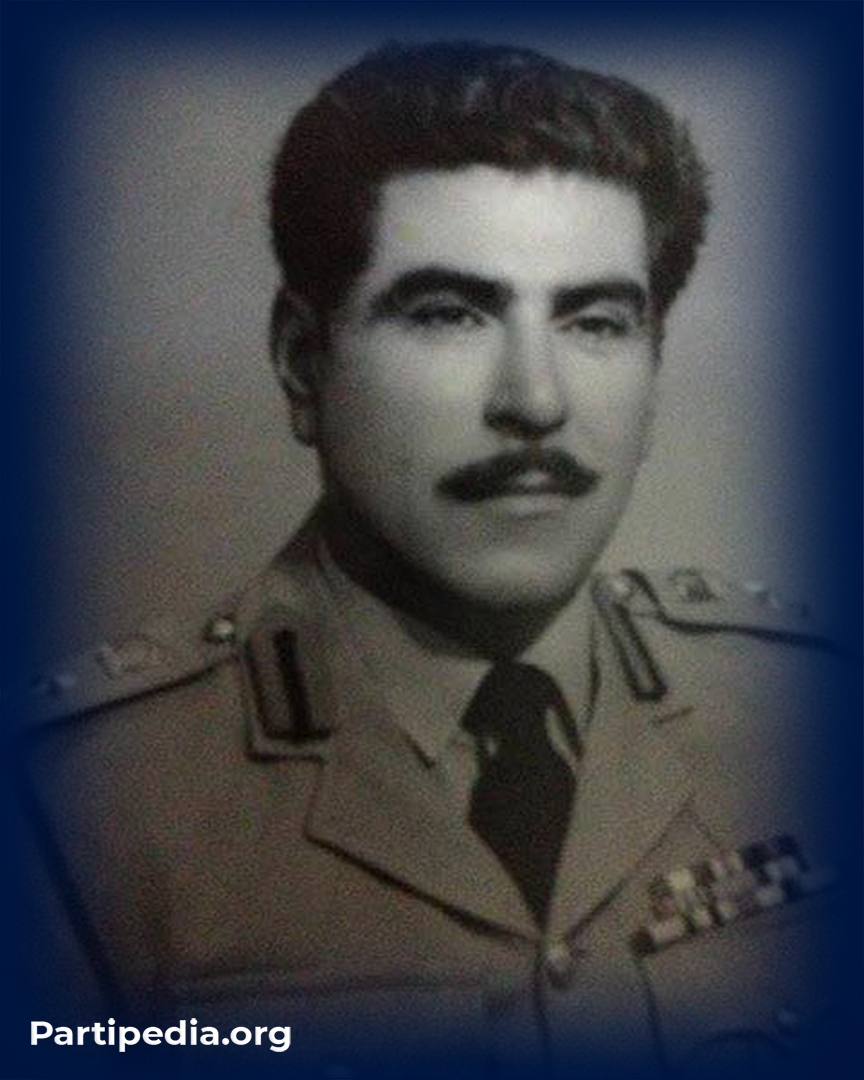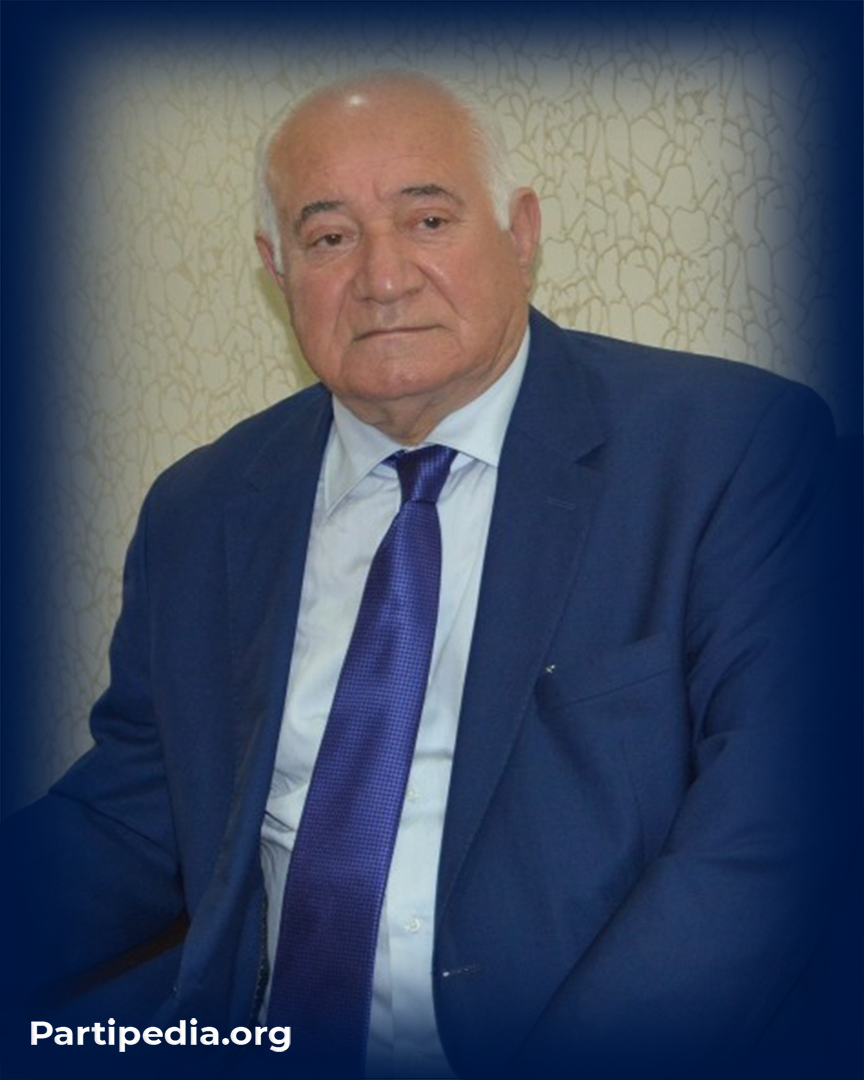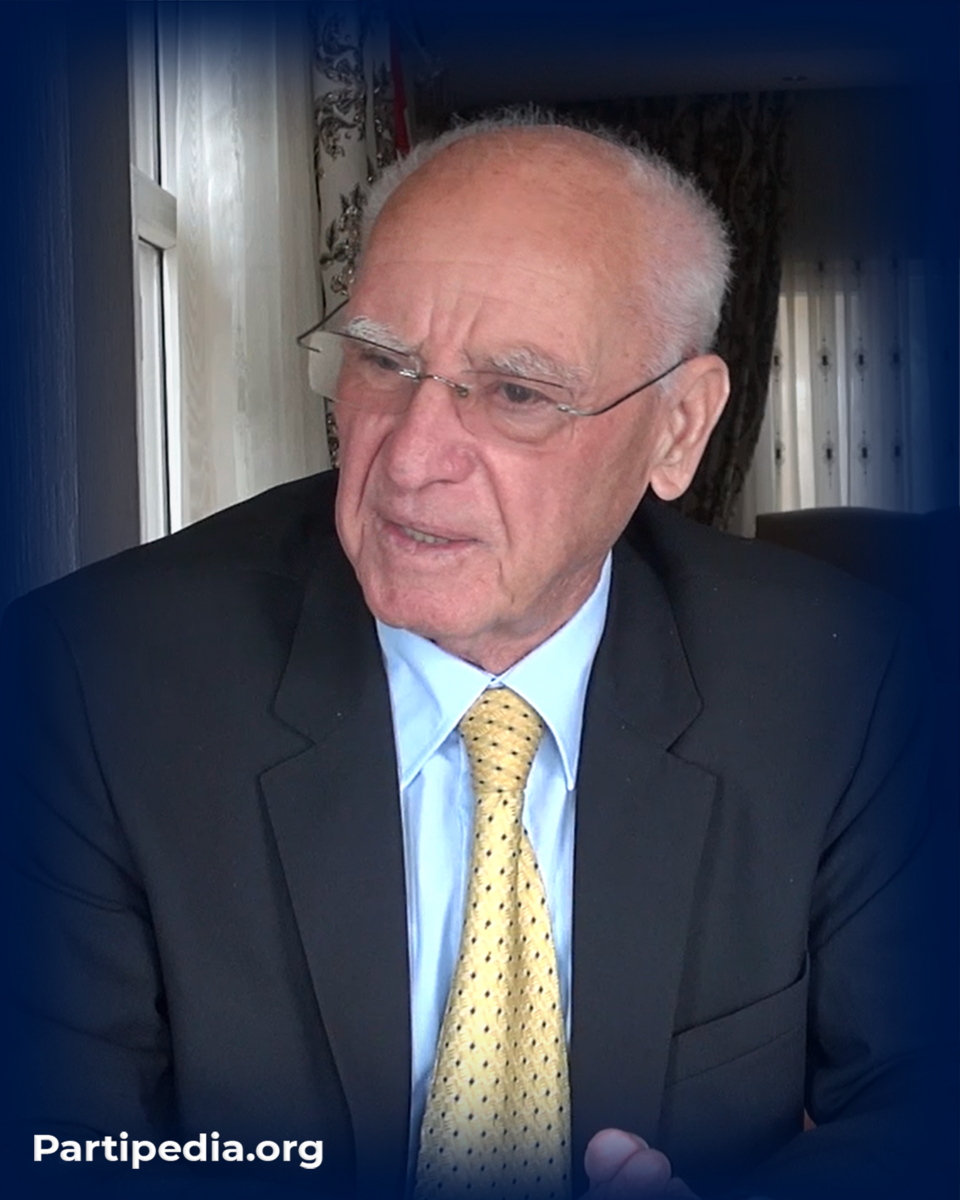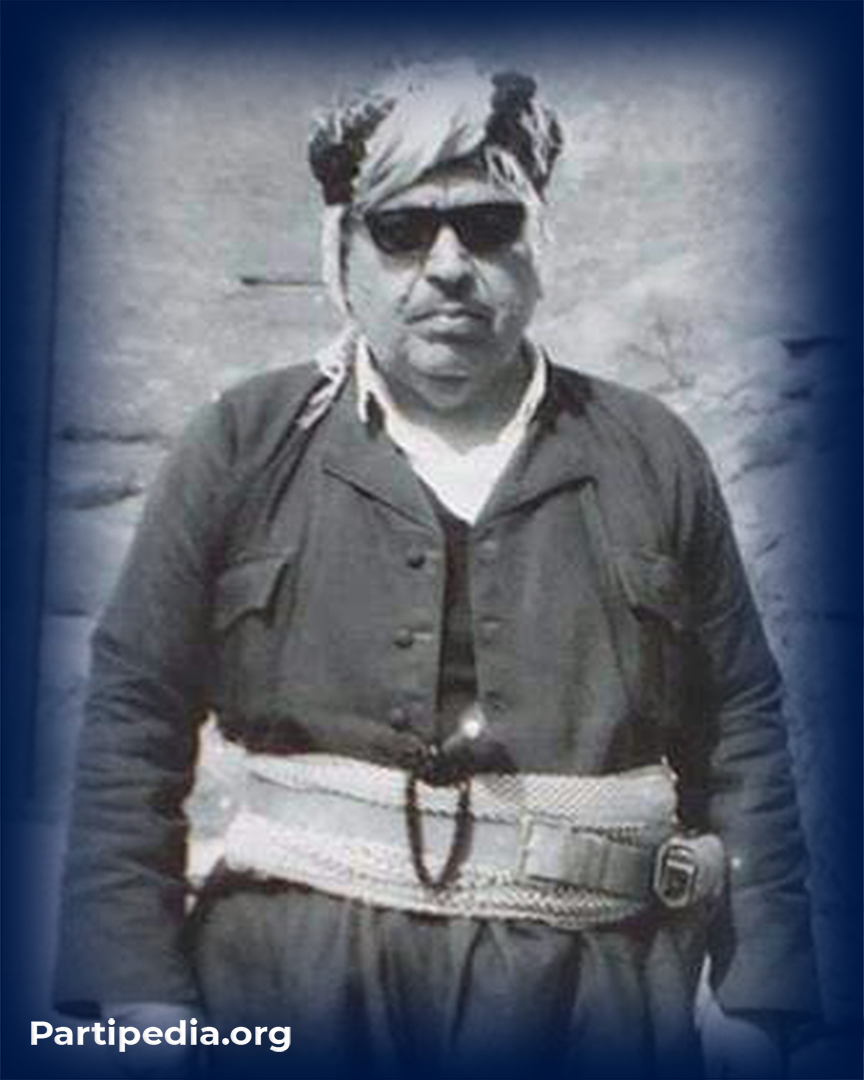


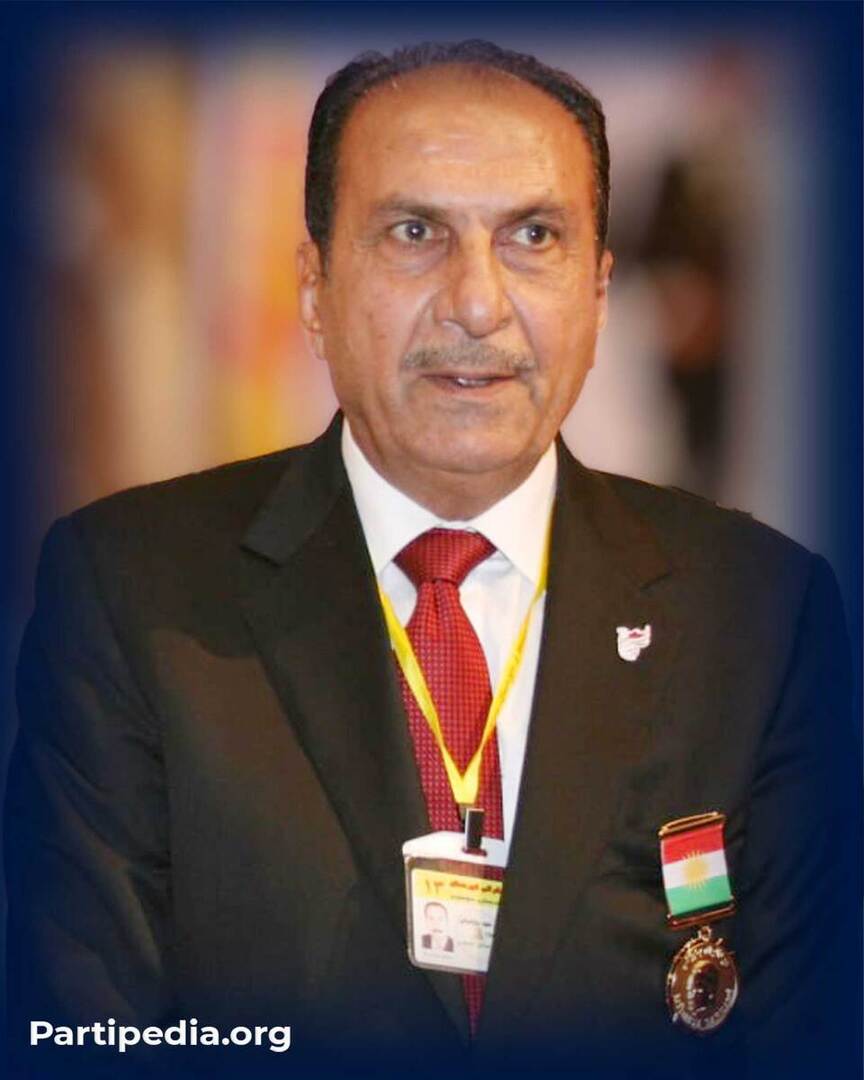
Officer and politician Yunis Muhammad Salim Yunis, known by the names (Mulazim Yunis, First Brigade Yunis Rojbayani). He graduated from the military college in Baghdad in 1967. In 1971, he joined the ranks of the September Revolution. After the organization of the Peshmerga forces after the September Revolution in 1977, he joined the Peshmerga forces of the interim leadership of the Kurdistan Democratic Party. In 1979, he was elected a member of the central committee of the Kurdistan Democratic Party at the ninth congress. On April 25, 1993, he became the Minister of Interior of the Kurdistan Regional Government in the first cabinet. In the same year, at the eleventh congress, he was elected as a member of the central committee of the Kurdistan Democratic Party - United, and in 2010, at the thirteenth congress, he was elected as a member of the leadership council of the Kurdistan Democratic Party, and was awarded the Barzani Immortal Medal and retired with the rank of First Lieutenant.
Biography
Yunis Muhammad Salim Yunis was born in 1944 in the city of Duhok. He completed his primary, secondary and high school education in the city of Mosul. He graduated from the Baghdad Military College on January 6, 1964 and received the rank of second lieutenant in 1967. After completing his studies, he was appointed to the Iraqi Ministry of Defense and served in several different military positions and locations. He is fluent in Kurdish, Arabic and Persian.
Worksheet
Yunis Muhammad Selîm joined the ranks of the Kurdistan Students' Union in 1960, the Kurdistan Democratic Party in 1961, and the Peshmerga forces of the September Revolution in 1971. He served in several places and in different ranks and positions, as a Peshmerga and commander, and participated in battles and confrontations with enemy forces.
He emigrated to Iran in 1975 after the defeat of the September Revolution. In early April 1975, he was arrested by his friend Masoud Barzani for preparations May Revolution He was entrusted with this task and in 1976, on the orders of Idris Barzani (1944 - 1987), he secretly visited Southern Kurdistan with the aim of communicating with organizations.
On November 15, 1977, he participated in the indefinite general meeting of the interim leadership of the Kurdistan Democratic Party for the organization of the Peshmerga forces and the reactivation of the organizations. In 1979, he was elected as a member of the central committee of the Kurdistan Democratic Party at the ninth congress in 1997, the tenth congress in 1989, the eleventh congress in 1993 and the twelfth congress in 1999, and in 1980, he was appointed as the head of the third branch of the Kurdistan Democratic Party. In 1988, he was appointed as the head of the military school of the Kurdistan Democratic Party and in the same year, he became the head of the axis in the Xwakurk area.
On May 19, 1992, he was elected as a member of the Kurdistan Patriotic Council on the Kurdistan Democratic Party list in the first round and became the Chairman of the Peshmerga Affairs Committee. On April 25, 1993, he became the Minister of Interior of the Kurdistan Regional Government in the first cabinet.
In 2004, he became the head of the fourteenth branch of the Kurdistan Democratic Party in Mosul. In 2010, at the thirteenth congress, he was elected as a member of the leadership council of the Kurdistan Democratic Party. On February 16, 2017, he survived a terrorist attack in the city of Mosul, but two of his bodyguards were martyred. Due to his resistance in the September Revolution, the May Revolution, the uprising in Southern Kurdistan and the period of sovereignty, he was awarded the title of President of the Republic of Iraq. Masoud Barzani He has received the Barzani Immortal Medal.
His works:
The beginnings of the guerrilla war in Kurdistan in 1986.
Source:
1- Hamid Gewheri, Barzani Medal, the highest literary award, first book, second edition, (Hewler - Barzani Charity Organization 2019).
2- Faysel Rasul Khoshnaw, Biography of Kurdish Officers, second part, (Tehran - Rojhilat Publishing House - 2020).
3- Younis Rojbeyani, The Beginnings of the Partisan War in Kurdistan, (Unknown Forms - Xebat Publishing House 1986).
4- Ehmed Şerîf Lek, commentary on historical events, second volume, (Hewlêr - Rojhilat Publishing House - 2019).
5- Archive of the Encyclopedia Committee of the Kurdistan Democratic Party.
6- Hamid Gewheri, Barzani Medal, the highest literary award, first cover, (Hewler - Barzani Charity Organization - Haji Hashim Publishing House 2014).
7- Habib Muhammad Karim, History of the Democratic Party of Kurdistan in Iraq (with reference to the Presidency) 1946 - 1993, (Dihok - Xebat Press 1998).
8- Shaban Ali Shaban, some political and historical information, third edition, (Hewlêr - Rojhilat Press - 2013).
9- Ali Sincari, Al Qeziye Al Kurdiye wel hizb al Ba'as al Arabi al ashtiraki fî al Iraq al cuz al salese, (Dihok - Matbaa Xanî - 2012).