


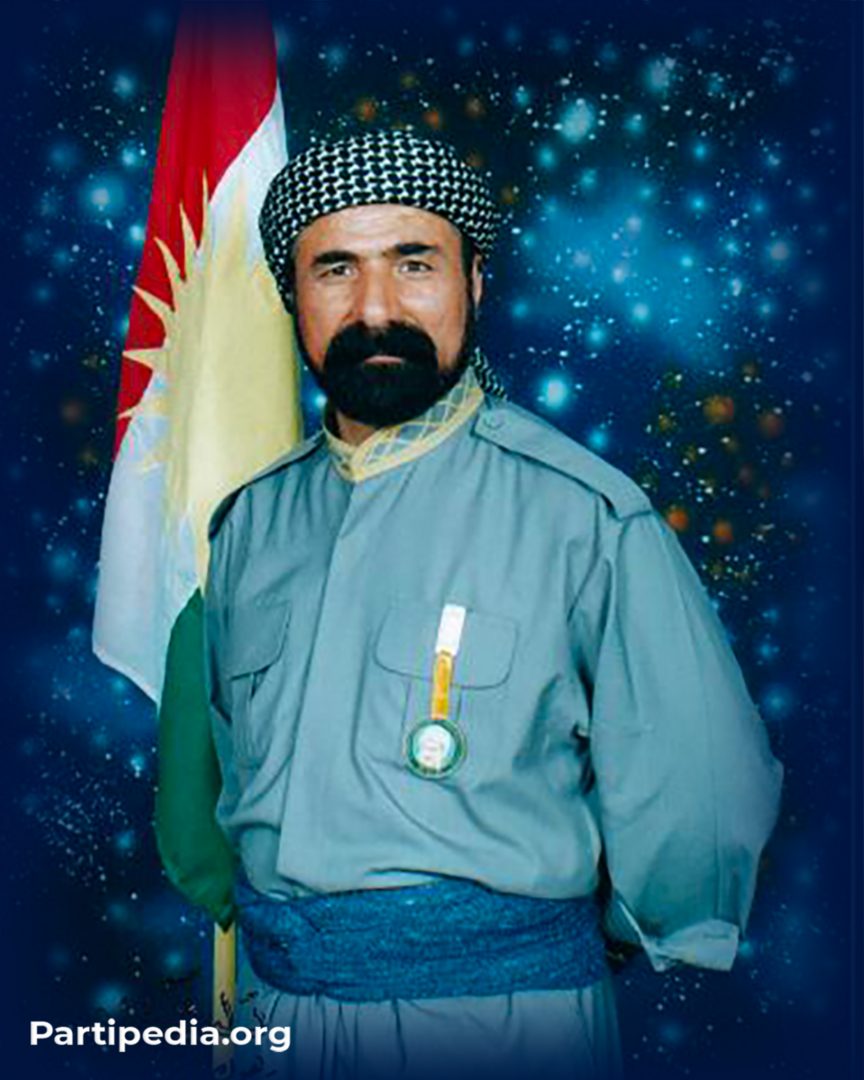
İsmail Aygun (Şivan Perwer) was born on September 23, 1955 in the village of Suri, in the Suruc district of Urfa province in Northern Kurdistan. He received his primary, secondary and preparatory education in Urfa. He studied mathematics at Ankara University. He is married to the singer Gulistan Perwer.
He started singing at a young age. When he was a sixth grade student, he first went on stage and sang songs in the city of Urfa. Later, he continued singing at the university in the city of Ankara. In 1975, the defeat of the September Revolution had a negative impact on Şivan Perwer and encouraged him to sing revolutionary songs to raise the morale and spirit of the Peshmerga and the people of Southern Kurdistan.
Şivan Perwer says: I never wanted to be a singer, but I would have liked to study more to get a professorship in mathematics and serve humanity in that field. Instead of being welcomed, Kurdish singers in Turkey were imprisoned and tortured. Turkish art and singing in Turkish was selling their culture and authenticity to me and was a betrayal of my nation. For that reason, I refused to sing in Turkish. However, at that time I realized that the Kurdish nation loves music and singing, and that one can serve their nation through music. I set three goals for myself, and that is to make the name of Kurdistan known in Kurdish songs, Kurdish love and art, so that it can find itself in the world of art and music. Until it is honored and respected. I tried to put art in the service of Kurds and Kurdistan and its legitimate cause. I decided to become an artist. However, being an artist and singing in Kurdish in Turkey did not fit my place in that country, so I was forced to leave Turkey and emigrate abroad.
In 1976, Şivan Perwer left Turkey and emigrated to Germany. He settled in that country, officially recording his first album of songs there. From there, he went to Sweden and stayed in that country for 12 years. Then he went to Britain for about four years, and then to France for two years, and lived in Belgium for a year. Finally, he returned to Germany and continued his singing career. The songs and hymns (Hevalê Bargiranim, Pêşmerge, Ey Reqîb, Kîne em) were widely received by the people of all four parts of Kurdistan. Cassettes of Şivan Perwer's songs were secretly distributed among the people. In addition to the threat of imprisonment or death, they were passed from hand to hand. Due to the influence of his songs, several young Kurds have become involved in the Kurdish revolutions in all four parts of Kurdistan. Several other young people have been tortured in the prisons of the occupying countries, until they committed suicide. For 25 years, Şivan Perwer's songs were banned in Iraq, Syria, Turkey and Iran. Because he sang in Kurdish and often drew attention in his songs to the atrocities and oppressions against the Kurdish people in the Middle East, most notably in Turkey.
In 1991, Şivan Perwer recorded a concert in support of the refugees of Southern Kurdistan, with the collaboration of famous singers such as Chris de Burgh, Madonna, Rod Stewart and several other international artists, and donated the proceeds to the support of the refugees of Kurdistan. In 1999, he invited Abdullah Öcalan to go to Italy and start his civil and civic work there.
In 2004, Şivan Perwer founded an intellectual and artistic institution in Germany and at the same time tried to establish one in Sweden. However, he was unsuccessful in his attempt. On September 15, 2009, he founded a Kurdish-language television station in Paris, France, in collaboration with Kendal Nezan and the Kurdish Institute. That television station operated for three years and continued to operate. Şivan Perwer has sung Kurdish songs at hundreds of festivals in Europe, America, Canada, Africa, Australia and Southern Kurdistan. After a political opening was opened in Turkey for the Kurdish question, Şivan Perwer's songs were also released. He was also asked to return to Turkey and visit Kurdistan, but Şivan Perwer did not respond to the Turkish government. Şivan Perwer says that the Turkish government has been trying to return me for 10 years and said that they are establishing a new system, for that you need to return and serve the country yourself. I did not trust them, I was convinced that I would not return until the Kurdish rights were included in the Turkish constitution. On December 16, 2013, on the orders of President Masoud Barzani, he returned to Turkey after 30 years of leaving. He was officially welcomed by Erdogan and Turkish government officials and met with Recep Tayyip Erdogan. In the city of Diyarbakır, he sang with İbrahim Tatlıses and in the presence of President Barzani and Erdogan, who had organized a co-hosting of 300 brides and grooms.
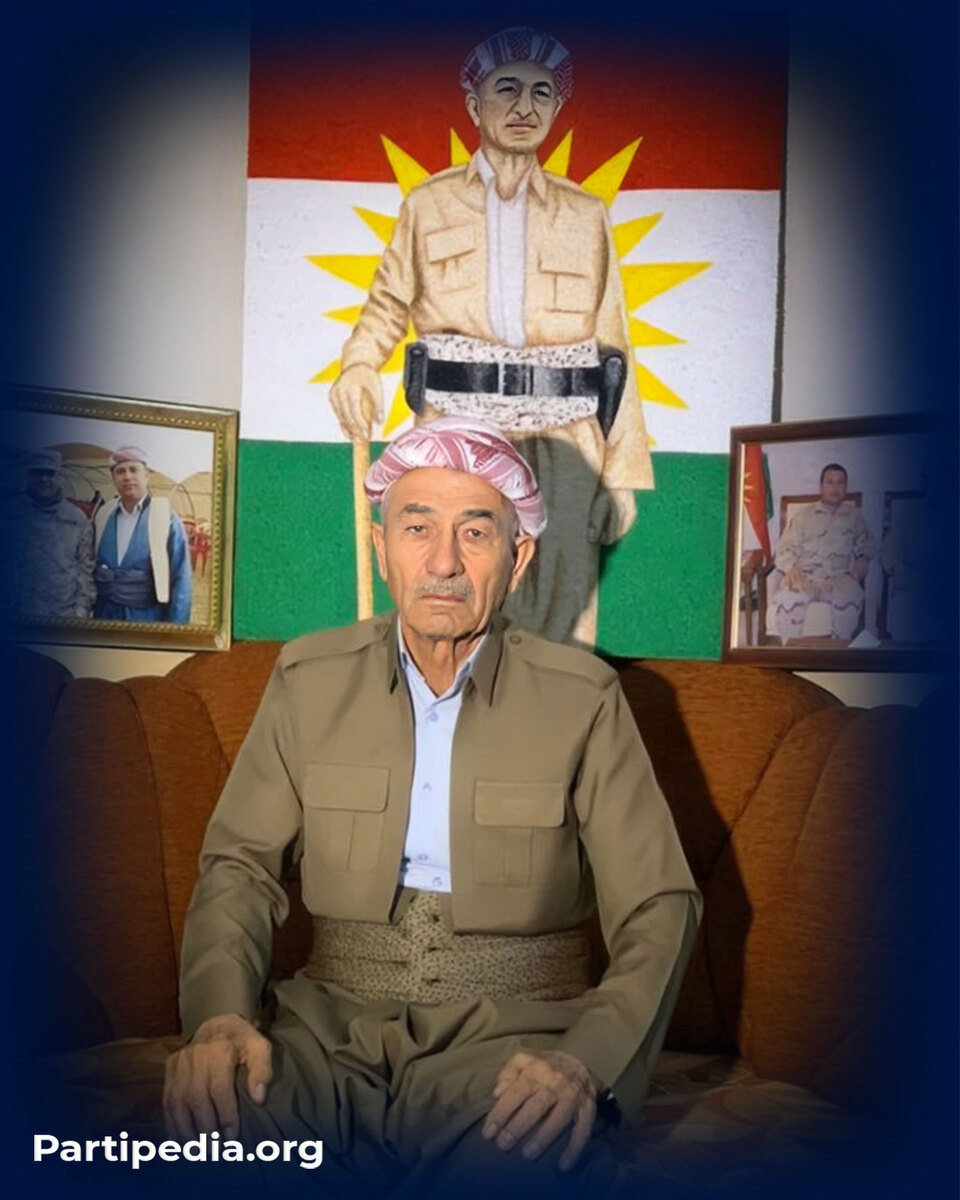
Şivan Perwer has produced more than thirty albums, music videos and documentary films. Several books have been written and published about his life. Şivan Perwer has been engaged in artistic work and singing for more than forty years. He has received several honorary doctorates and international music awards. The poems of the great Kurdish poet Cigerxwîn have become the melodies of his songs. Since Cigerxwîn is one of the great Kurdish poets, his poems were national and famous. Şivan Perwer was known by the poet Cigerxwîn as an advocate of Kurdish culture and history. Şivan Perwer had a close relationship with Hesen Ēbdulrehman Siwarî, Siwarî was one of the Kurdish nationalist figures and had close ties with most politicians and personalities from all parts of Kurdistan.
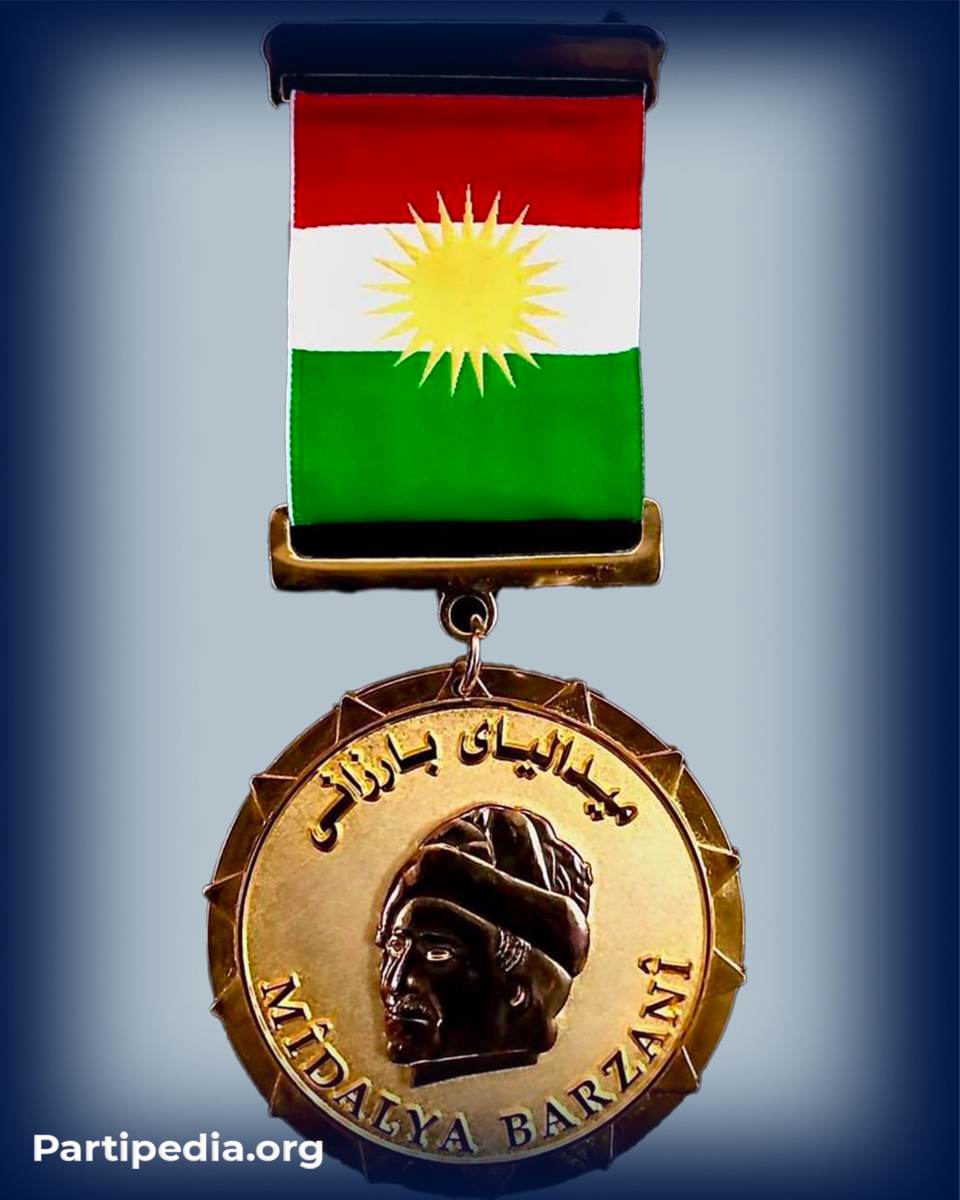
In return, Şivan Perwer had provided services to Kurdish art and music, and was one of the singers who had a great role and influence on the Kurdistan liberation movement. On June 3, 2001, he was awarded the Barzani Medal by President Masoud Barzani.
His song albums:
1- Freedom Fighters' Dance 1975
2- The Friend of the Load 1976
3- Herne Pesh 1977
4- O Euphrates 1978
5- Why Us 1979
6- Hey Dil 1980
7- The Kurdish People Rise 1981
8- Fire 1982
9- Nightingale - Farzê 1983
10- December 1985
11- But Dilber 1986
12- Halabja 1988
13- The Nightingale of Joy, Halabja 1988
14- My Dream 1991
15- The Basket Seller 1992
16- Ya Star 1995
17- Naz 1996
18- Your Hope 1999
19- Sun and Moon 2000
20- January 2001
21- Selected Poems 1 January 2002
22- Selected Poems 2 February 2003
23- Selected Poems 3 2004
24- I Miss You 2004
25- The Western Epic 2001
26- Petition, Complaint 2013
Source:
1. Archives of the Encyclopedia Committee of the Kurdistan Democratic Party.
Resources in other languages:
1- Jump up to:a b "Med-Music on the move: Music of immigrants in Europe". Retrieved January 7, 2009.
2- "Iconic Kurdish musician returns to Turkey after 38 years of exile to 'sing for peace'". Hurriyet Daily News. 16 November 2013. Retrieved 30 August 2020.
3- Jump up to:a b Journalist, İrfan Aktan. "Lo şivano, 'kîne em?' - Oy şivan, biz kimiz?". BBC News Türkçe (in Turkish). Retrieved 26 September 2019.
4- MusicMoz - Bands and Artists: P: Perwer, Sivan: Biographies
5- Kiyak, Mely (27 October 2014). "Essay: Ihr werdet nie in Sicherheit sein". Spiegel Online. Vol. 44. Retrieved 26 September 2019.
6- "Sivan Perwer - PRI's The World". Retrieved January 7, 2009.
7- Jump up to: a b Reynolds, James (18 November 2013). "Returning hero divides Kurds". Retrieved 26 September 2019