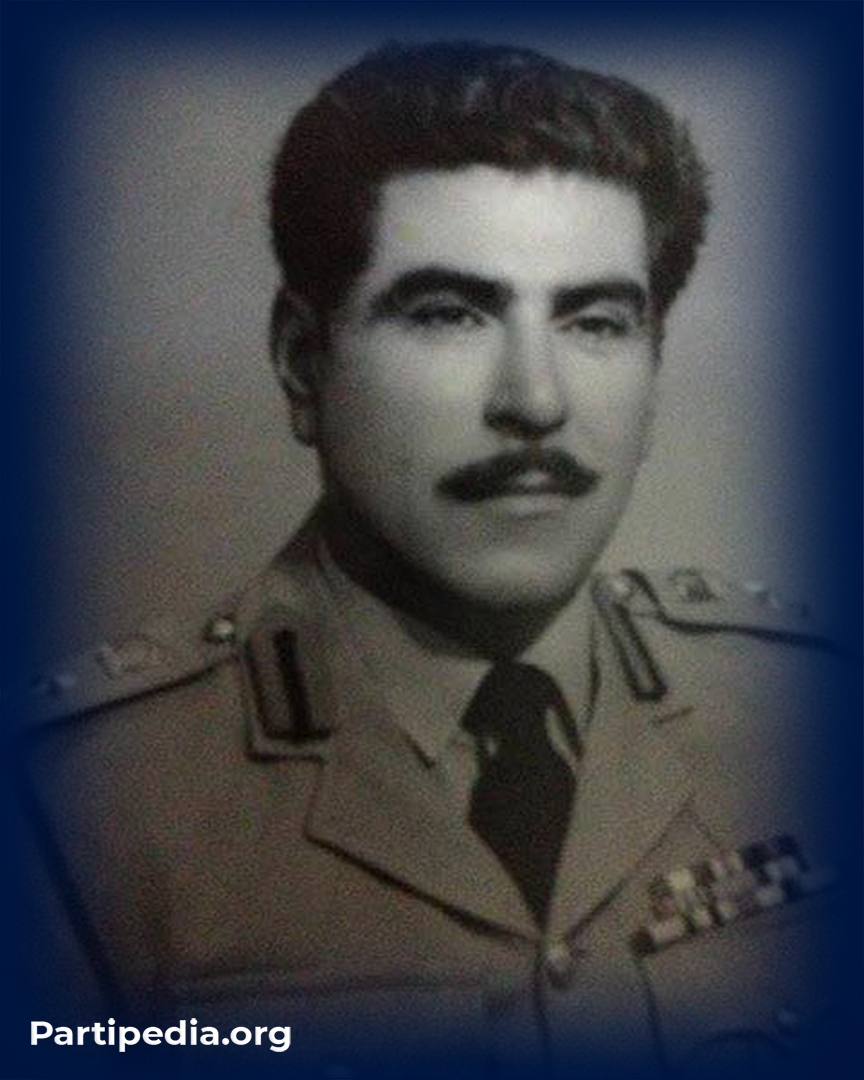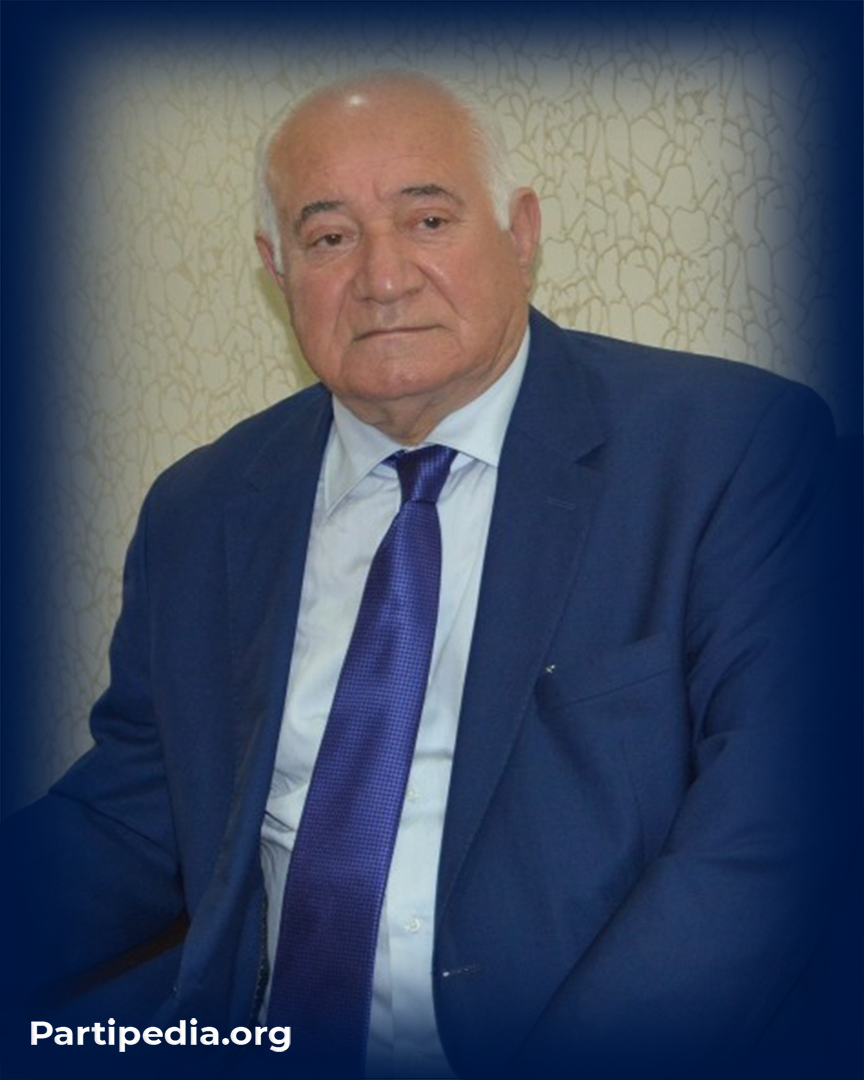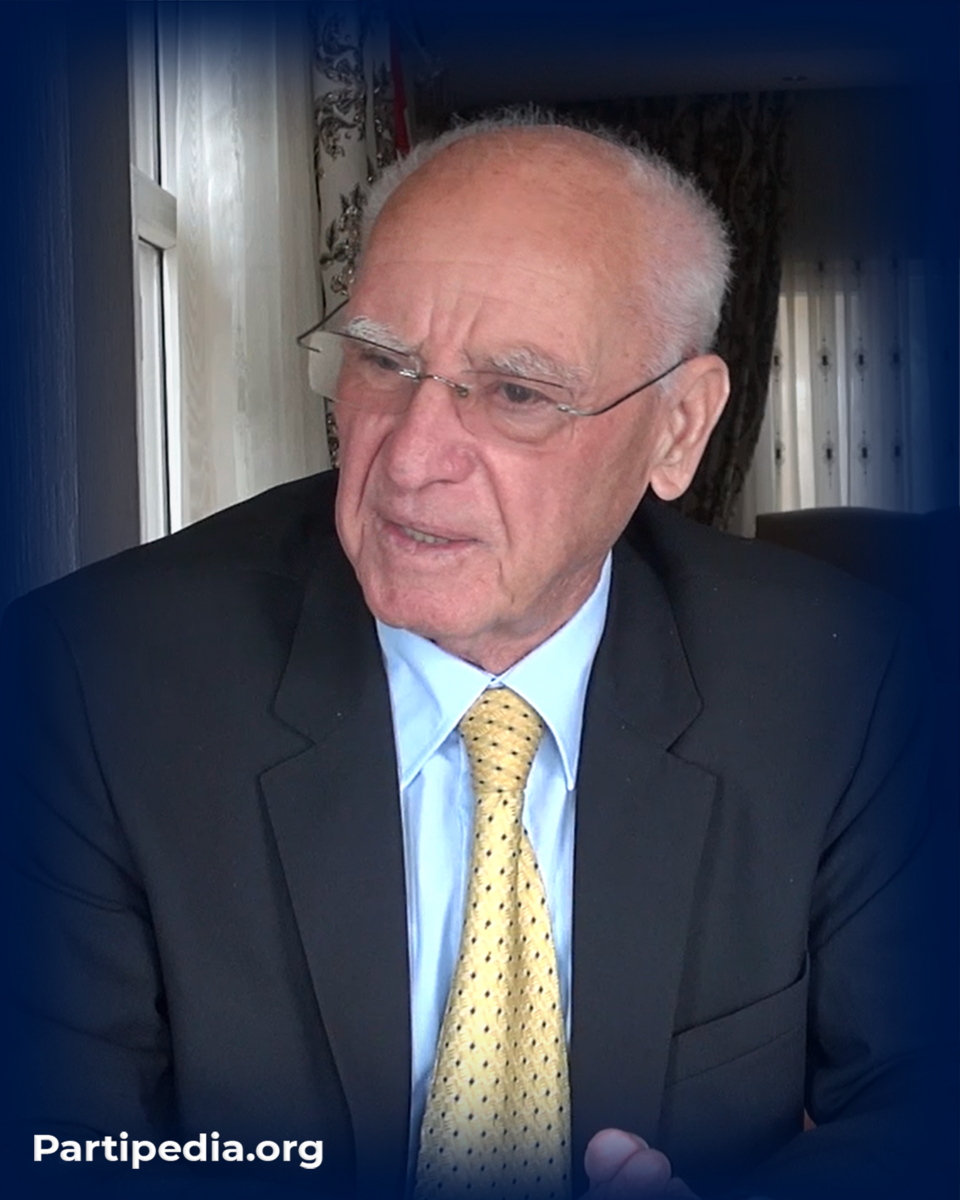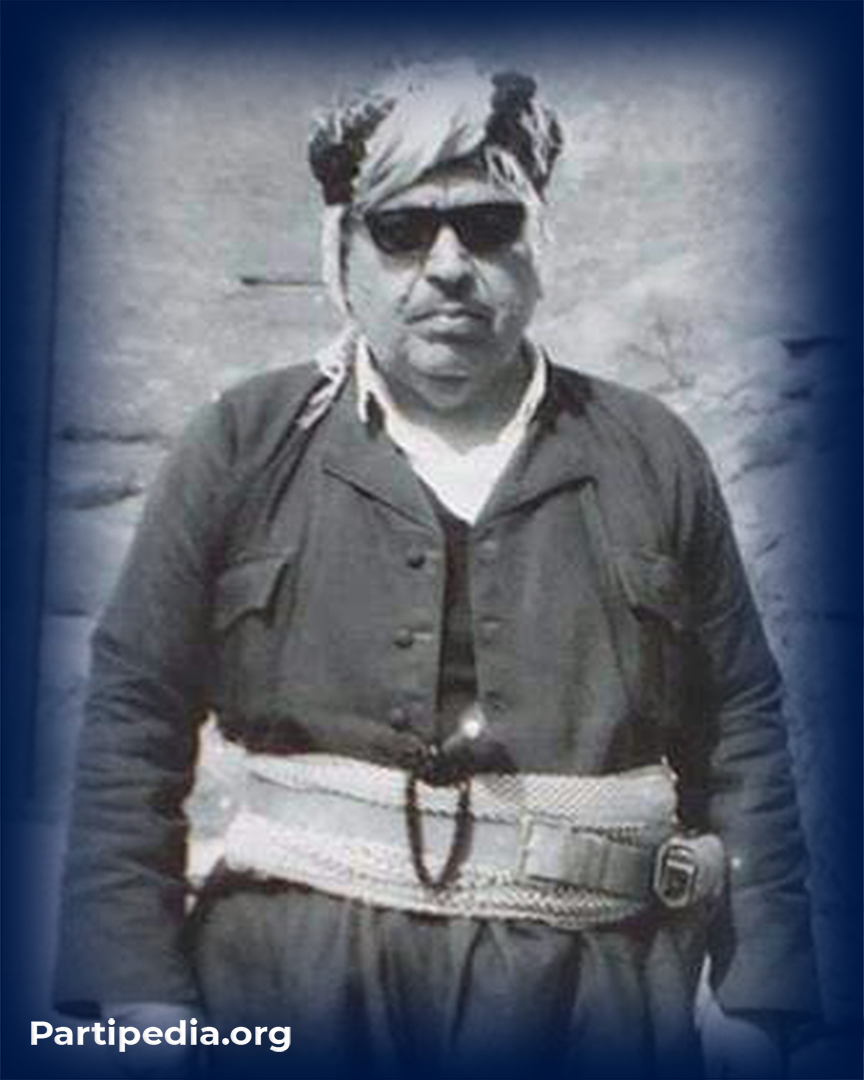


Abdulla Sadiq Ahmed Sayib Taha, known by the names (Reis Abdulla Berwari and Dupishk). An officer and politician, he joined the ranks of the Kurdish Liberation Party in 1945 and served under the pseudonym "Dupishk". In 1950, he joined the ranks of the Kurdistan Democratic Party. In 1950, he joined the ranks of the Libyan army, and on May 3, 1955, he participated in a six-month service in the Iraqi army and was promoted to the rank of second lieutenant. In 1979, he was elected a member of the central committee and political school of the Kurdistan Democratic Party at the ninth congress. He passed away in Vienna in 1981.
Biography
Abdulla Sadiq Ahmed Sayib Taha was born in Duhok province. In 1945, he joined the ranks of the Kurdish Liberation Party and served under the code name (Dupishk). In 1950, he joined the ranks of the Kurdistan Democratic Party. In 1950, he joined the ranks of the Libyan army, which was under the command of the British Empire. In the 3rd May 1955 campaign, he participated in the Iraqi army for six months and left with the rank of second lieutenant. In 1960, he received the honor of membership in the Kurdistan Democratic Party. In the years (1965 - 1967) due to political activities, he was imprisoned by the Iraqi Army Intelligence Service in the Nugra Salman prison and was expelled from the ranks of the Iraqi Republic Army. After being released from prison in 1967, he joined the ranks of the revolution with the rank of lieutenant colonel.
Worksheet
Abdullah Sadiq Ahmed Sayib Taha became the commander of the 3rd Surdas Battalion of the Liberation Force of the 3rd Army in 1967. In 1967, he became the Deputy Commander of the Liberation Forces of the 3rd Army. In 1968, he participated in the Surdas Battle against the Iraqi army forces. On November 6, 1969, he was one of the commanders of the Merge Battle on the border of Sulaymaniyah province against the Iraqi army. At the end of 1969, he was one of the commanders of the Surdas Battle on the border of Sulaymaniyah province. In the years (1969 - 1970), he was the commander of the Liberation Force of the 3rd Army. In 1970, after the March 11 agreement between the leadership of the September Revolution and the Iraqi government, he was appointed commander of the sixth battalion of the Surdashi border guards (Heres Al Hidud) with the rank of Raid.
In 1971, an arrest warrant was issued by the Iraqi authorities and he contacted the Peshmerga forces. In 1974, he contacted the Peshmerga forces for the second time. In 1975, after the defeat of the September Revolution, he emigrated to Shahnishin, Iran. In April 1975, President Masoud Barzani in preparation for May Revolution has been in contact with him. In the years (1976 - 1979) his house in the town of Karaj near Tehran in the Iranian Empire was a shelter for Peshmerga who were being transferred from the liberated areas and were returned there with the aim of finding a solution. In 1977, he went to London with the aim of finding a solution and in 1979, he was elected as a member of the central committee of the Kurdistan Democratic Party (ninth congress) by the congress delegates. In 1979, he was elected as a member of the political school at the first meeting of the central committee of the Kurdistan Democratic Party. In August 1979, he requested asylum from the British Empire due to illness.
In January 1979, he became the first commander of the Kurdistan Democratic Party forces, which were formed in the second, third and fourth lines of the Kurdistan Democratic Party and were based in Bemo Mountain as the initial headquarters. At the end of 1980, he participated in the Haji Omaran battle in Erbil province against the Iraqi army forces as a commander and member of the military school of the Kurdistan Democratic Party and was wounded in this battle. On November 28, 1981, he died of tuberculosis in Vienna and was buried there with honors. On November 4, 2001, his body was brought to the Haji Omaran border to Southern Kurdistan and was buried in the Şaxkê cemetery in the city of Duhok. He was fluent in Kurdish, Arabic, English and Persian.
Source:
1 - Archives of the Encyclopedia Committee of the Kurdistan Democratic Party.