

In 1970, he became a Sergeant in the Zakho Border Guard. In 1974, he was appointed Commander of the First (1) Zakho Battalion. In the same year, he participated in the battles of Çayê Spî, Koxa Nêriya, and Geruya Omer Axa in the Diyana district of Erbil province.
In 1975, after the defeat of the September Revolution, he went to Northern Kurdistan and illegally stayed in the villages of Fereshin, Melis, Baytulshebab, Uludere and later in the cities of Van and Batman. In January 1979, he crossed into Eastern Kurdistan with his family. At first, he lived in the Zewe camp, and then in March 1980, he went to the city of Nexeda and collaborated with the forces of Abdulrahim Jasim and Ali Khalil Khoshewi. In 1982, he returned to Southern Kurdistan and the Margesor area of Erbil province with Idris Barzani, Sheikh Muhammad Khalid and Mulazim Yunis, and spent almost 6 months in the Ketine district. In 1991, during the uprising and uprising in Southern Kurdistan, he returned to Haji Omaran with a force of Peshmerga fighters in Zakho. In the same year, he became the Commander of the Hamrin Forces in Zakho. In 1997, he was given the task of coordinating relations between the KDP and Turkey at the Silopi border crossing.
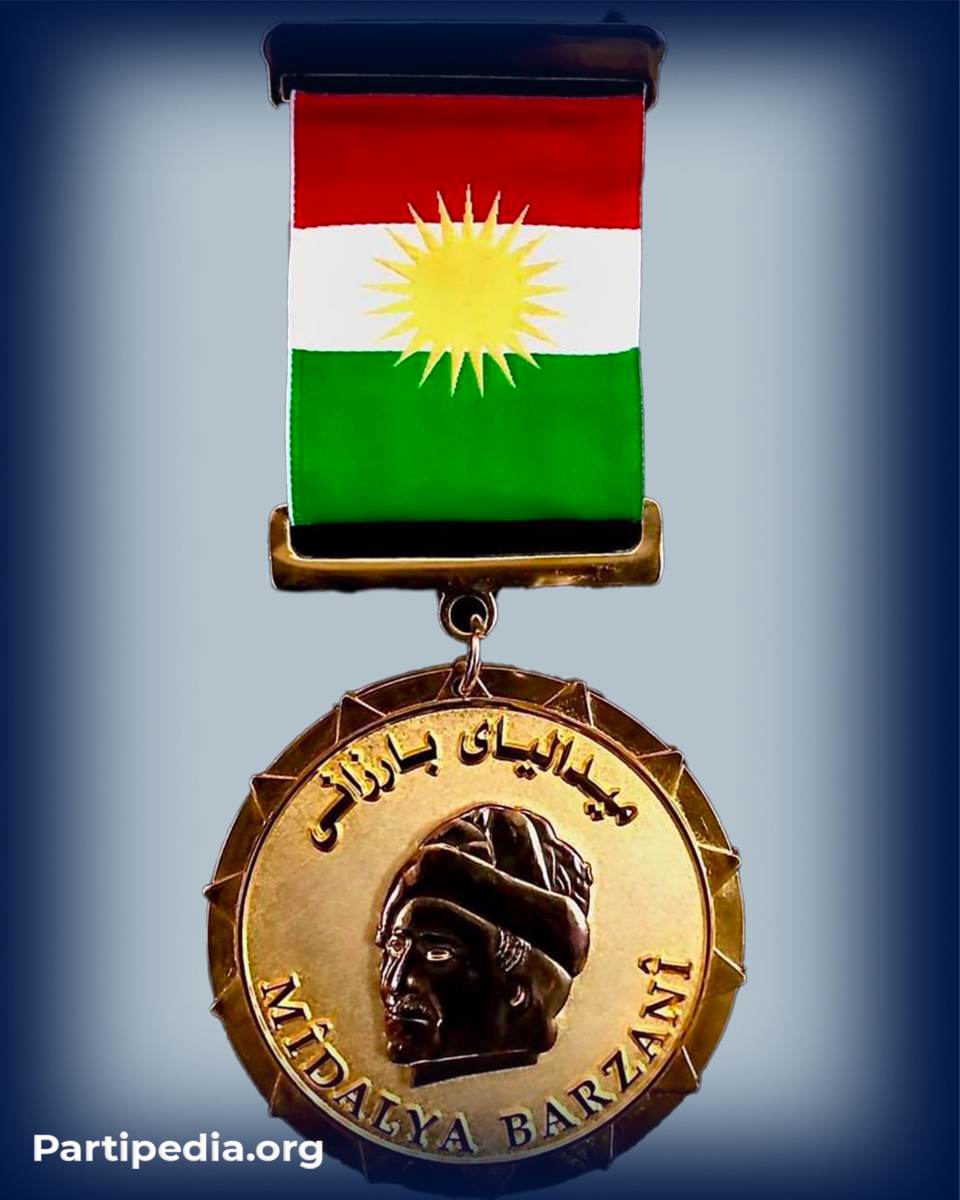
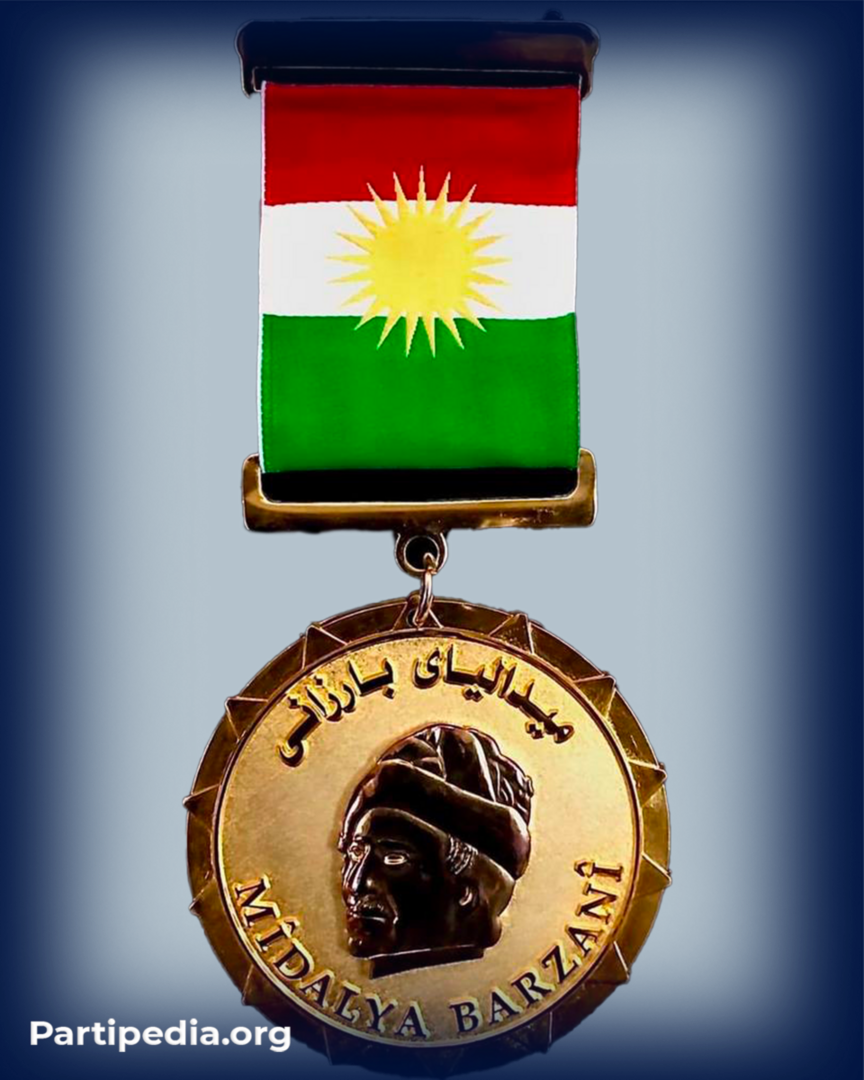
Omer Ali Halo, in addition to his father being martyred in the September Revolution, his mother and a brother named Lezgin were also martyred by grenades thrown at their home in 1964. Eight of his cousins were also martyred in 1964 and 1965. In 2010, at the thirteenth congress of the Kurdistan Democratic Party, President Masoud Barzani He has received the Barzani Medal.
Source:
1. Archives of the Encyclopedia Committee of the Kurdistan Democratic Party.