


Biography
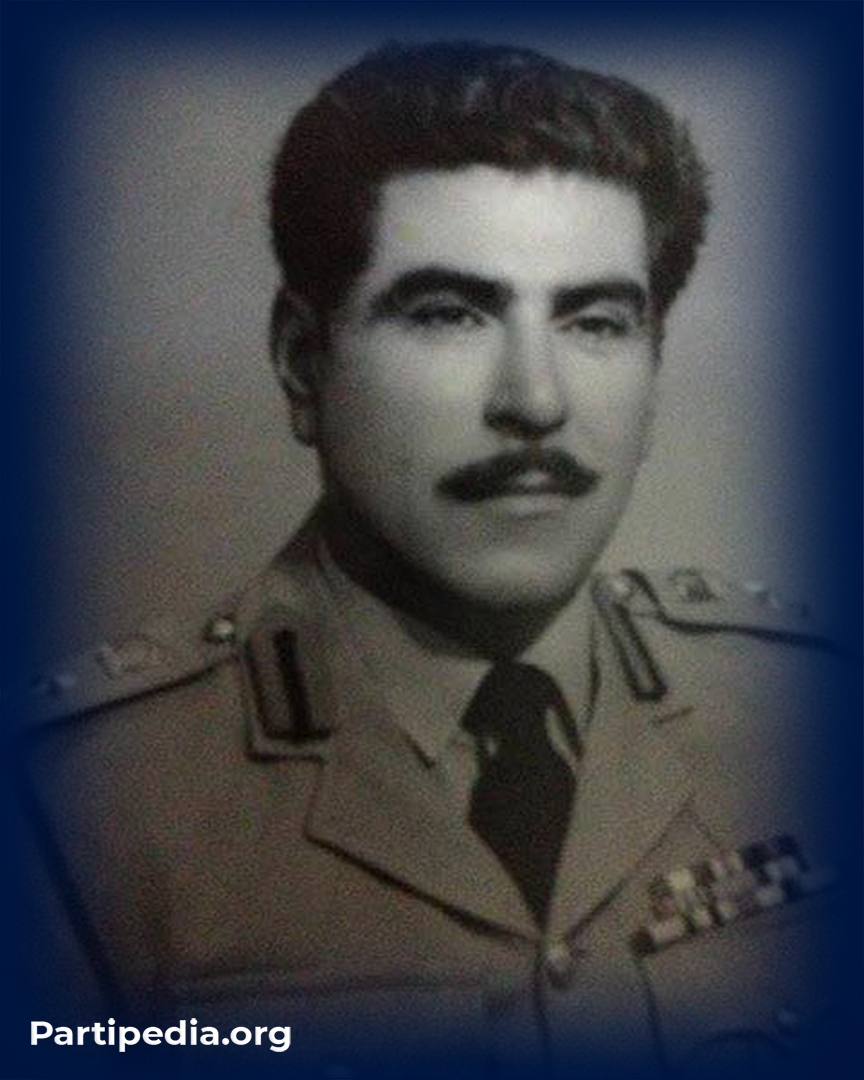
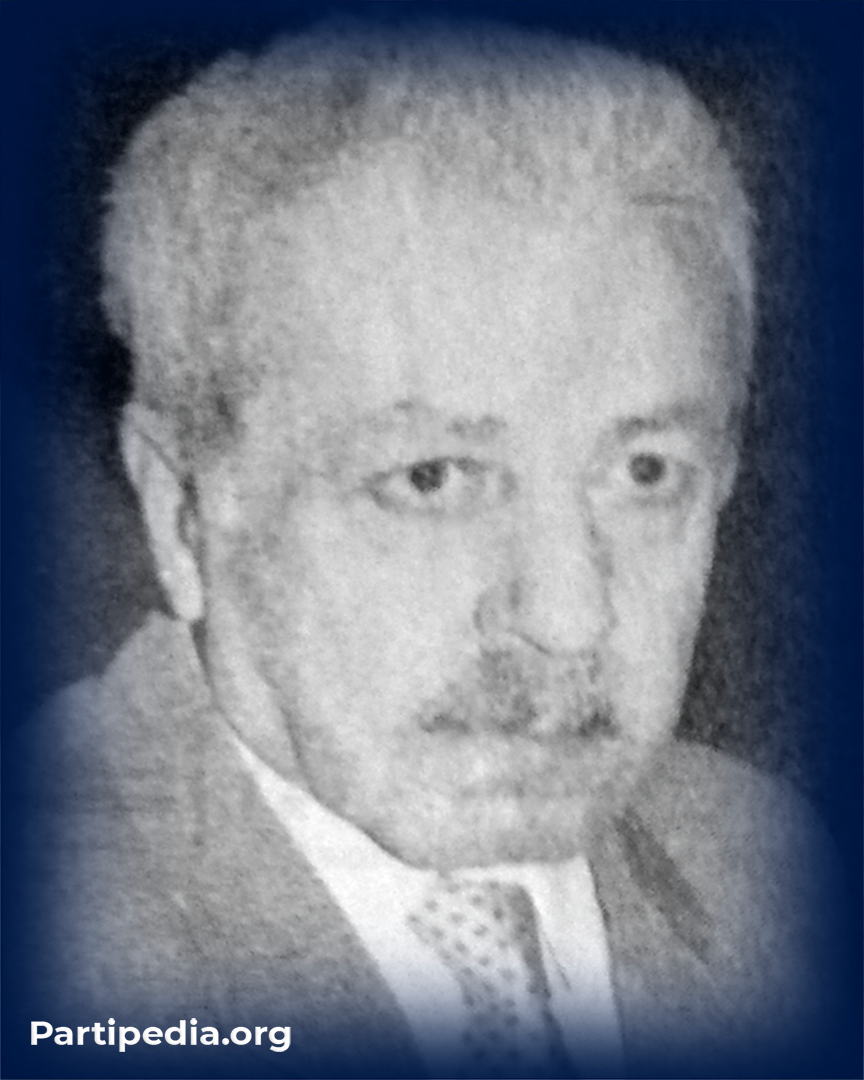
Teacher Hashim Hassan Rashid Hassan, known as Hashim Akrey and Hashim Haji Hassan, was born in 1926 in the city of Acre, Mosul province. He graduated from the Teachers' College in Sulaymaniyah in 1948. He was a school administrator from 1954 to 1958. In 1958, he was the administrator of the first primary school in Acre and was promoted. In 1959, he was deported as a teacher to the village of Ali al-Gharbi in the Maysan (Amara) province in southern Iraq. In early 1960, he was deported by the Iraqi authorities to the Amara province in southern Iraq. In 1964, he became a teacher at the secondary school in Galala, the only secondary school in the province. September Revolution He passed away on October 5, 1990 in Baghdad and was buried in the Pirban cemetery in the city of Acre, Duhok province. He was fluent in Kurdish, Arabic, and English.
Worksheet
Teacher Hashim Akrey joined the Kurdish Hawaiian Party in 1943 in the city of Akre, Mosul province. In 1946, he joined the ranks of the Kurdish Democratic Party. In 1953, he joined the Kurdistan Qutabi (Students) Union. In 1958, he was in charge of the Akre District Committee. In 1959, he was a representative of the Fourth Congress of the Kurdistan Democratic Party - Iraq. In 1959, he was a member of the First League committee. In 1959, he was arrested and tortured by the Mosul coup plotters under the command of Colonel Abdulwahab Shawaf.
In 1960, he was elected as a member of the Central Committee of the Kurdistan Democratic Party (KDP) by the representatives of the Congress (5th Congress). In 1960, after the Fifth Congress of the Kurdistan Democratic Party (KDP), he was appointed as a member of the first division committee of the Kurdistan Democratic Party (KDP) from the fifth cadre group under the leadership of engineer Nuri Sediq Ali (1922-1981), also known as Nuri Shaweys. In 1961, he continued his service in the sixth cadre group under the leadership of Salih Abdullah Necmeddin (1918-1981), also known as Seyda Salih Yusfi. In 1961, he joined the ranks of the Peshmerga Forces. In 1963, he became a representative of the First People's Congress (Koye Congress). In 1963, he was appointed as a member of the delegation by the People's Congress. September Revolution He was appointed to negotiate with the Iraqi government and arrived in Baghdad on March 30 to discuss the rights of the Kurdish nation. He was then arrested and tortured by the Iraqi government until 1964, when he was released after negotiations with Iraqi authorities.
At the end of December 1963, he participated in a broad meeting to establish a revolutionary leadership council in the town of Ranya in Sulaymaniyah province, which was unsuccessful. On April 4, 1964, he was expelled from the ranks of the Kurdistan Democratic Party (KDP) by the Political School at the General Assembly of Mawet due to the support of President Mustafa Barzani (1903-1979). In early May 1964, he was elected as a member of the Preparatory Committee of the Sixth Congress of the Kurdistan Democratic Party. In 1964, he was elected by the congress delegates as a member of the Central Committee of the Kurdistan Democratic Party (Sixth Congress of the Kurdistan Democratic Party). In 1964, he was elected as a member of the Political School at the first meeting of the Central Committee in the village of Sangesar in Sulaymaniyah province. In 1964, he became a member of the Council of the Kurdistan Democratic Party. Revolutionary Leadership in Iraqi Kurdistan, in 1964 he became a member of the Constitutional Committee of the Executive Office, in 1965 he became the head of the first league committee, on December 10, 1965 he was a member of the delegation of the Kurdistan Democratic Party (KDP) headed by Habib Muhammad Karim, the Secretary of the Kurdistan Democratic Party (KDP), for negotiations with the Iraqi government, in 1966 he was elected by the congress delegates as an alternate member of the Central Committee of the Kurdistan Democratic Party (7th Congress of the Kurdistan Democratic Party), in 1967 he published articles in the magazine Dengê Kurdistan (South Kurdistan), which is the organ of the first league of the Kurdistan Democratic Party (KDP), in 1968 he was the head of the first league committee, in 1968 he was the director of the first course of the Revolutionary Teachers' Institute in the town of Galale, in the years In 1968-1969, he was the director of the first course of the Institute of Revolutionary Teachers and taught psychology. In 1968-1969, he was the director and teacher of the sociology department of the first course of the Kurdistan Democratic Party (PDK) cadre training school in the village of Çomanê, Erbil province. In 1969, he became a volunteer Arabic language teacher at Gelale Secondary School. In 1969, he was the director of the second course of the Institute of Revolutionary Teachers. In 1969, he became the director and teacher of sociology and modern history in the second course of the Kurdistan Democratic Party (PDK) cadre training school in the village of Nawpirdan, Erbil province. In 1970, he was elected by the Congress representatives as a member of the Central Committee of the Kurdistan Democratic Party (Eighth Congress of the Kurdistan Democratic Party).
from his works:
-
Theory of the concept of democracy in the thought of the Arab Socialist Baath Party – 1980.
-
Wahdetuna El-watenye fi miwajihat El-Adu 1981. (Our national unity against the enemy – 1981).
Source:
-
Kurdistan Democratic Party Encyclopedia Committee Archives.
-
Ali Sinjar, Al-Qazye Al-Kurdye and the Al-Ba'si Al-Arab Al-Ishtiraki Party in Al-Iraq, (Duhuk, Xanî Press - 2013m) p 419.
-
Chris Kuchra, The Civil War, translated by Abraham Younis, second edition, (Tehran Institute of Intisarat, 1377), 376.
-
Mustafa Nariman, Dictionary of Kurdish Writers, (Baghdad, General Secretariat for Culture and Youth, Asad Press, 1986), p. 150.
-
Shwan Mohammed Emin Taha Khosnaw, Hewlêr between 1963-1970: a historical study of the political situation, (Hewlêr - Salaheddin University Press - 2016), pp. 114, 158.
-
Abdurrahman Sharafkendi, The Miracle of the Magi, (Paris, 1997), p. 442.
-
Shawkat Xeznedar, Travels and the environment of the Al-Hizb Al-Shiyo'i Al-Iraqi ... My Thoughts on the Intrusion, (Beirut - Dar Al-Kunoz Al-Adabiya - 2005), pp. 281-282.
-
The Duhuk Gazette, Zargros Magazine, Ministry of Culture - Kurdistan Climate, issue 5, Erbil, April 1998, p. 14.
-
Tofiq Mullah Sediq, Memories of the Partisan Days, the Peshmerga and My Expulsion, Second Edition, (Hewler, Shahab Press, 1996), pp. 56, 68, 70, 72, 81.
-
Latif Nadir Rawandzi, The Importance of the Kurdistan Information Agency in the Great September Revolution, Gulan Magazine, issue 132, Hewlêr, 02.08.1997, pp. 45-46.
-
Jamil Hussein Al-Jiburi, the author of the book "Al-Iraq in the Age of the Republic" 1958-2003, Al-Juz Al-Awl, (Al-Cairo Al-Makteb.
-
Website of the First League of the Kurdistan Democratic Party (PDK): www.pdk ـ leqa1.com.
-
Mihemed Mela Qadir, Brief History of the Barzani Party and Culture, 2nd Edition, (Hewlêr - Aras Publishing House - 2007), pp. 55, 61, 62, 68.
-
Presidential Decree No. 63, Al-Waqa' Al-Iraqiyya newspaper, Al-Adil Ministry, Al-Aded 2638, Baghdad, Al-Isnayn, February 20, 1978, p. 9.
-
Masoud Barzani, Barzani and the Kurdish Liberation Movement, Volume Three, Second Edition, (Hewlêr - Ministry of Education Press - 2002), pp. 144, 253, 291.
-
Masoud Barzani, Barzani and the Kurdish Liberation Movement, Volume III, Part II, (Hewlêr, Ministry of Education Press, 2004), p 104.
-
Wasfi Hesen, Introduction September Revolution in the Behdinan Area 1961-1963, (Duhok, Xanî Press, 2012), p 168.