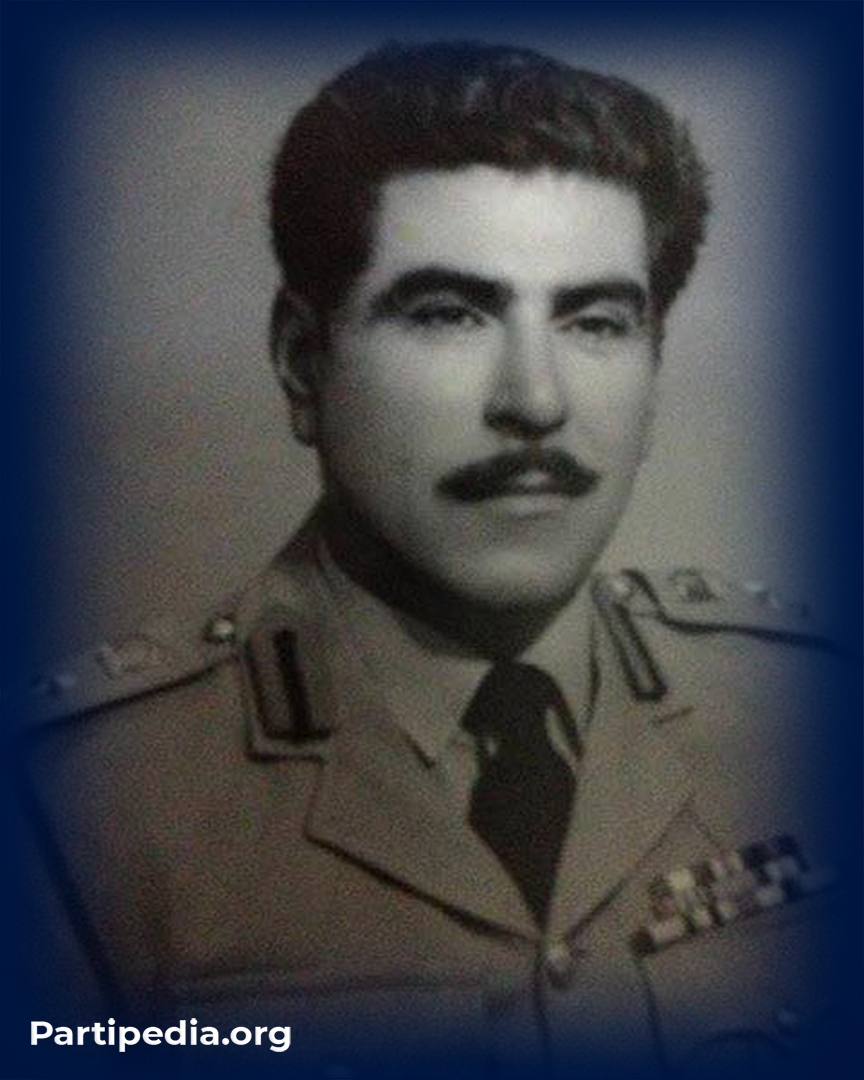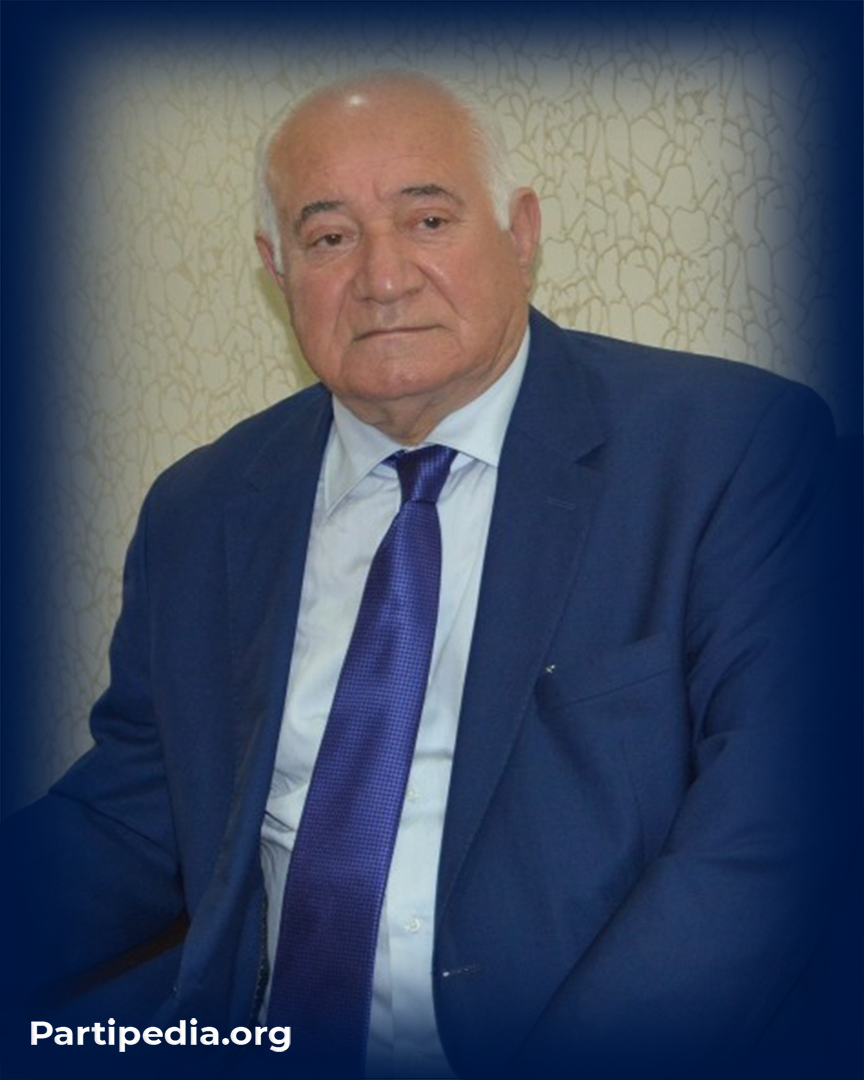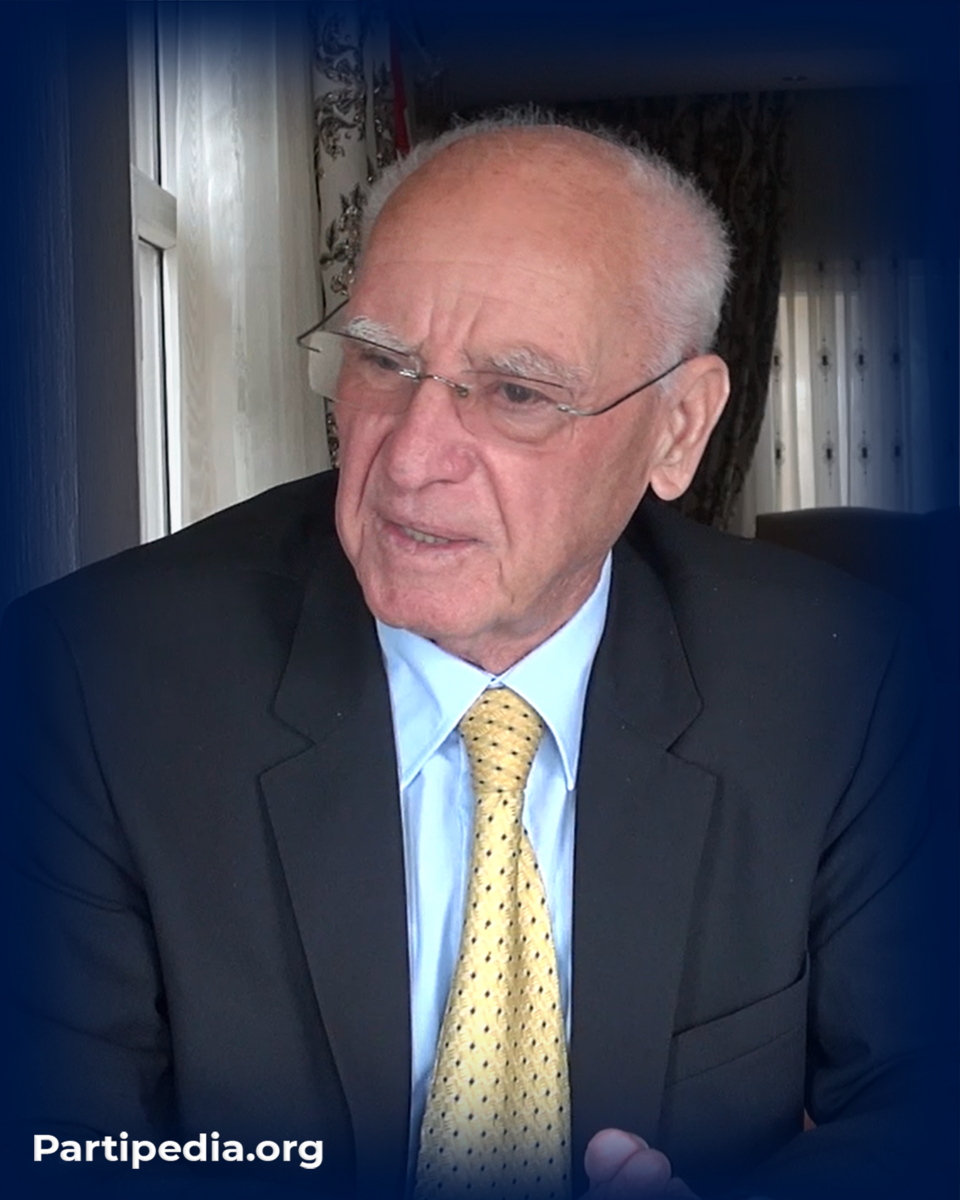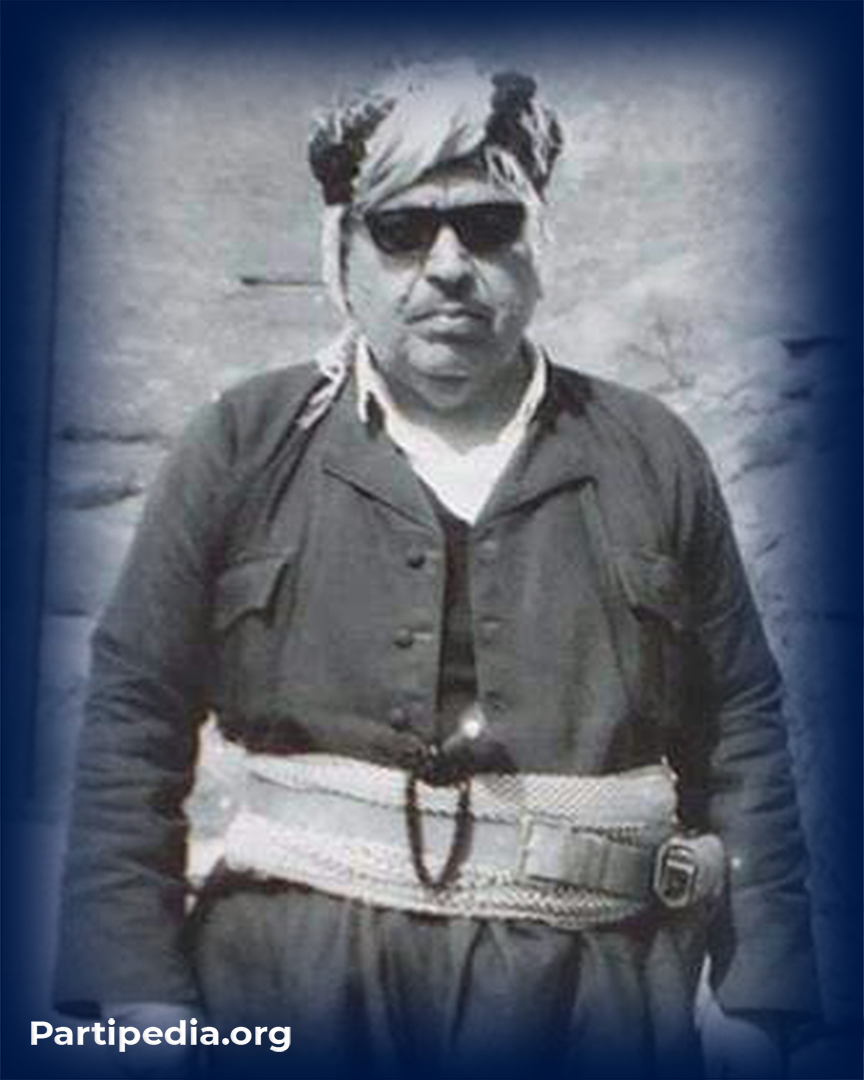



Fuad Jalal Xerib Tofiq, known as (Dr Fuad), is a politician who joined the ranks of the Kurdistan Democratic Party in 1951. In 1963, he became the Secretary of the Kurdistan Students' Union. In 1964, he was elected a member of the central committee of the Kurdistan Democratic Party by the delegates of the sixth congress. In 1964, he became a member of the Revolutionary Leadership Council in Iraqi Kurdistan. In 1964, he became the head of the fourth branch of the Kurdistan Democratic Party. At the end of 1965, he was elected a member of the working office (al mekteb al tanfizi) of the Revolutionary Leadership Council in Iraqi Kurdistan.
Biography
Fuad Jalal was born in 1933 in Sulaymaniyah province. In 1960, he received a bachelor's degree in veterinary medicine from Baghdad University. In 1960, he became the director of the Bakirco Forest Command. In 1975, after the defeat of the September Revolution, he emigrated to the Shah of Iran. In 1976, he returned to Southern Kurdistan and was exiled by the authorities of the Arab Socialist Ba'ath Party to the city of Amara in southern Iraq and was appointed as the Director of the Misan Veterinary Hospital. At the beginning of 1977, he became the General Manager of the Peleweri Company in the North District of Erbil. In 1978, he was transferred to Baghdad and served with the rank of Director of the Peleweri in Baghdad.
He was established in 1979 as the Governor of Tasluc in Sulaymaniyah and was granted the right to return to Kurdistan. In 1979, he was transferred to the Governor of Erbil. In 1980, he was promoted to the position of General Governor of Baghdad. He retired in 1982. He was fluent in Kurdish, Arabic and English. He died of tuberculosis in London on 26 November 2013 and his body was transferred to Sulaymaniyah and buried in the Girdi Seywan cemetery.
Worksheet
Fuad Jalal joined the ranks of the Kurdistan Democratic Party in 1951. In 1953, he joined the ranks of the Kurdistan Qutabi Union. On February 16, 1959, he became a member of the Qutabi business committee with the aim of resolving the problems of Kurdish students. In 1960, he became a representative of the fifth congress of the Kurdistan Democratic Party. In 1961, he established contact with the Peshmerga forces. On July 19, 1961, he was established at the veterinary hospital in Erbil. In 1963, he became the commander of the Hazarmard battle on the border of Sulaymaniyah province. In 1963, he became the Secretary of the Kurdistan Qutabi Union. On July 24, 1963, until October 26, 1967, he was dismissed from his post by the Iraqi government because of his Kurdishness. In 1963, he made contact with the ranks of the Peshmerga forces.
In 1964, he participated in the Mawet general assembly but opposed its decisions. Mawet Conference standing and support of the President Mustafa Barzani In 1964, due to his bias towards President Mustafa Barzani He was elected to the Central Committee of the Kurdistan Democratic Party by the representatives of the sixth congress in 1964. In 1964, he became a member of the Revolutionary Leadership Council in Iraqi Kurdistan. In 1964, he became the head of the fourth branch of the Kurdistan Democratic Party. At the end of 1965, he was elected a member of the working office (al mekteb al tanfizi) of the Revolutionary Leadership Council in Iraqi Kurdistan. In 1974, with the beginning of the war between the Kurdistan Democratic Party and the Ba'ath Party, he contacted the ranks of the Peshmerga forces. In 1974, he was wounded in a bombardment by Iraqi air force planes. In 1975, after the defeat of the September Revolution, he emigrated to the Shahnishin of Iran.
Source:
1 - Archives of the Encyclopedia Committee of the Kurdistan Democratic Party.
2 - Habib Muhammad Karim, History of the Democratic Party of Kurdistan in Iraq (in terms of leadership) 1946 - 1993 (Dihok - Xebat Press - 1998), pages 91, 104, 110.
3 - Şekîb Aqrâwî, Senewat al mahniye fî Kurdistan ahem al hewadis al siyasiye wal askeriye fî Kurdistan wal Iraq min 1958 ala 1980, al taba'a al saniye, (Erbil - Minar printing house - 2007), page 157.
4 - Abdulstar Tahir Sharif, Debate on Life (Memoirs) 1935 - 1971 - first volume, (Kirkuk - Arabxa - 2005), page 103.
5 - Ismet Şerîf Wanlî, Kurdistan al Iraqiye huya wetaniye (Dîrasa fî sewre 1961), translated by Sad Mihemed Xizir, (Al Sulêmaniye - muesese Jîn ـ matba'a Şivan - 2012)m page 316.
6 - Rojin Chilbii Minir, Zakho July 14, 1958 - March 6, 1975 - (Unpublished - Zakho Center for Kurdish Studies 2018) page 226.
7 - Ali Sincari, The Truth About the Work of the Prophet, September 11, 1961, (Duhok - Xanî Press 2013) - page 290.
8 - Eli Sincari, My book on the Democratic Party of Kurdistan, (Dihok - Xanî Press 2015), page 37.
9 - I have included the history of the student movement in Kurdistan (without a place - the student movement and the democratic party in Kurdistan - April 1992), page 19.
10 - Rojin Celebi Minir, Zakho, July 14, 1958 - March 6, 1975, (Unpublished - Zakho Center for Kurdish Studies 2018) page 226.
11 - Masoud al-Barzani, al-Barzani wal herek al-tahririye al-Kurdiye, al-mujalad al-salase, (Erbil - Ministry of Education Press 2002), page 144.
12 - Mihemed Amir Dershevî, al baniye al diniye al siyasiye fî Kurdistan, (Erbil - Matba'a Hêvî 2016), page 316.
13 - Necmedin Ali Wesfi, Sewre Eylul Al Majideh, (Dihok - al far' al awal lil hizb al demoqratî al Kurdistanî - al mehad - matba'a kuliye al şerî'a 1995), page 20.
14 - Nizar Xeylanî, Asad Xeylanî keeps his memoirs (Hewlêr - Bedirxan Publishing House - Hêvî Publishing House 2014), p 73.