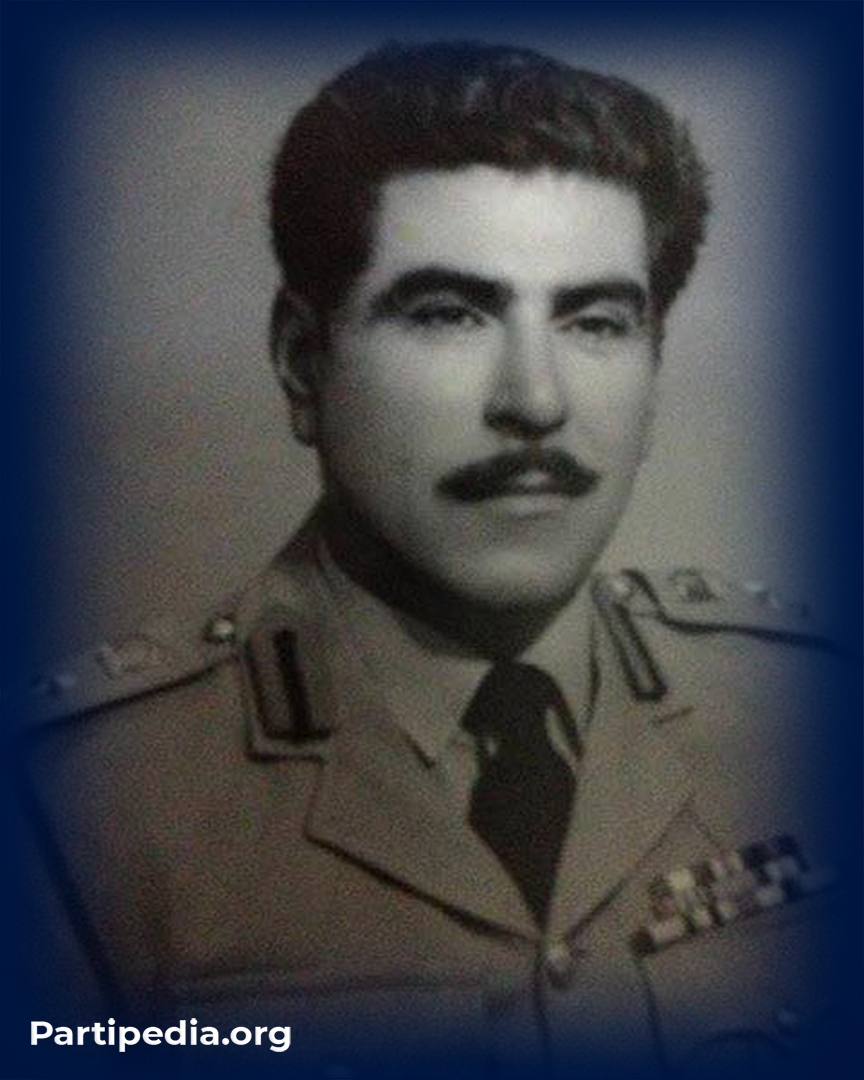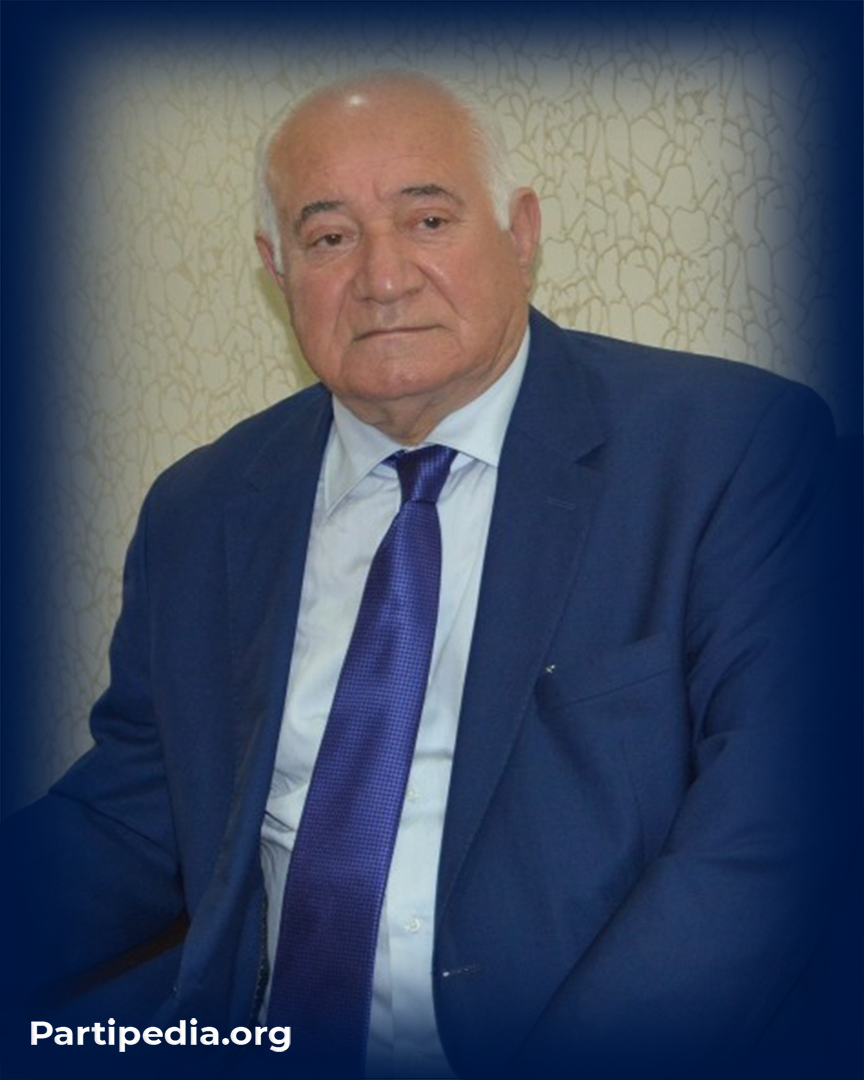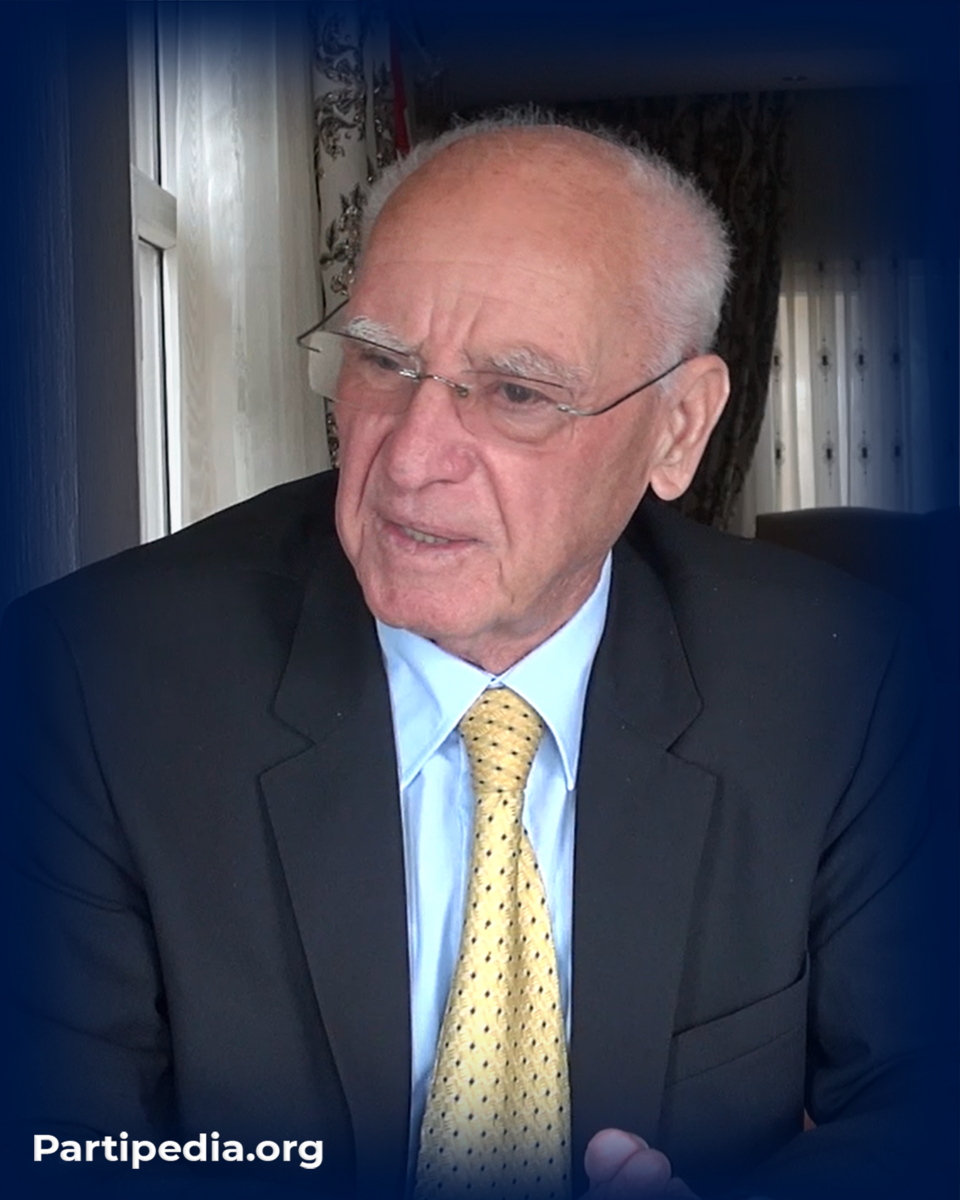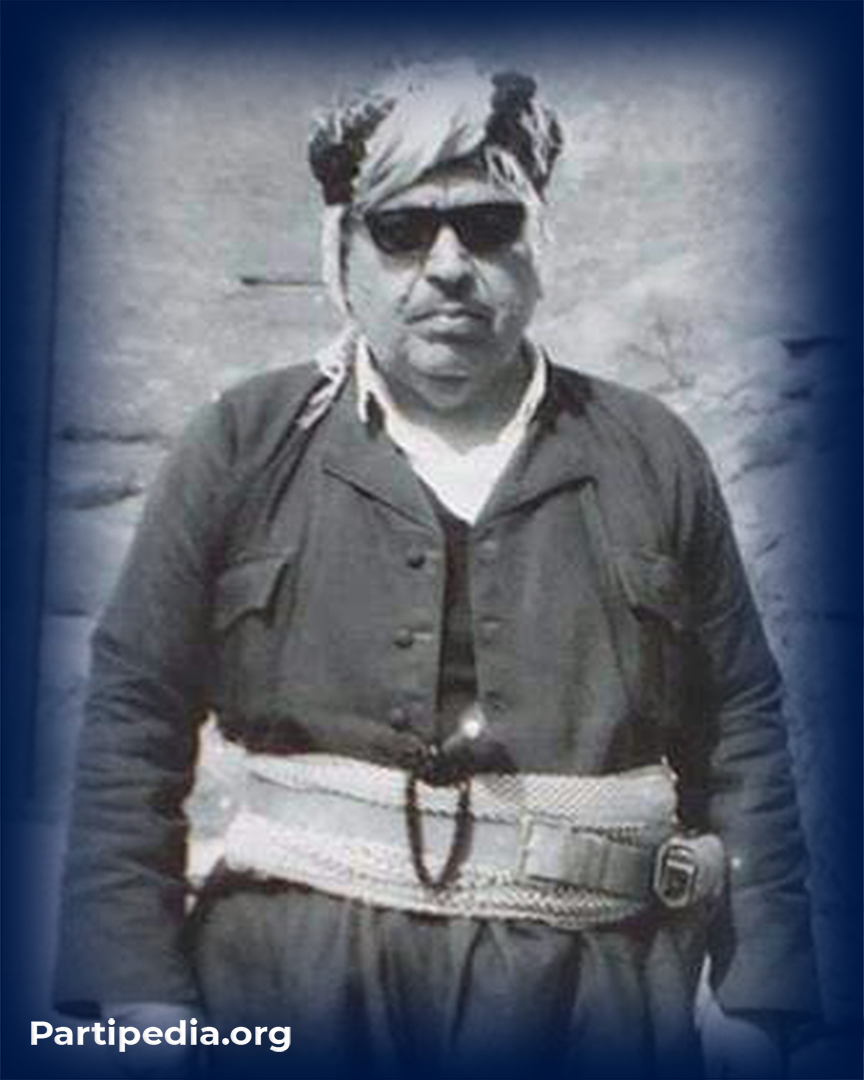



Abdul Suran Hasan Abdulrehman Axa, known as Abdul Qerani. The politician joined the Kurdish Democratic Party in 1952. In 1961, he joined the ranks of the Peshmerga forces. In 1964, he became the secretary of the fourth branch of the Kurdistan Democratic Party and supported General Mustafa Barzani and lives Mawet Conference He became a member of the political school. In 1970, he was elected as a member of the central committee of the Kurdistan Democratic Party by the representatives of the eighth congress.
Biography
Abdul Suran Hassan Abdulrahman Agha was born in Sulaymaniyah province. He is from the Qarani Agha family of Mukri. His ancestors came to Sulaymaniyah from Mukri by descent. He completed his preparatory school in 1954. In 1954, he became a member of the performance committee of the Sulaymaniyah post-central school for the performance of the plays Bruske and Shirin written by Emin Mirza Karim and Mr. Inspector written by Gogol. In 1955, he was sent to Shuayba in southern Iraq under the pretext of military service and was treated as a prisoner of war. In 1956, he was sent to the town of Badra in Kut province by the authorities of the Iraqi Empire due to his political activities. In 1957, he was severely tortured at the Criminal Investigation Directorate (Mudîriye Al Tehqîqat Cînaî) in Baghdad...
Worksheet
Abdul Suran Hasan Abdulrahman Axa joined the Kurdish Democratic Party in 1952. In 1961, he joined the ranks of the Peshmerga forces. In 1964, he became the secretary of the fourth branch of the Kurdistan Democratic Party. In April 1964, he met with President Erdoğan in the village of Sengeser with a group of cadres and commanders. Mustafa Barzani (1903 - 1979) have concluded and are against the decisions of the general assembly of the Kurdistan Democratic Party and express their support and support for the President and express their position of dissatisfaction with the political school. In early June 1964, he was elected as a member of the preparatory committee of the sixth congress of the Kurdistan Democratic Party. In mid-1966, he was appointed as a member of the preparatory committee of the seventh congress by the central committee of the Kurdistan Democratic Party. In 1970, he was elected as a member of the central committee of the Kurdistan Democratic Party by the representatives of the eighth congress. In 1971, he became the secretary of the fourth committee. In the years (1970 - 1974), he was the director of the municipality of Sulaymaniyah. On June 19, 1972 (Martyr's Day), he participated in the funeral of four martyred officers and the leader of the Kurdistan Democratic Party at the Girdi Seywan cemetery in the city of Sulaymaniyah, representing the leadership of the Kurdistan Democratic Party. In 1974, he made contact with the ranks of the Peshmerga forces for the second time. In 1975, after the defeat of the September Revolution, he went to the Shah of Iran as a refugee, but soon returned to Southern Kurdistan and was exiled to the city of Samawa in the Al-Musanna province in southern Iraq. On September 19, 1981, he was assassinated in the city of Sulaymaniyah and was buried in the Girdi Seywan cemetery in the city of Sulaymaniyah. He was fluent in Kurdish and Arabic.
Source:
1 - Mullah Bakhtiyar, Beyond the Mind, (Tehran - Observer Educational Center - 2020) page 22.
2 - Preparation, Salah Rashid, Mam Celal, A look at the age of the boy in the republican palace, first cover, (Sulaymaniyah - Karo Publishing House - 2017) page 84.
3 - Yasin Qadir Barzenji, a Sulaymaniyah playwright from 1926 to 1961, (Sulaymaniyah - Dezgay Çap û Pexşî Serdem - 2001) pages 57 - 59.
4 - Shakib Aqrawi, Saddam Hussein Nihuza and Nikusa, (Erbil - Haji Hashim Press - 2009) page 381.
5 - The Kurdish Socialist Party (Pasok), the Pasok Peshmerga militia, what crimes did intelligence services commit in Kurdistan, end of the first month of 1981, pages 1 - 2.
6 - Talib Moryasi, Journey to the Truth, first page, (June 2004) pages 138 - 148 - 153.
7 - Xelîl Abdalazîz, Muhatat min hayatî, (Baghdad ـ dar stur lil nishr wal tewzi 2018) page 29.
8 - Comrade Kiwêstanî, that national newspaper was still popular, (Sulaymanî - Karo Publishing House - 2017) pages 302 - 303.