

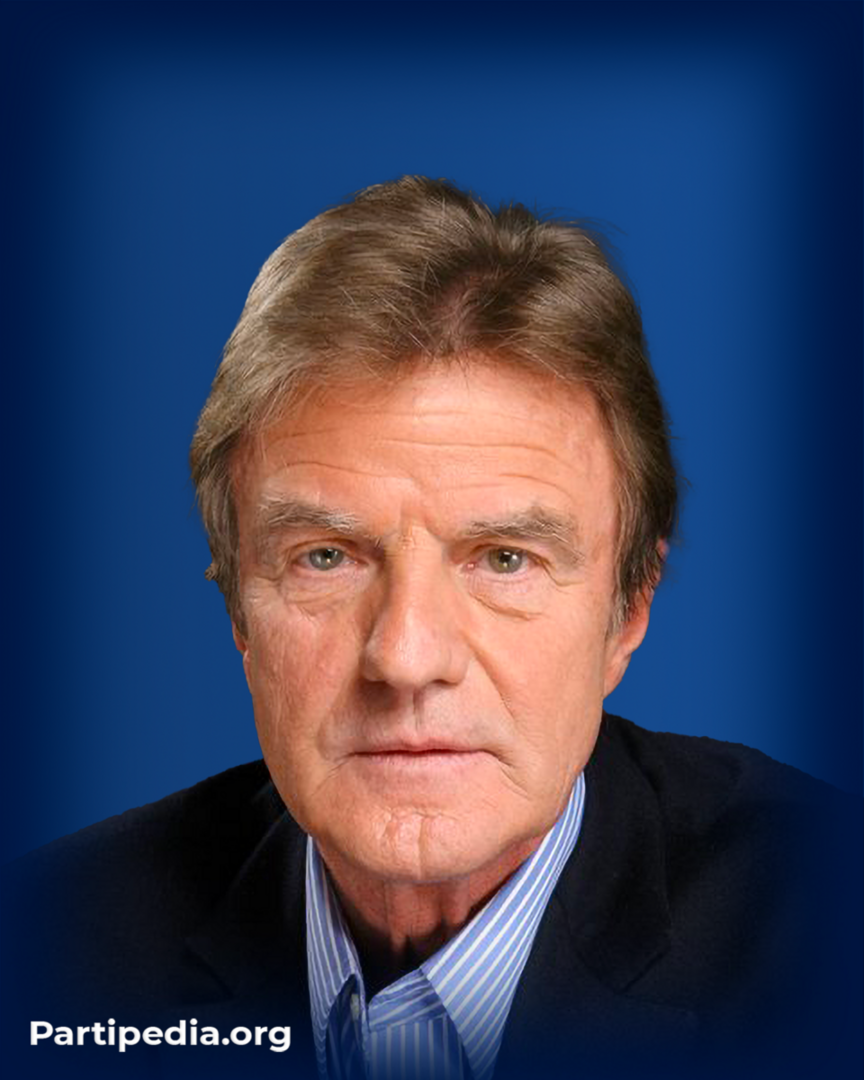
He joined the French Communist Party in his early teens. In 1964, at the age of 25, he went to Cuba and met Fidel Castro. In 1966, he was expelled from the party for attempting to remove the Secretary of the French Communist Party. In 1968, he became a member of the International Red Cross and traveled to Biafra with the Red Cross during the Nigerian civil war.
In 1971, after gaining experience at the International Red Cross, he founded the organization Doctors Without Borders and provided assistance to war-wounded people and patients in areas besieged by governments during civil wars. Later, due to differences of opinion and opinions with the President of Doctors Without Borders, he left the organization.
In 1980, he founded another organization for the same purpose, Médecins du Monde. In 1980, during the Lebanese civil war, when the refugee camp in East Beirut was under siege, he worked closely with the Shiites and Imam Musa Sadr. In 1983, he arrived with a group in the Alaneh district, between the border of Rojhilat and Southern Kurdistan, and for a while he treated the wounded and sick in the area at the hospital of the Kurdistan Democratic Party of Iran. In 1986, when the wars and conflicts were raging in Southern Kurdistan, Biafra, Ethiopia and Sudan, Dr. Bernard Kouchner went to those regions at the behest of the people. In Somalia, he delivered bags of rice to the starving people and saved them from death. His work led to his recognition as a world-renowned figure.
In 1988, during the presidency of François Mitterrand, he joined the French Socialist Party. In 1992-1993, he was Minister of Health in the French Socialist Government. In 1994, he was elected as a Member of the European Parliament. In 1997, he was elected as a Member of the European Parliament representing France. In the same year, after completing his term in the European Parliament, he was re-elected as Minister of Health and remained in that position until 1999.
He was the Special Representative of the United Nations Secretary-General to Kosovo from 1990 to 2001. He was again appointed Minister of Health in France from 2001 to 2002.
In the 2007 French elections, Bernard Kouchner supported Marya Ségolène Royal against Nicolas Sarkozy, who lost the election to Sarkozy. After forming the government, Bernard became French Minister of Foreign Affairs, a position he held until 2010.
Dr. Bernard Kousner is a close friend of stateless nations and the Kurdish nation, and at several historical stages he has had a position on issues that had to do with Kurdistan. For example, before the assassination of Abdulrahman Qasimlo, Bernard Kousner The Islamic Republic had planned a terror attack. To do so, he had asked his informant to come and take the bodyguard with him.
Also, after the beginning of the Anfal campaign, the Doctors Without Borders organization was able to reach the liberated areas and provide medical assistance to the Peshmerga Forces, as the organization's leader himself said. Bernard Kousner They were old friends of the Kurds and Frederic Tissot, and became supporters and collaborators of Kurdistan.
Also in 1991, after the mass exodus of the people of Southern Kurdistan, Bernard Kouchner, along with Dr. Frederic Tissot, played an influential role in drafting United Nations Security Council Resolution 688 to designate a no-fly zone in Southern Kurdistan.
After the Iraqi liberation process, diplomatic relations between the Kurdistan Regional Government and the French Government have reached a stronger stage, and Bernard Kouchner, who was the French Foreign Minister, played a major role in this. On June 1, 2008, the French Representative Office was officially opened in Erbil, the capital of the Kurdistan Region. by the President Masoud Barzani and Nechirvan Barzani They were welcomed by the President of the Kurdistan Regional Government.
Also, at the invitation of Bernard Kouchner, in May 2010, the film Iranian Mischief was screened at the French Foreign Ministry's cinema in Paris, with the presence of 500 cultural and political officials, French media outlets, and advisors and consultants.
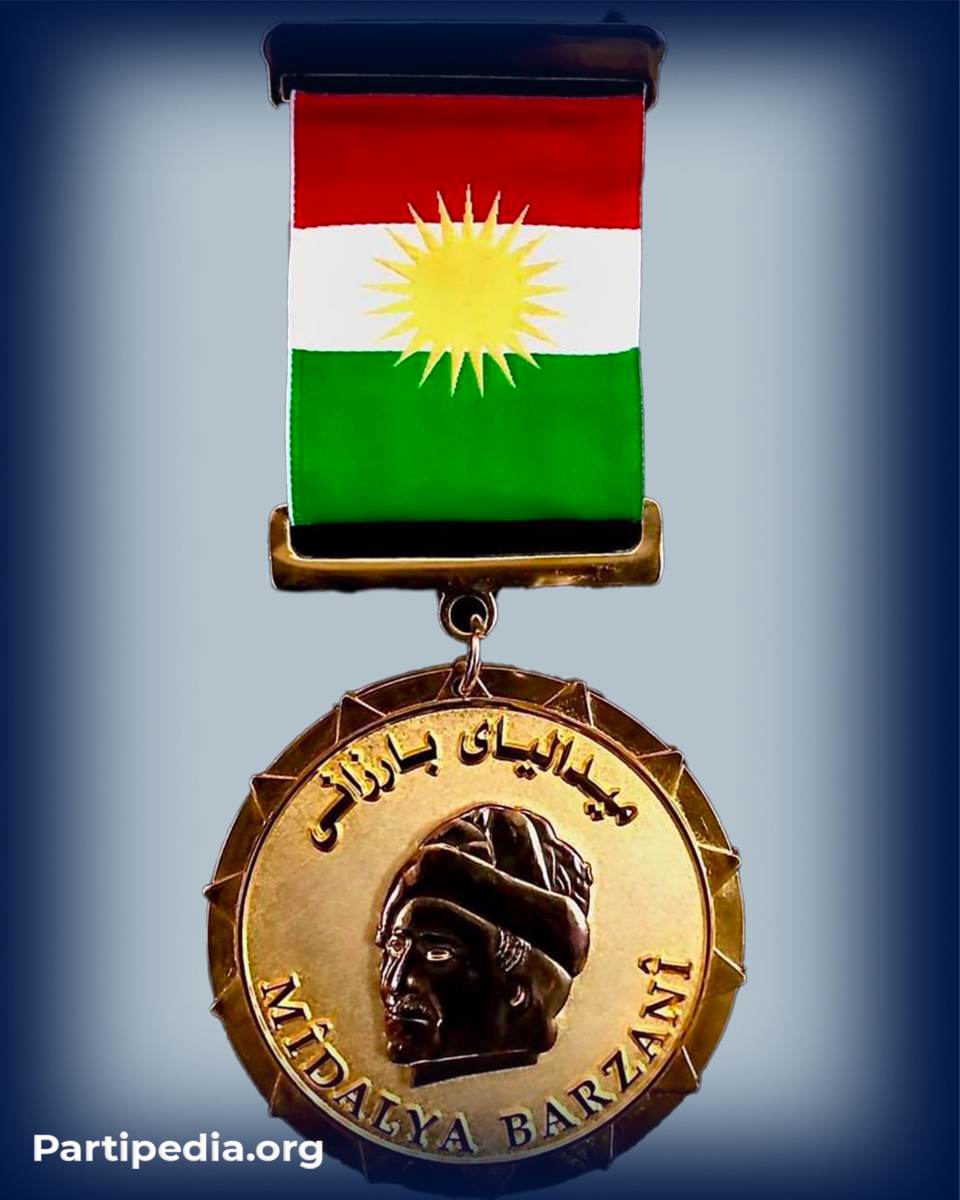
Dr. Bernard Kouchner, a renowned diplomat and politician in France and around the world, and a supporter of the Kurdish national cause, was awarded the title of "Kurdish Nationalist" by the President on March 15, 2013, in recognition of his services and efforts for the freedom and independence of Kurdistan. Masoud Barzani He has received the Barzani Medal.
Source:
1. Archives of the Encyclopedia Committee of the Kurdistan Democratic Party.