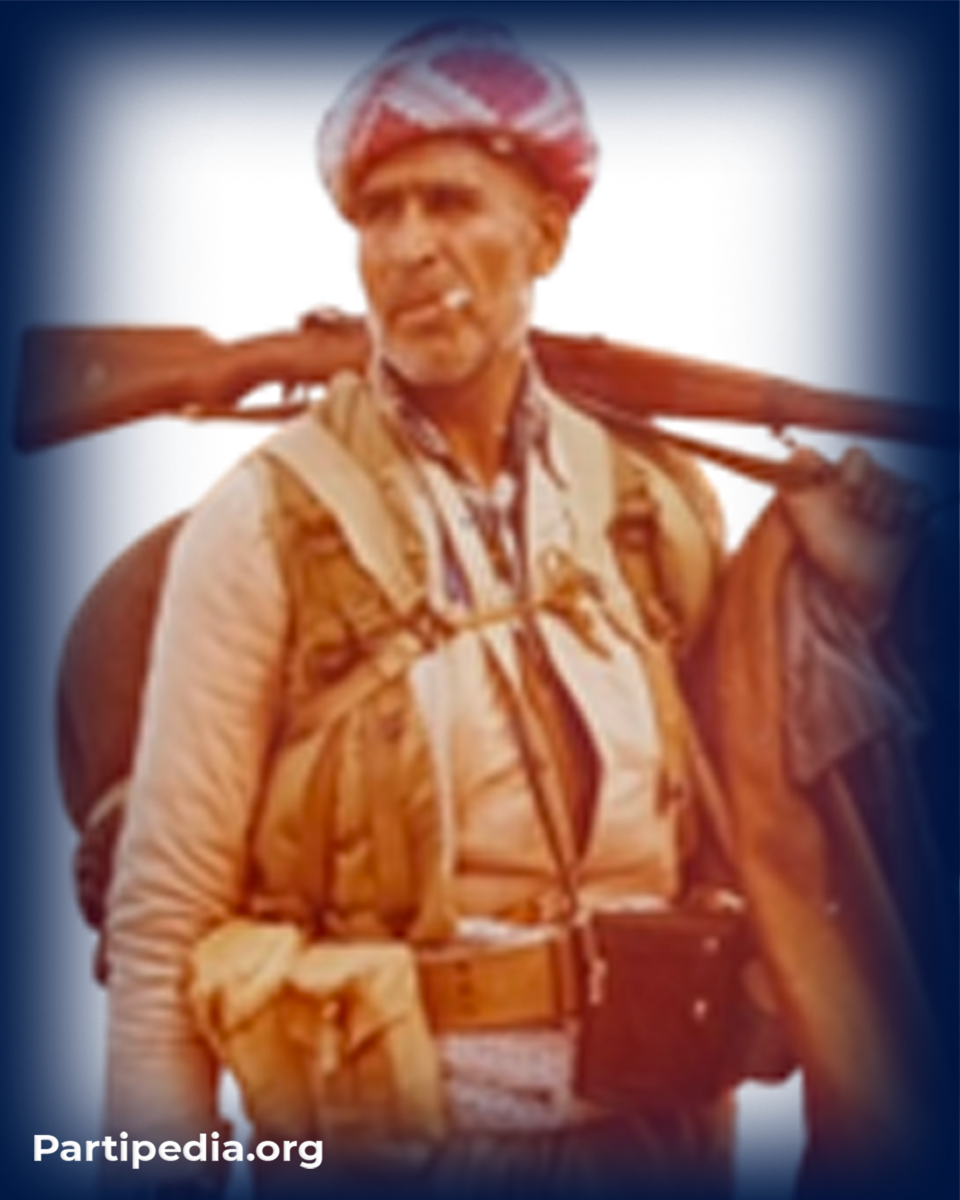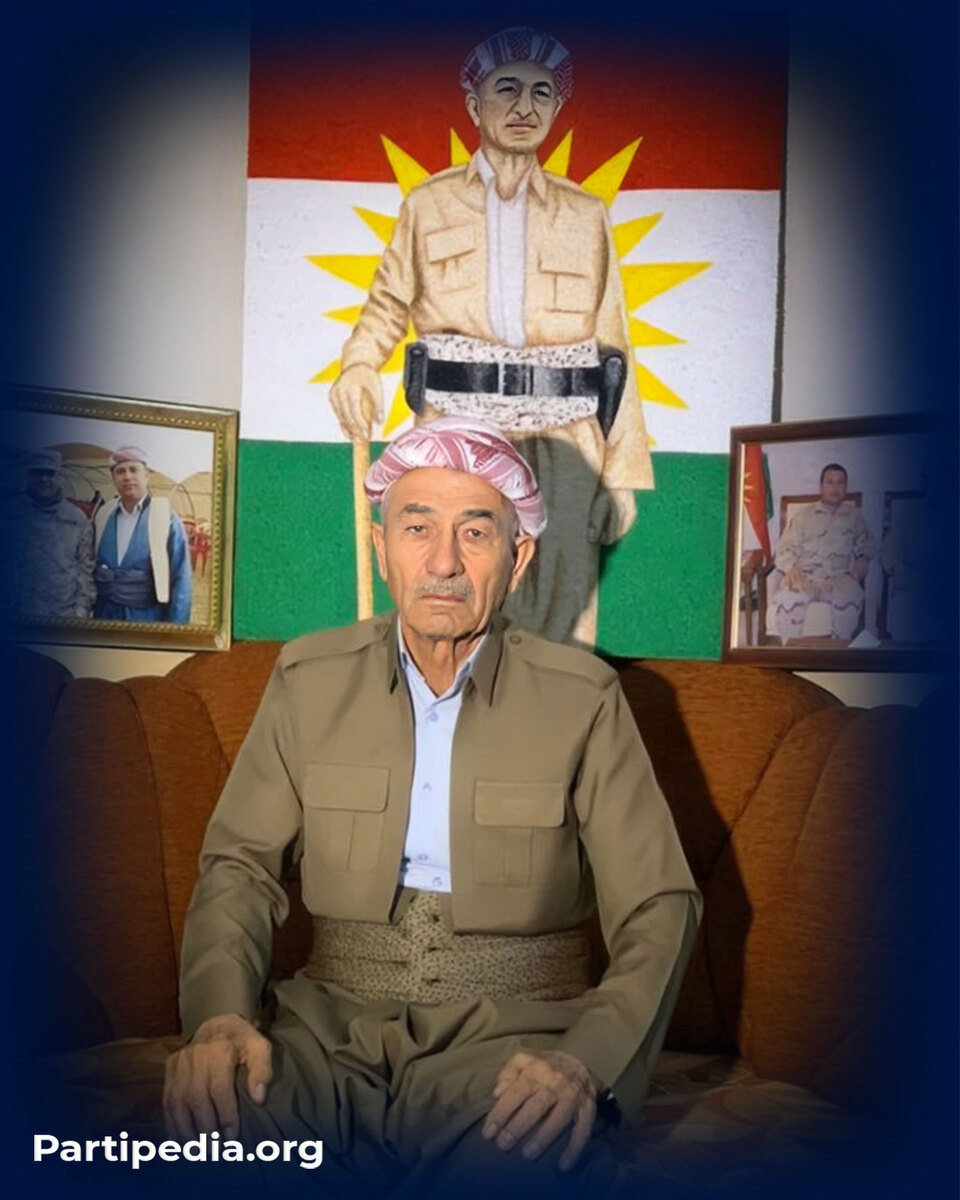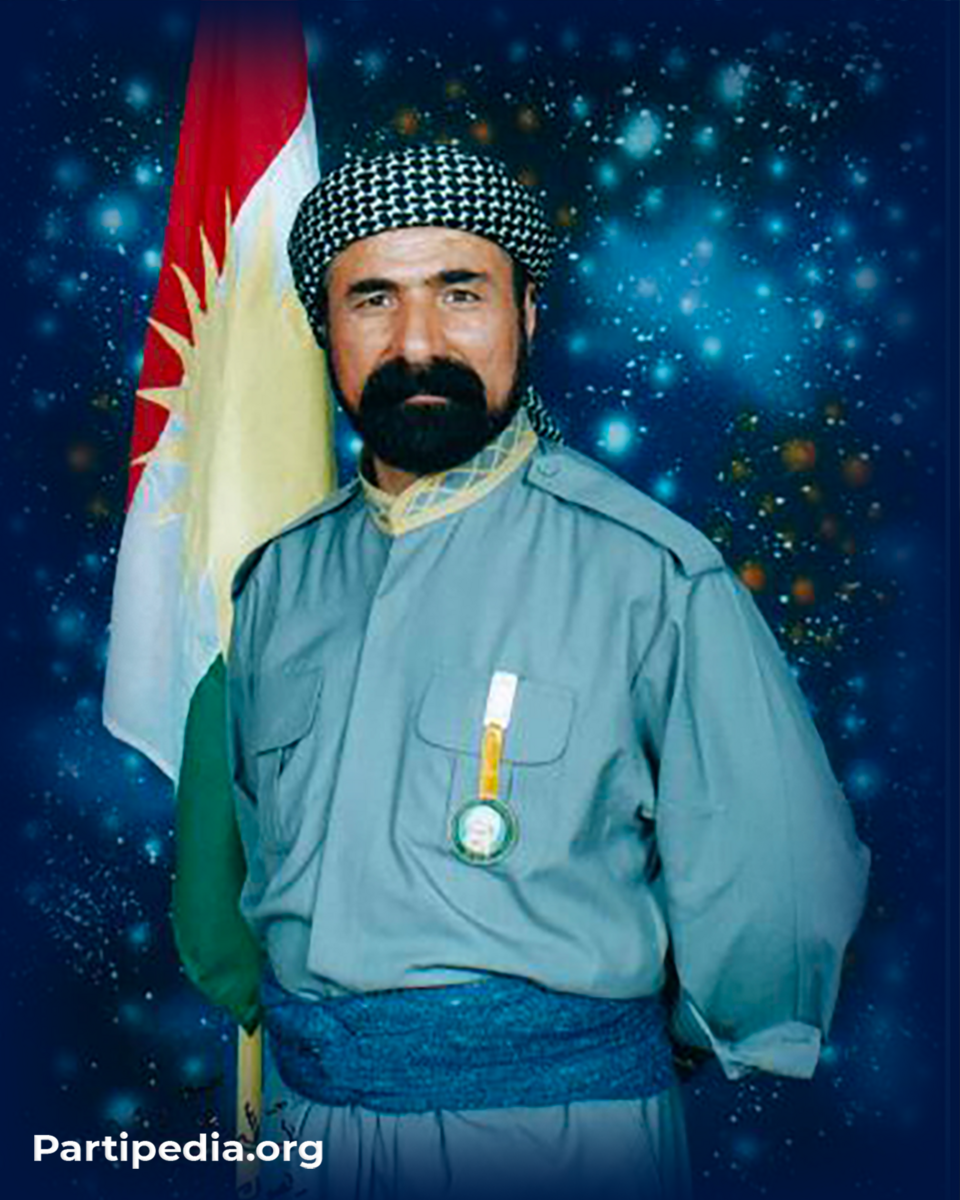


Sulêman Ehmed İsmail Omer Dolemari was born in 1953 in the village of Xeraye in the Margesor district of Erbil province. In 1967, at the age of 14, he joined the peshmerga of the September Revolution and became a peshmerga with Ozêr Dolemari and served in the peshmerga in Dilman for three years.
After the signing of the March 11, 1970 agreement, he was transferred from Dilman to Qasr, where he attended a machine gun course. In 1974, when the Iraqi regime's war against the revolution began, he was in the revolutionary machine gun unit with Omar Axa Dolameri, and defended Kurdistan with the revolutionary machine guns.
In 1975, after the collapse of the September Revolution, he emigrated to Iran, first to Nakhda and then to the Zewa camp and settled there. He was first transferred to Jahram by the Iranian state and after two years he was sent to Lahijan. After two years in Lahijan, he went to Qazvin at his own request because his brother's house was there.
In 1979, when the monarchy collapsed in Iran, Suleiman Ahmed and his brother Rashid rejoined the revolution and returned to Southern Kurdistan as a group to carry out military operations against the Iraqi regime. In a battle with the Iraqi army that same year, his brother Rashid was martyred in the Diyana district.
In 1980, he went to the Berazgir plain in the Sidekan district with Idris Barzani and Sheikh Muhammad Khalid. After the trip and visit to the Barzan Peshmerga forces in the area, he returned to the Zewa camp. In the same year, after returning from Rajan in Eastern Kurdistan, he participated in a course on the use of the 57 rifle. After completing the course, he went to Southern Kurdistan with Ozer Dolemari, and carried out many actions against the Iraqi army positions in Gorê Gomê, Pira Lêlükê and Geliyê Sarkê in the Margesor district. In the same year, he participated in the great battle of Margesor under the command of Ahmed Saeed Spindari.
In 1988, he participated in the battle of Zahir's grave in the Xwakurkê Dastan in the triangle of Eastern, Southern and Northern Kurdistan. After the Anfal campaign and the chemical weapons used by the Iraqi government against the civilian population of Kurdistan, he returned to Eastern Kurdistan.
In 1991, after the uprising of the people of Southern Kurdistan, he returned and settled in the village of Şêxan in the Marghera district. In 1994, he became the deputy commander of the 100th force of the Barzan army. He was wounded four times in the battles to defend Kurdistan, such as the Battle of Geliyê Sorê in the Dolemeryan area in 1980, the Battle of Spilki in 1995, the Battle of Gomespan in 1996, and the Battle of Şekrokê in 1997.
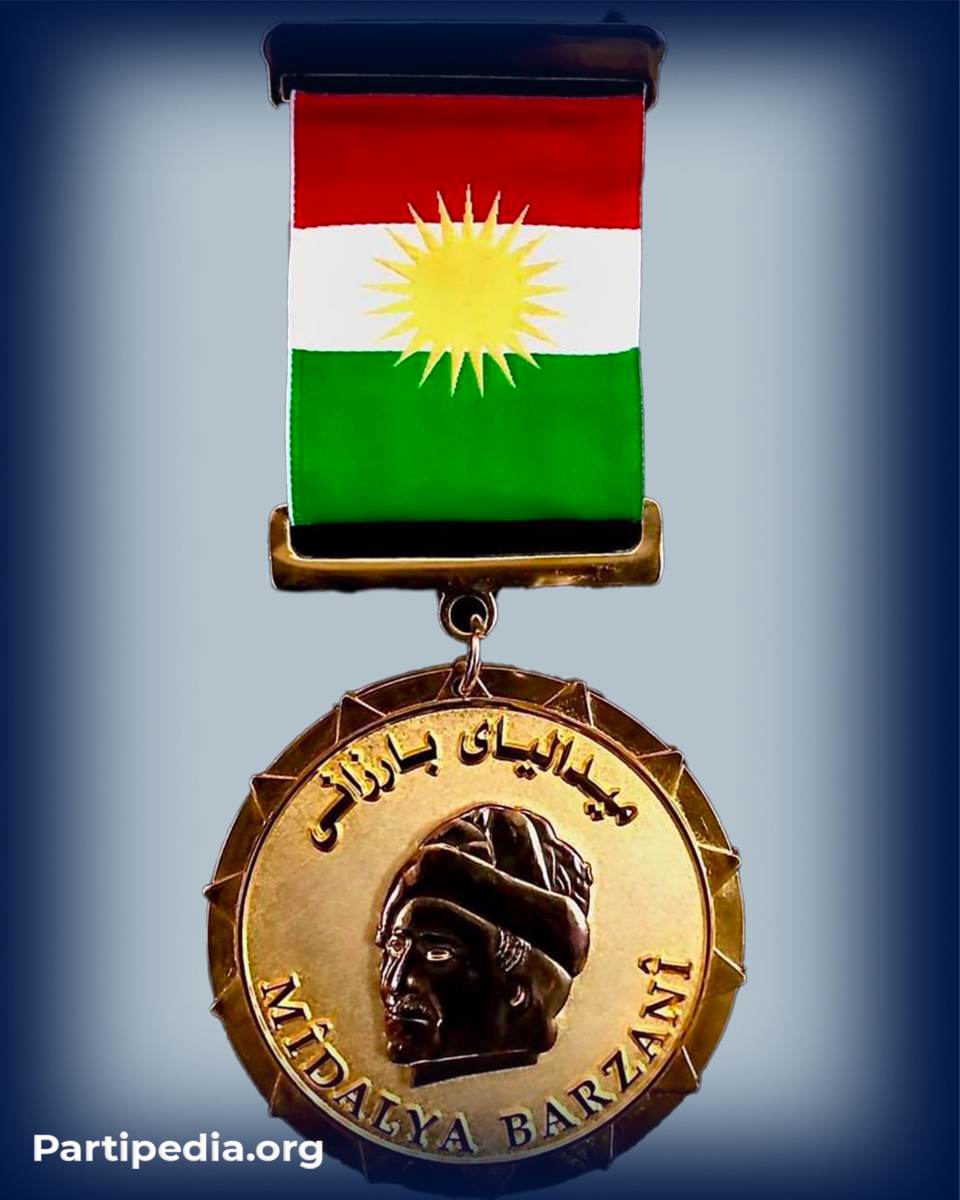
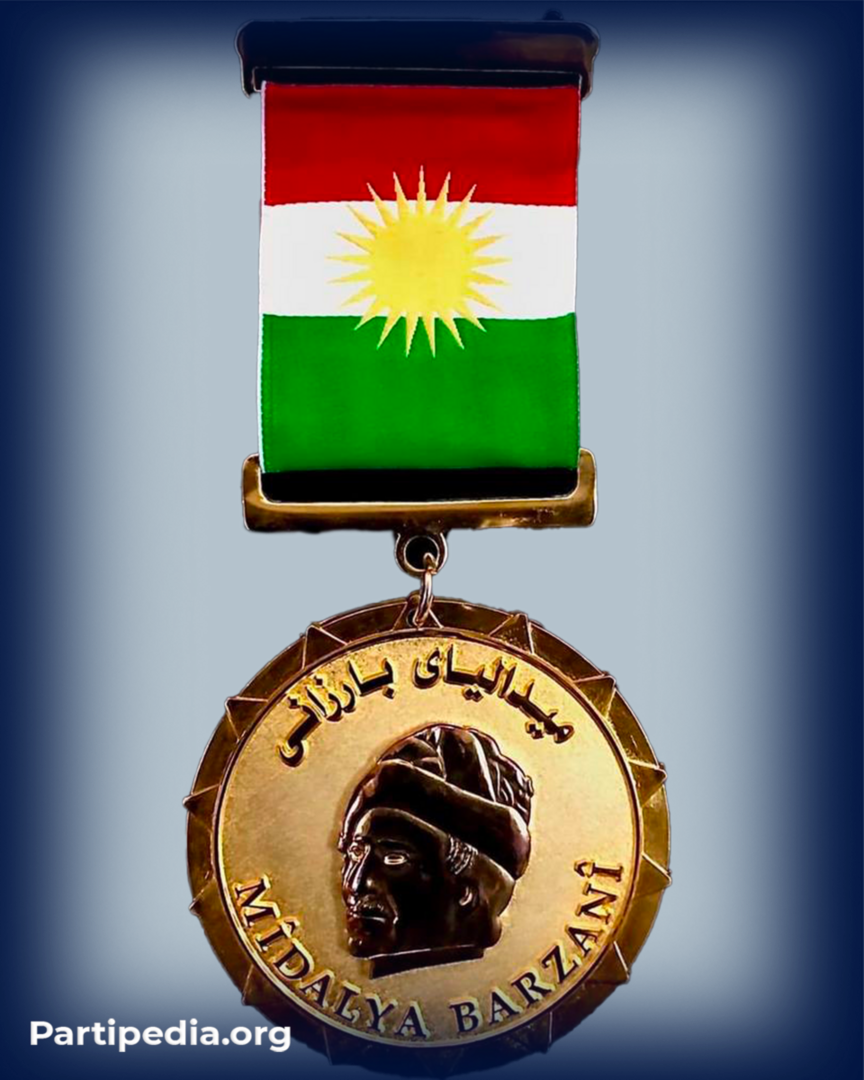
On December 15, 2010, at the 13th Congress, he was awarded the Barzani Medal by President Masoud Barzani for his services and activities.
Source:
Kurdistan Democratic Party Encyclopedia Committee Archives