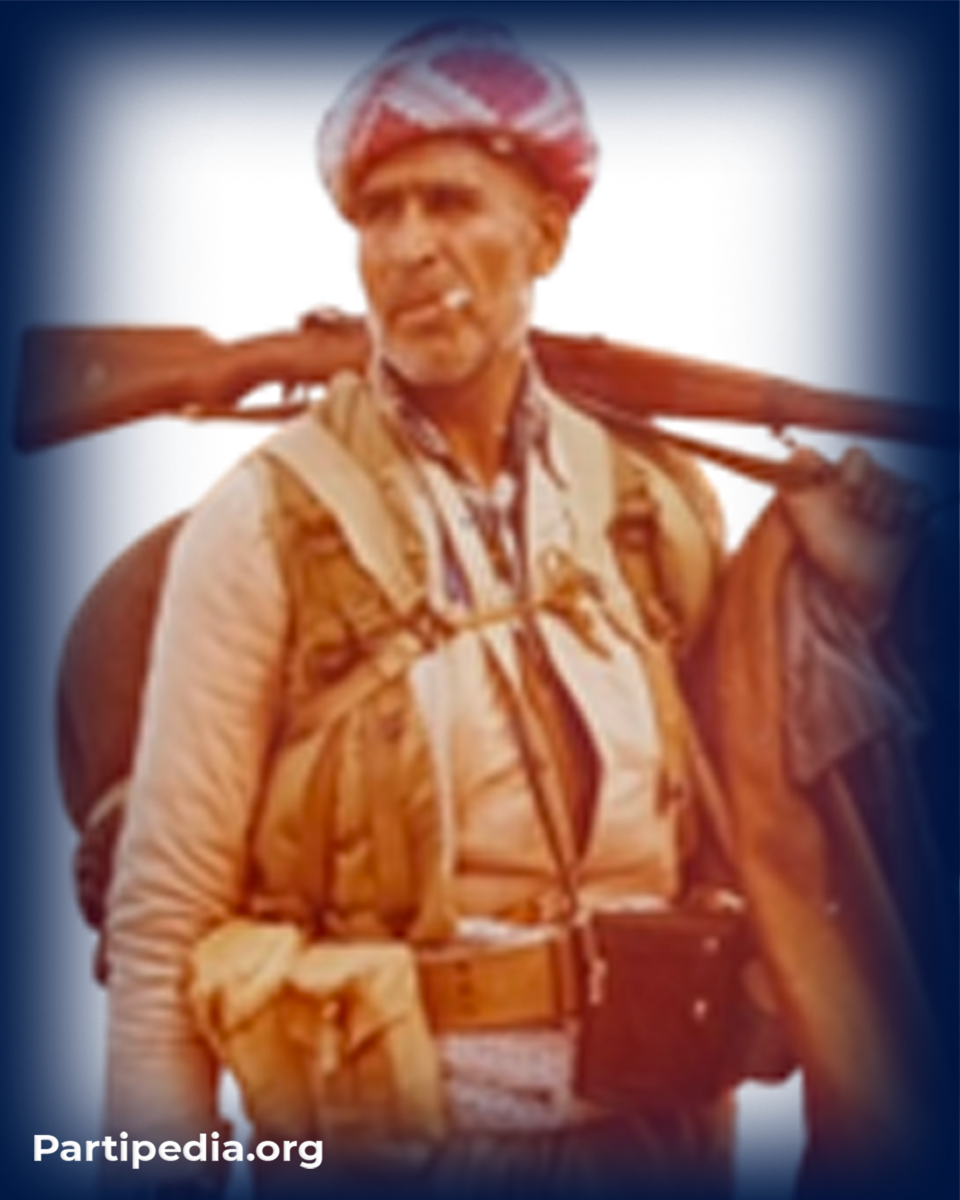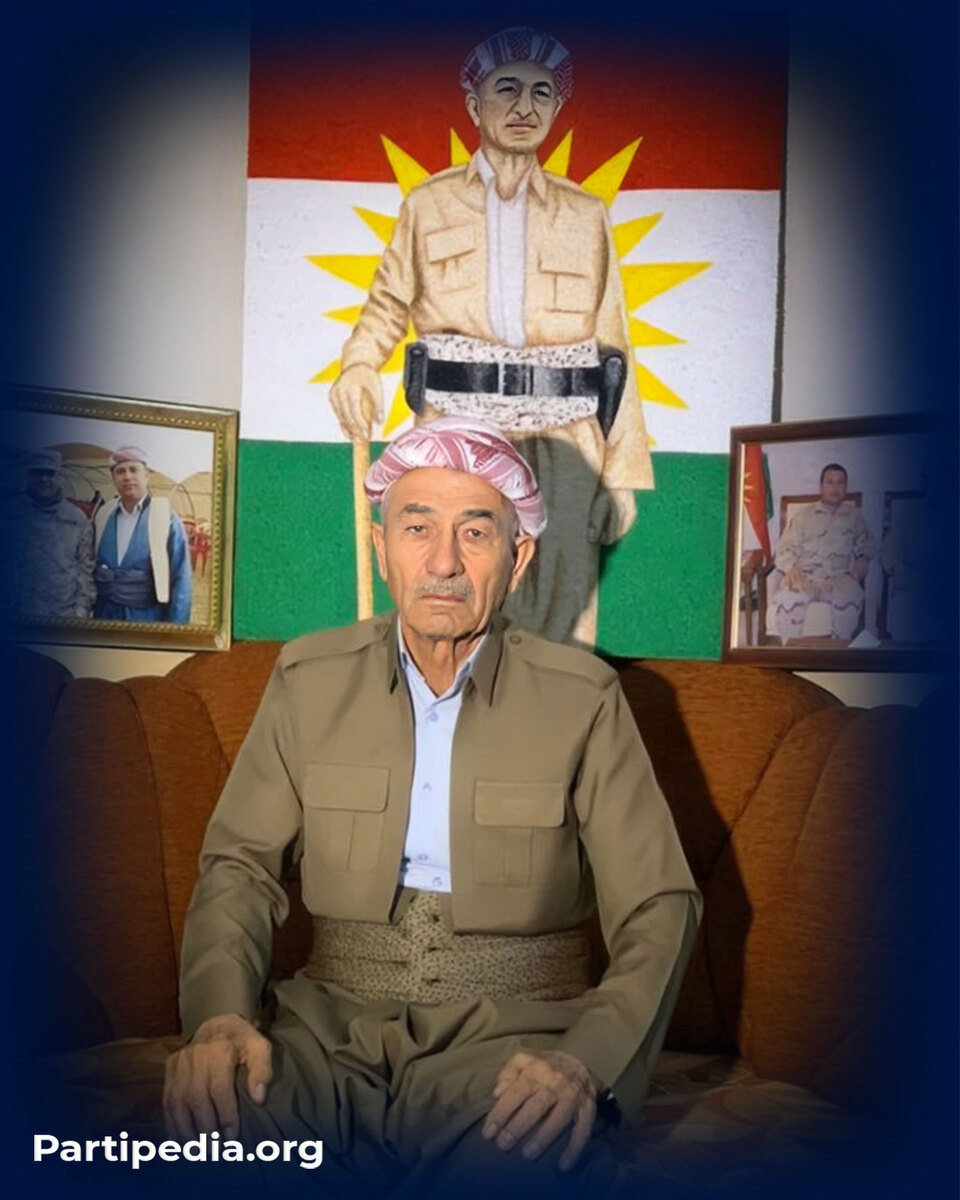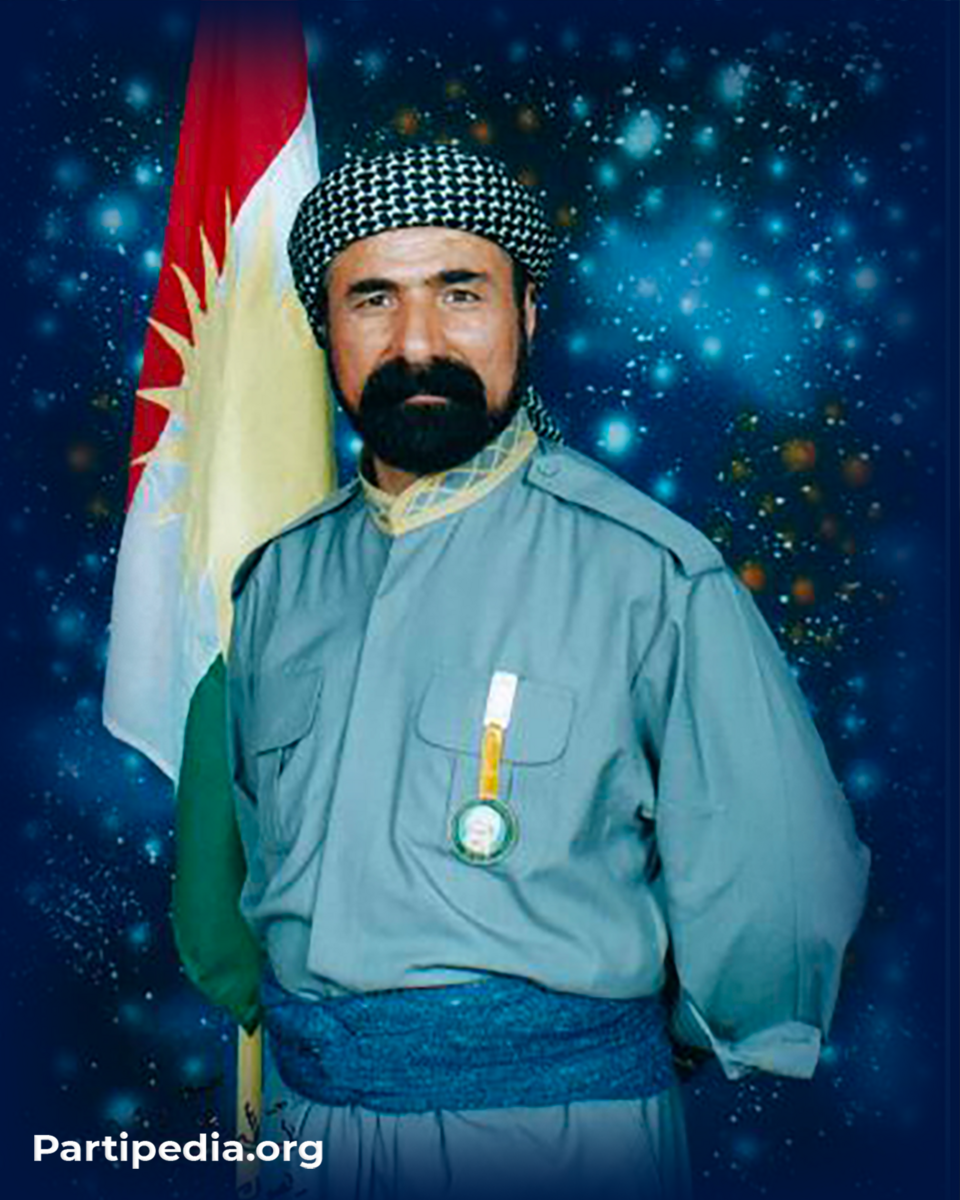


Selim Derbas Hamed was known as Sa'do Kurki. He was born in 1937 in the village of Kurka in the Gulî area of the Zakho district of the Duhok province. In 1975, after the defeat of the September Revolution, he left his wife and children behind and crossed the border between Southern and Northern Kurdistan and went to the village of Enbê in Urmia and from there to Rajan and Zewa, where he was transferred to Bandar Abbas and Bandar Linge. His children and family were also deported by the army to the city of Nasiriyah in southern Iraq. In 1991, after the uprising and rebellion in Southern Kurdistan, he returned to Kurdistan and settled in the city of Zakho. In 1997, he contracted syphilis and was sent to Turkey, Syria, Austria, and Germany to receive treatment. He passed away in Zakho on May 25, 2012.
In 1958, he joined the ranks of the Kurdistan Democratic Party on the border of Batifa and became a cell leader. In 1961, he joined the ranks of the Peshmerga forces of the September Revolution and became a Peshmerga in the Duhok force. In 1962, he became the administrative leader of the same force. Between 1961-1963, he participated in several military operations. In 1970, he became a commander and border guard in Duhok. In 1974, after the Iraqi regime started a war against the Peshmerga forces of the September Revolution, he returned to the Duhok force and participated in the battles in the Duhok district.
In 1976, he went to the city of Karaj, in 1977 he returned to Southern Kurdistan and from there he went to Northern Kurdistan and the districts of Çelê, Uludere and Hadrîş. That area has become the center of the Kurdistan Democratic Party's mobile Peshmerga and continues its operations with mobile detachments and inflicts heavy damage on the enemy.
In 1979, he participated in the ninth congress of the Kurdistan Democratic Party as a congress member. At that congress, he was the President Masoud Barzani He gave him a Kalashnikov as a reward. After the congress, he returned to the Committee, where the First Division Headquarters was located. In 1980, he became the head of the security guards of the Zakho district committee. In 1981, he assumed the position of Deputy Head of the Zakho organization. In 1983, he became the head of the Sinjar organization in Zakho. In 1987, he became a member of the committee and head of the military department of the Zakho district committee.
In 1988, after the completion of the extensive Anfal operation and the chemical attack on the Behdinan district by the Ba'ath regime, Sa'do Kurki went to Northern Kurdistan and from there he was transferred to the refugee camp in Diyarbakır, where he was assigned to the refugee committee.
In 1991, after returning to Zakho city, he was given the responsibility of the Derkar district council in Zakho. In 1992, he was given the rank of Third Deputy Commander of Duhok. In 1994, he was given the rank of Commander of the Sixth Battalion in the First Army of Zakho. In 1995, he was given the duty of Commander of the 17th Force of the First Army of Zakho.
Sa'do Kurki has participated in several battles in the life of the Peshmerga. Some of them are the 1962 battle of the Casan Base in the village of Bedrik in the Jambur district of Mosul. The Battle of Bani Derik in the Doski district, the battle of Duhok, the battle of the Zawita Valley, the 1963 battle of Mount Metinan, the battle of Mount Berz and Betas. In 1982, the battle of the Zembilfiros district in the Batifa district. In 1984, the battle of the Zakho district. In 1987, the battle of Kani Mas. In 1994, the battle of Shaqlawe. In 1995, he was wounded in the battle of the village of Babir.
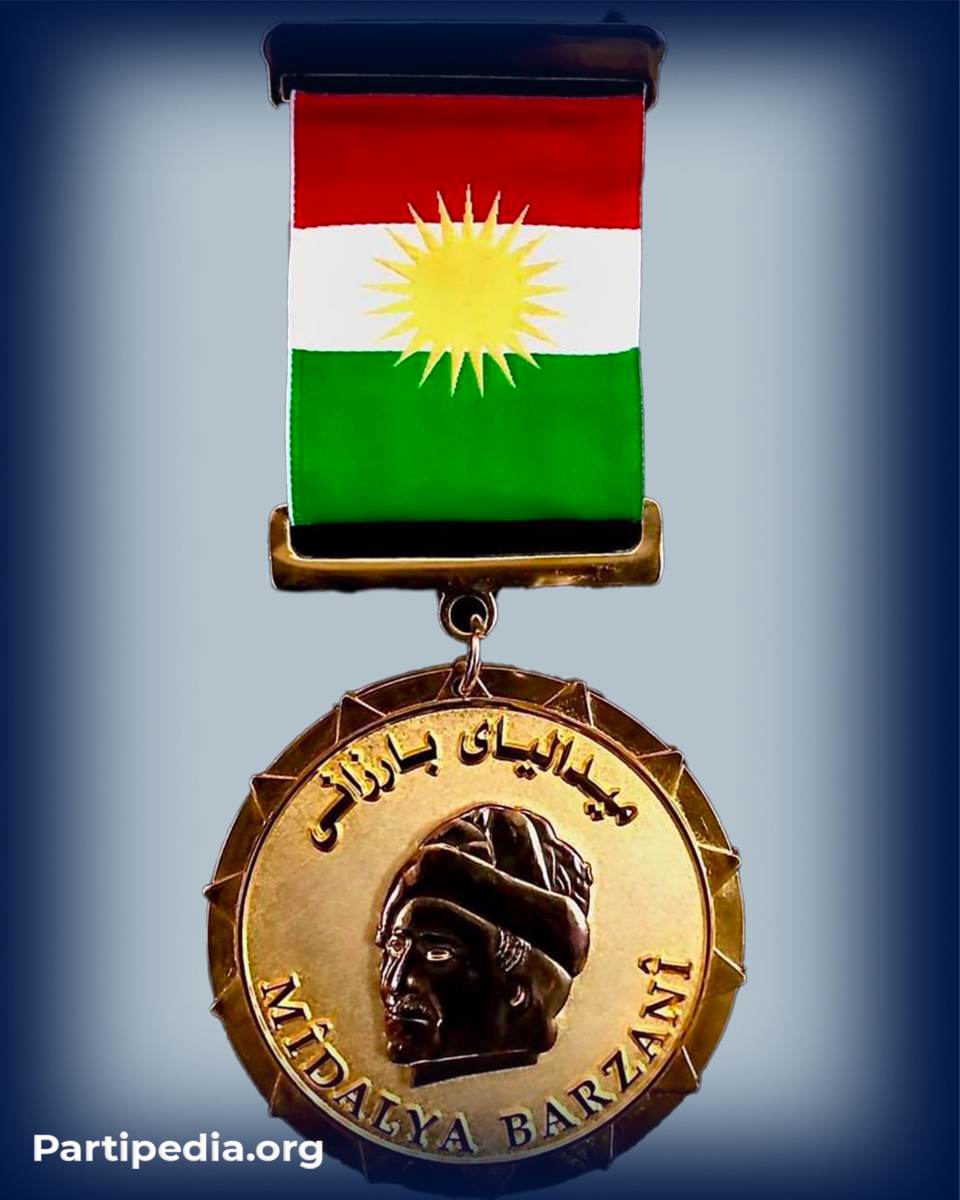
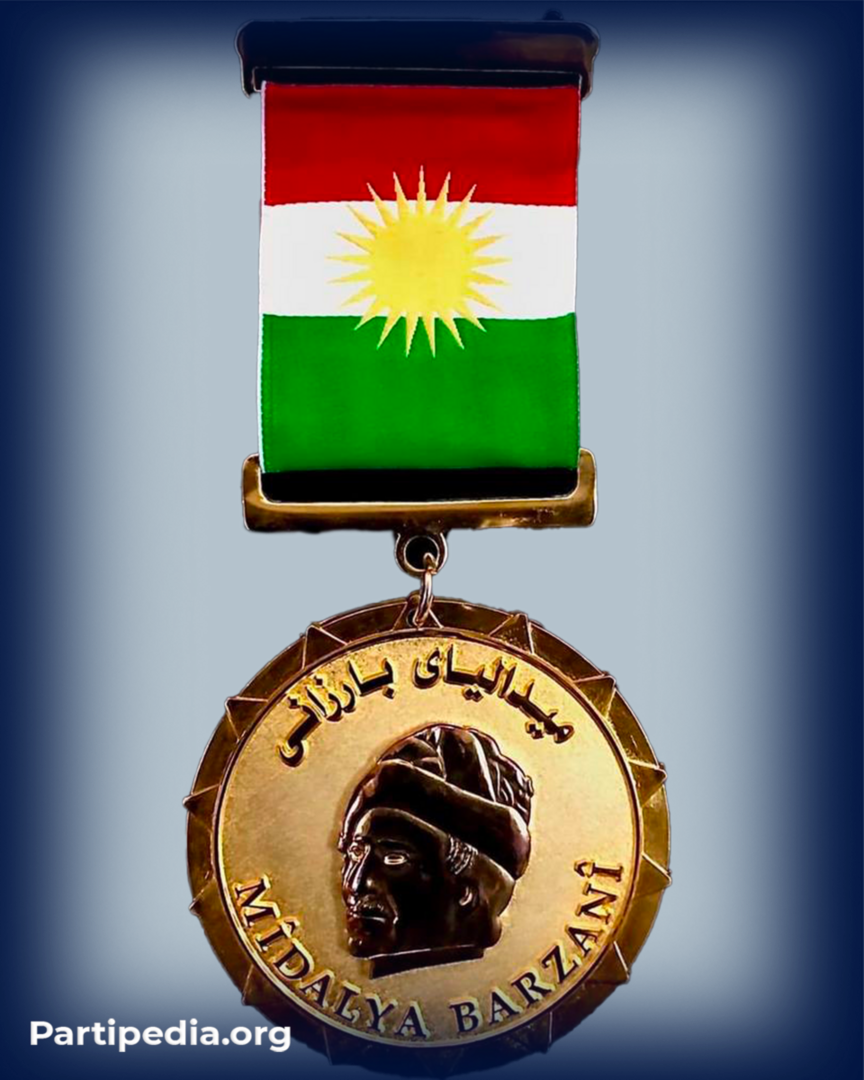
On August 16, 1996, on the 50th anniversary of the founding of the Kurdistan Democratic Party, by the President Masoud Barzani He has received the Barzani Medal.
Source:
1. Archives of the Encyclopedia Committee of the Kurdistan Democratic Party.