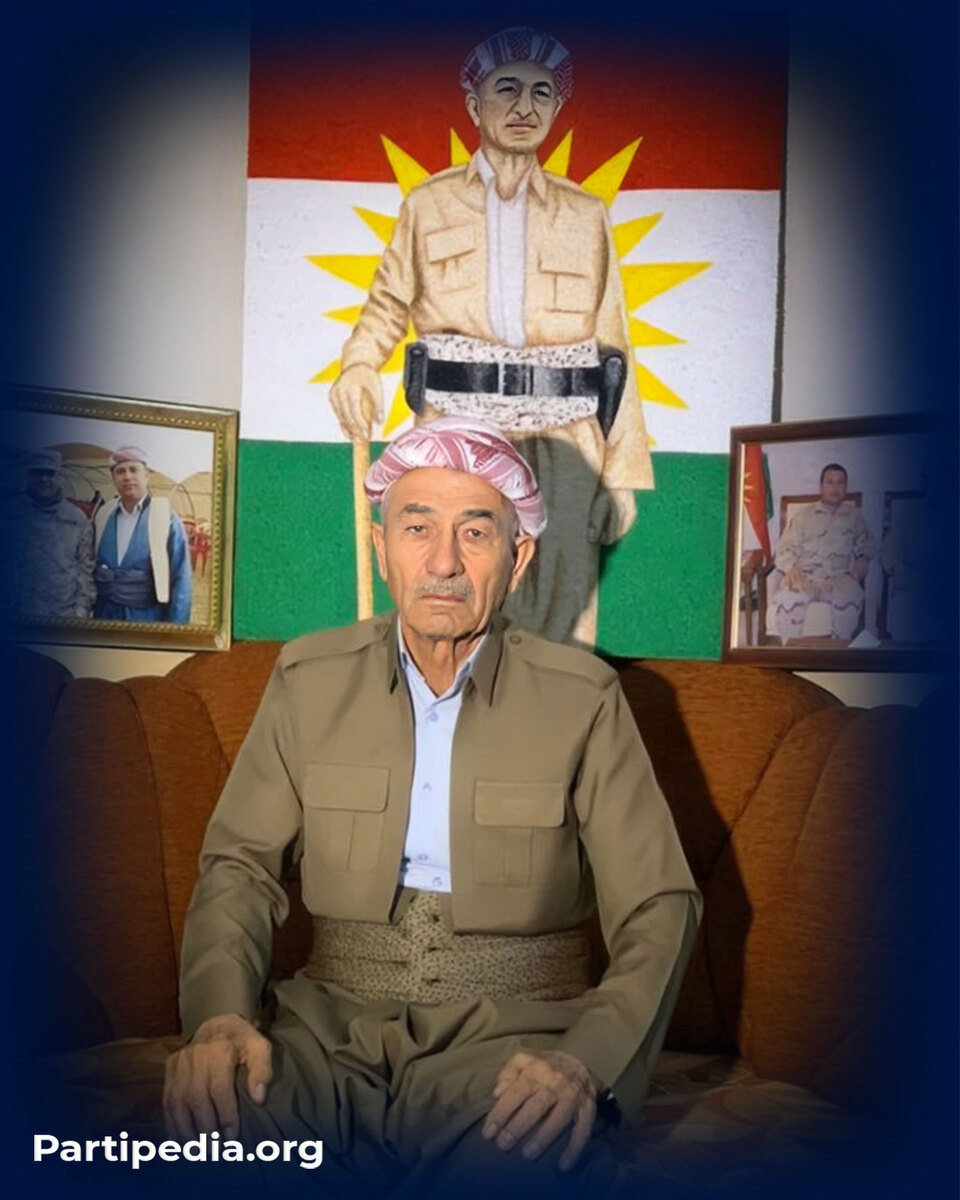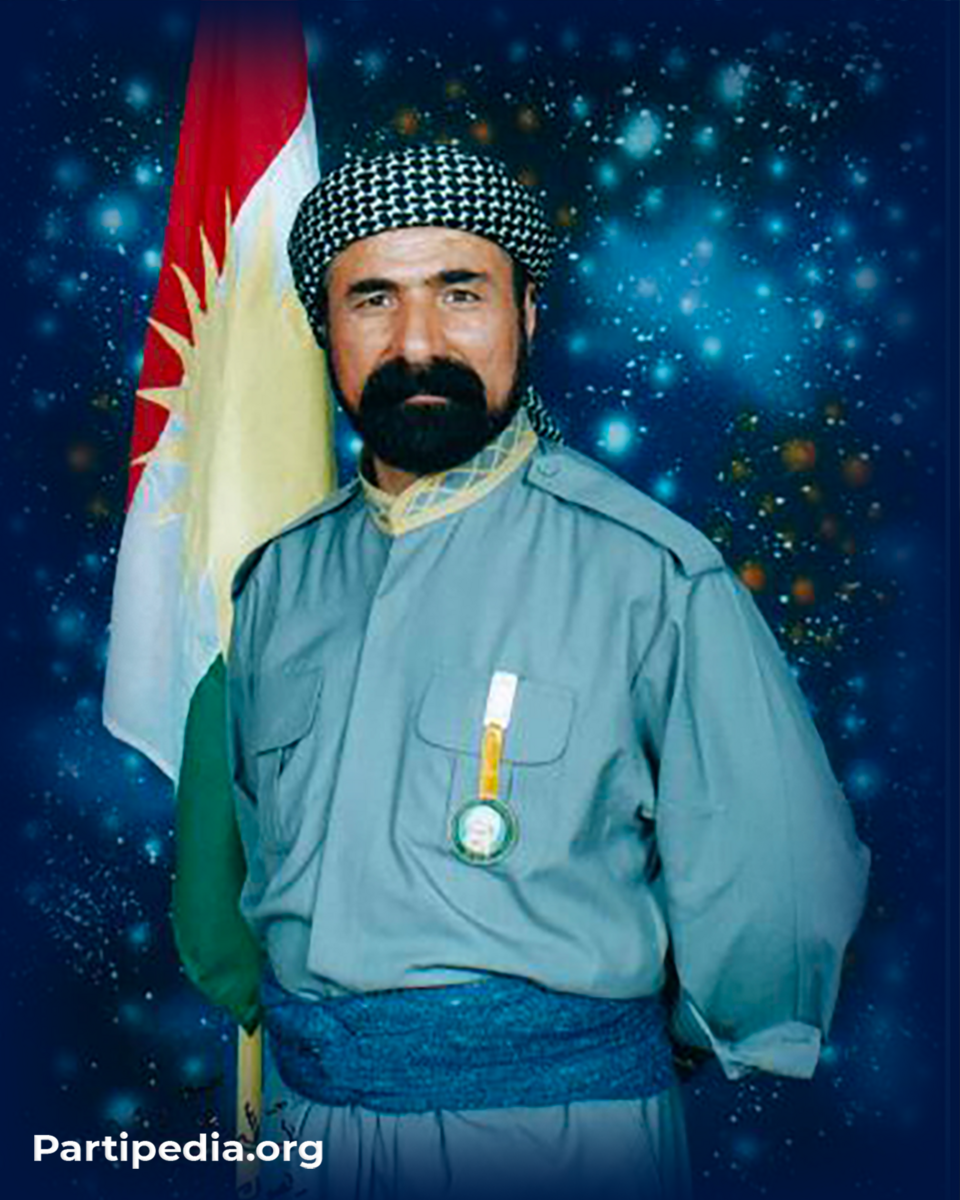


Muhammad Salim Ahmed Abdulrahman Bacluri was born in 1902 in the village of Baclur in the Zawita district of Duhok province. He was one of the followers of the Barzan Sheikhs and participated in the first Barzan revolution (1931-1932). After the defeat of the revolution, he went to Northern Kurdistan with Barzani's fighters and returned to his village after a while. In 1975, after the defeat of the September Revolution, he emigrated to Iran. At first, he lived in the Zewa camp in Eastern Kurdistan. Later, he was transferred to the city of Tabriz. For a while, he lived in the city of Miyane and then went to the city of Marand. He passed away on 22nd of the Second Kanun 2003 at the age of 101 and was buried in the city of Duhok.
In 1943, when Barzani returned to Barzan from Sulaymaniyah, he participated with Izzet Abdulaziz in the capture of the Amediya military base and also participated in the battle of the Sevre military base on the Shin River in the Bileh district. In 1945, he participated in the battle of Meydan Morik near the village of Hawdiyan in the Soran district.
On November 11, 1945, to protect themselves from the bombing of British warplanes and the attack of the Iraqi army and troops, they wanted to go to Eastern Kurdistan with eight other fighters, but they disappeared on the way. They were forced to return via Nerwa and Rêkan and were arrested in the village of Qedish in the Amêdî district. They were released from prison at the request of Said Axa of Doski.
In 1958, when Barzani returned to Iraq from the Soviet Union, Muhammad Salim Ahmed, along with Salih Yusifi, Head of the First (1) Division in Behdinan, and approximately 20 prominent figures from the region, went to meet and welcome General Barzani. Mustafa Barzani They went to Baghdad. There they met with Barzani and he told them: Go and open a base of operations in your regions. For this purpose, Muhammad Salim, along with Teli Gerdi Yek Maley, Mehdi Hassan Nizarki, Hassan Siti Bamarni and Mullah Hamdi, are opening a base of operations in Duhok.
In 1961, during the outbreak of the September Revolution in the Aloka area of Duhok province, Teli Gerdi became the Head of the Peshmerga Force and Muhammad Salim Ahmed became his Deputy, and they participated in the battles of Aloka, the Zawita Valley, and the Duhok Valley.
In 1962, when Barzani visited the Soran district for the second time, Muhammad Salim Ahmed Abdulrahman Bajluri accompanied Barzani to the Khalifan and Qaladiz districts. In 1964, he attended the sixth congress of the Kurdistan Democratic Party in the city of Qaladiz. After that congress, he returned to Duhok and joined the Duhok force with Ali Khalil. In 1970, after the March 11 agreement was signed, he was no longer able to continue his Peshmerga service and partisan activities due to his advancing age. For this reason, Muhammad Hassan was appointed Commander of the 4th Battalion in the Duhok force.
In 1974, when the Iraqi regime regretted its implementation of the March 11 agreement and declaration and began a war against the Kurdish people and the revolution, Muhammad Salim re-established contact with the Peshmerga Base of the 4th Battalion in Duhok and expressed his readiness to cooperate and defend the revolution. In 1979, he participated in the ninth congress of the Kurdistan Democratic Party as a member of the First (1) Division.
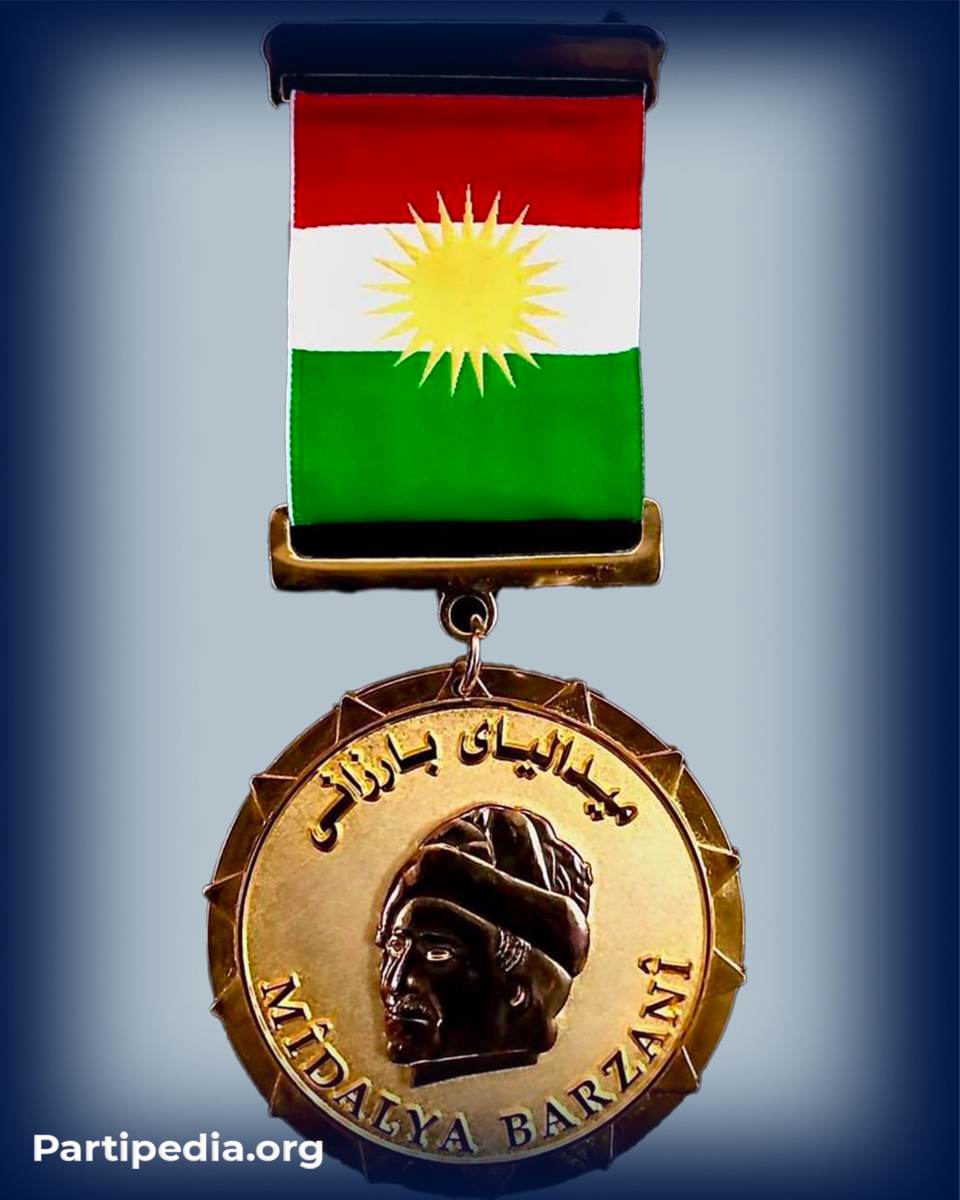
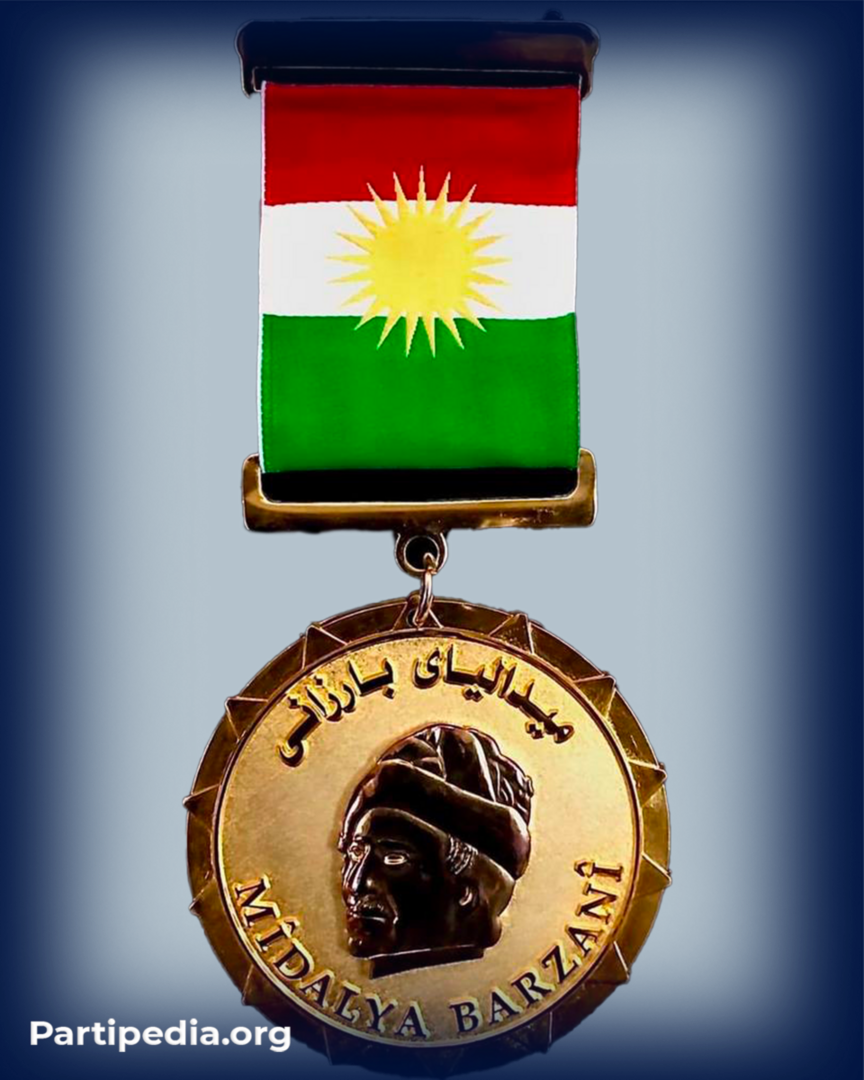
He returned to Southern Kurdistan on August 25, 1991, and settled in the city of Duhok. On August 16, 1996, he was awarded the Barzani Medal by President Barzani on the 50th anniversary of the founding of the Kurdistan Democratic Party for his services to Kurds, Kurdistan, and the Barzani method.
Source:
1. Archives of the Encyclopedia Committee of the Kurdistan Democratic Party.