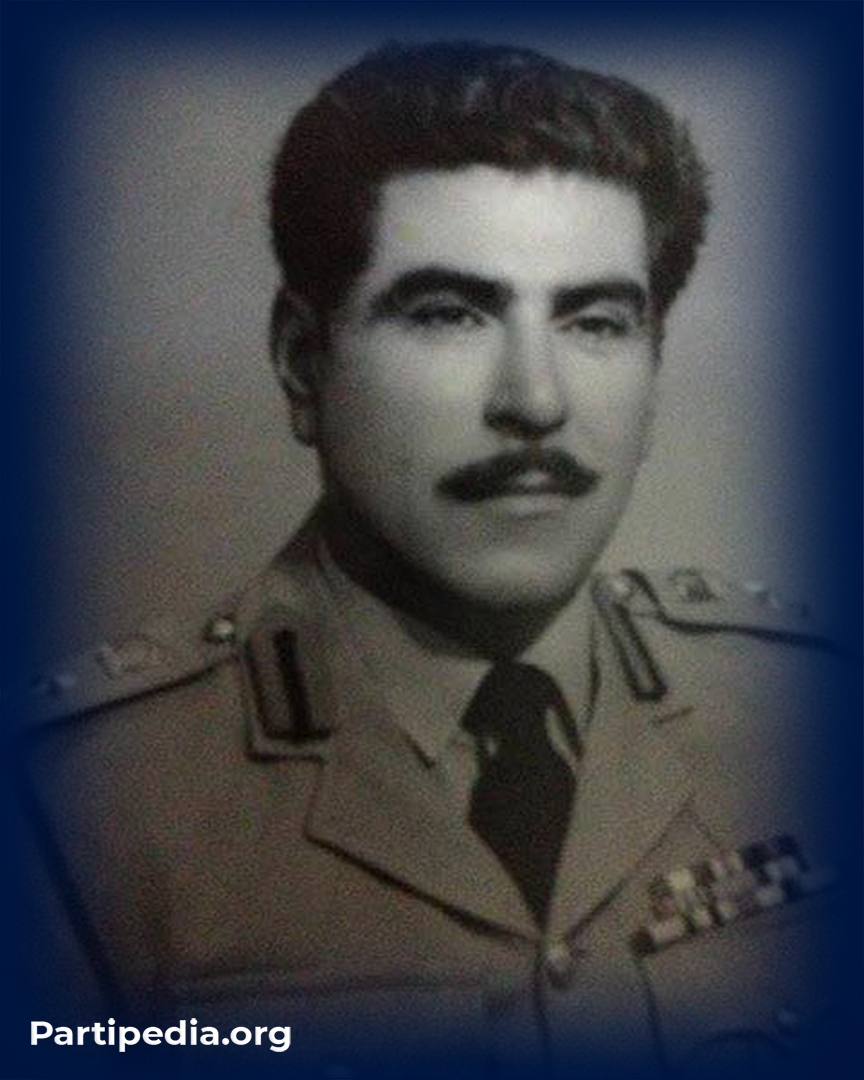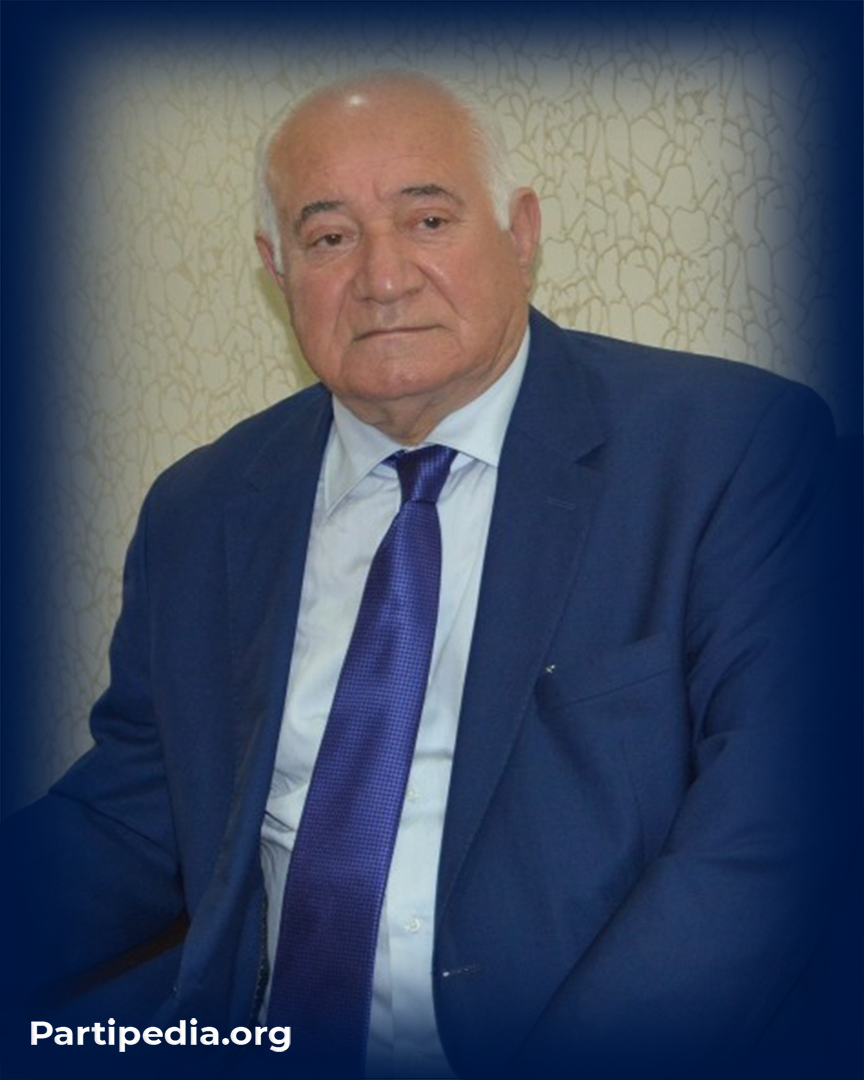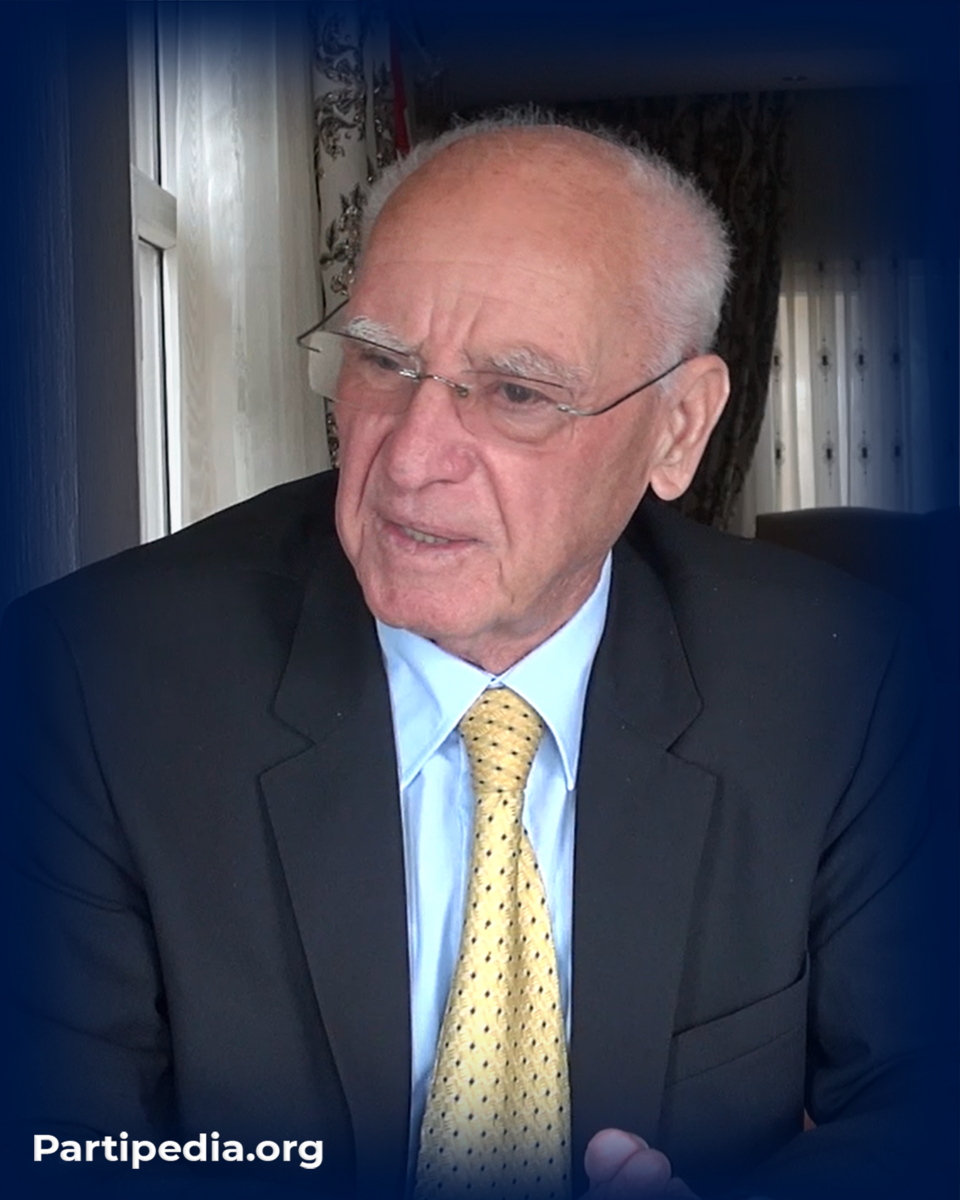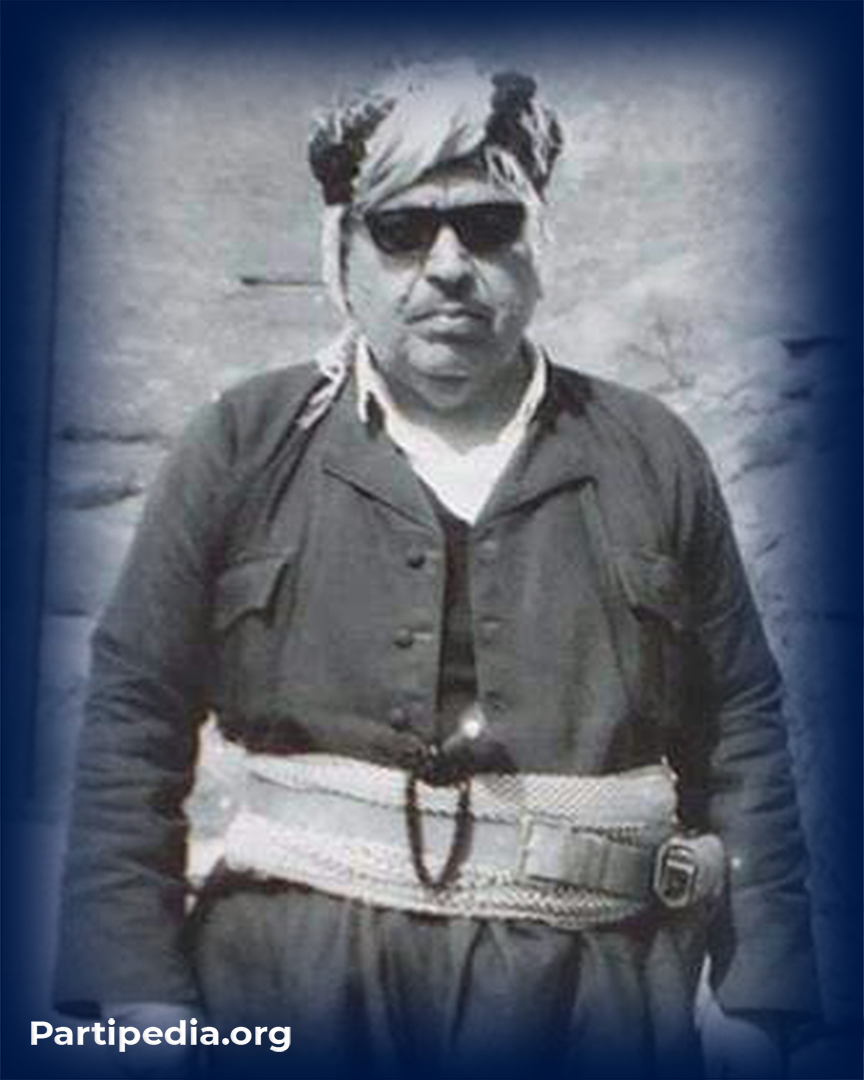


Aziz Rashid Aziz, known by the names (Lîwa Rukin Aziz Akreyî, Muqadem Aziz Akreyî. An officer and politician, he was elected a member of the central committee of the Kurdistan Democratic Party in 1964 at the sixth congress. In the same year, he was a delegate to the Qaladize congress (second people's congress). In 1964, he became a member of the revolutionary leadership council and a member of the military board (Mekteba Eskerî) with the working office (Al mekteb Al tanfizi) with the revolutionary leadership council in Iraqi Kurdistan. In 1966, he was elected a member of the central committee and a member of the political school of the Kurdistan Democratic Party at the seventh congress. In 1967, he participated in the military-political conference in Kani Simaq (Hewlêr). In 1970, he He was elected as a member of the central committee and political school of the Kurdistan Democratic Party. He joined the ranks of the Kurdistan Democratic Party in 1973.
Biography
Aziz Rashid Aziz was born in 1924 in the city of Acre, which was then part of the province of Mosul and is now part of the province of Dohuk. He completed his primary education in the city of Acre, part of the province of Mosul, and his secondary education in the city of Mosul. In 1941, he was accepted as a student at the Baghdad Military Academy. On September 26, 1942, he was admitted to the twenty-first class of the Baghdad Military College. On June 30, 1944, he graduated from the Military College in the artillery department with the rank of second lieutenant. In 1954, he was admitted to the Baghdad Military College.
In 1956, he received his military master's degree from the Baghdad Military Academy. In 1956, he was promoted to the rank of Lieutenant Colonel. In 1957, he completed the Air Force Photo Interpretation Course in the British Empire. In 1959, he completed the Military Academy in the Soviet Union. In 1959, he was promoted to the rank of Major General in the Third Army of the Iraqi Army. On July 14, 1959, he was promoted to the rank of Major General in the Third Army. He passed away on December 23, 1998, due to illness, in Cologne, Germany. He was buried on Saturday, January 23, 1999, in the Bestr Valley Cemetery in the town of Acre, Duhok Province. He was fluent in Kurdish, Arabic, Persian, English, and German.
Worksheet
Aziz Rashid Aziz joined the ranks of the Kurdistan Democratic Party in 1960. He joined the ranks of the Peshmerga forces on the 5th of July 1962. In 1962, he served as a defense commander on Hamilton Street on the border of Erbil province and established his headquarters on the Zozik and Handirên mountains in the Amar Axa Range on the Erbil province. In 1962, by order of General Mustafa Barzani (1903 - 1979) supervised the gathering of Peshmerga in the Safin mountain and its surroundings on the border of Erbil province. In 1962, he participated in the Battle of Espindar near Shaqlawe on the border of Erbil province. On September 1, 1962, he became one of the second commanders of the Safin battle. In July 1963, he was appointed commander of the Safin force. In 1963, he commanded the Battle of Spilk on the border of Erbil province. In 1963, he commanded the Battle of Ali Beg on the border of Erbil province. In 1963, he was appointed commander of the Battle of Ali Beg on the border of Erbil province. In 1963, he was appointed by the President Mustafa Barzani He was appointed commander of the Rawandiz, Balek and Sidekan fronts on the border of Erbil province. In June 1963, he participated in the Battle of Spilkê against the forces of the Iraqi army's second army. However, due to air force bombing and heavy artillery fire, the tank and infantry units were forced to retreat.
In early May 1964, he was elected as a member of the preparatory committee of the sixth congress of the Kurdistan Democratic Party. In 1964, he was elected as a member of the central committee of the Kurdistan Democratic Party by the representatives of the sixth congress. In 1964, he was a representative of the Qaladize congress (the second people's congress). In 1964, he became a member of the revolutionary leadership council in Iraqi Kurdistan. In 1964, he became a member of the military committee of the field office (Al Mekteb Al Tanfizi) of the revolutionary leadership council in Iraqi Kurdistan, which was later known as the military school. In 1964, by order of General Mustafa Barzani He was appointed as the third commander of the Peshmerga forces on the border (Sulaymaniyah - Kirkuk). In 1964, he began writing a dictionary (Kurdish - Kurdish) and in 1965, he was appointed as the commander of the Qaradakh force on the military border of the Peshmerga forces of the September Revolution. From 22 to 29 January 1965, he was the commander of the artillery unit of the September Revolution in the Battle of Penjwen on the border of the Sulaymaniyah province against the Iraqi army forces. In 1965, he devised a plan to attack the governor of Kirkuk and escaped from his car after the explosion.
In 1966, he was elected a member of the Central Committee of the Kurdistan Democratic Party by the delegates of the seventh congress. In 1966, he was elected a member of the political school at the first meeting of the Central Committee. In 1966, he was busy writing a Kurdish dictionary. In 1966, he became the commander of the Qaradakh force of the Third Army. In 1966, he led an Iraqi army tank unit on the Sayyid Sadiq-Panjuwan road on the border of Sulaymaniyah province and was killed. In 1966, he became the commander of the Safin force of the Second Army. In the winter of 1967, he participated in a military leadership meeting abroad and was also a translator. On the occasion of April 15, 1967, under the supervision of President Mustafa Barzani He participated in the military-political conference of Kani Simaq (Hewlêr) as the commander of the Safîn force. In the years (1968-1969) he was a teacher of the Kurdish Latin script for the students of the first class of the Kurdistan Democratic Party cadre training school in the village of Çoman in the province of Erbil. In 1969 he became the commander of the second battalion of the Helgurd force artillery. In 1969 he participated in the Battle of Dukan in the province of Sulaymaniyah. In 1969 he participated in the defense of the town of Qaladize in the province of Sulaymaniyah. On September 19, 1969, he commanded the Battle of Dukan on the border of Sulaymaniyah. At the end of 1969, he became the head of the branch office of the Kurdistan Democratic Party's second branch office in the eleventh year of its existence. In 1970, he was elected a member of the Kurdistan Democratic Party's central committee by the delegates of the eighth congress. In 1970, he was elected a member of the political school at the first meeting of the central committee.
In 1970, he was appointed as the head of the third branch of the Kirkuk branch of the Kurdistan Democratic Party. On the occasion of July 15, 1970, he was represented by the President. Mustafa Barzani He participated in the opening ceremony of the sixth congress of the Kurdistan Students' Union in the village of Nawpirdan in the province of Erbil. On July 17, 1971, he was elected a member of the executive committee by the representatives of the second congress of the Kurdish Writers' Union in the city of Erbil. After his military service, he became a Lieutenant General in the Iraqi army, and was elected a member of the executive committee and Vice President by the representatives of the second congress of the Kurdish Writers' Union in the city of Erbil from July 14 to 17, 1971. However, he resigned from the congress due to his preoccupation with party work. In 1972, he participated in the opening ceremony of the second congress of the Kurdistan Democratic Youth Union in Shaqlawe. In 1973, he joined the ranks of the Kurdistan Democratic Party.
His works:
1 - Learning the Kurdish Language in Latin - 1967.
2- The human soul - 1968.
3 - Revenge - 1968, second edition published in 1978.
Source:
Archives of the Encyclopedia Committee of the Kurdistan Democratic Party.