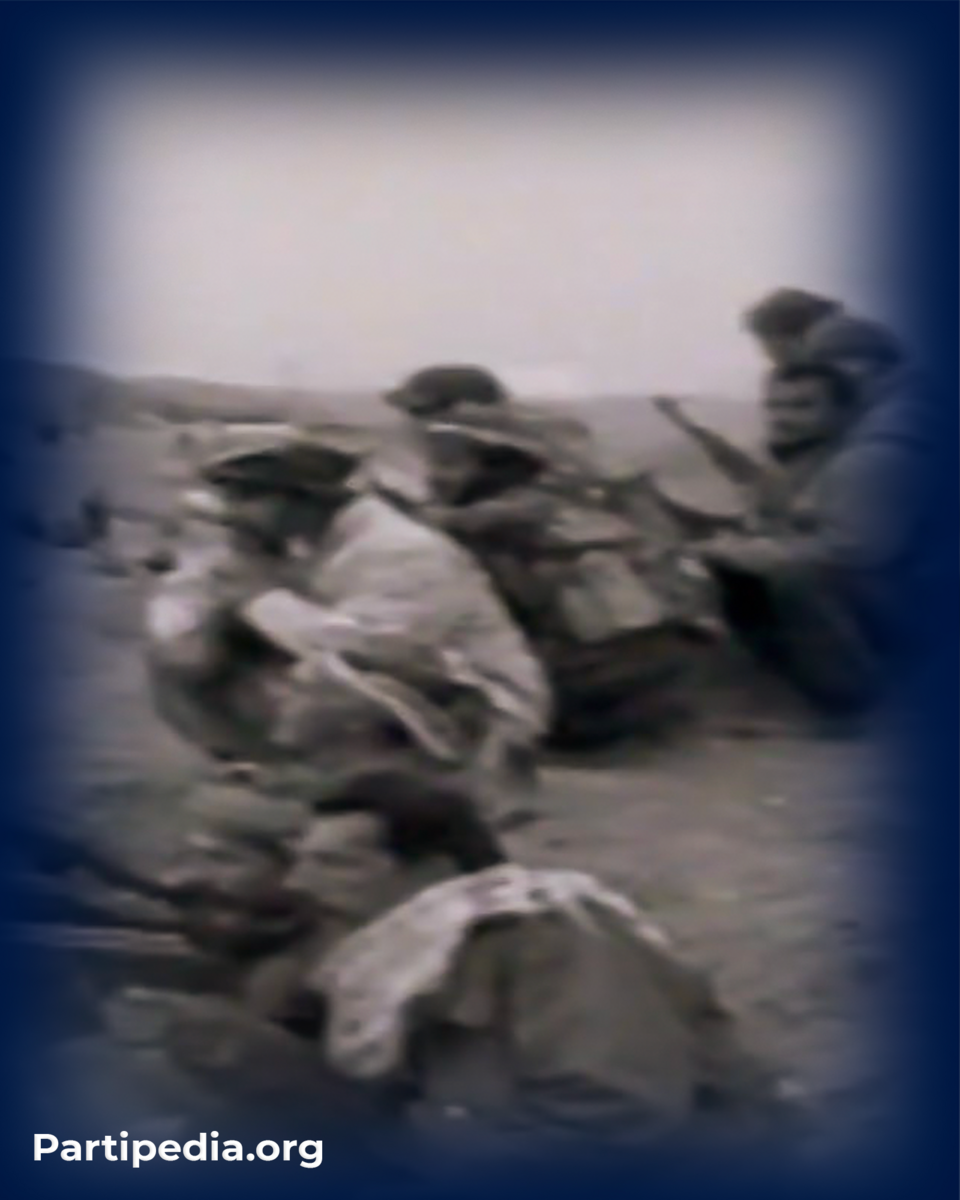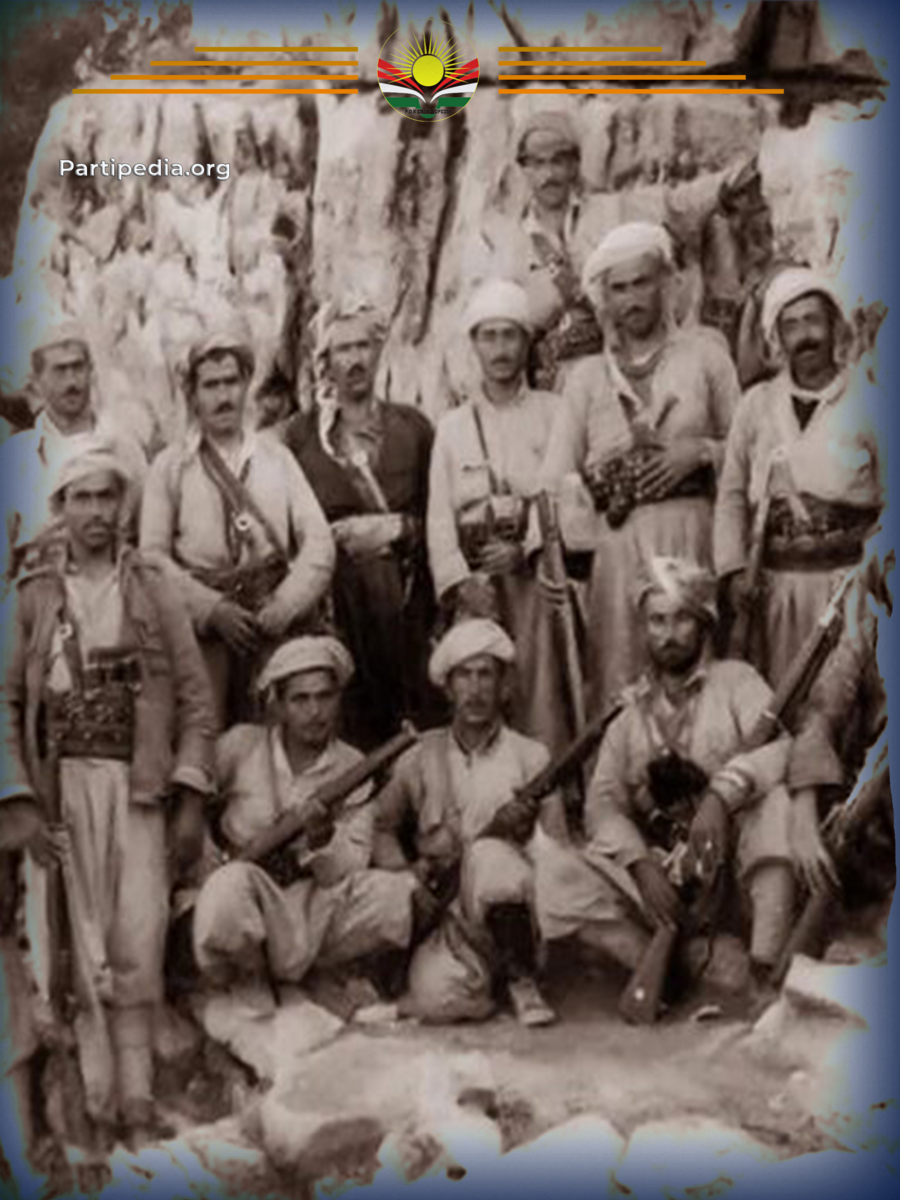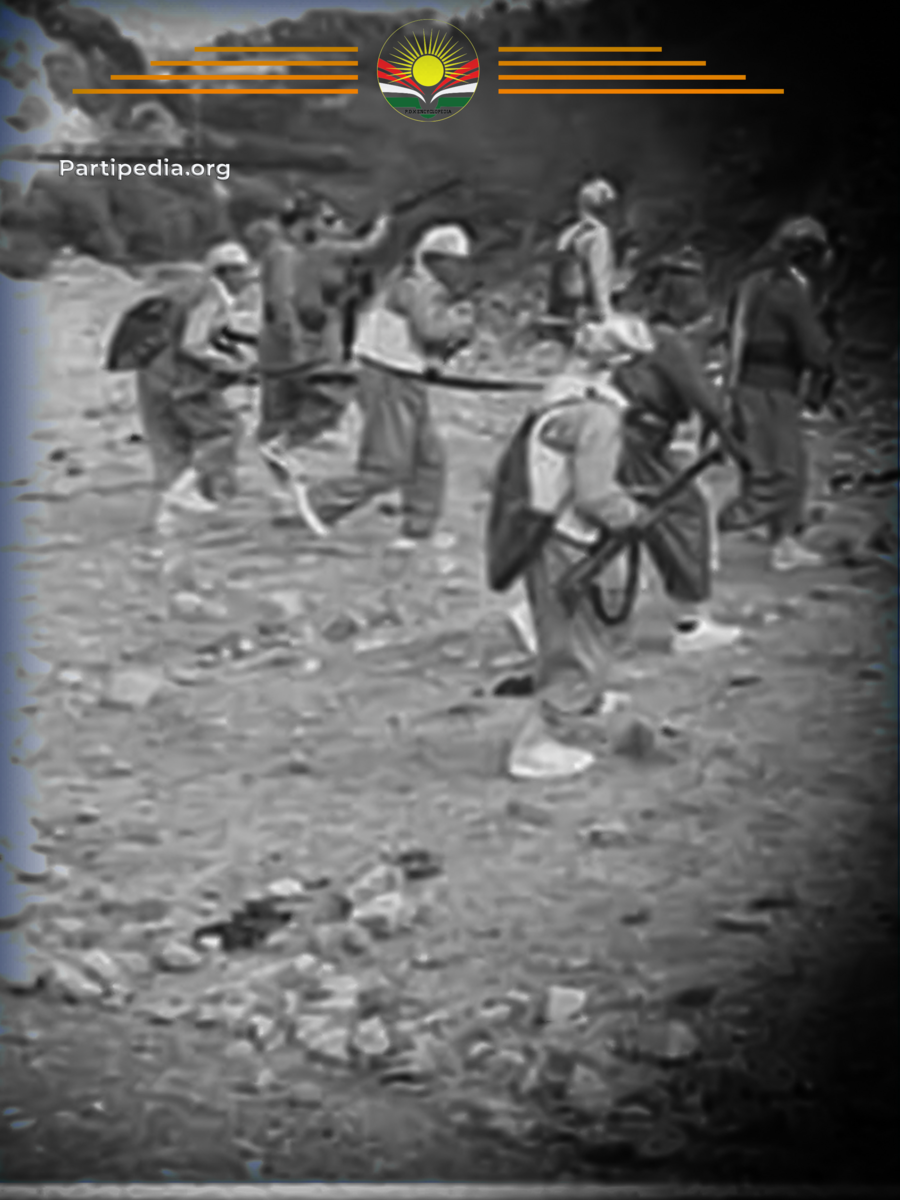


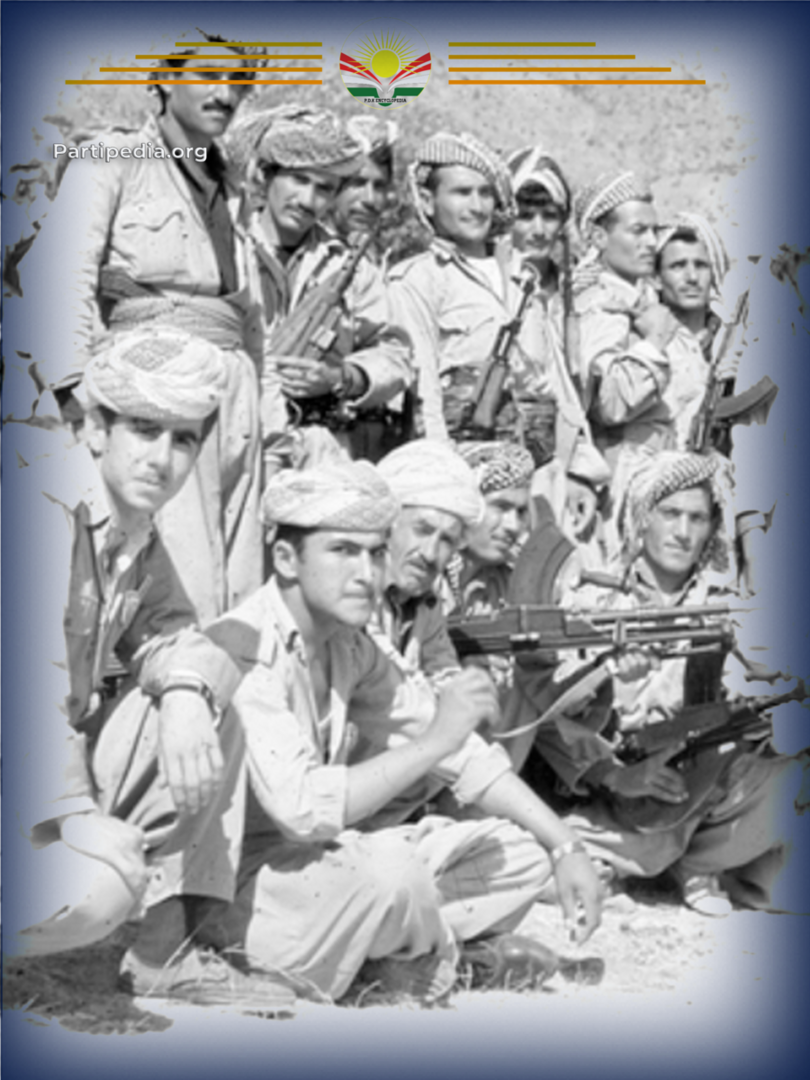
Ajmer is a famous mountain in Kurdistan and is located northeast of the city of Sulaymaniyah. Due to its height, it dominates its surroundings, therefore, it is considered a strategically important location from a military perspective. The high mountains were a place of resistance and defense for the Peshmerga Forces. The Iraqi army decided to capture the high mountains in order to dominate the entire region. Although the Iraqi army had authority within the city of Sulaymaniyah, when the Peshmerga forces dominated the heights of Mount Ajmer, it was not easy for the Iraqi army forces to move and carry out their military duties, so they began preparing for a military attack to capture the mountain.
At 5:30 on June 19, 1974, the Iraqi army announced an attack on the Peshmerga positions on Mount Ajmar. For this attack and occupation of Mount Ajmar, each of the 4th Force of the 2nd Kirkuk Division, Special Forces, the 8th Tank Battalion, the Air Force, the 2nd Division Artillery and its affiliated gangs participated. The Peshmerga forces that were on standby were the 4th Battalion of the Five Forces of the Operation Force under the command of Nuri Hama Ali.
This time, the government used all its military capabilities, including manpower, weapons, ammunition, tanks, long-range artillery, armored vehicles, and air forces, to attack the revolutionary areas. In order to defeat the Kurdish revolution, the Iraqi army initially began shelling the mountain with artillery and warplanes as a military trick in the attack on Mount Ezmar, but the Peshmerga forces had anticipated this, so they had positioned their positions well so that there would be no damage during the shelling. Although some were injured as a result of the shelling, the Peshmerga were on standby to protect the defensive line.
While the Iraqi army's air force was bombing the Peshmerga positions in the mountains, the Peshmerga air defenses shot down a helicopter with machine guns (dushka), which had a significant impact on their morale. After the shelling stopped, the Iraqi army launched a broad offensive in those places where there was a way for the tank battalion to advance against the infantry and gangs (caş), although their movement was not fast due to the presence of anti-tank mines. However, the infantry and gangs began to advance in other areas. Until they approached the Peshmerga positions, a fierce battle broke out between them. The Peshmerga forces were able to resist most strongly throughout the day. The attack was broken by the Peshmerga Forces, the bodies of many soldiers and gangs were left on the battlefield, and during the withdrawal, the bodies of the dead were removed by tanks.
The Iraqi army was unable to achieve its goal that day. The next day, June 19, 1974, they launched another major offensive, like the previous day, with even more intense artillery and air strikes. Then, they attacked the Peshmerga positions with heavy forces and the support of tank and armored battalions. After a hot and bloody battle, the Iraqi army suffered great moral and material losses, and many tanks and armored vehicles were destroyed. Therefore, they were unable to advance in a way that satisfied the army commanders. However, the stubbornness of the Iraqi army in capturing Mount Ezmar led to the punishment of some army officers, instilling fear in the hearts of others in order to defeat the Peshmerga. After great pressure and continuous attacks and countless soldiers, heavy weapons, tanks, artillery, armored vehicles and air forces, despite the heavy blows suffered by the army and the gangs, the Peshmerga forces were not immune to moral losses, including martyrs and wounded. The army was able to capture Mount Ezmar.
Source:
- Senger Ibrahim Khosnaw, Military Events of September Revolution 1970-1975, 1st Edition, Danishfer Printing House, Hewler, 2022.
- Mulazim Xidir Abdullah Debax, My Memories and the Artillery of the Great September Revolution, Rewşenbırı Publishing House, 3rd edition, Hewlêr – 2020.
- Karwan Jewher Mihemed, Idris Barzani 1944-1987 Life and Political and Military Role in the Kurdish Liberation Movement, Hêvi Press, Hewlêr, 2019.
- Ibrahim Celal, Southern Kurdistan and September Revolution, Construction and Destruction, Fourth Edition, 2021.