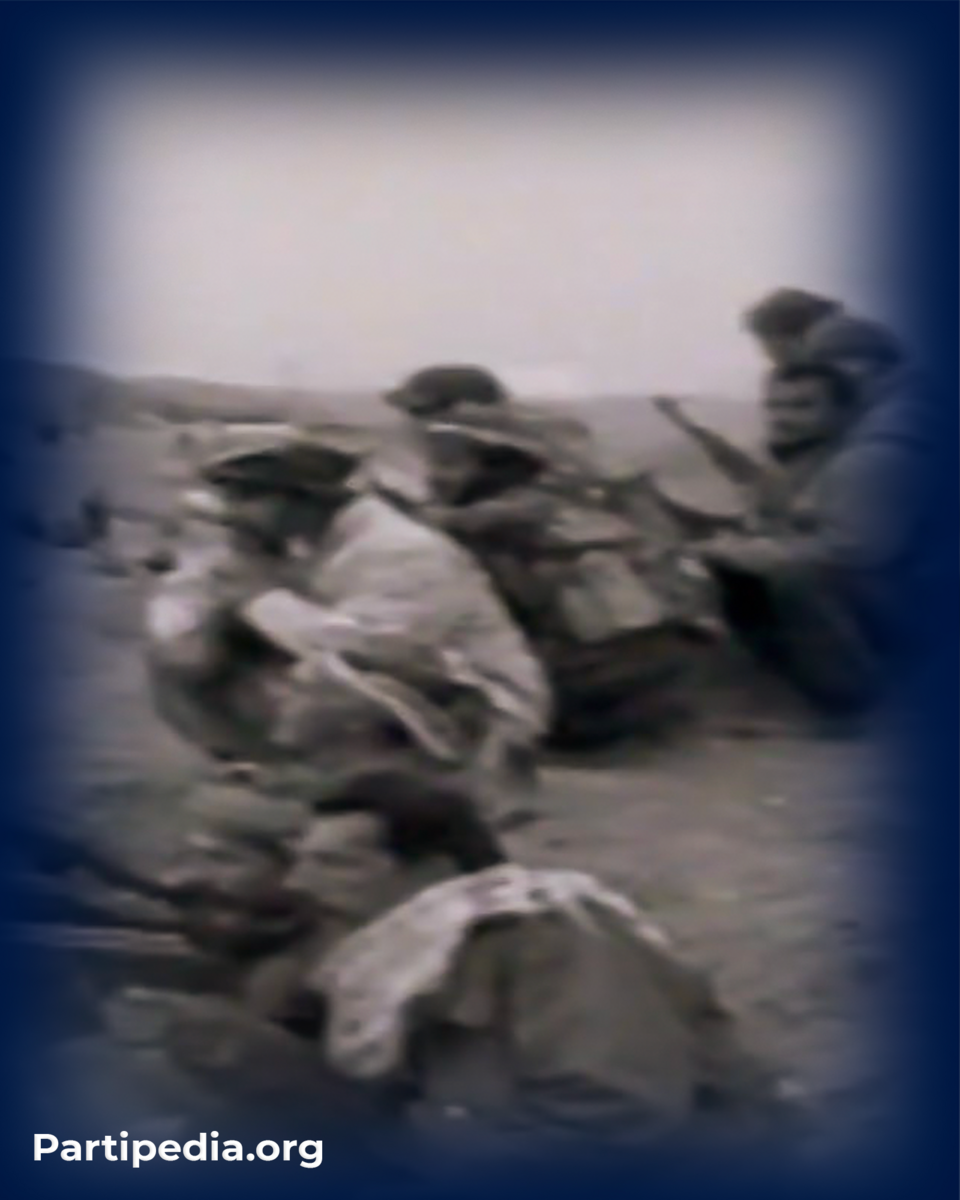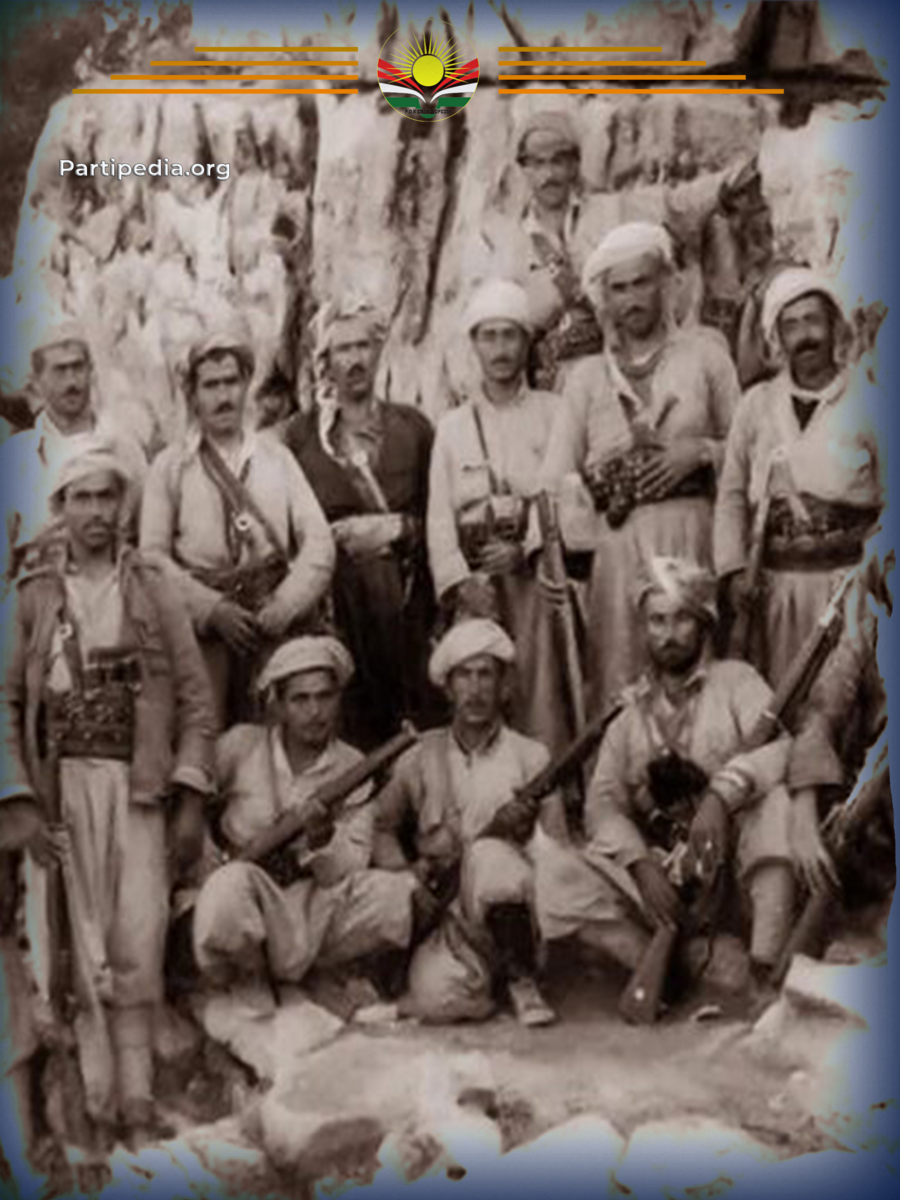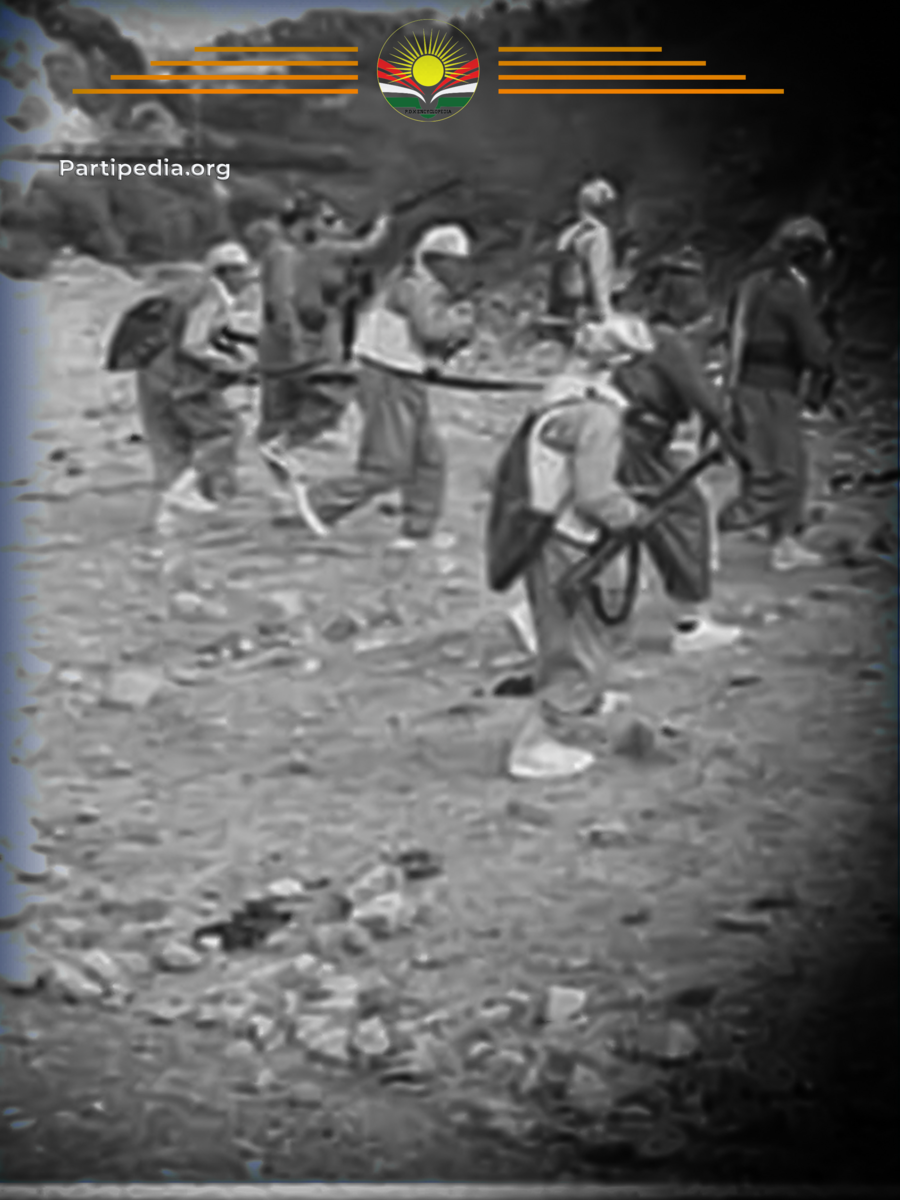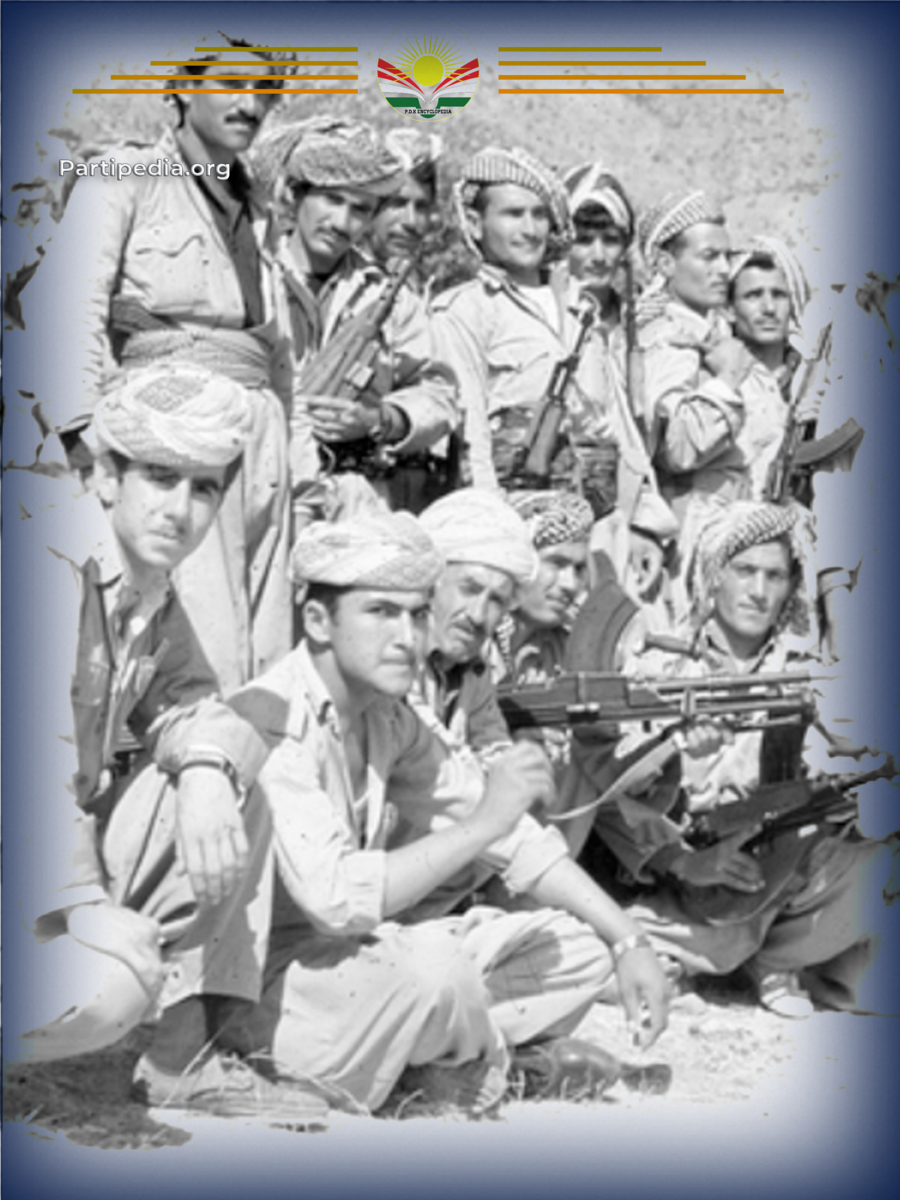


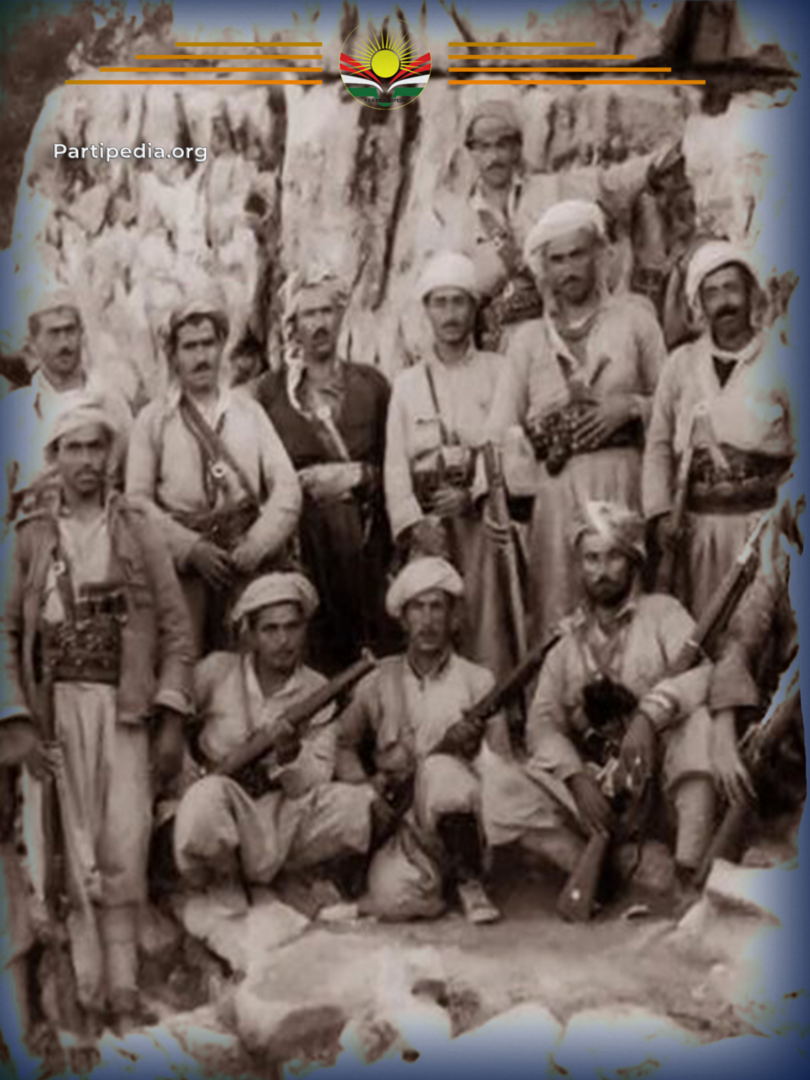
The Iraqi government, which had decided to start a war against the Kurdish revolution in 1974, began its attacks on Kurdistan with strong military preparations. The attacks continued day and night with the support of tanks, artillery, armored vehicles, and air forces. In August, the Iraqi army advanced to the Betwen area and began a military operation against Peshmerga positions in and around Mount Makok.
The Peshmerga forces retreated from the Safin Mountain front towards the Balisan Valley, joining forces with the Betwata and Pishdar fronts to form a solid defensive line in a semicircle, blocking the Iraqi army from Qaladiz to Betwata to prevent it from approaching the Balakayeti region, which was the center of the revolutionary leadership.
At the end of August 1974, the Iraqi army infantry forces set out to open the roads of advancement from Koy to Chiwarqurn. When they arrived in the area to expand their control over the Betwen plain, they first wanted to capture the heights of Mount Makok and Shishar in order to assert their sovereignty over the region. They also wanted to withdraw the Peshmerga forces from Makok and reach Mount Karox opposite the town of Qasr, and from the Ruwandiz front, they also wanted to capture the Zozik and Sartiz mountains and move towards the peak of Hasan Beg, where they would also take the rear of Gelale, thus surrounding the Revolutionary leadership in the Balekayeti region.
In addition, the Iraqi army should lighten the load on its forces on the Rwandan front in the attacks on Mount Makok and Dole Raqqa by transferring part of the Peshmerga forces to the battlefront in the Betwate area.
The large Iraqi army force, consisting of two military divisions and gangs (jash), attacked Mount Makok behind Seruchawe and Kepke Khanzad to carry out their plan. The Peshmerga forces that were deployed in the defensive line consisted of the 2nd Battalion of the Hewler Plain Force commanded by Saadi Aziz, the 1st Battalion of the Safin Force commanded by Karim Faqa and another division of the Hewler Plain Force. Under the command of Haji Ali, when the soldiers conquered the heights of Makok, the Peshmerga resisted them and many Iraqi soldiers were killed and wounded, while others fled the battlefield. The next day, the army attacked the heights of Makok again and this time managed to capture the right side of the mountain.
The Iraqi army regrouped on August 30 and, with the support of tanks, artillery and warplanes, began attacking again. First, they targeted the Peshmerga positions with heavy pre-emptive bombardments, using Katyusha for the first time. Then they attacked Mount Makok, reaching Seruchawe and the surrounding villages. A small Peshmerga force was holding back the army's attack. On September 4, the army attacked the Andik and Anguz heights, using all its heavy weapons and aircraft with the help of the (Cash) gangs, and captured them in the evening.
At that time, an urgent message from Rashid Sindi, the second lieutenant, reached the commanders of the area, requesting that a Peshmerga force come as a support force to the battle fronts and continue the campaign until they reach the top of the mountain. The support force consisted of a battalion of the Safin force under the command of Arif Ali Mewludi, and a second battalion under the command of Sayyid Kake from the Hewler Plain force. These Peshmerga forces climbed Mount Makok on the night of September 6-7, 1974 and rebuilt their defensive positions. The Iraqi army continued its attacks with the support of air forces and artillery, but this time the Peshmerga fiercely defended themselves and resisted all attacks and did not allow Mount Makok to fall into the hands of the army.
On September 8, 1974, at 11:00 p.m., the Iraqi army attacked Mount Makok once again and continued until dawn. This time, the Peshmerga did not allow the army to win, but suffered a major defeat. More than 50 bodies of army soldiers remained on the battlefield. The Peshmerga forces continued their defense in that area for 2 months and did not allow the Iraqi army to reach its goals. This is due to the expertise of the commanders in the area and their experience in fighting and strengthening the battle positions by laying mines and fencing them according to their capabilities. During these two months, the Iraqi army carried out 15 fierce attacks against the Peshmerga with a large force of cavalry, Meghawir and special forces. In all these attacks, they suffered heavy moral and material blows. Although there were martyrs and wounded Peshmerga, there were also important achievements, for example, 10 pieces of weapons were captured in one attack, 150 Kalashnikovs, 3 mortars, four Betel bags in one attack, two Russian snipers, five-thousand, and even an entire battalion were destroyed in one attack.
In mid-September, the Iraqi army began shelling the Peshmerga positions at 12:00 at night, after which a battalion of special forces attacked the positions of the Sayyid Kake battalion. It is clear that the Peshmerga were aware of the attack, which is why they hid from the soldiers until they were completely close to them and inflicted heavy damage on them. When they were about 100 meters away, they attacked them and severely beat them. As a result, the army attack was defeated, with more than 150 people killed and 100 wounded. Many weapons and ammunition fell into the hands of the Peshmerga. This Iraqi army battalion was completely destroyed. In this battle, the Peshmerga casualties were 9 martyrs and 27 wounded.
This Peshmerga resistance against a quarter of a million strong army with highly advanced weapons continued to thwart the government's plans to end the Kurdish revolution. The beginning of the attacks, with these preparations, they hoped to carry out their plans in a short time and defeat the revolution. They had set September as the deadline for their victory against the revolution, then it was moved to December 1st, but all these deadlines and baseless statements passed without any change in the situation until the agreement of March 6, 1975, which they were later able to September Revolution be defeated.
Source:
- Masoud Barzani, Barzani and the Kurdish Liberation Movement, Volume III, Part II, September Revolution 1961-1975, First Edition – Erbil, 2004.
- Khorşid Shere, Work and Blood, Memories of the Years of Peshmerga, Hacî Hashim Publishing House, 3rd edition, Hewlêr – 2015.
- Senger Ibrahim Khosnaw, Military Events of September Revolution 1970-1975, 1st Edition, Hewlêr, 2022.
- Seyid Kaka, Memoirs of a Peshmerga, Ministry of Education Press, First Edition, Erbil-1997.
Karwan Jewhar Mihemed, Idris Barzani 1944-1987 Life and Political and Military Role in the Kurdish Liberation Movement, Hevi Press, Hewler, 201