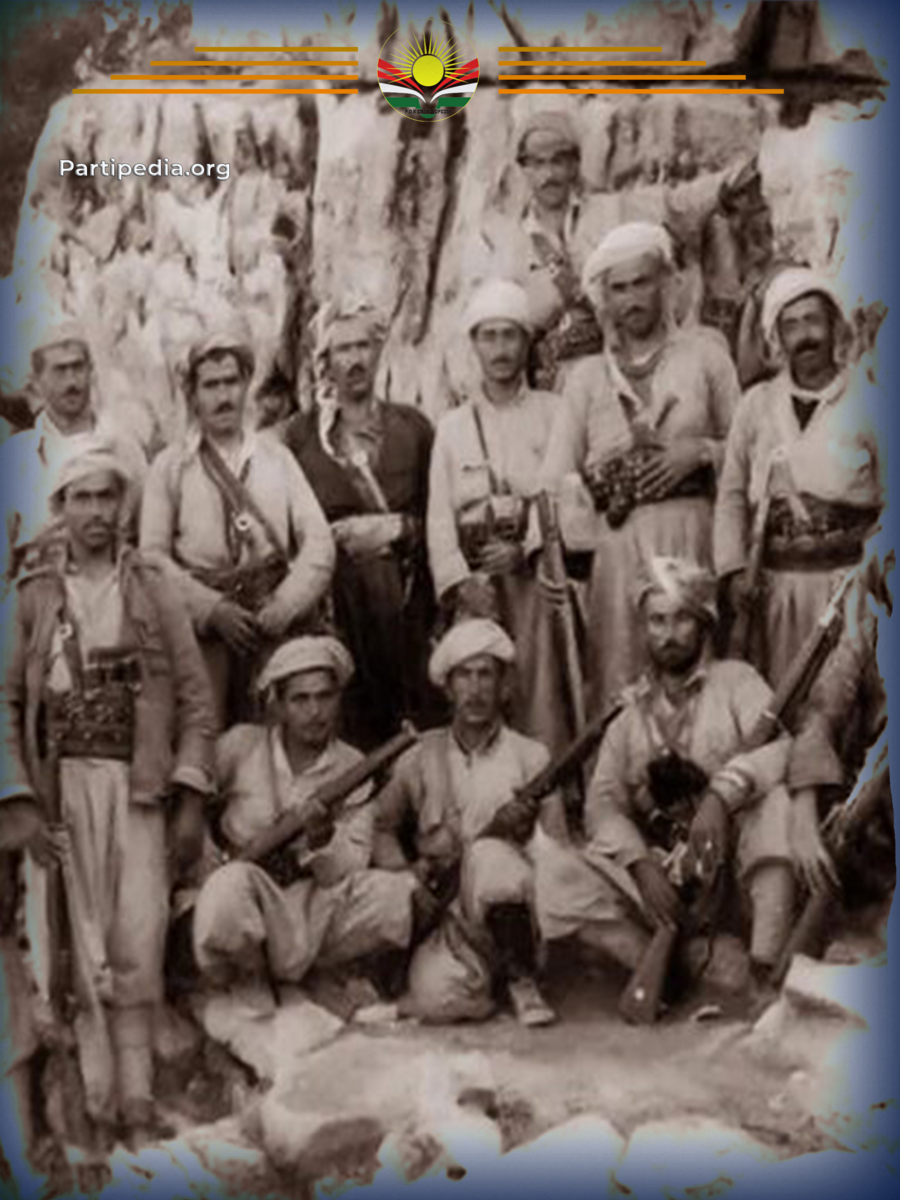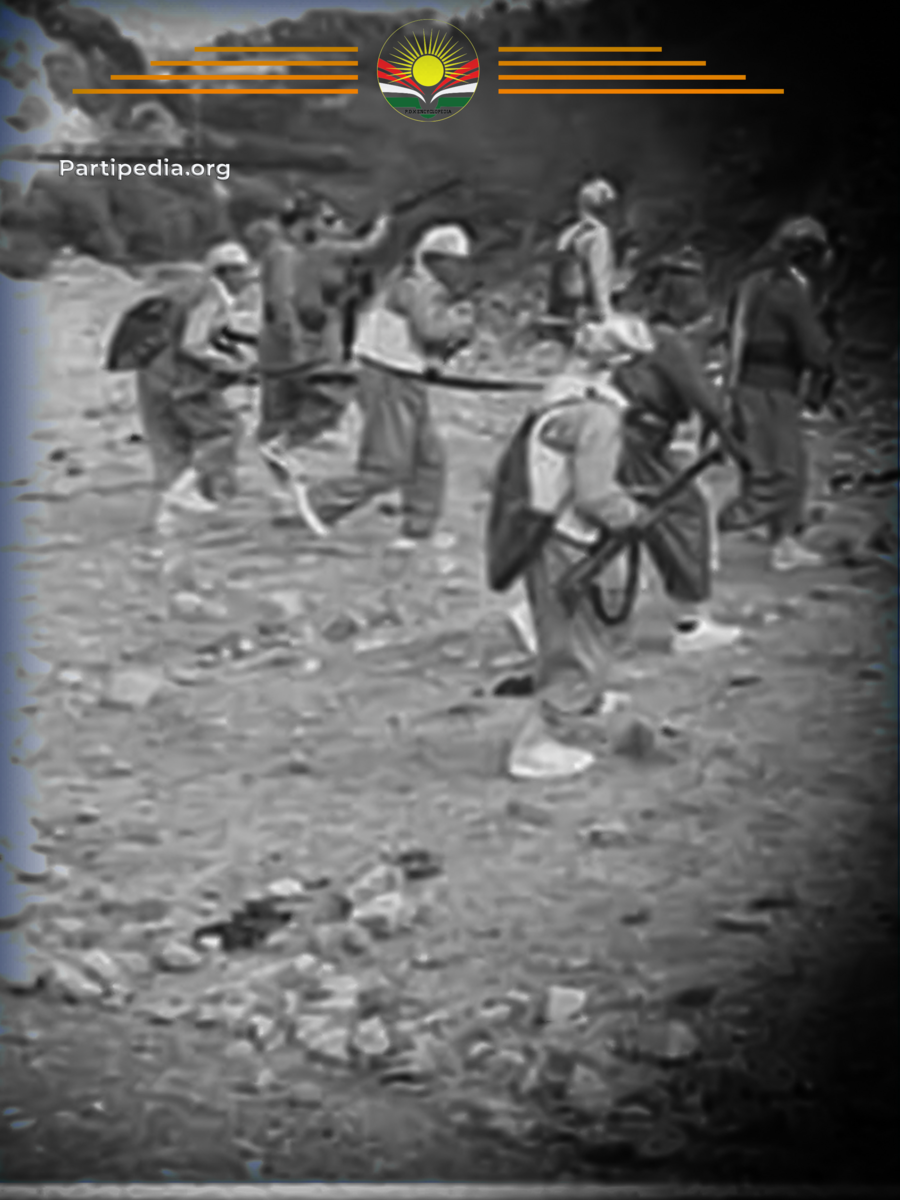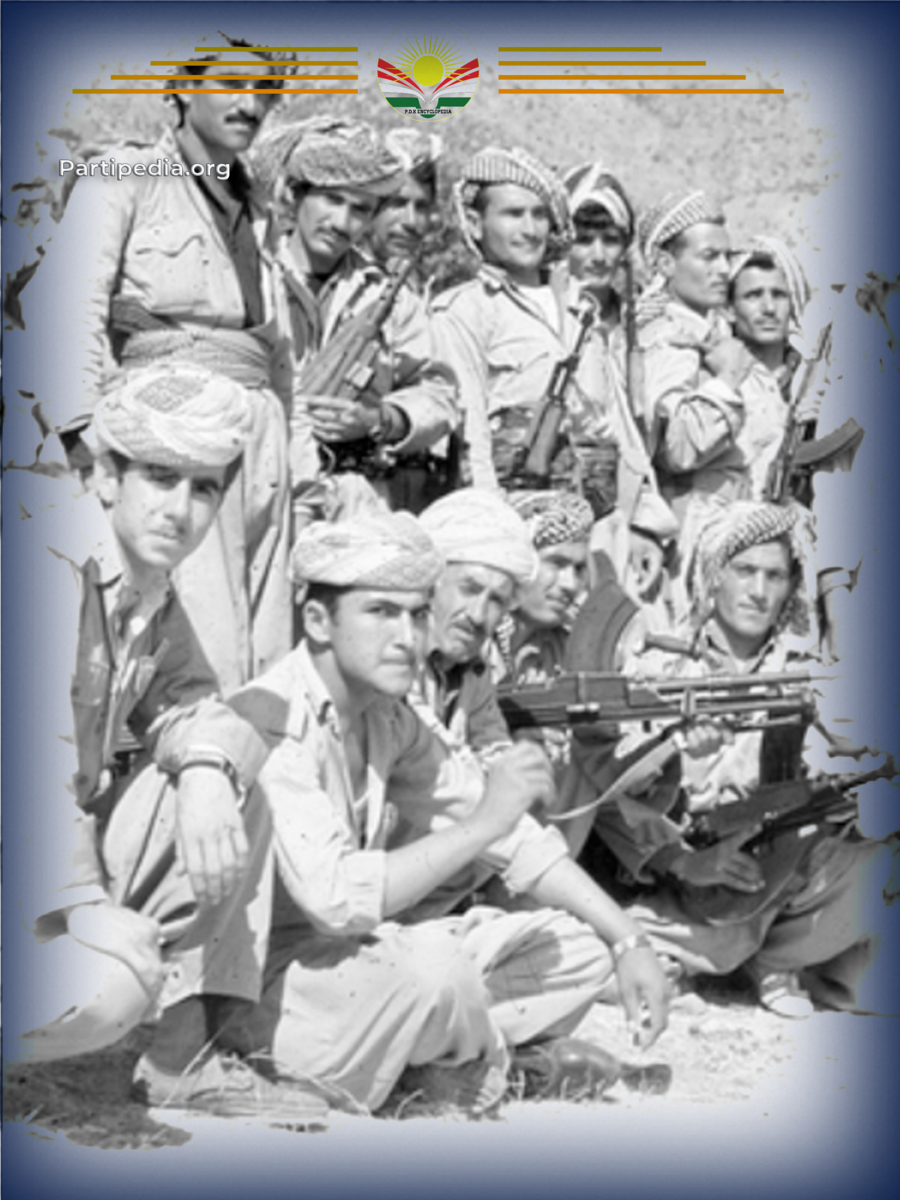



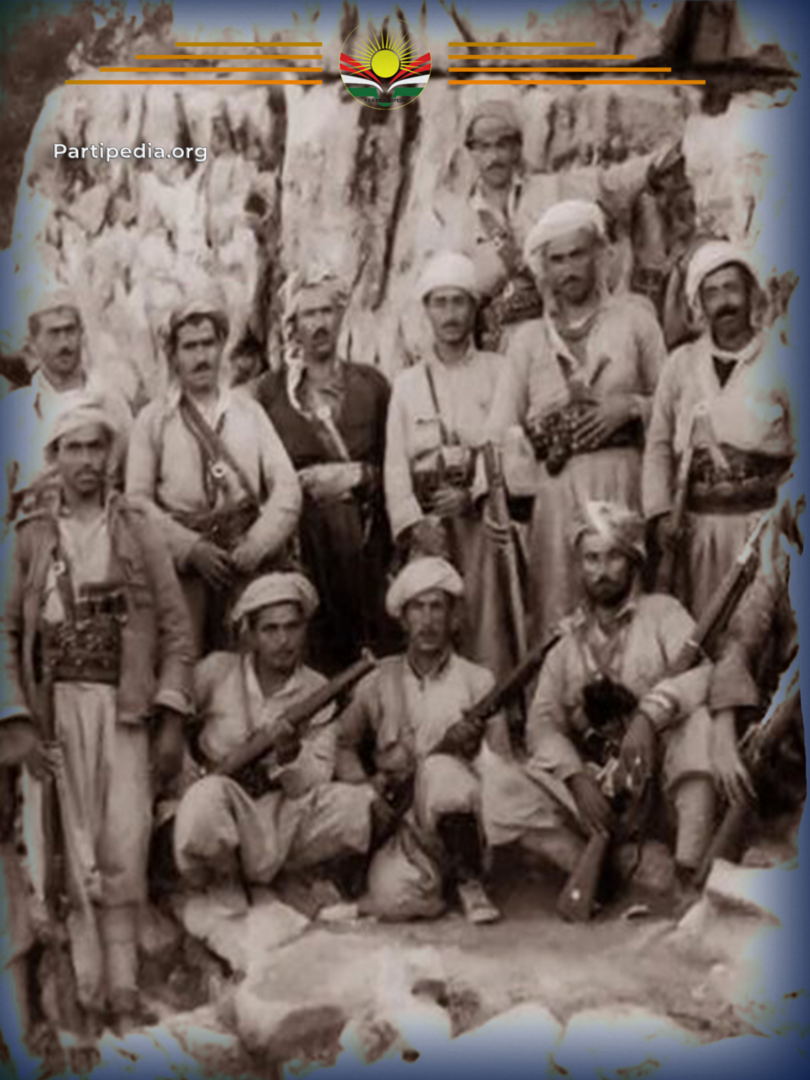
This battle took place in the Erbil plain between the Iraqi army and the Peshmerga forces in the late autumn of 1965. The Iraqi army attacked the Peshmerga bases and headquarters in order to reduce the Peshmerga threats to the Kirkuk oil fields and the landing of Peshmerga groups in the cities and towns. However, the said army suffered a major defeat, suffered heavy casualties and material losses, and was unable to achieve its objective.
In 1965, the areas of the Kurdish revolution were subjected to many battles and battles by the Iraqi army, in order to silence the voice of the revolution in all those areas and to destroy their activities. However, in many of those battles and in the attacks of the Peshmerga against several places, significant successes were achieved. Several areas of Kurdistan came under the control of the revolution again, such as the areas of Qaladiz, Chiwarta, Khosnawet, Mount Safin, Qeredax, Germiyan, Kelir and Warmawe.
The Hewler Plain, or more specifically the village of Bestane, was one of the areas that came under attack by the aforementioned army. Bestane is a small village in the Hewler Plain, located in the Qoshtepe district, approximately 30 km east of the city of Hewler. Since it was an important area for the revolution and was close to Hewler, Pirdê (Altun Kopri), Qoshtepe and Taqtaq, the Iraqi army could easily attack from there. The Peshmerga forces could also easily send their groups, platoons and ranks from there to those cities and towns and carry out partisan activities and return to their places.
It is clear that the government, in this military situation, intended to remove the Peshmerga bases and headquarters from these areas of the Erbil plain, in order to eliminate the threat to the Kirkuk oil fields, on the one hand, because the oil fields were often attacked by the Peshmerga. On the other hand, it wanted to reduce the Peshmerga activities in the city of Erbil, Koyeh and other places. For these reasons, in the fall of 1965, the government launched a large and extensive attack, consisting of the army and hired fighters (caş), supported by tanks, long-range artillery and warplanes, on the Peshmerga bases and headquarters in Bestane and the Koyeh plain and Erbil, which is also called the five-pronged attack.
The attack by the Iraqi army and mercenaries (cash) began from five directions: a force from Qoshtepe towards Bestane, another force from Derbend Gome Span, another force from Taqtaq and the Shiwane district, a fourth force from Erbil towards Daret and Bestane, and a fifth force from the village of Qeshqe towards Bestane, as well as from Koy towards Degele and the village of Talebana Bichuk. This attack covered a large and extensive area of the Erbil plain, which continued the Iraqi army's attacks on the Peshmerga bases and headquarters from several directions in the Erbil plain for a month.
The attack began with a heavy shelling of the Peshmerga positions. Artillery units were deployed from Erbil, Derbent Gome Span and Qashqai. In addition, from dawn to dusk, the government air force bombarded the Peshmerga positions, with the aim of quickly capturing all the areas under Peshmerga control, emptying their positions and returning the vast plain to the control of the government army forces.
However, it seems that the Peshmerga forces were informed before the attack that a large-scale attack was planned on their positions in that area. Therefore, they made all the defensive preparations to face the large force of the Iraqi army. One of these preparations was to transfer all the wounded or sick Peshmerga and those who could not fight to other areas of the revolution that were not at risk of government attack, so that they would not be a burden on the Peshmerga during the war, or in an undesirable situation, especially in the event of a defeat, they would not fall into the hands of the enemy.
In this battle, nearly 200 Peshmerga, experts in combat and defense, sacrificed themselves and strengthened the defense positions. They also reiterated their commitment to remain united and united with the Kurdish land and beliefs. Under the command of Faris Bawe, Ehmed Hacî Ali, Qadir Azîz Wiso Dizeyî and Seyid Kake, at the beginning of the war, the Peshmerga resisted the Iraqi army forces and the gangs in such a way that for a month, attack after attack, they did not allow the Iraqi army to reach their bases, barracks and trenches. This caused the Iraqi army forces to be shocked, who, with all the military and logistical capabilities and weapons and explosives at their disposal, were unable to achieve what they had intended and planned for.
After a month of attacks and shelling on the Peshmerga positions, the Iraqi army was unable to achieve its goal and defeat the Peshmerga. Therefore, after suffering heavy losses and casualties, including the deaths of dozens of soldiers and the destruction of many military vehicles, they were forced to retreat and leave the area.
After the Iraqi army offensive ended, there were also casualties among the Peshmerga forces, with 6 Peshmerga martyred and 14 Peshmerga wounded. In addition, more than 20 villages were burned by mercenaries (caş) and nearly 50 civilians, including women and children, were martyred and wounded by bombing and airstrikes. However, this did not cause the Peshmerga to give up their partisan activities. This was because in a short time, several Peshmerga groups reached the city of Erbil and attacked several government military institutions, in order to show the government on the one hand that the Peshmerga's morale had not declined and that they were continuing their partisan activities, and on the other hand, to reassure the people of Erbil and make it clear to them that these government attacks would not have a negative impact on the Peshmerga's strength and morale.
Source:
1. Masoud Barzani, Barzani and the Kurdish Liberation Movement, Volume III, Part I, September Revolution 1961-1975, First Edition 2004.
2. Ari Karim, A Few Living Pages September Revolution in, Xebat Printing House, Duhok 1999.
3. Khorşid Shere, Struggle and Blood, Memories of the Years of Peshmerga Struggle, Third Edition, Erbil, 2015.
4. Ibrahim Celal, Southern Kurdistan and September Revolution, Construction and Destruction, 1961-1975, Fourth Edition, 2021.
5. Seyid Kake, Memories of a Peshmerga, Ministry of Education Press, 1st edition, 1997.
6. Abdulrahman Melazadeh: The Style of Composition September Revolution, Second Edition, Duhok.