

Biography
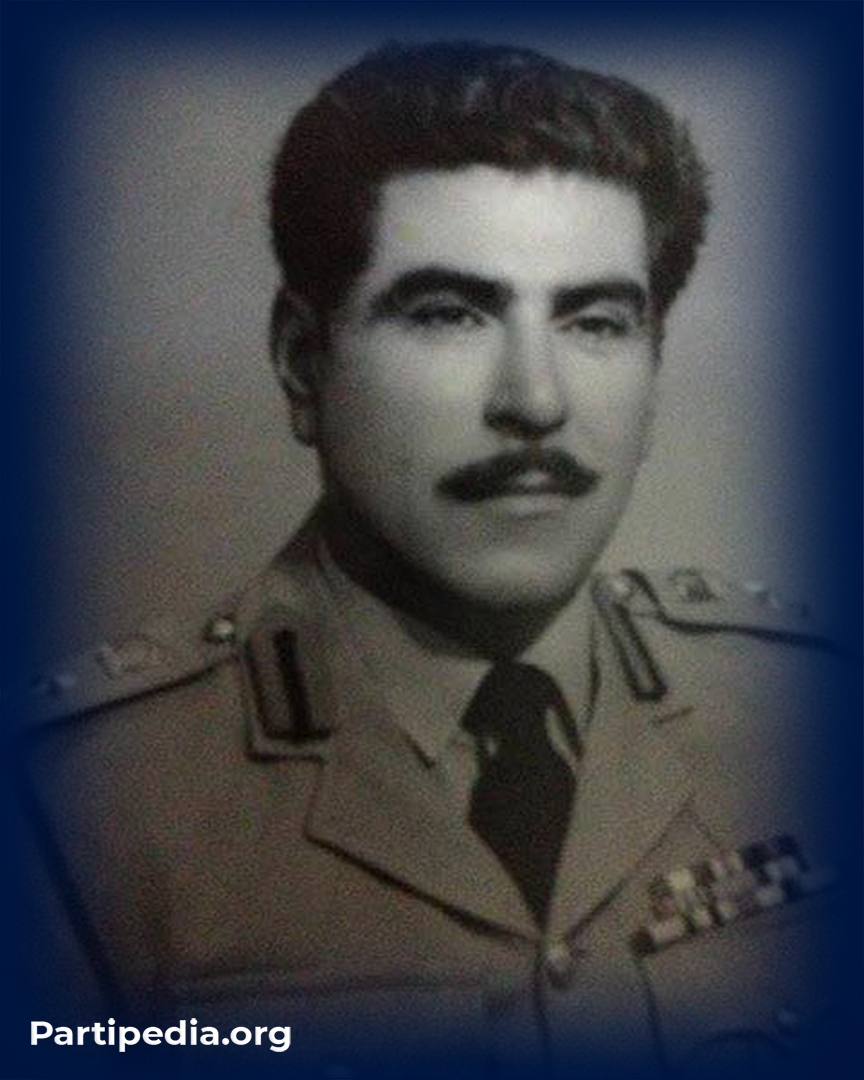
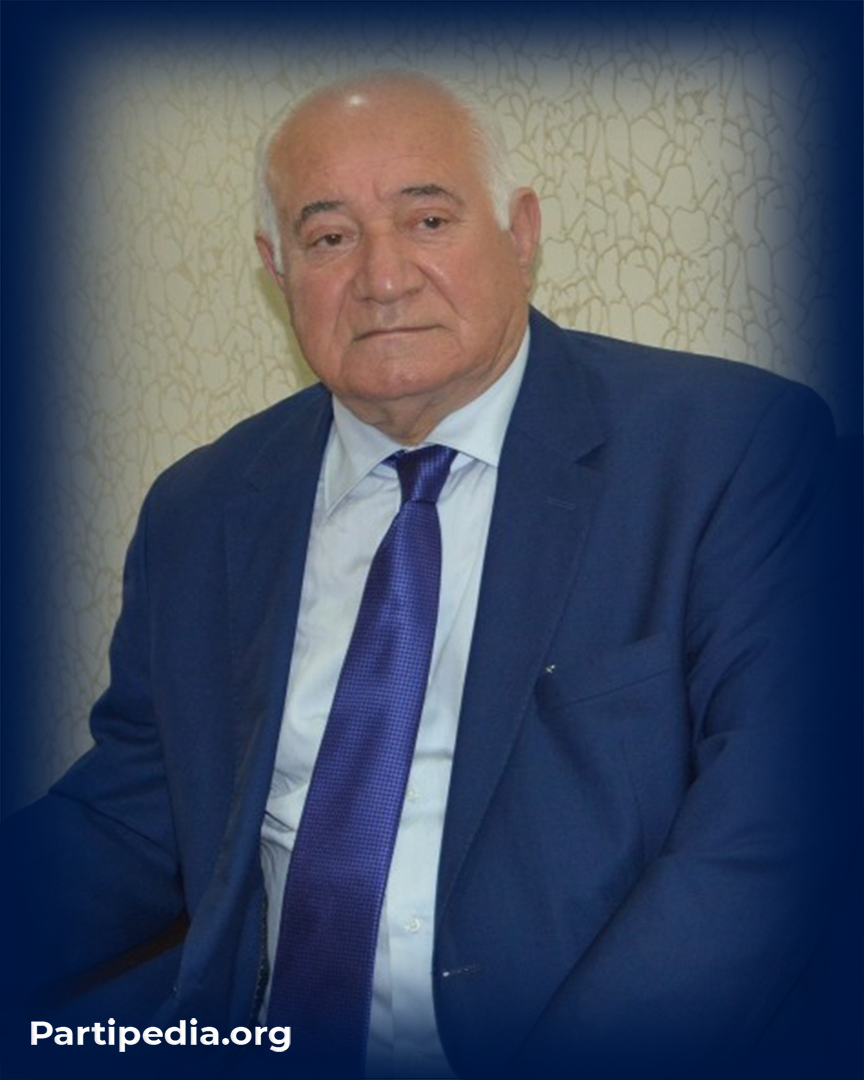
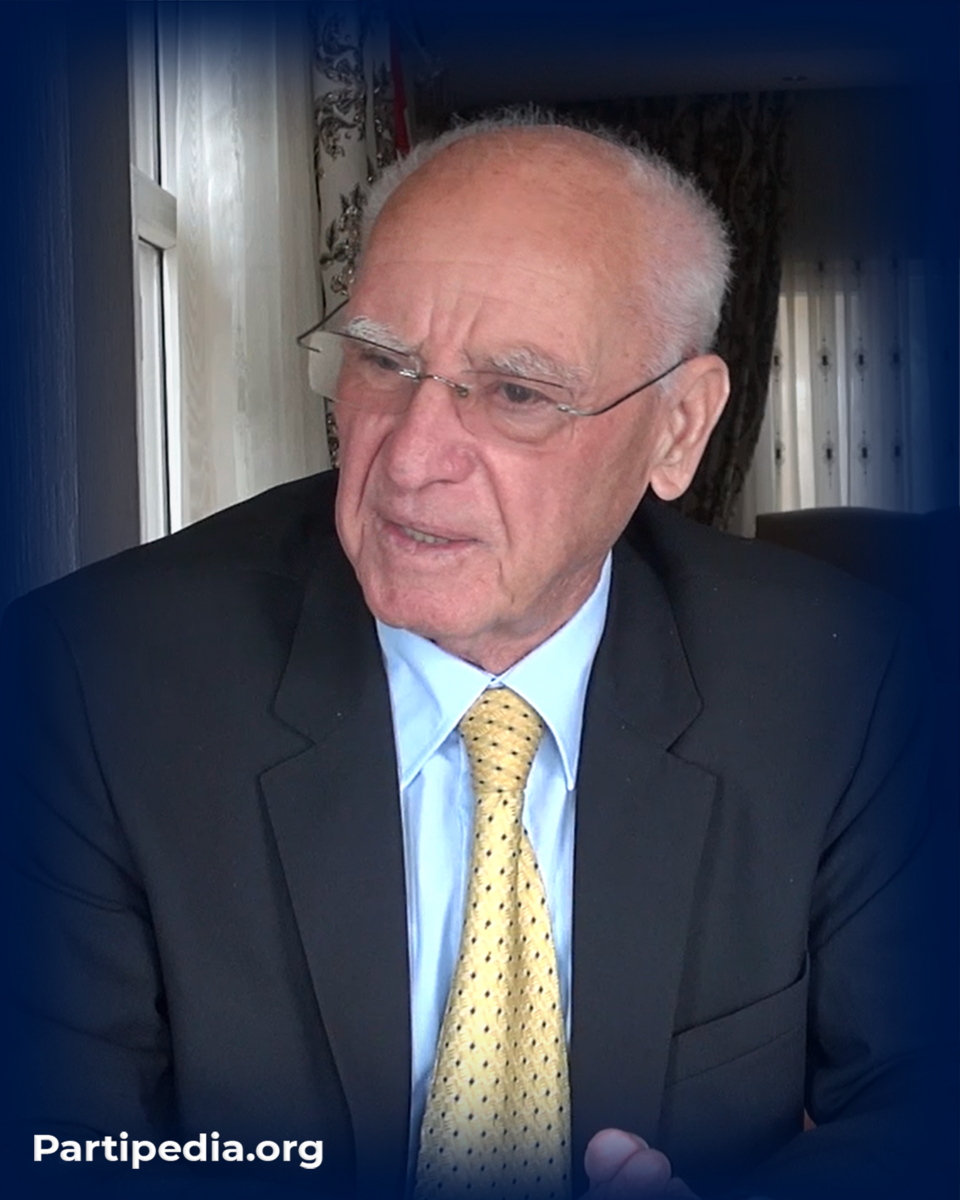
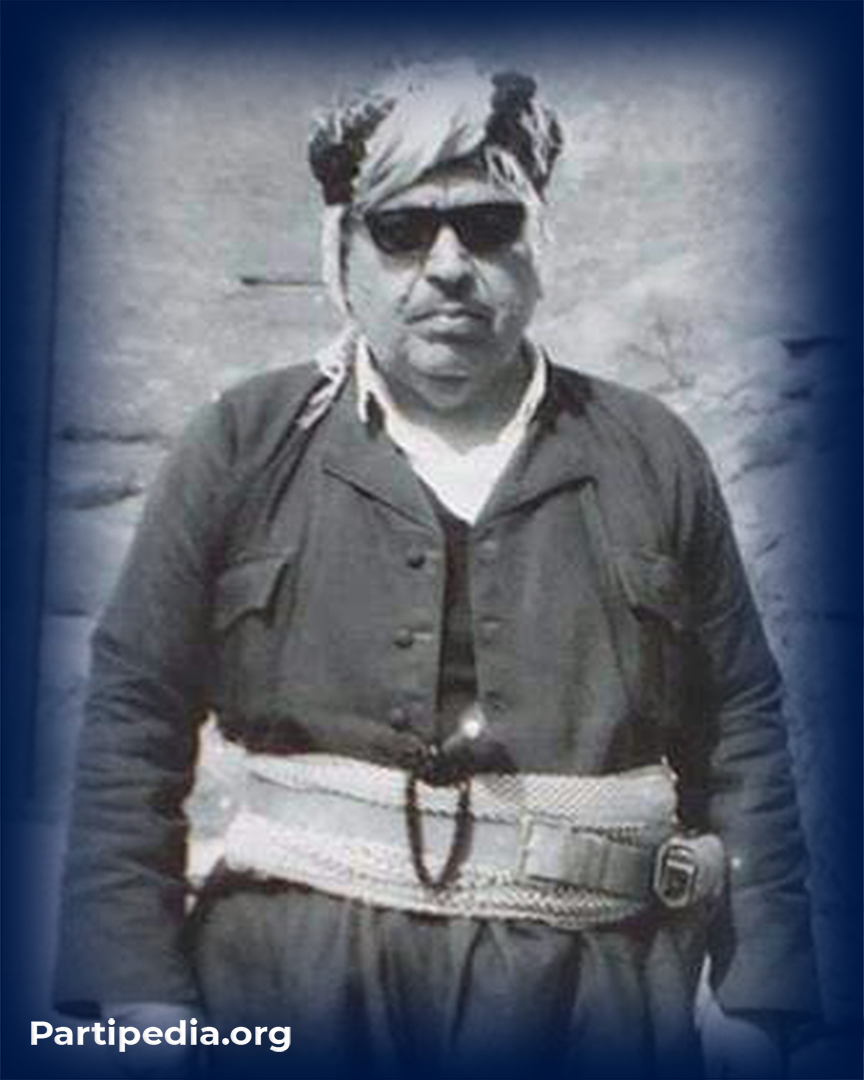
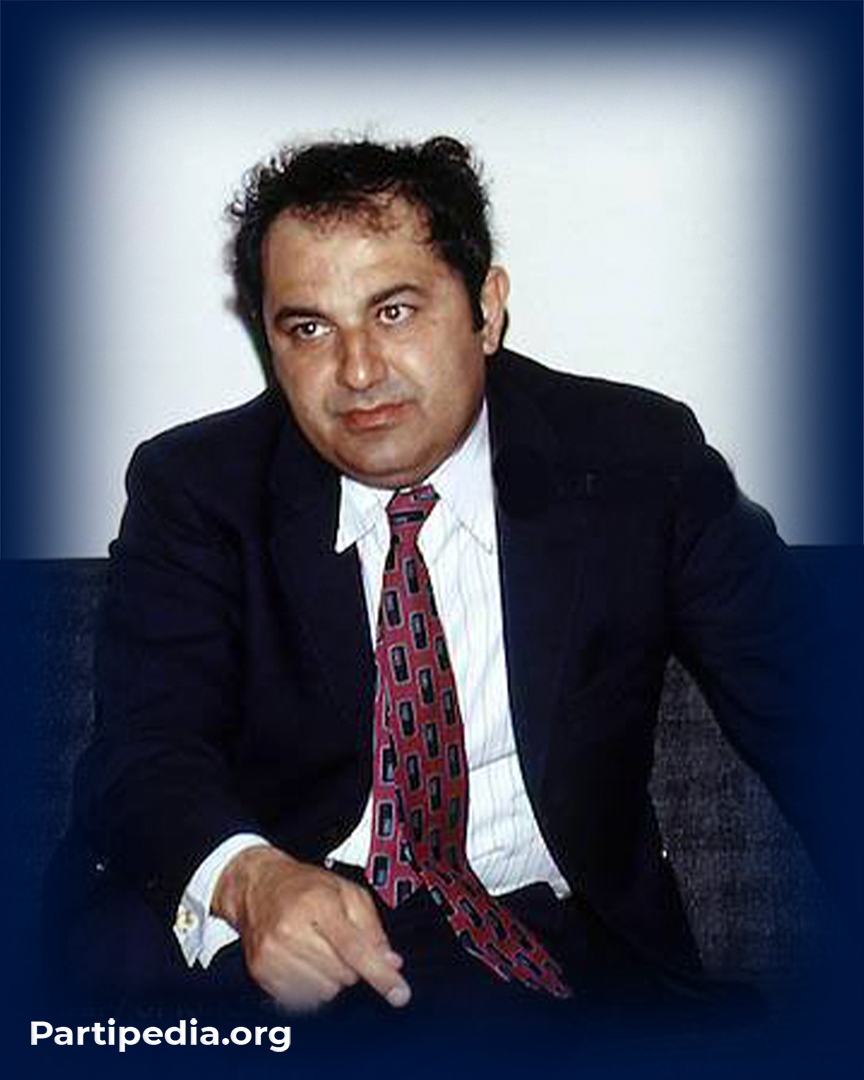
Dara Tofiq Fethula was born in the city of Sulaymaniyah. In the 19th century, his great-grandfather Haji Ewla Agha came from the city of Hamedan in Eastern Kurdistan and settled in the city of Sulaymaniyah. His brother Khosrow Tofiq Fethula (1930 - 2004) was a member of the central committee of the Kurdistan Democratic Party. In 1958, he served as Secretary of the Kurdish Students Association on the occasion of the establishment of the Republic of Iraq with the return of General Mustafa Barzani (1903 - 1979) and his friends presented a letter of welcome to the nation to the President Mustafa Barzani He was still living abroad in Moscow at that time. In 1959, he became the Secretary of the Working Office (Al Makteb Al Tanfizi) of the Iraqi Democratic Youth Union affiliated with the Iraqi Communist Party. From August 22 to 26, 1960, he was a representative of the Fifth Congress of the Kurdish Students' Association in Europe (K.S.S.E.) in West Berlin. In 1960, he was appointed Secretary of the World Union of Qutbists and Boys. From August 21 to 25, 1961, he was a representative of the Sixth Congress of the Kurdish Students' Association in Europe in Münster, West Germany.
Worksheet
The Tree of Tawfiq Fethula After the February 8, 1963 coup d'état of the Arab Socialist Ba'ath Party against the regime of Abdulkarim Qasim (1914 - 1963), he established contact with the Peshmerga forces. In 1963, he was responsible for collecting wheat from the farmers' cooperative of Sulaymaniyah province for the Peshmerga forces. In 1967, he worked for the Arabic-language newspaper (Al Taqi). In early 1970, on the orders of General Mustafa Barzani In Beirut (Lebanon), he met with Michel Aflaq (1912 - 1989), leader of the Arab Socialist Ba'ath Party, and reached an agreement regarding the acceptance and recognition of the Iraqi Autonomous Government for Kurdistan. On January 7, 1980, he was a member of the Kurdish delegation to the Iraqi Government in Baghdad to determine the borders of the Autonomous Region of Kurdistan.
On March 11, 1970, he was a member of the Kurdistan Democratic Party delegation in Baghdad to renew the March 11 agreement with the Iraqi government. In 1970, he was a member of the preparatory committee of the eighth congress of the Kurdistan Democratic Party. In 1970, at the eighth congress, he was elected a member of the central committee of the Kurdistan Democratic Party by the representatives of the congress. On Wednesday, June 24, 1970, with the representation of the President Mustafa Barzani He participated in the Kurdish Writers' Congress in Baghdad. On January 10, 1970, he was a member of the nine-member delegation of the Kurdistan Democratic Party to negotiate with the Iraqi government officials regarding the autonomy of Southern Kurdistan in Baghdad. On September 11, 1971, he became the Editor-in-Chief of the Brotherhood Newspaper. On January 1, 1974, he became the Editor-in-Chief of the Brotherhood Newspaper. In March 1974, he was appointed Secretary of Education and Teaching by the leadership of the September Revolution, and later Secretary of Culture, Information and Youth.
On April 28, 1974, after the start of the siege of his house, he and his family were deported to the liberated areas by the Iraqi authorities without any need. In 1974, he collaborated with the writers of the Voice of Kurdistan Radio during the September Revolution. Between 1974 and early 1975, he was the Secretary General of the September Revolution Education Department, and then, with the issuance of the law of the Legislative Council and the Executive Council of the Kurdistan Region, he was appointed as the Acting Minister of Communication and Intellectuals and the Minister of Science (Education). In 1974, he supported the founders of the Listening Section (Al Insat) and its section, and in December 1974, he published the first color calendar of the September Revolution. In 1975, he wrote articles for the magazine Dengê Kurdistan, the General Trustee's Organ for Intellectuals and Media and the Sons of the September Revolution. In early 1975, he was appointed Minister of Education of the Kurdistan Region by the President. Mustafa Barzani and the political school of the Kurdistan Democratic Party presented him with a letter of thanks and honor. On November 5, 1980, he was arrested and disappeared by the Iraqi Intelligence Service on his way home and to work, and his fate has not been officially determined to this day. He was fluent in Kurdish, Arabic and English.
Source:
1 - Archives of the Encyclopedia Committee of the Kurdistan Democratic Party.