


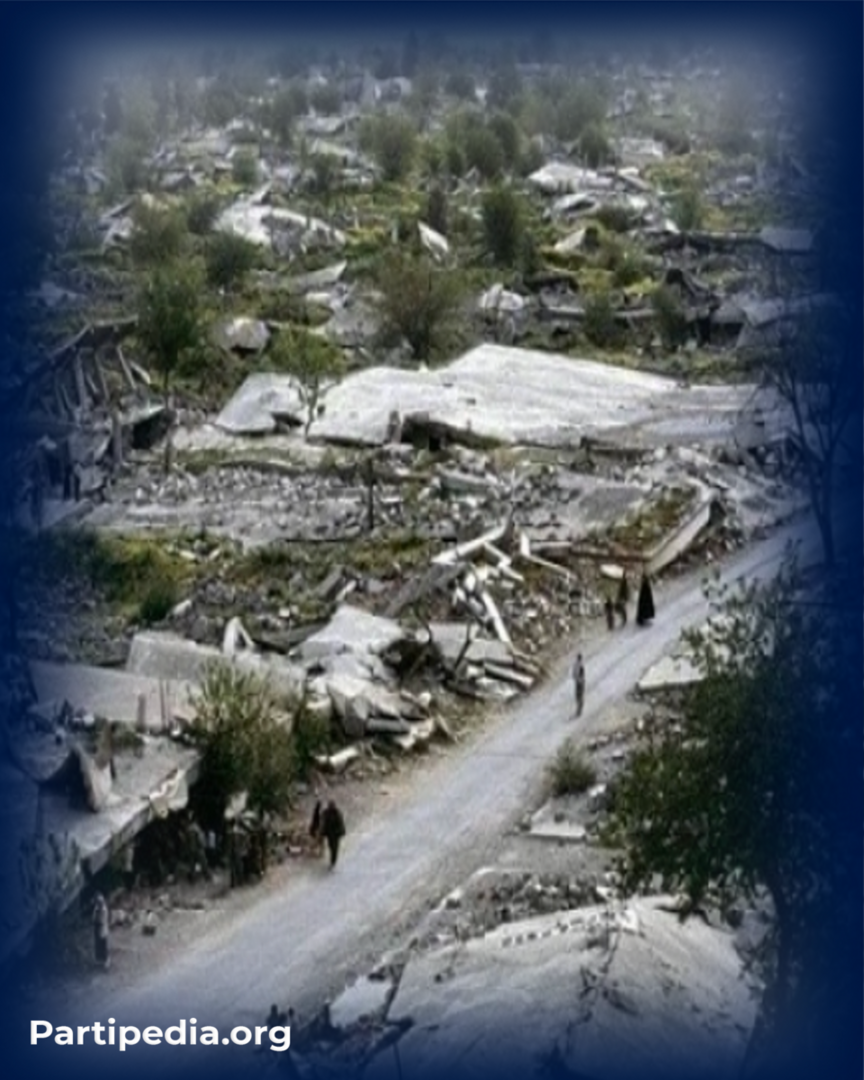
In 1974, the Iraqi government withdrew from the March 11, 1970 agreement, and war and destruction once again engulfed the Kurds in all areas of the revolution. Because the people wanted peace and a comfortable life, they were very concerned about the government's position and strongly opposed it. Therefore, with the outbreak of war, the entire population, including all classes, resisted the government's attack. The struggle of the pen was more enthusiastically joined the armed struggle. Students of Sulaymaniyah University, teachers, intellectuals, and revolutionary people entered the areas under the control of the revolution and rejected the Ba'th regime. Sulaymaniyah University joined the scientific struggle in the armed struggle. In other words, the two flags of science and revolution were raised together, to emphasize to the world that war and destruction are a major obstacle to Kurdish development and that oppression has invaded all aspects of the life of the Kurdish people, including science and knowledge.
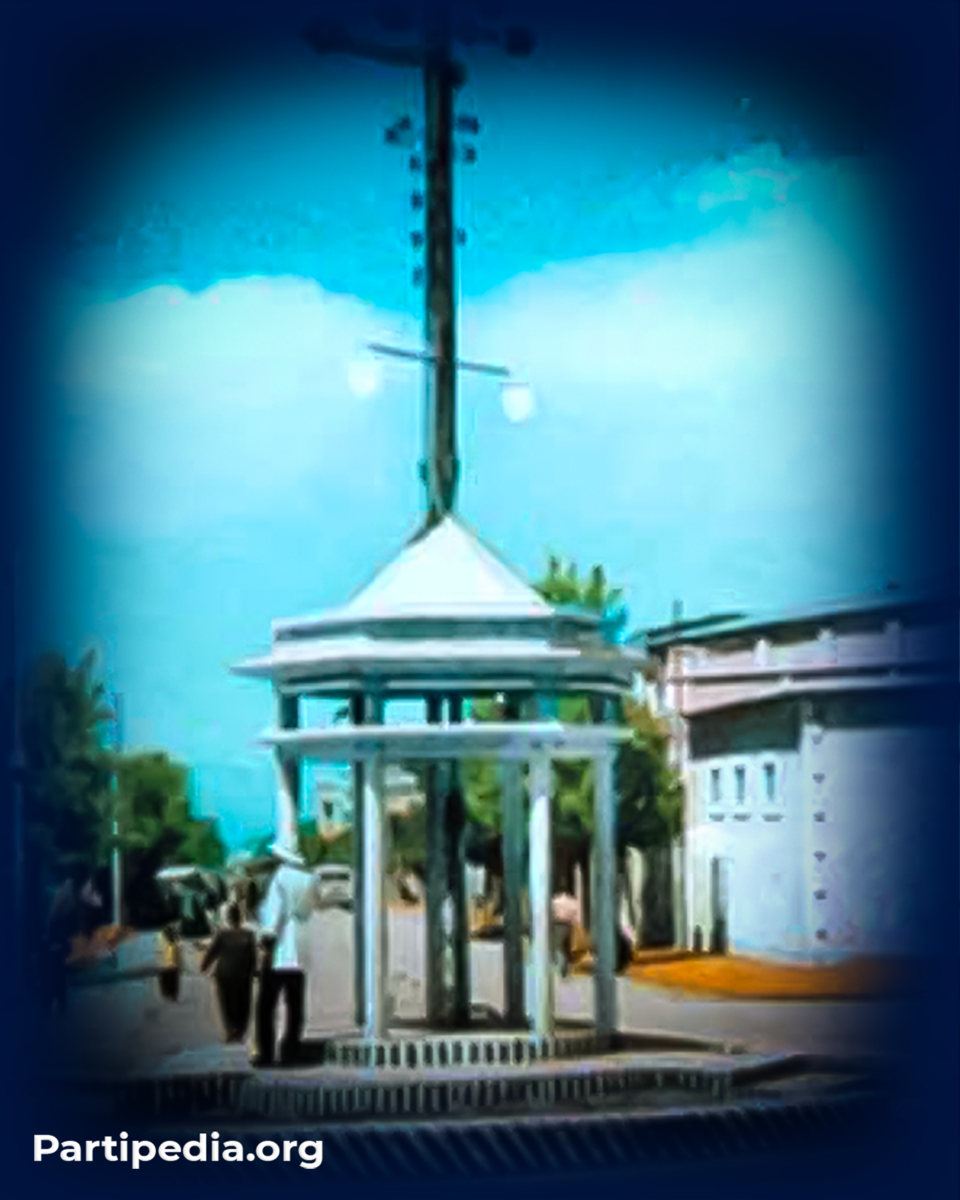
Successive Iraqi regimes have always been a steel obstacle to the progress of the Kurds and have tried in every way to block the path of struggle, revolution and development and ultimately to destroy them. Therefore, on the morning of April 24, 1974, at 09:45, several warplanes bombed the city of Qal'adiz with banned Napalm bombs, venting their anger on the university, scientists and civilians of the city, targeting the university center and causing a tragedy that is unacceptable by any moral, conscience and humanitarian standards. In the blink of an eye, 123 people, including women, children, the elderly, students, teachers, workers and farmers, were martyred and more than 400 people were injured.
This was the most tragic story that had ever happened, and it joined all the other stories of the struggle. September Revolution It was a shameful gift from the Soviet Union and its allied Ba'ath government to the Kurds, described as the most terrible disaster in the newspaper Le Monde on June 10, 1974.
The martyrs of this historical disaster were buried in the Qeladiz cemetery, and the cemetery's name was also inscribed on the martyrs' grave. The bombing of Qaladiz was named, on the one hand, this heartbreaking disaster was a shame for its perpetrators, but on the other hand, it shook the conscience of all Kurds and Kurdistanis and became a living lesson in the heart of every freedom-loving person, which is remembered every year, in the uprisings of 1982, 1983 and 1987, the anniversary of the bombing of Qaladiz was accepted as a historic day and in all cities of Kurdistan, voices of discontent were raised by sections of the people against the Ba's regime. The residents of the city of Qaladiz commemorate this historical disaster with a march every year and condemn the perpetrators.
Source:
- Khoshawi Ali Kanyelinji, Memories of the late Qazi Hamed Surchi, Danisher Press, Hewler, 2023.
- Masoud Barzani, Barzani and the Kurdish Liberation Movement, Vol. 3, Part 1, September Revolution 1961 – 1975, 1st Edition, 2004.
- Ari Kerim, A Few Living Pages September Revolution Xebat Printing House, Duhok 1999.
- Ismail Gundejori, September Revolution in Balekayeti, Rojhelat Publishing House, Edition 1, 2018.
- Ibrahim Celal, Southern Kurdistan and September Revolution Construction and Destruction 1961-1975, Fourth Edition, 2021.