



The Sasanian-Byzantine conflict and its effects on ancient Kurdistan between the years (590-630 AD)
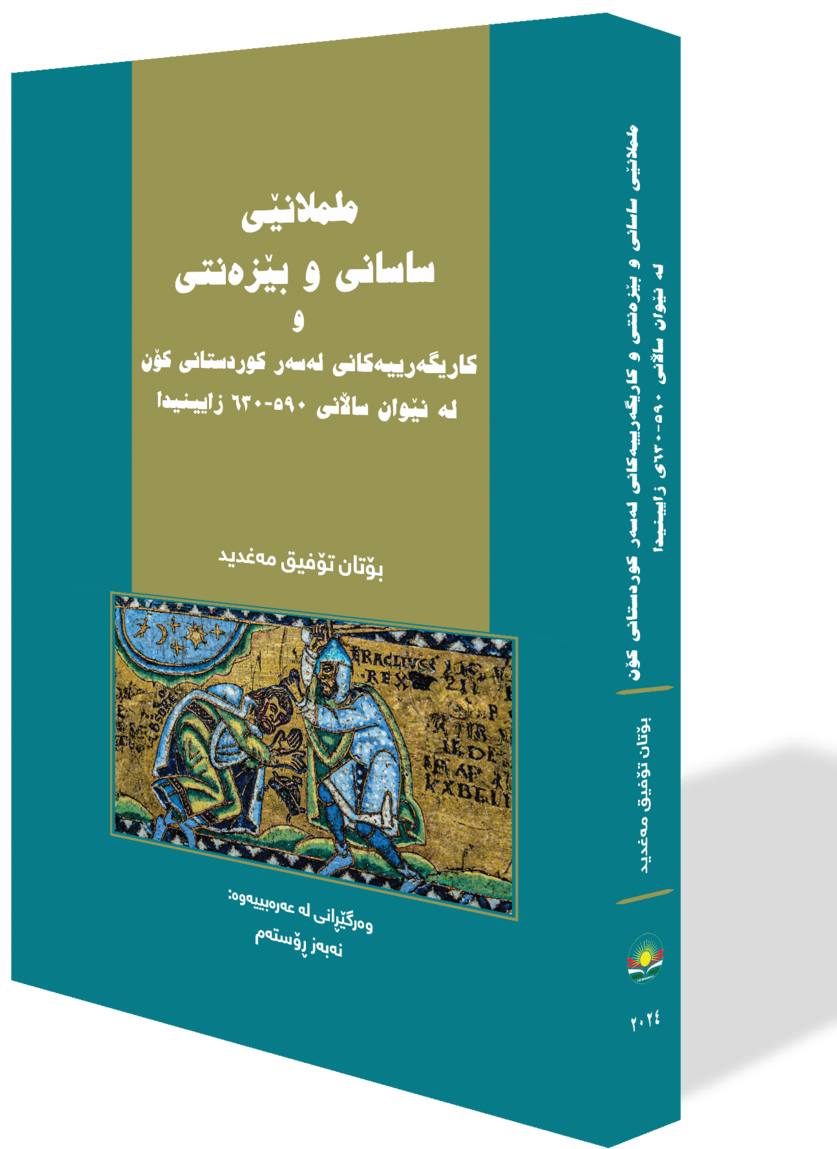
This book is a historical study of the Sasanian-Byzantine conflict and its effects on ancient Kurdistan between the years (590-630 AD), its topics are arranged in chapters and sections consisting of a preface, a barca, three parts and appendices. At the beginning of this book there is a brief historical overview of the Sasanian and Byzantine Empires.
The first part of the book discusses the geographical and historical background of ancient Kurdistan and the conflicts between the Sasanians and the Byzantines from 224 AD to 590 AD and includes two parts, on the Kurds and the name Kurdistan, the most important regions and cities of ancient Kurdistan such as the Media region, Azerbaijan (Media Itropatin), Upper Mesopotamia (Jazira), Hadiyab and Kurdok, other regions inhabited by Kurds such as Armenia, Persia and Ahwaz (Khuzestan), other inhabitants of ancient Kurdistan such as Persians, Arabs, Armenians and Romans, religious faiths such as Zoroastrianism and Christianity. The reasons for the conflicts and the importance of Kurdistan in the Sasanian-Byzantine war.
The second part deals with political relations and military conflicts between the years 590-621 AD and consists of two parts, focusing on the period of political relations between the years (590-602 AD) such as the Bahram Chopin movement and the exile of Khosrow Pervez to the Byzantine Emperor Maurice, the Byzantine-Sasanian campaign to restore Khosrow Pervez to the throne, the period of political relations between the years 591-602 and the internal problems of Byzantium and signs of the revival of the Sasanian-Byzantine conflict. Reconstruction of the military conflict between 603-621 CE, such as the Phocas-Perseus conflict (602-610 BC), including the Sasanian campaigns (603-610 BC), the campaign against Upper Mesopotamia and the campaign against Armenia, the conflicts of the Heraclius-Perseus period (610-628 AD), including the Heraclius Revolt and Emperor Heraclius and the conflicts (610-622 AD), the reasons for the collapse of the Byzantine Empire by 622.
The third part of this book deals with the final phase of the Sasanian-Byzantine war and its effects on ancient Kurdistan and consists of two parts, focusing on the final phase of the conflict between 622-630 AD, such as Heraclius' preparations and organizations for the Persian invasion, Heraclius' campaigns between 622 - 625 AD, the resolution of the Sasanian-Byzantine conflict in Kurdistan, Heraclius and the struggle for the Sasanian throne. The effects of the Sasanian-Byzantine conflict on ancient Kurdistan as political, religious and economic effects.
Download (PDF) Read online