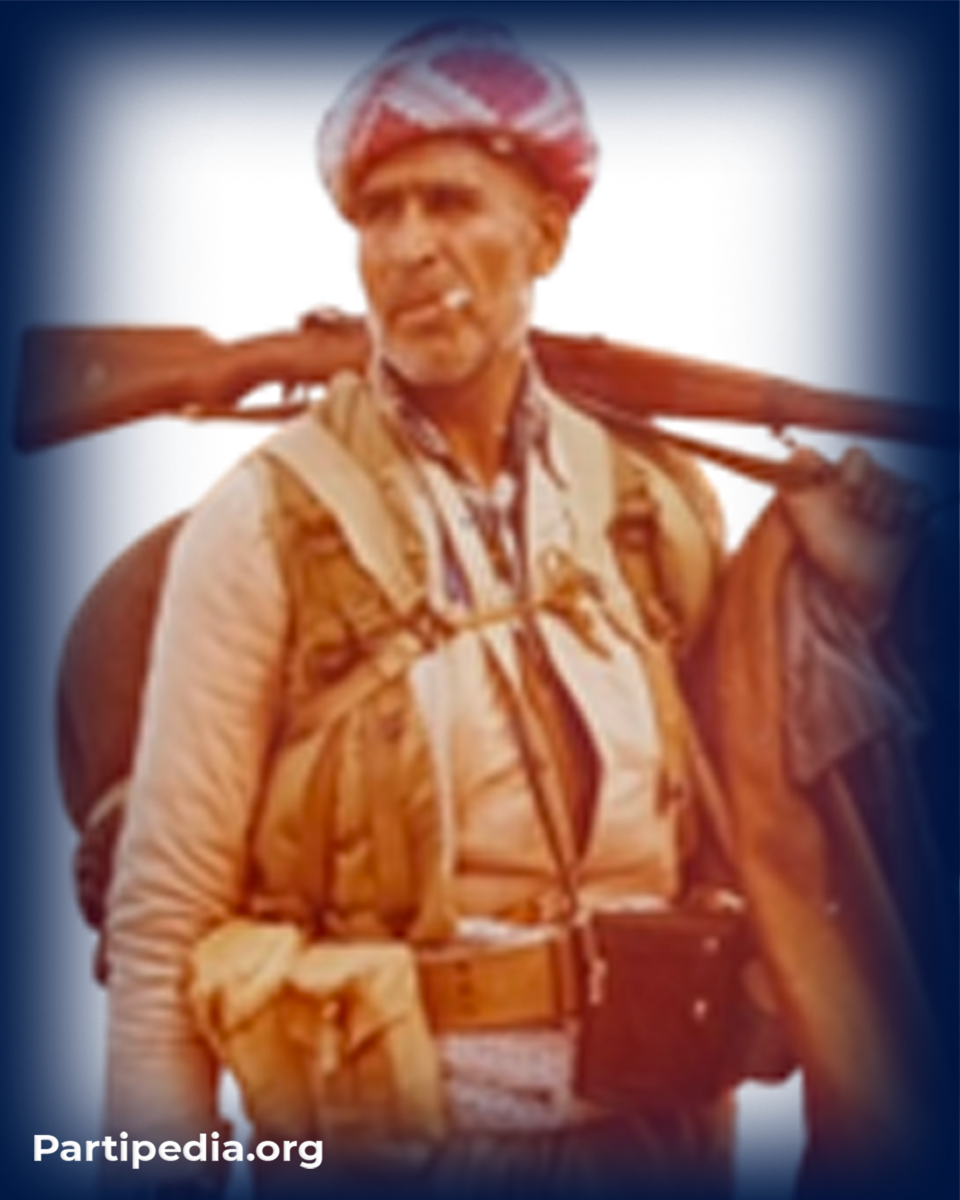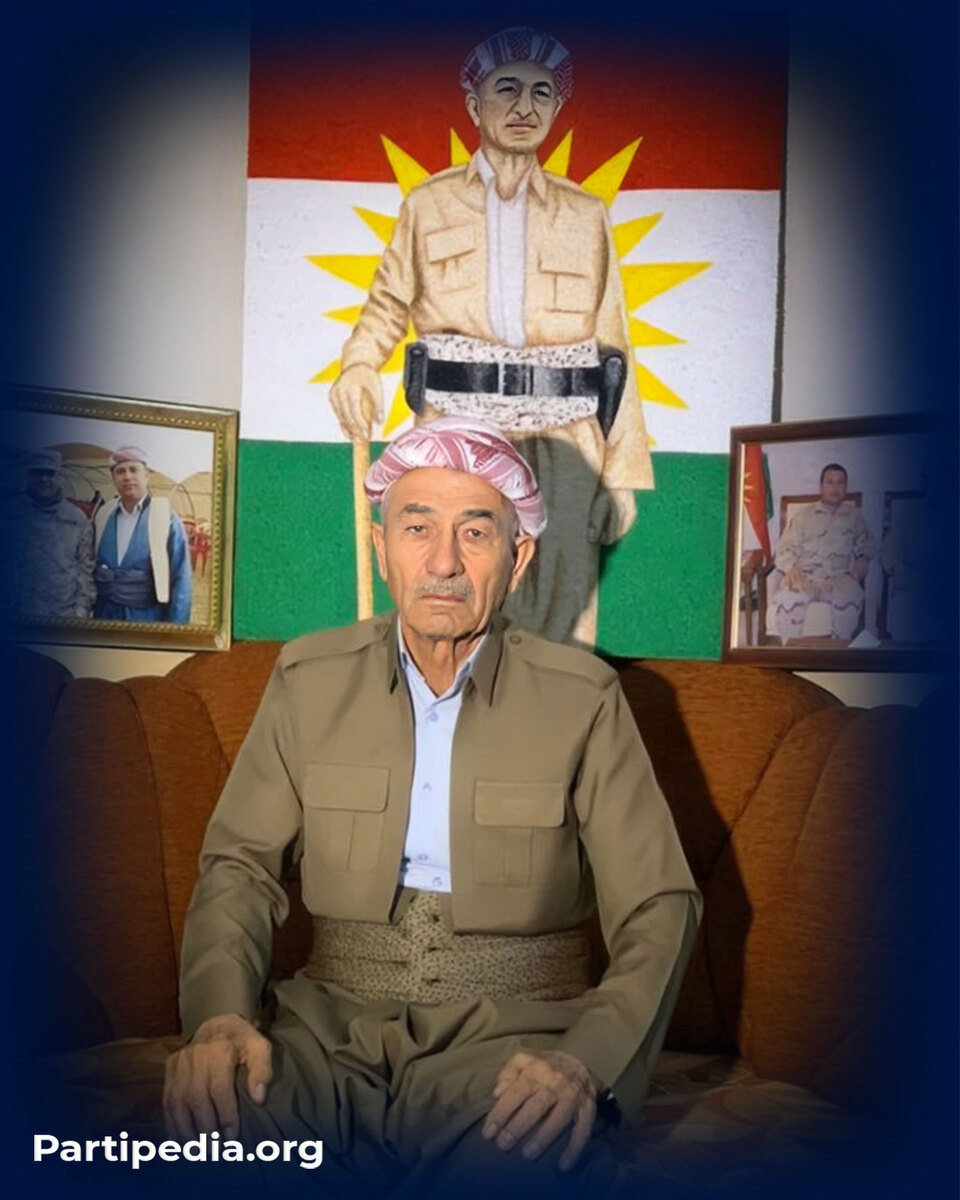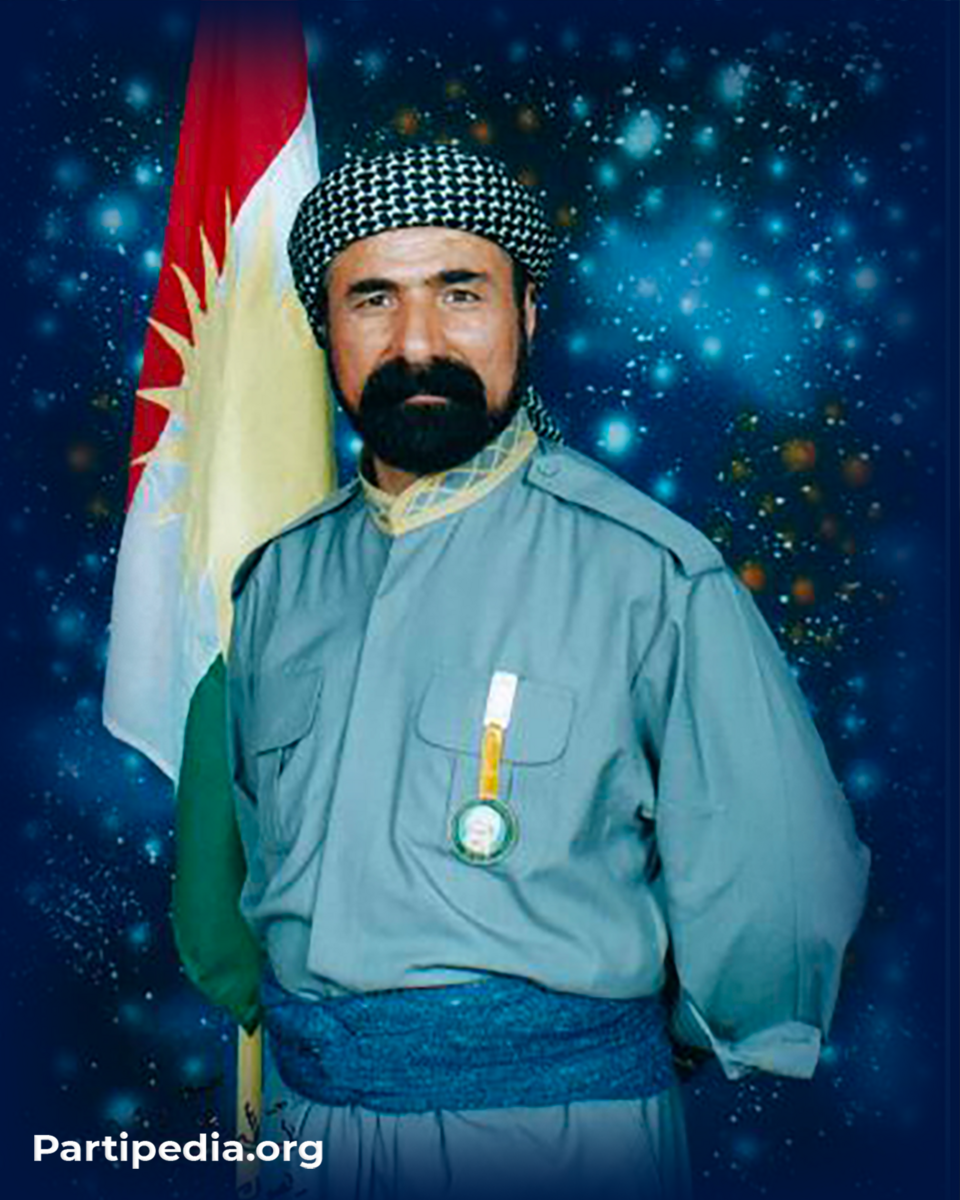


Yasin Cewher Mamal is known as (Yasin Bêroxî). He was born in 1925 in the village of Bêroxî in the Hakkari province of Northern Kurdistan. He was a child when his father passed away. In 1941, he moved to Eastern Kurdistan with his mother and brother due to the difficult living conditions. In 1944, they returned to the village of Meznê in the Mergesor region. In 1945, they migrated to Eastern Kurdistan again and settled in the village of Nar in the Mergewer region. In 1975, he migrated to Iran for the third time and settled in the village of Celdiyan in Eastern Kurdistan. Then he was transferred to the Naliwan community in Şino and from there to the Rebet community in Sardasht and then to the city of Kerman. In 1979, he returned to the Mergewer district in the Urmia province and settled there. In 1991, after the uprising and rebellion of the Southern Kurdistan People's Republic, he returned and settled in the town of Behirke and later in Pirmam. He retired in 1993.
In 1946, he joined the Barzan forces and became a Peshmerga in the Kurdistan Republic Army. He participated in the Mulqaran War. After the collapse of the Kurdistan Republic, he participated in the Battle of Nelos. In 1947, he returned to Southern Kurdistan and was detained for a while in the town of Diyana. Then he was sent to the city of Mosul and imprisoned for two years. After his liberation, he was sent to the town of Dibega in the province of Erbil and worked there for two years. Then he became a soldier and after twenty-five days in the army, he escaped and went to the village of Quştepe and then to Bestane and stayed with Ali Mahmud Agha Dizey.
Yasin Beroxi, from the village of Bestan, moved to the village of Berox on the border of Northern Kurdistan in 1953. In 1955, he was arrested by the Turkish government and was forced to serve in the army for two years, completing his military service in 1957. In 1959, after the return of Barzani and his friends from the Soviet Union, he returned to the village of Zerget in the Greater Sherwana area. With the beginning of the September Revolution in 1961, he contacted the Peshmerga forces of the September Revolution and became a Peshmerga and participated in the Battle of Zenta, the Battle of Serê Piris, and the Battle of Zebariyan, where he was wounded.
In 1962, he entered the Soran region and in 1963, when the Iraqi army attacked the Barzan region, he returned to the Barzan region and participated in the battles of Serê Pîris and Serê Akrê and was wounded. In the same year, he returned to the Soran region and was with Hadî Hesko in Sengeser. After Hadî Hesko's martyrdom, in 1966, he went to Hacî Bêroxî and became a serleq there and participated in the battle of the village of Serçiya.
After the March 11, 1970 agreement, he became a border guard at Kani Simaq in the Gelale district. In 1974, after the Iraqi regime began its attacks on the Peshmerga forces of the September Revolution, he was wounded in the Battle of Mount Gorez.
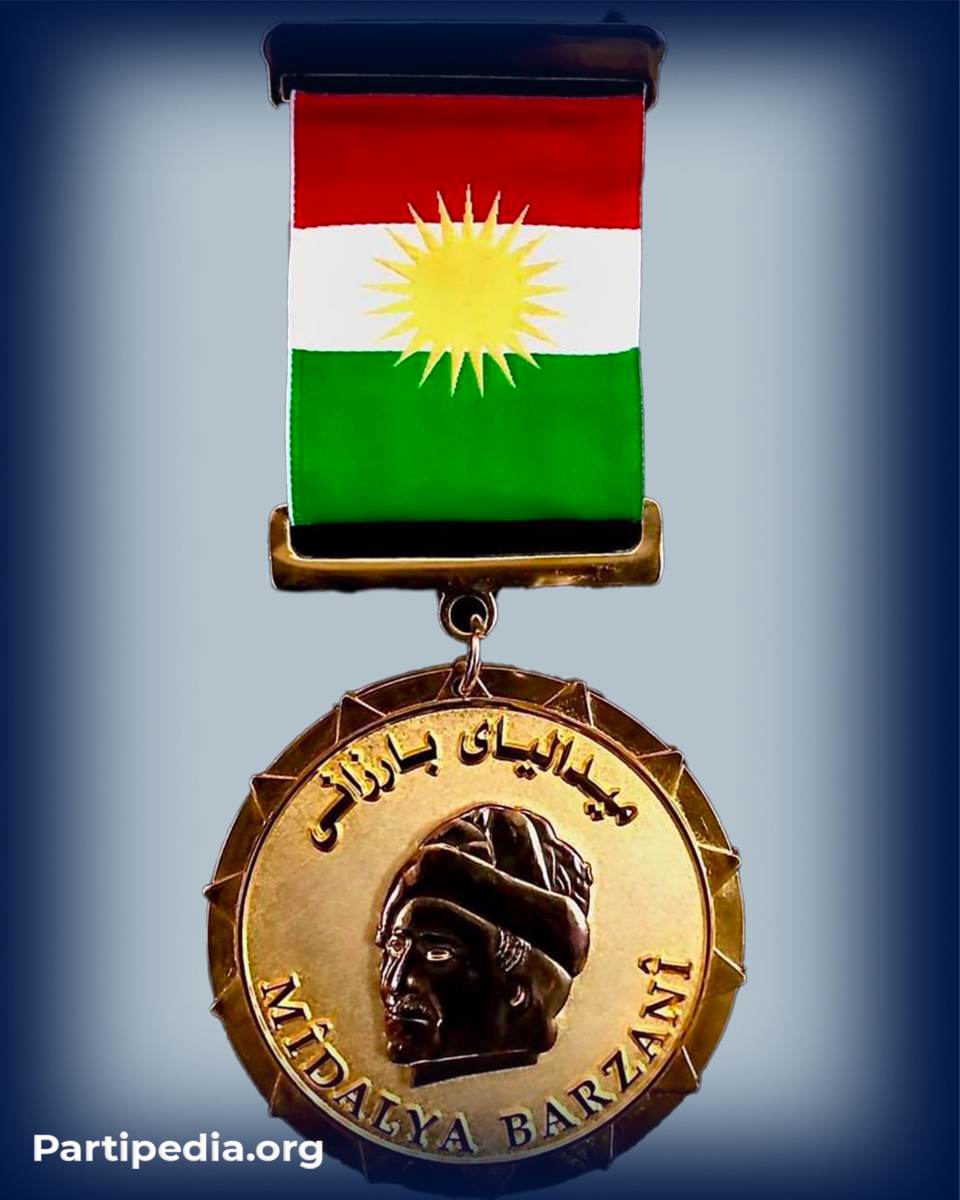
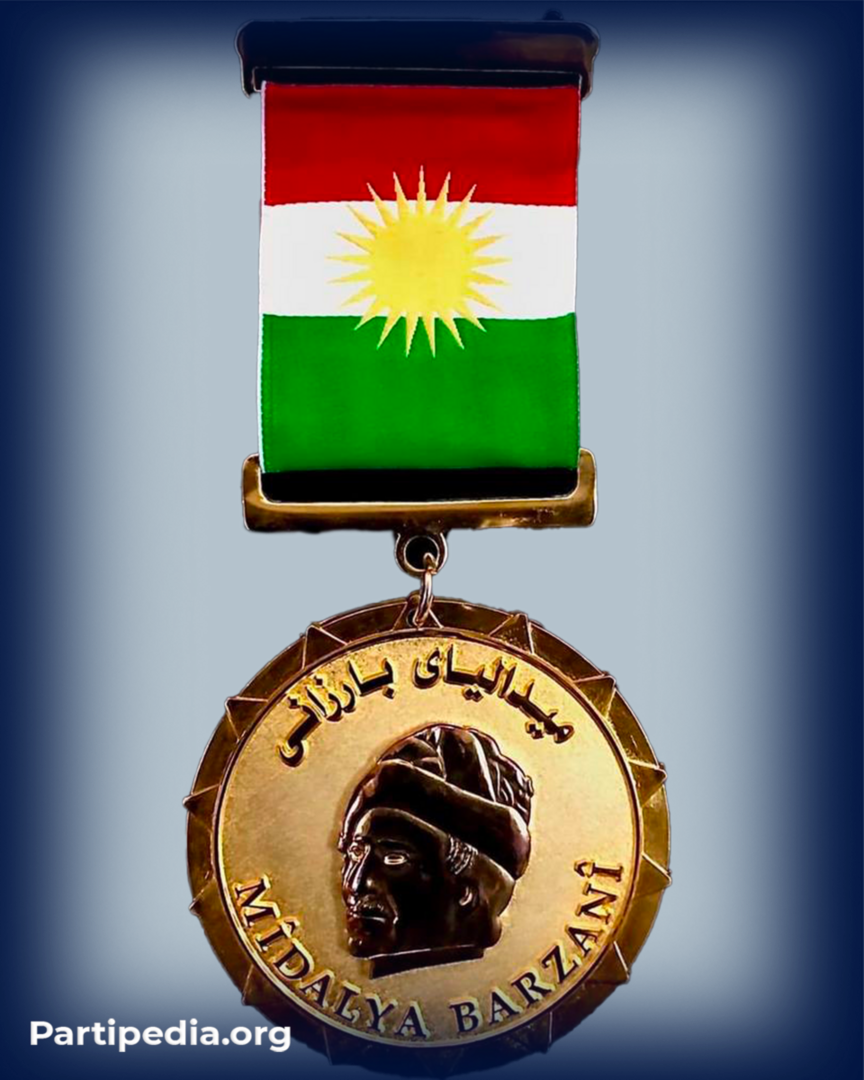
On August 16, 1996, on the 50th anniversary of the founding of the Kurdistan Democratic Party, for his services, he was awarded the title of President. Masoud Barzani He has received the Barzani Immortal Medal.
Source:
1. Kurdistan Democratic Party Encyclopedia Committee Archives