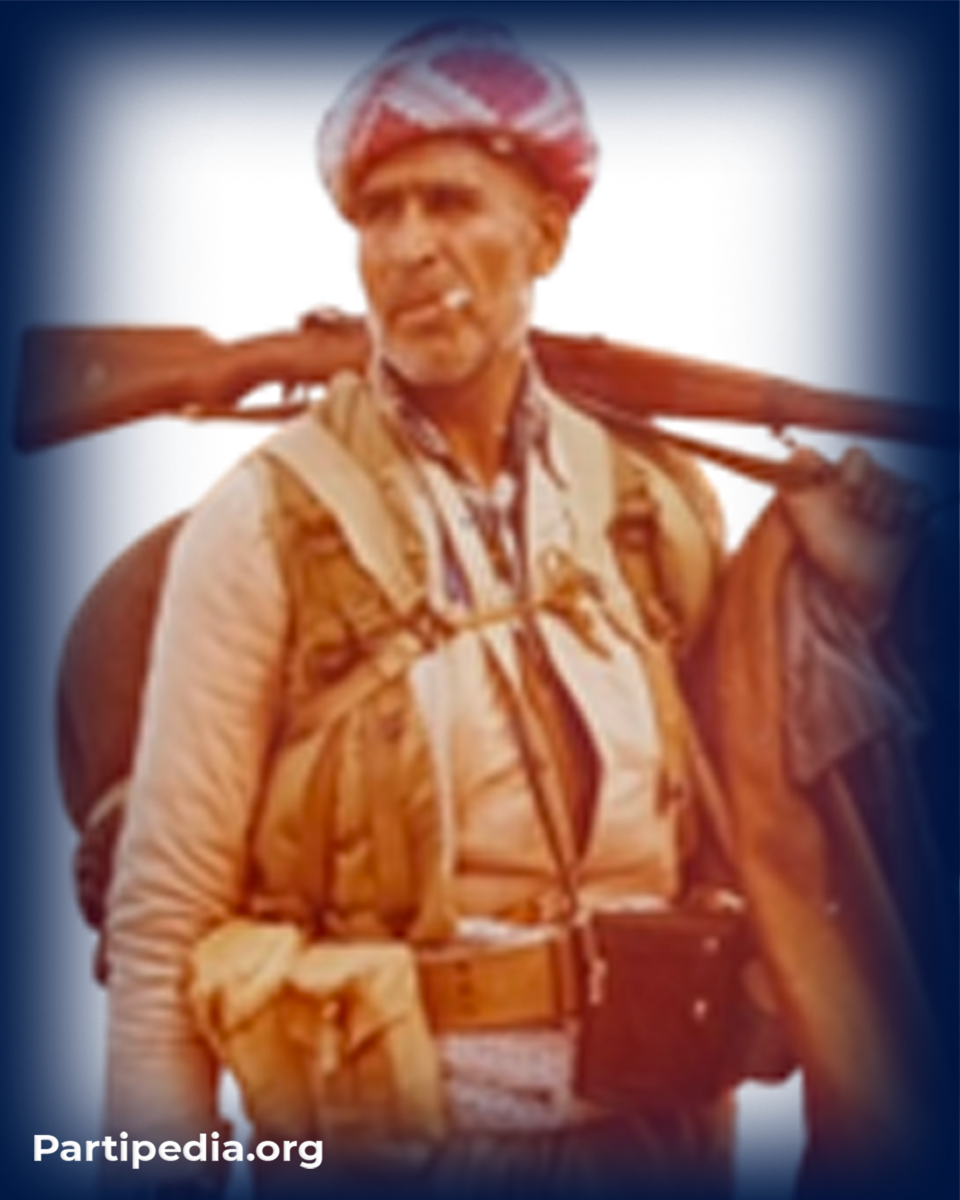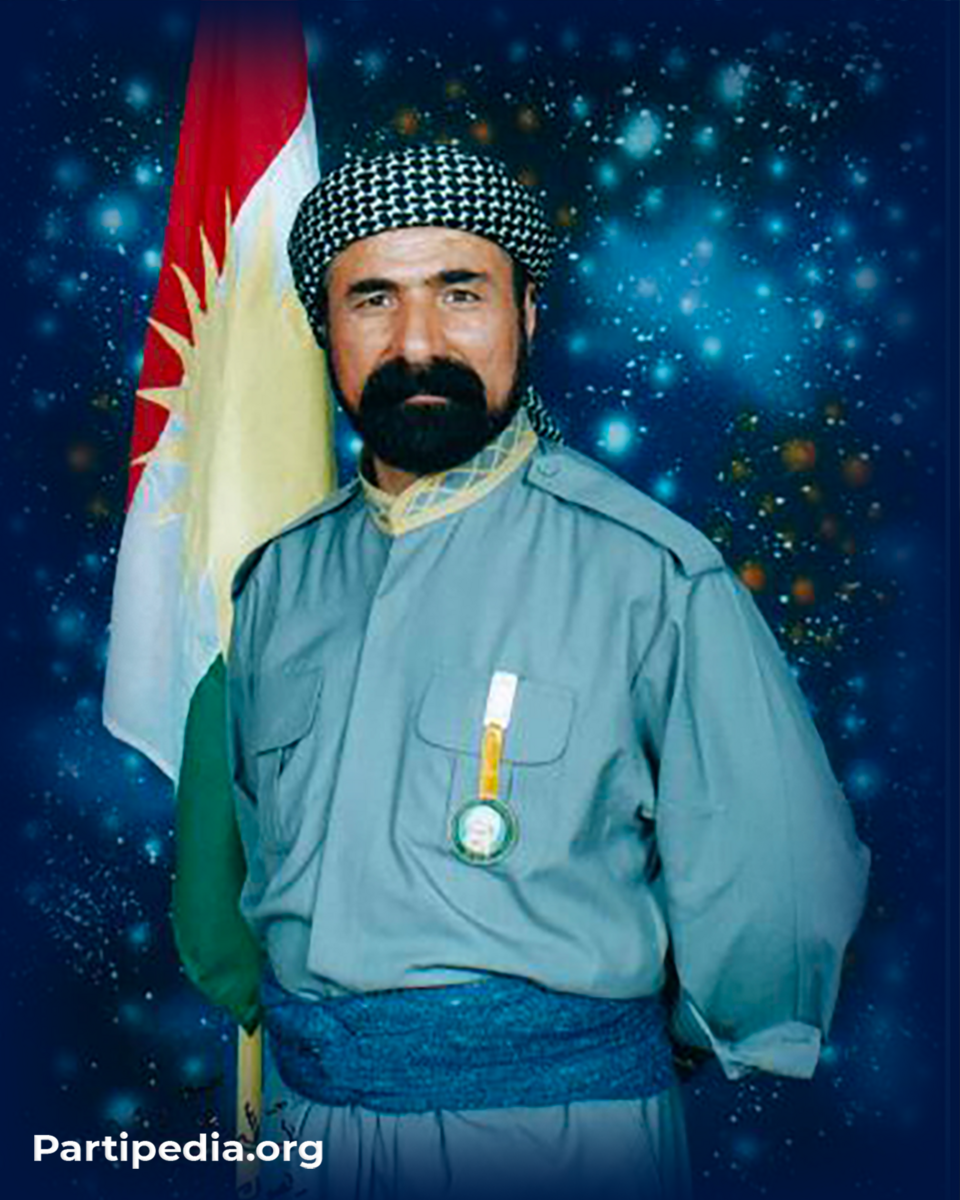


Khalid Shili was born in 1943 in the village of Shili in the Amed district. In 1962, he joined the Peshmerga forces of the September Revolution. After the defeat of the September Revolution in 1975, he was transferred to the Zewa camp in Eastern Kurdistan. He was in charge of supervising the refugees in the Zewa camp. He was later transferred to the province of Ahwaz and the city of Shushtar. In 1991, during the uprising of the Kurdistan People's Republic, he fought with President Masoud Barzani He came to the town of Diyana and participated in the uprising and uprising of the people of Southern Kurdistan. He later settled in the province of Duhok. In 1998, he became a member of the Eylul Department and in 2004, he became the Head of the Eylul Department in Acre and retired in 2013.
In 1962, he joined the Iraqi army, was briefly involved in the September Revolution, and became a Peshmerga in Lower Barwariya under Commander Mahmud Agha of Chemank. In the same year, after the withdrawal of the Iraqi army and the forces in the Behdinan area, Barzani organized the Behdinan forces into three forces and entrusted the responsibility of the area to Asad Khoshvi. He appointed Îsa Siwar, Ali Khalil, and Heso Mirkhani as the commanders of the three forces. Khalid Shili also became the commander of the Acre and Sheikhan forces, with Heso Mirkhan as their commander. In 1973, he became the commander of the First Battalion of the Sheikhan Force, with Ismail Musa as the battalion commander. In 1974, he became the commander of the National Defense Force Battalion in the east of the city of Mosul.
In 1979, under the leadership of Idris Barzani, he returned to the Zewa camp. In the same year, after the ninth congress of the Kurdistan Democratic Party, he returned to Leq Yek in the Komate on the border of Southern and Northern Kurdistan with Dr. Cercis Hesen, who was known as (Dr. Cercis Xinisi) and 25 other peshmerga. In 1980, he became a member of the Sheikhan District Committee and the head of the Martyr Fazil Shili organization in the Sheikhan district, and as a mobile detachment, he inflicted damage on the enemies and carried out several partisan activities. In 1981, he returned to Zewa, in 1987 with the President Masoud Barzani and some members of the political school came to Leqa Yek in the Nerwe and Dutaze districts. In 1988, he returned to Zewe to participate in the Xwakurk campaign. In the same year, he went to the Xwakurk district and participated in the battles of Serê Korawe and Qebri Zahir, and after the end of this war, he returned to the Zewe camp in Eastern Kurdistan.
In 1991, at the beginning of the uprising and rebellion of the Kurdistan Region, with President Masoud Barzani He came to the town of Diyana, then he was sent to the Rêkan area and there he became the Commander of a 50-man force and went to Zakho. In 1992, he became the Commander of the joint battalion between the KDP and PUK in Şêxan, and in September of the same year he was in charge of military affairs in the Pêncê Şêxan Army. In 1998, he became a member of the September Department.
Khalid Shili He participated in several battles in the life of the Peshmerga and was wounded in the battles of Konelacan and Derbend in Urmia in Eastern Kurdistan in 1981. His brother Hazim was martyred in the Battle of Xwakurk (July 19 - September 5, 1988). In 2014, at the beginning of the war against ISIS (August 2, 2014 - November 17, 2016), his brother Cemil was martyred.
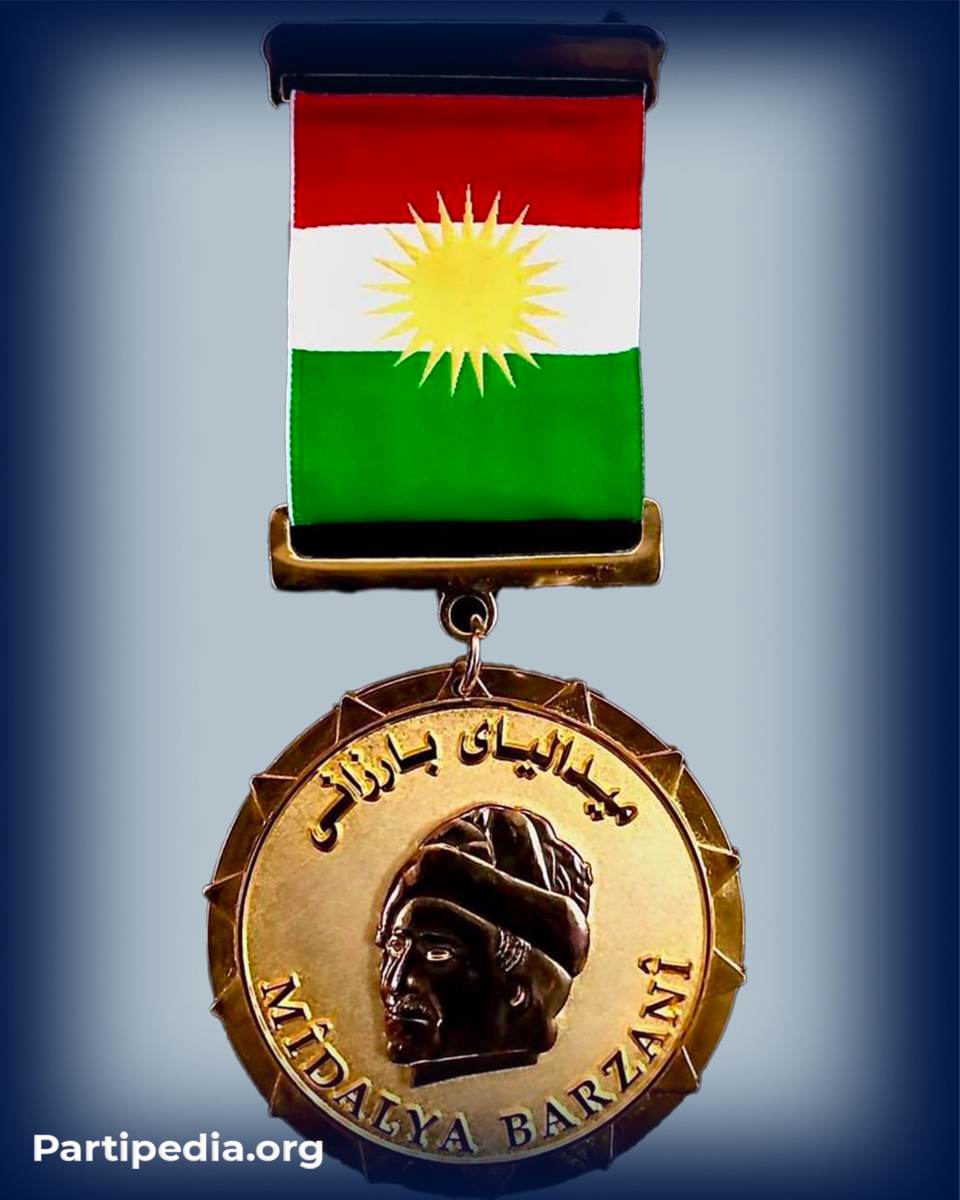
On August 16, 1996, on the 50th anniversary of the founding of the Kurdistan Democratic Party, for the services it has provided to the Kurds, Kurdistan, and the Barzan method, it was awarded the title of President. Masoud Barzani He received the Barzani Medal in 2004. He became the Head of the Eylül Department in Acre and retired in 2013.
Source:
1. Archives of the Encyclopedia Committee of the Kurdistan Democratic Party.