

Biography
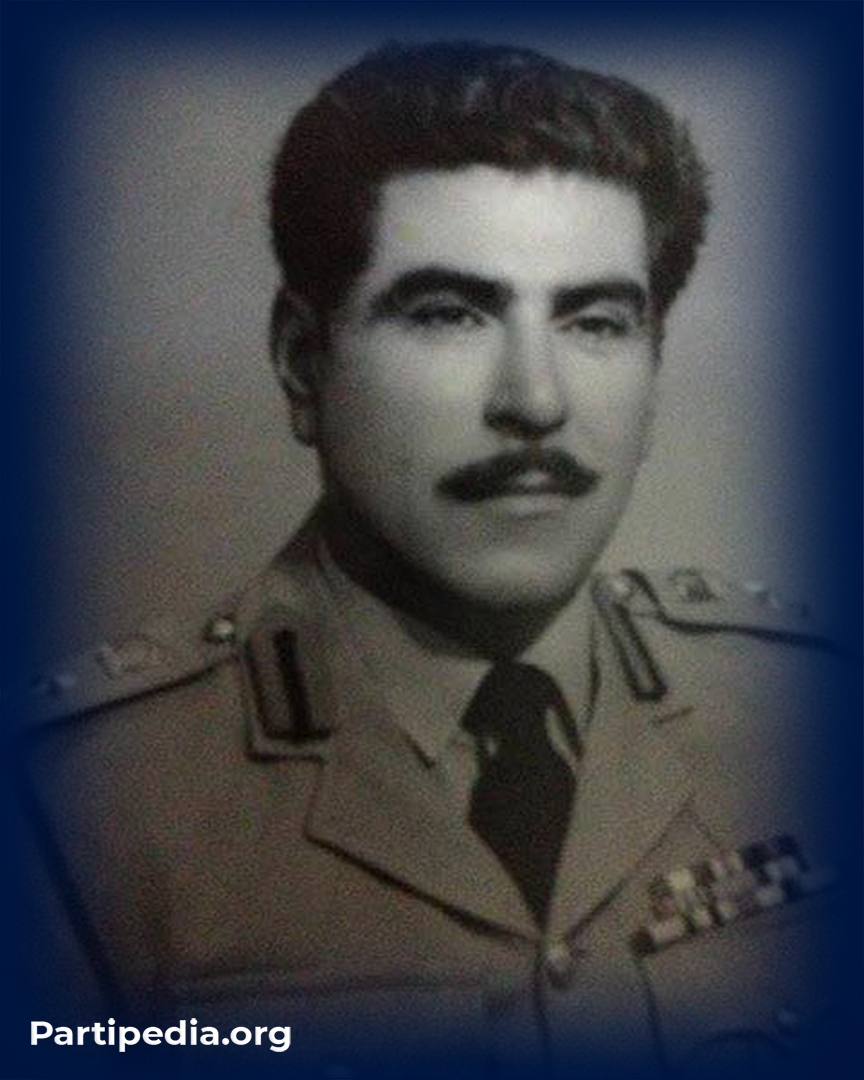
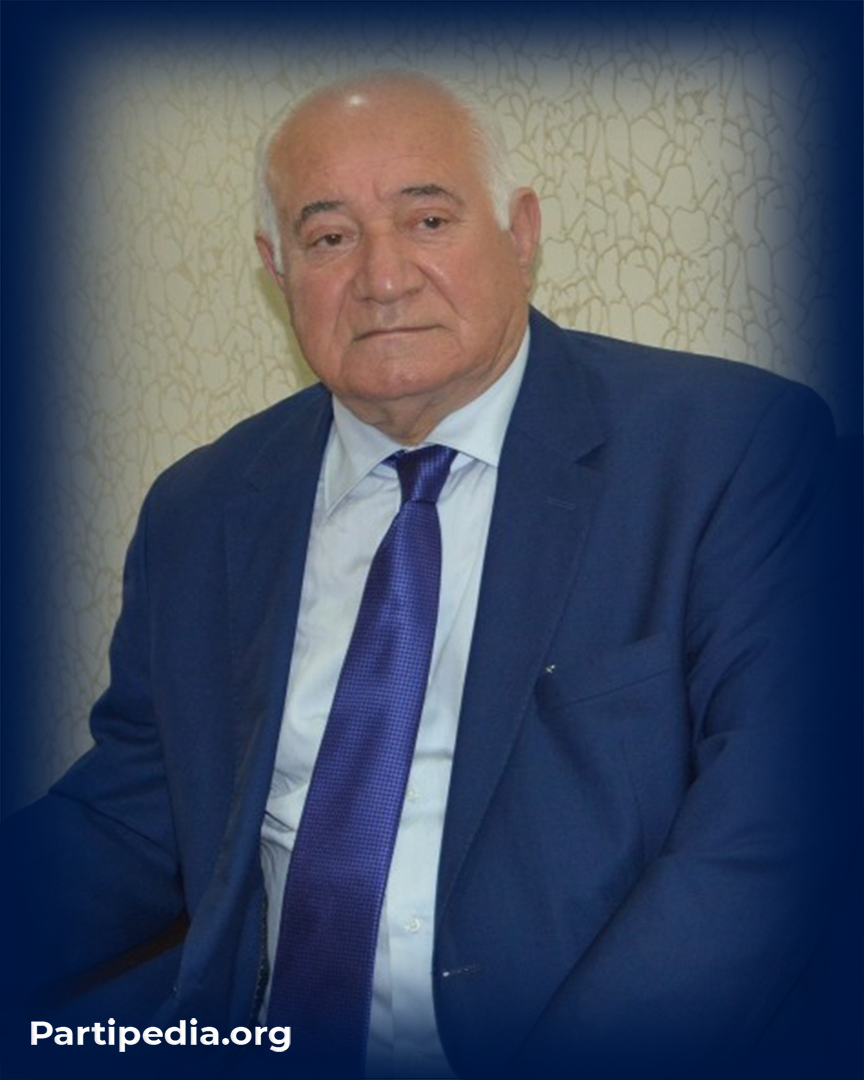
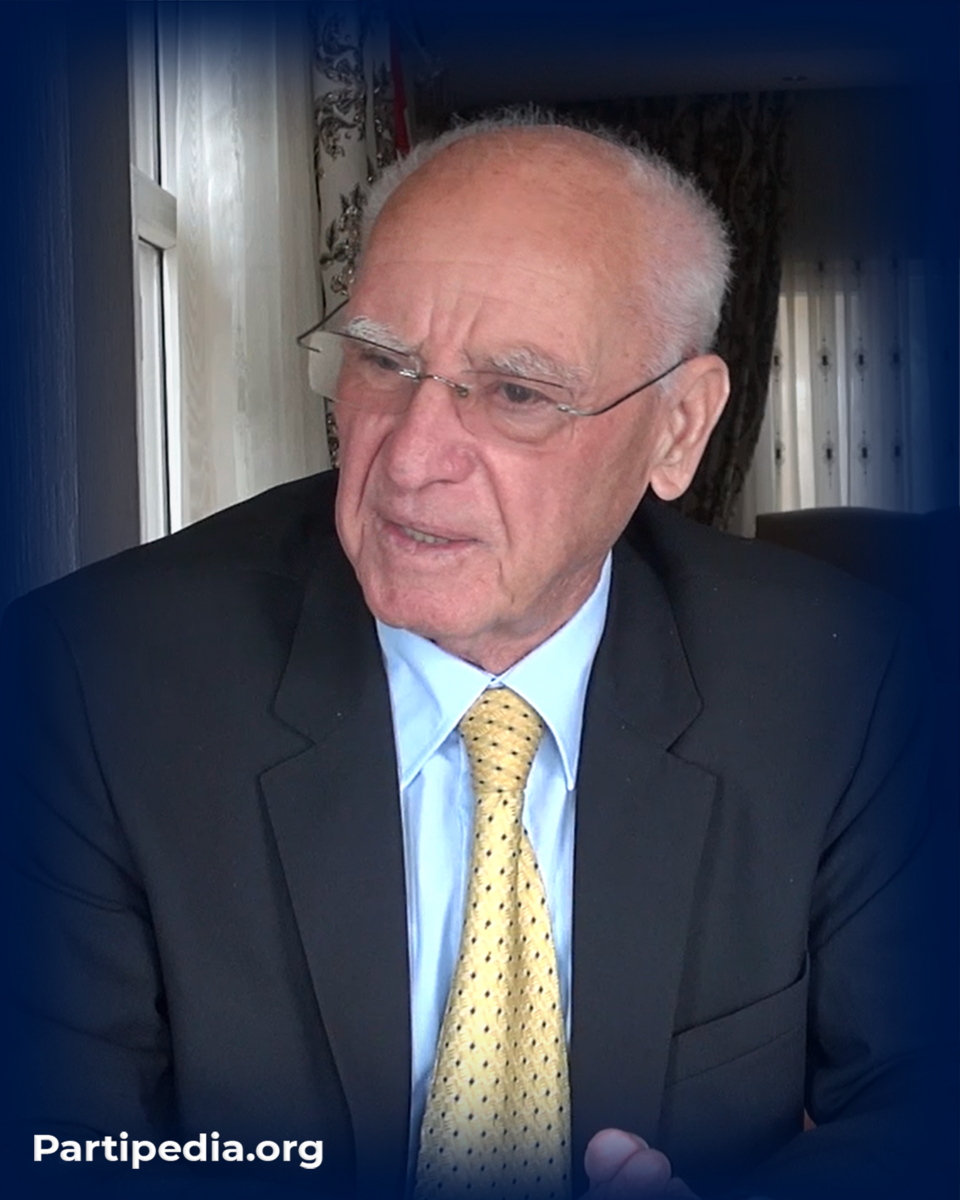
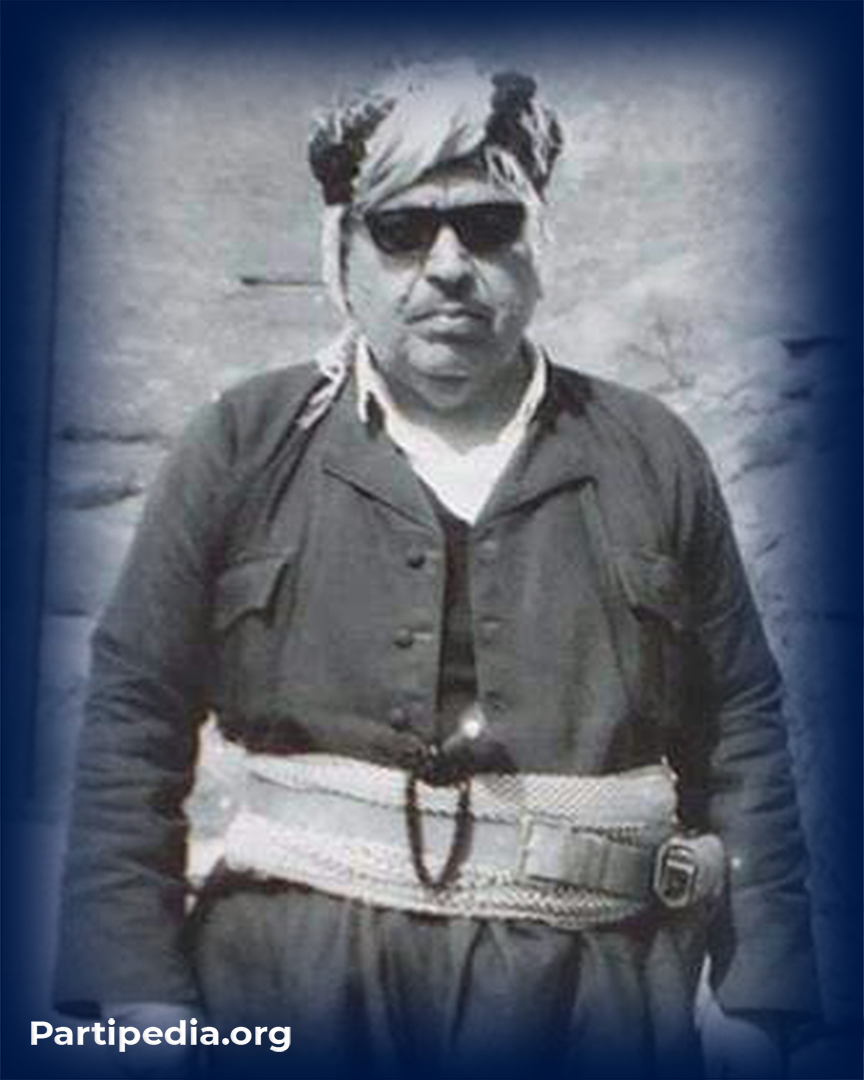
Salih Rushdi Tahir, known as (Judge Salih Rushdi), was born in 1926 in the city of Duhok. He comes from the family of the Mufti of Amadea. He completed his primary education in the town of Amadea and his secondary and high school in the city of Sulaymaniyah. He graduated from the College of Law in Baghdad in 1951. In 1957, he began working as a judge in the Amadea Court in Mosul province. In 1957, he became a judge in Shaqlawe on the border of Erbil province. On November 24, 1958, he was established as a deputy judge in the civil courts of Iraq by a republican decree and signed by the Iraqi Sovereignty Council.
He was arrested by the Iraqi security forces in the years (1963 - 1964) and was subjected to many tortures. After his liberation in 1964, he left the Republic of Iraq and settled in the Republic of Lebanon, where he taught. In the years (1965 - 1990), he lived in the Kingdom of Saudi Arabia and worked in banking in the capital city of Riyadh. In the years (1990 - 1999), he lived in the United States of America. He passed away in the state of Kansas in the United States of America in 1999 and was buried there. He was a scholar of Kurdish, Arabic and English.
Worksheet
Salih Rushdi Tahir, known as (judge Salih Rushdi), joined the Kurdish Life Association (J.K) in the city of Sulaymaniyah in 1944 at the beginning of its activities and became one of its active members. In 1945, he became a member of the Sulaymaniyah High School delegation to Baghdad to perform Kurdish songs and dances at the Baghdad Teachers' House and the Kurds' Victory Club and the Iraqi Royal Palace. In 1945, he became a member of the Kurdish Life Association (J.K). In 1946, he joined the ranks of the Kurdish Democratic Party in Mosul. On June 19, 1947, he was a member of the delegation to receive the remains of four officers: martyr İzet İbdulaziz İbdulletıf (1912 - 1947), known as (İzet Ketani), Mustafa Mustafa Mustafa (1912 - 1947), known as (Mustafa Xoşnav), Xeyrül İbdulkerım İbdula (1912 - 1947), known as (Xeyrül İbdulkerım İbdula) and Mihemed Mehmûd Mihemed (1922 - 1947), known as (Muhamed Qudsî), and accompanied the funeral procession of İzet İbdulaziz to the final resting place of martyr İzet İbdulaziz in the village of Qulasinj, near the town of Amêdiye.
In 1948, he was a representative of the Lions Congress of the General Union of Iraqi Students. On January 21, 1948, he participated in the activities and demonstrations against the Portsmouth Agreement in Baghdad. In 1948, he was in charge of the Mosul Branch Committee of the Kurdish Democratic Party. In 1950, he was elected by the conference delegates as a member of the Central Committee of the Kurdish Democratic Party (First Baghdad Conference). In 1951, he boycotted the Second Congress of the Kurdish Democratic Party. In the summer of 1953, he was arrested by the Iraqi authorities in the Rashid military camp prison near Baghdad due to his Kurdish activities. In 1957, he led the First Branch Committee of the United Democratic Party of Kurdistan. In 1957, he began to strengthen the organization of the United Democratic Party of Kurdistan in the Khoshnawet region.
After the coup of July 14, 1958, he was among the demands of the National Democratic Front of Iraq for the political forces on the ground. In August 1958, he was with the delegation of the United Democratic Party of Kurdistan, in the reception of Sheikh Ahmed Sheikh Muhammad Sheikh Abdulsalam (1892 - 1969), known as (Sheikh Ahmed Barzani), who had just been released from Basra prison in southern Iraq and had arrived in the city of Mosul by train. In order to raise the morale of the Kurds in the city of Mosul, he chanted slogans in Arabic and Kurdish for President Mustafa Barzani (1903 - 1979), which was an important and courageous act for that city at that time, because the people of this city were dominated by Arab fanaticism.
He was elected as the president of the Şeklawe Employees' Club on January 10, 1959. On March 21, 1959, he oversaw the Newroz celebration in the town of Şeklawe and delivered a speech to the public on behalf of the United Democratic Party of Kurdistan. On June 19, 1959, in the town of Shaqlawe, on behalf of the United Democratic Party of Kurdistan, he was the organizer of the commemoration ceremony of the four martyred officers: Izet Abdulaziz Abdullatif (1912 - 1947), known as Izet Ketani, Mustafa Mustafa Mustafa (1912 - 1947), Mustafa Khosnav, Xeyrula Abdulkarim Abdullah (1912 - 1947), known as Xeyrula Gurjizade, and Muhammad Mahmud Muhammad (1922 - 1947), known as (Muhammad Qudsi). On June 30, 1959, at the second conference in Baghdad, his leadership membership was suspended due to his leftism. In 1959, he was expelled from the ranks of the Kurdistan Democratic Party - Iraq by the representatives of the Fourth Congress with the presence of the votes of the Congress Deputies due to his leftism. He was expelled. In 1960, he worked as a judge in the town of Balad, Diyala province. After the coup of February 8, 1963, he was arrested and severely tortured by the Arab Baath Party and the National Guard militia (Al-Hars Al-Qawmi) in the years (1963-1964).
His works:
1 - Stories and Legends from Kurdish Literature - 1967.
2 - The Kurdish Revolution.
3 - Interpretation of the Agrarian Reform Law.
4 - Agricultural Relations in the Agrarian Reform Act - 1960.
Source:
1 - Archives of the Encyclopedia Committee of the Democratic Party of Kurdistan.
2 - Mehdi Muhammad Qadir, Political Developments in Iraqi Kurdistan 1945 – 1958, (Sulaymaniyah – Kurdistan Strategic Research Center – 2005), pp. 66, 128.
3 - Mustafa Neriman, Dictionary of Kurdish Literature and Writers, (Baghdad – General Secretariat for Intellectuals and Youth – Asad Press – 1986), p. 69.
4 - Cemal Baban, Sulaymaniyah, My Wide City, Volumes One and Two, Second Edition, (Hewlêr – Aras Printing and Distribution Department – Aras Printing House – 2012), pp. 418 – 319.
5 - Mam Celal, Ibrahim Ahmed, a Wise and Intelligent Leader of a New Era of Kurdishness, Xak Magazine, Issue 58, Year Five, Sulaymaniyah, Diler Offset Printing House, April 10, 2002, pp. 6 – 7.
6 - Mam Celal, Year of the Student Congress, Fifth Chapter, Xak Magazine, Issue 14, Second Year, Sulaymaniyah, Diler Offset Printing House, August 10, 1998, p. 8.
7 - Mam Celal, Where Did Xebat Come From and How Did It Become a Party Organ? And How Was It Managed?, Xak Magazine, Issue 55, Fifth Year, Sulaymaniyah, Diler Offset Printing House, January 10, 2002, p. 5.
8 - Elections of the Shaqlawe Club, Hetaw Magazine, No. 148, Year 5, Hewlêr, Kurdistan Printing House, Saturday, January 31, 1959, p. 24.
9 - İzedin Mustafa Rasul, Part of My Memories, Volume One, (Sulaymaniyah – Serdem Printing and Distribution Department – Hamdi Printing House – 2006), p. 178.
10 - Newroz Celebration in Shaqlawe, Hetaw Magazine, Issue 153, Year 5, Hewlêr, Kurdistan Printing House, Wednesday, April 15, 1959, p. 17.
11 - Farhad Ewnî, 36 Letters and Some Personalities of My Court, (Hewlêr – Salaheddin University Press – 2019), p. 313.
12 - Salih Rushdi, United National Democratic Front, Shafaq Magazine, Issue 9, Volume 1, Kirkuk, Kirkuk Printing House, October 1958, p. 5.
13 - Cemal Baban, Sulaymaniyah Students' Trip to Baghdad, Sulaymaniyah Magazine, Sulaymaniyah Municipality, Issue 51, Second Edition, Sulaymaniyah, Diler Press, October 2004, pp. 11 – 12.
14 - Habib Muhammad Karim, History of the Democratic Party of Kurdistan – Iraq (in main stages) 1946 – 1993, (Duhok – Xebat Press – 1998), pp. 42, 60 – 61.
15 - Abdulfatah Ali El-Botanî, The Behdinan Region 1925 – 1970 A Study in Political Facts and Developments, Part Two, (Hewlêr – Kurdish Academy – 2017), p. 457.
16 - Abdulfatah Ali El-Botanî, The Behdinan Region 1925 – 1970 A Study in Political Facts and Developments, Part One, (Hewlêr – Kurdish Academy – 2017), p. 312.
17 - Latif Barzenji, June Nineteenth, Hetaw Magazine, No. 157, Year 6, Hewlêr, Kurdistan Printing House, Tuesday, June 30, 1959, pp. 19 – 20.
18 - Mam Jalal, A Fighter with Good Qualities and Humane Traits and Rare Attributes and High Morality, Al-Ittihad Newspaper, Central Newspaper of the Patriotic Union of Kurdistan, Issue 384, Year Eight, Sulaymaniyah, Friday, August 5, 2000, p. 3.
19 - Mam Celal, Ibrahim Ahmed, a Wise and Knowledgeable Leader of a New Era of Kurdishness, Xak Magazine, Issue 58, Year Five, Sulaymaniyah, Diler Offset Printing House, April 10, 2002, p. 6.
20 - Republican Decree No. 502, Al-Waqiyah Iraqi Newspaper, Ministry of Education in Iraq, No. 102, Year One, Baghdad, Wednesday, January 31, 1958, p. 3.
21 - Musaddeq Tuvi, Ronahi Magazine, (Hewlêr – Living Center for the Modernization of Kurdish Documentary and Journalistic Heritage, Rojhilat Press – 2014), pp. 130 – 131.