


Biography
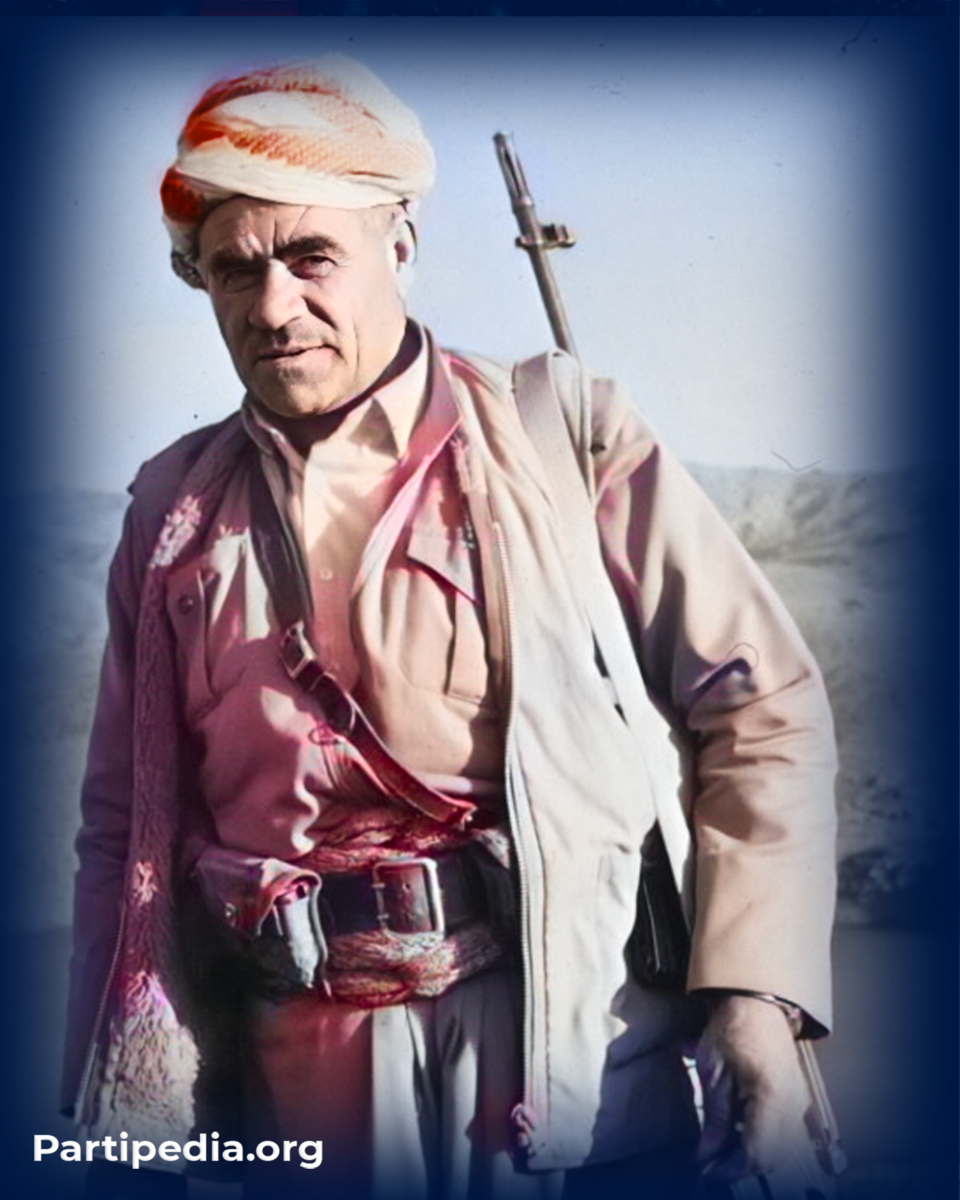
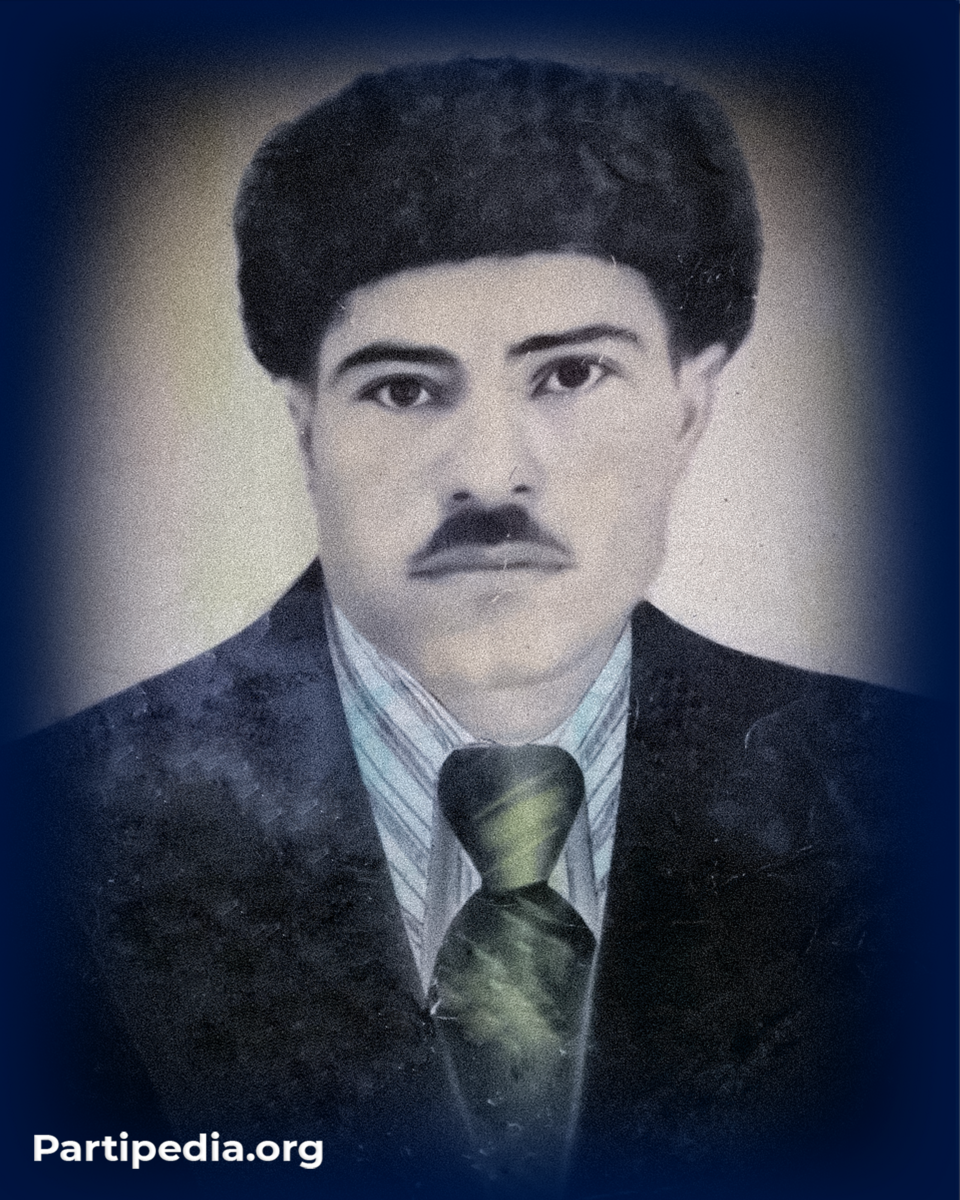
He was born in 1910 in the village of Spindar in the Sherwan Mezin district of the Margasor district of the Erbil province. Before moving to the Soviet Union, he was married to Khan Ahmed. They had a son and a daughter named Yasin Salih (1931) and Zerrin Salih (1940). Salih Muhammad passed away in the village of Spindar in 1974.
Worksheet
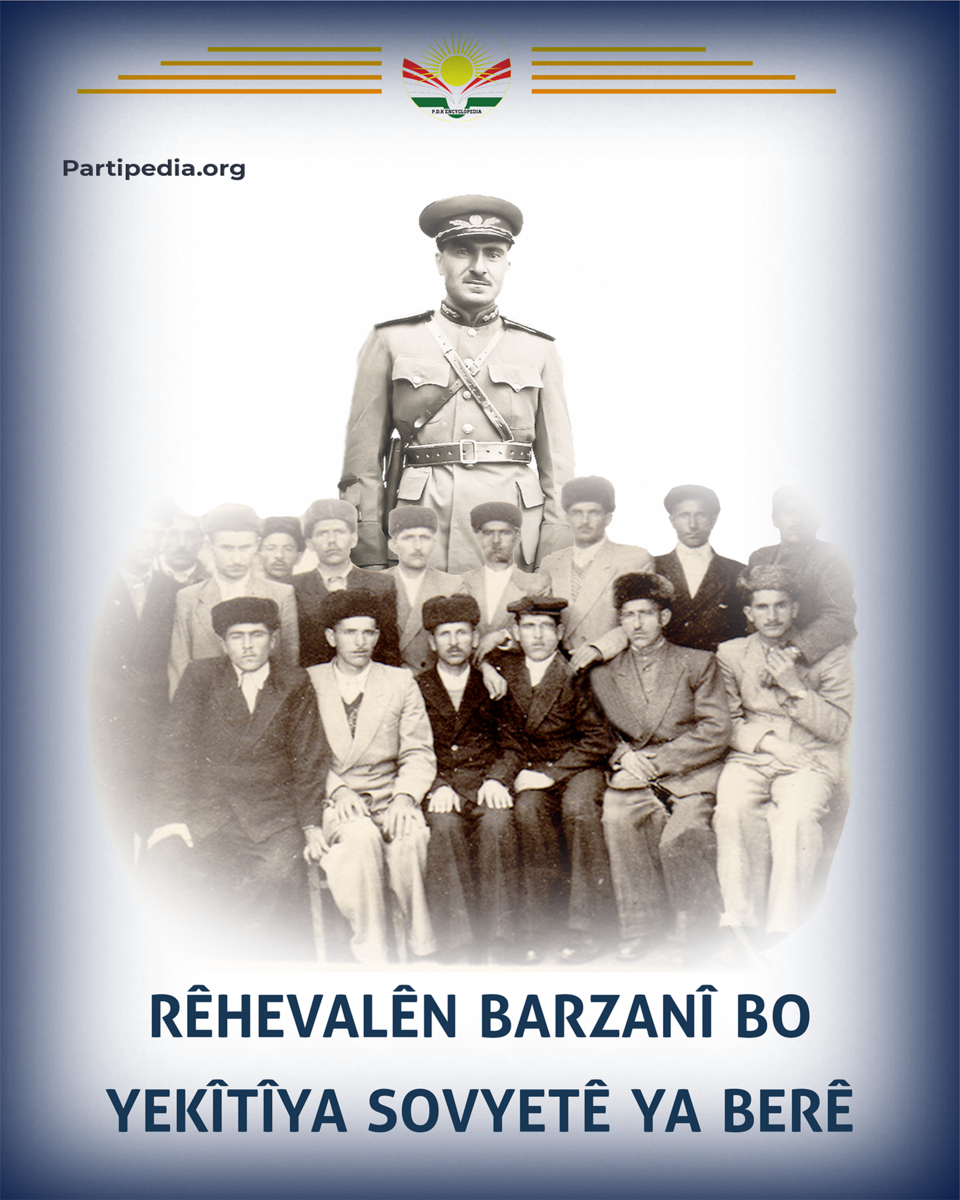
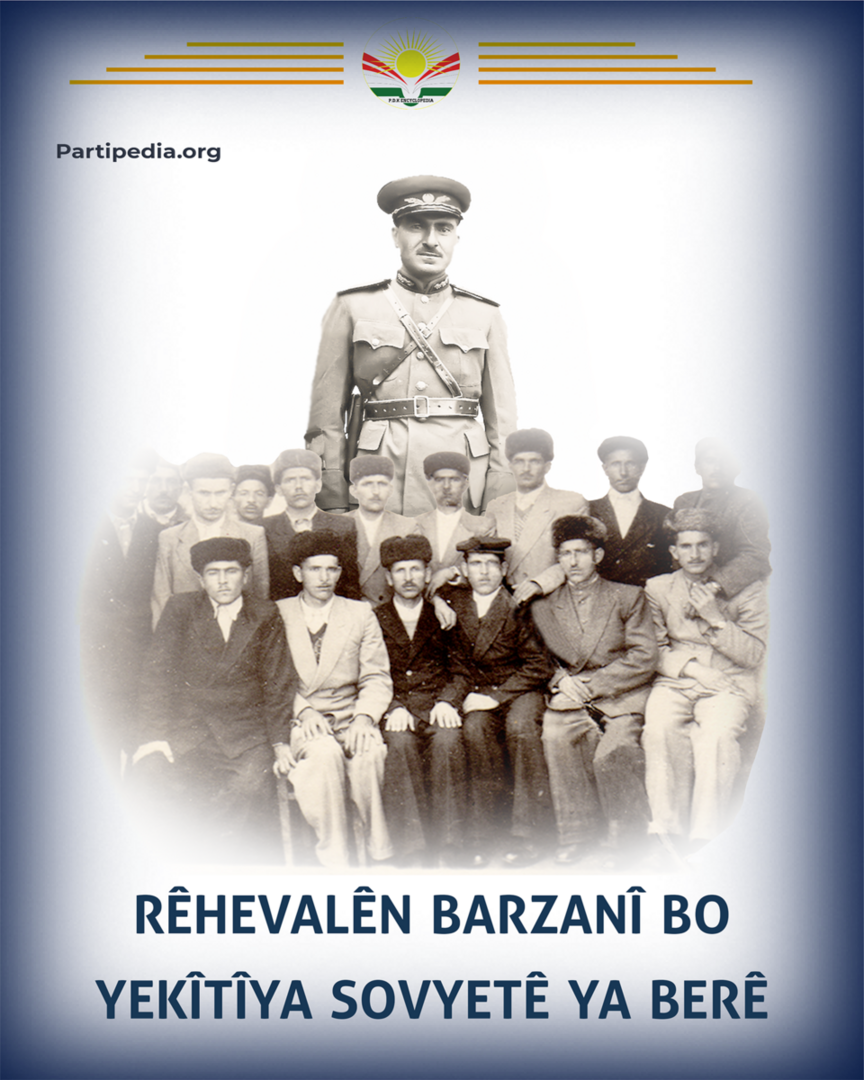
On May 23, 1947, he joined the march towards the Soviet Union. On June 16, 1947, he participated in the Battle of the Susoz Heights and was wounded in this battle. On June 18, 1947, he crossed the Aras River on the border between Iran and the Soviet Union into the Soviet Union.
After their arrival in the Soviet Union, on June 18, 1947, they and all their friends were placed in a closed camp surrounded by barbed wire in the city of Nakhchivan, Azerbaijan Republic, for forty days, guarded by a group of soldiers and treated like prisoners of war in terms of food, clothing and transportation. Then, by decision of the Soviet state, they were divided into the regions of Aghdam, Lachin, Ayulax and Kalbajar in Azerbaijan. On December 10, 1947, they were transferred to a military base on the Caspian Sea in Baku, the capital of the Azerbaijan Republic, and on the 23rd of the same month, they were given military uniforms and uniforms and underwent 8 hours of military training a day under the supervision of officers of the Azerbaijan Republic. At the same time, they received four hours of Kurdish language lessons a day from some of their educated friends.
After the disastrous leadership of Jafar Bakirov and his comrades, a decision was made on August 29, 1948, to transfer the military camp from the Republic of Azerbaijan to the Chirchuk community near Tashkent, the capital of the Republic of Uzbekistan, where they continued their military training.
In March 1949, he and his friends were sent by train to the villages of the Soviet Union and worked on collective farms (land that people had taken from the state and then paid a share to the government).
After much effort and sending several letters from General Barzani to Stalin, a letter finally reached Stalin in which Barzani spoke about the suffering of his friends, and he immediately decided to form a committee to investigate the situation of Barzani's friends. In the end, the committee decided to gather them all in the city of Vribisky, so the delegation went to the city of Vribisky in the Soviet Union in November 1951.
After the July 14, 1958 revolution in Iraq and the return of General Mustafa Barzani, on February 25, 1959, a general amnesty was granted to him and his companions in accordance with Articles 3 and 7 and paragraph (a) of Article 10 and Article 11 of Amendment Act No. 19 of 1959.
In 1958, the Republic of Iraq was established under the leadership of Abdulkarim Qasim, and on April 16, 1959, he returned to Kurdistan with his friends on the Georgian ship via the port of Basra in the south of the Republic of Iraq.
Source:
- Zirr Sulêman Beg Dergalayî, My Memories from the Years 1943-1977, (Sulaymaniyah - Rehend Press - 2002).
- Shaban Ali Shaban, Some Political and Historical Information, Third Edition, (Hewlêr - Rojhelat Press - 2013).
- Abdulrahman Mulla Habib Abubakir, The Barzan Tribe Between 1931 - 1991, Edition 1, (Hewlêr - Ministry of Culture Press - 2001).
- Karwan Muhammad Majid, Barzani from Mahabad to the Soviet Union, 1st edition, (Sulaymaniyah - Peywend Press - 2011).
- In memory of the martyred commander-in-chief Heso Mirxan Jajoki, 62 days with Barzani, the departure of the Barzani family to the Soviet Union, first edition (Hewlêr - Rewşenbîrî Press - 1997).
- Leyth Abdul Mohsen Jawad Al-Zubaidi, The Revolution of July 14, 1958 in Iraq, (Baghdad - Dar Al-Rasheed Publishing House - 1979).
- Masoud Barzani, Barzani and the Kurdish Liberation Movement 1931 - 1958, (Duhok - Xebat Press - 1998).
- Najaf Quli Pisyan, from the bloody Mahabad to the banks of the Aras, edited by Shawkat Sheikh Yazdin, 1st edition, (Pîrmam - Golden Jubilee of the Kurdistan Democratic Party - 1996).
- Kurdistan Democratic Party Encyclopedia Committee Archives.