

Biography
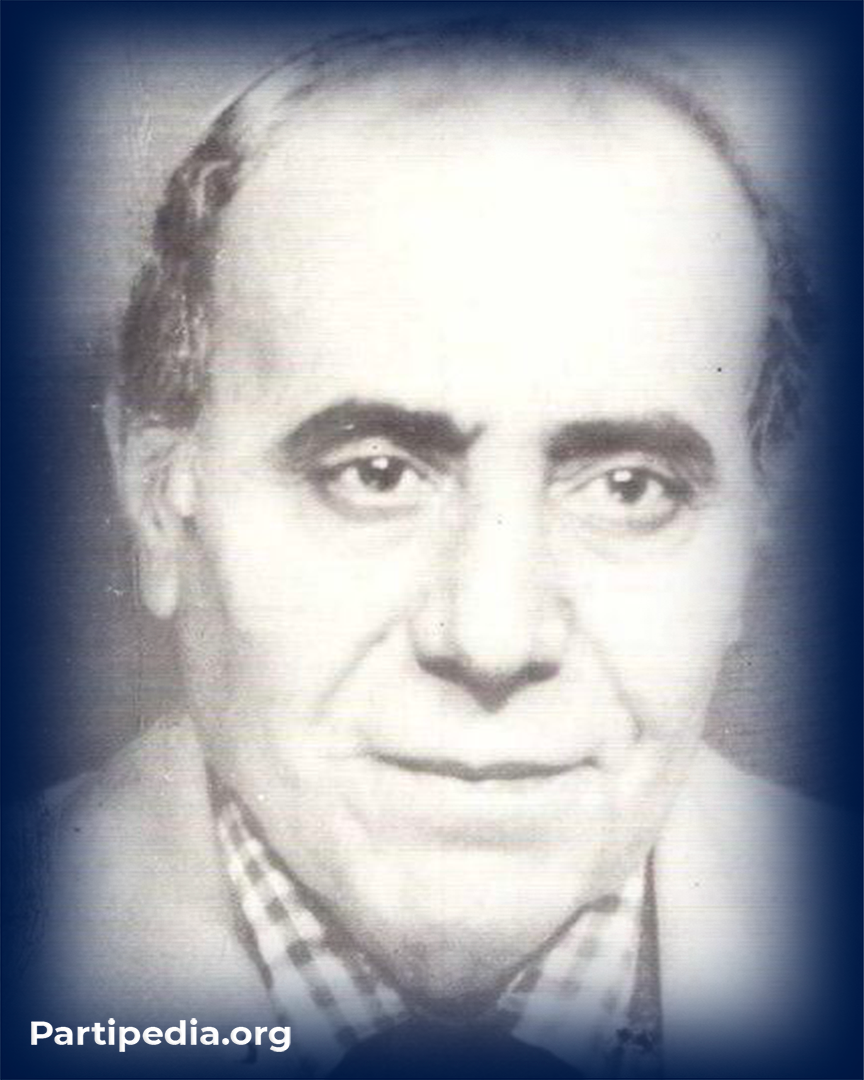
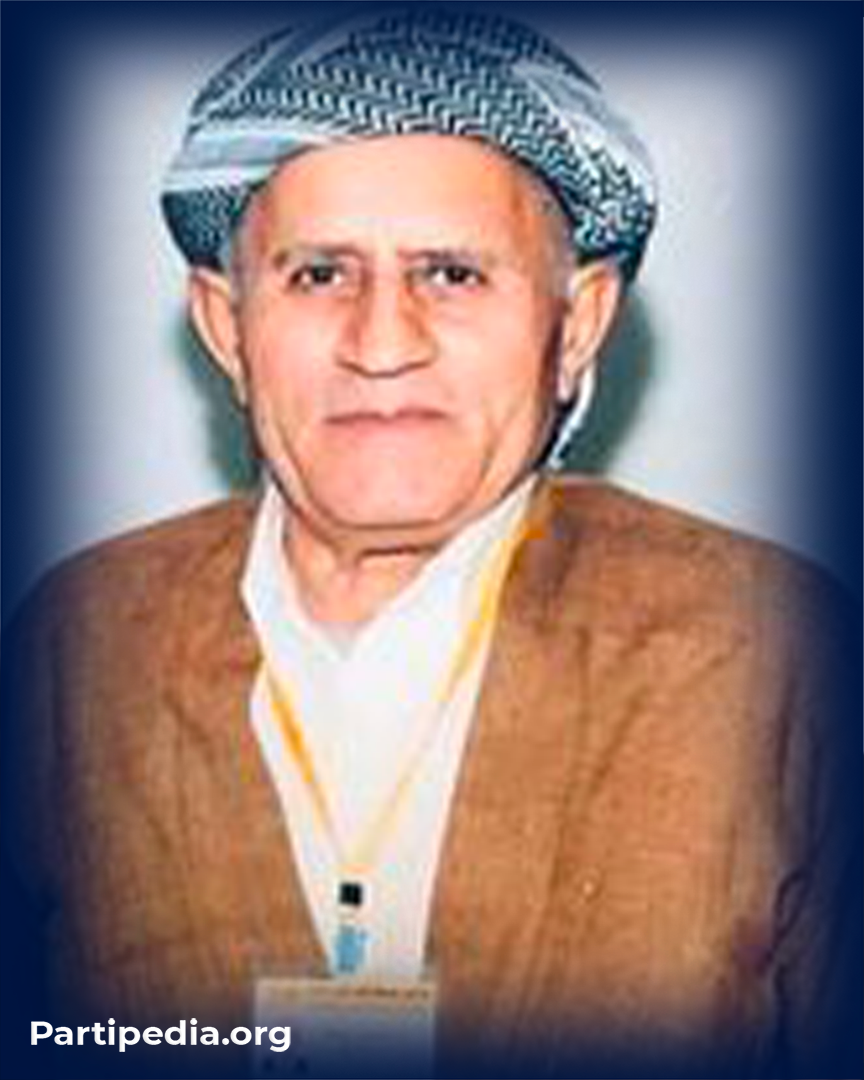
Mullah Muhammad Amin Mullah Haji Mahmud, also known as Mullah Muhammad Amin Gwêzlingey, was born in 1939 in the village of Gwêzlinge in the Balakayeti district of the Çoman district. After the collapse of the revolution in 1975, Mullah Muhammad Amin and his family emigrated to Iran and were transferred to the city of Isfahan. He has 5 sons and 2 daughters. He passed away on June 17, 2020 at the age of 81 and was buried in the village of Gwêzlinge in the Çoman district.
Worksheet
In 1958, he joined the Kurdistan Democratic Party (KDP) and became the head of the Helgurd organization in Kirkuk. Mullah Muhammad Emin Gwêzlingey was a soldier in Kirkuk and in 1961, with the start of the Great Revolution of Ilyun, he joined the revolution and returned to the Balekayeti region.
After a year of being a peshmerga, Mullah Muhammad Amin met Mullah Mustafa Barzani for the first time in 1962 in the village of Beşe in the Smilan district. In the same meeting, he gained the trust of Mullah Mustafa Barzani. In 1963, he participated in the Battle of Bersirin, played a major role in capturing the bases of the Galale and Rayat districts. After these successes, Mullah Muhammad Amin went to the Betwate area with Mullah Mustafa Barzani and his peshmerga. In 1964, he returned to the area with his friends and established his base in Dergele, Hawdian and Dilziyan. They recorded many very authoritative stories. In 1967, by order of the leadership, he became a member of the military section of the Political School. In 1970, he became a member of the Balek district and continued his work in the Revolutionary Court.
After the defeat of the revolution in 1975, he emigrated to Iran and was transferred to the city of Isfahan, where he became the head of the Isfahan organization of the Kurdistan Democratic Party. In 1983, he became the head of the administration of the late leader Idris Barzani's headquarters in Haji Omaran. In 1979, he became the administrator of the Baleki district of the Kurdistan Democratic Party (KDP). Between 1981 and 1993, he was the administrator of the second division and responsible for the finance and martyrs department.
In 1988, he participated in the Battle of Xwakurkê as the commander of the second division force, playing an important role and being injured in that battle.
He participated in the liberation of Kurdistan in the 1991 uprising and played a significant role in the liberation of Kirkuk.
He participated as a member in the 7th to 13th congresses of the Kurdistan Democratic Party (PDK) and was a candidate for the leadership of the Kurdistan Democratic Party (PDK) in the 11th congress in 1993. In 1993, after the congress, he was appointed as the 10th division manager of the Kurdistan Democratic Party (PDK). Between 1999 and 2000, he became a member of the September Department in Soran. In 2007, he became a member of the September High Department. In 2010, at the 13th congress of the Kurdistan Democratic Party (PDK), due to his widespread role within the Party and the Peshmerga, he was appointed by the President Masoud Barzani was awarded the Barzani Medal.
Source:
- 1. Archives of the Encyclopedia Committee of the Kurdistan Democratic Party.