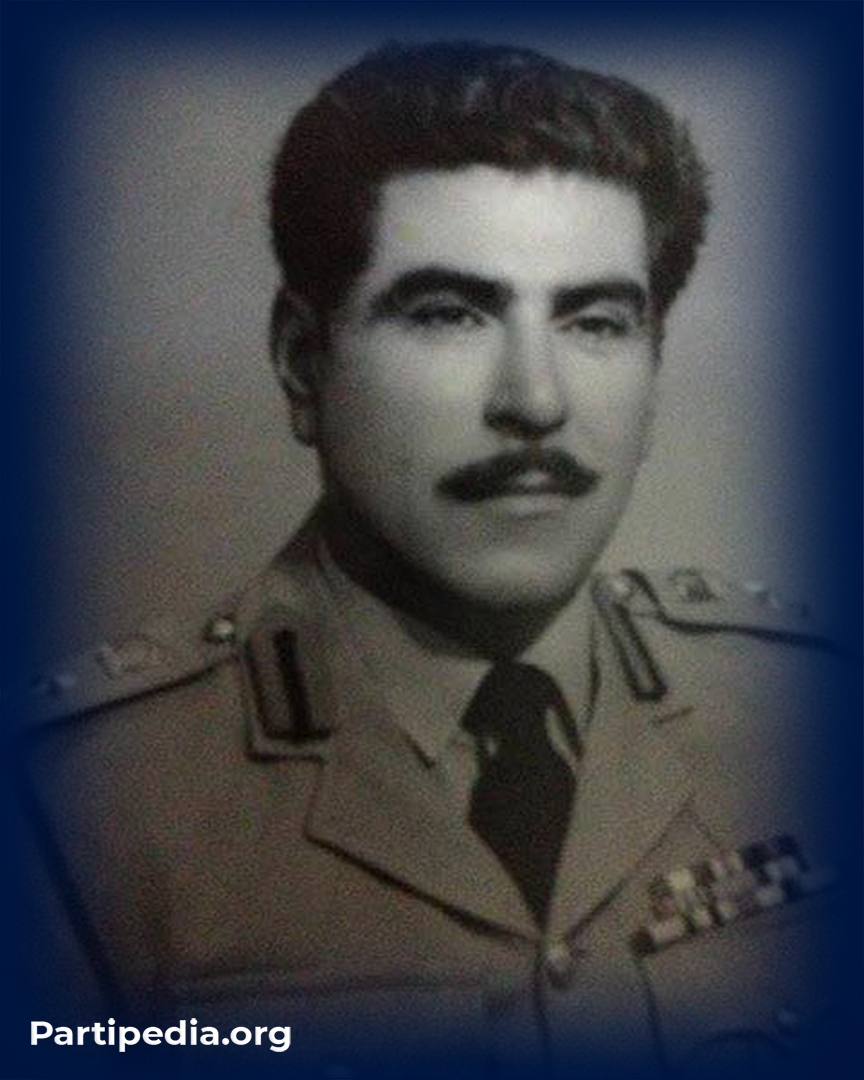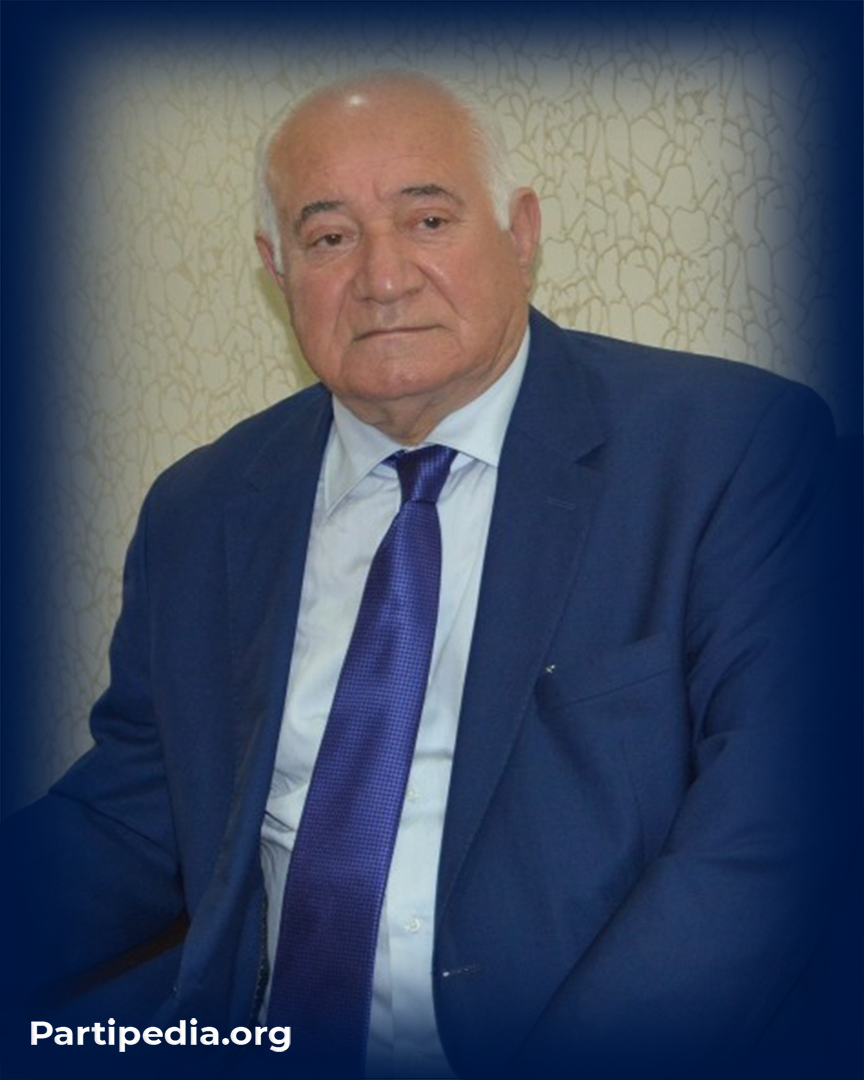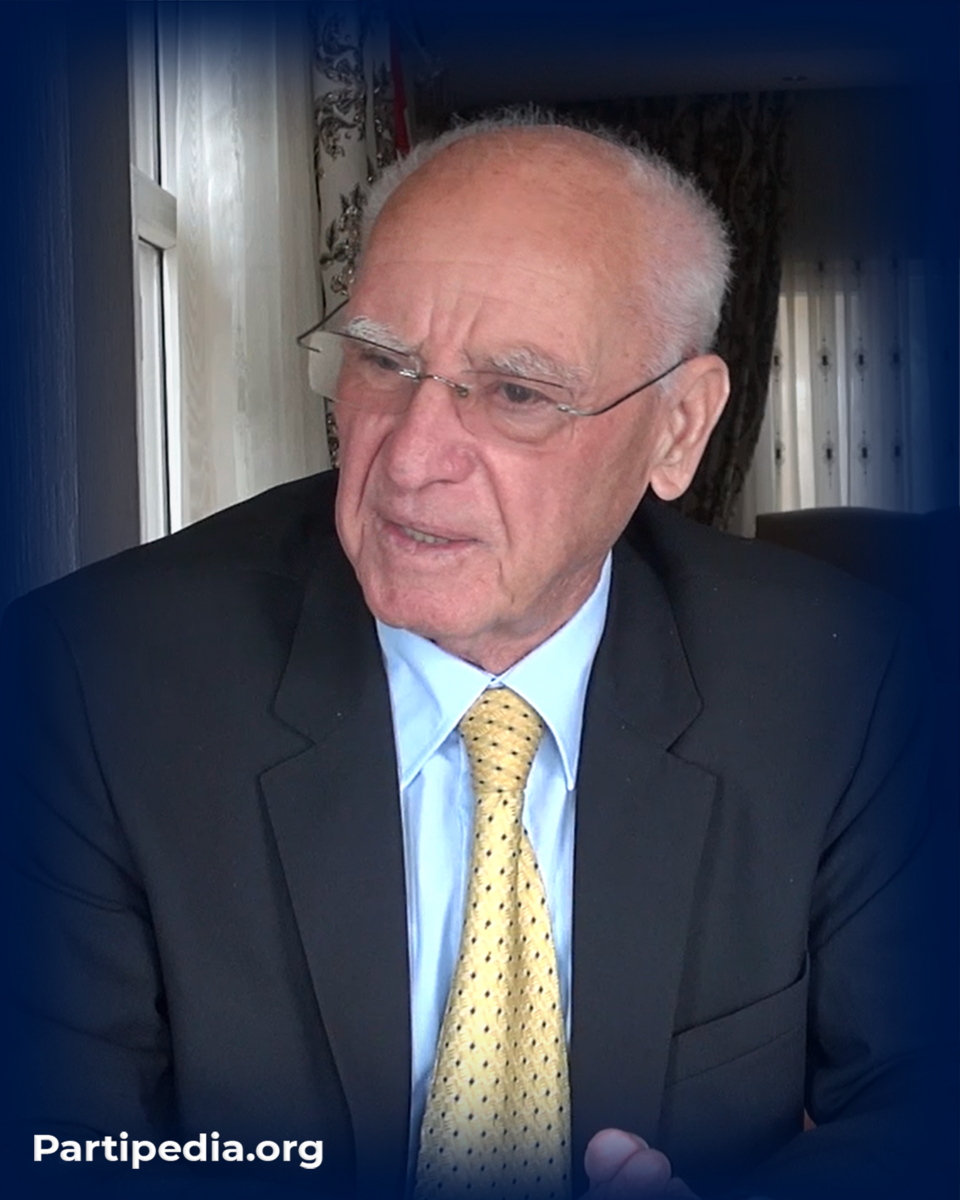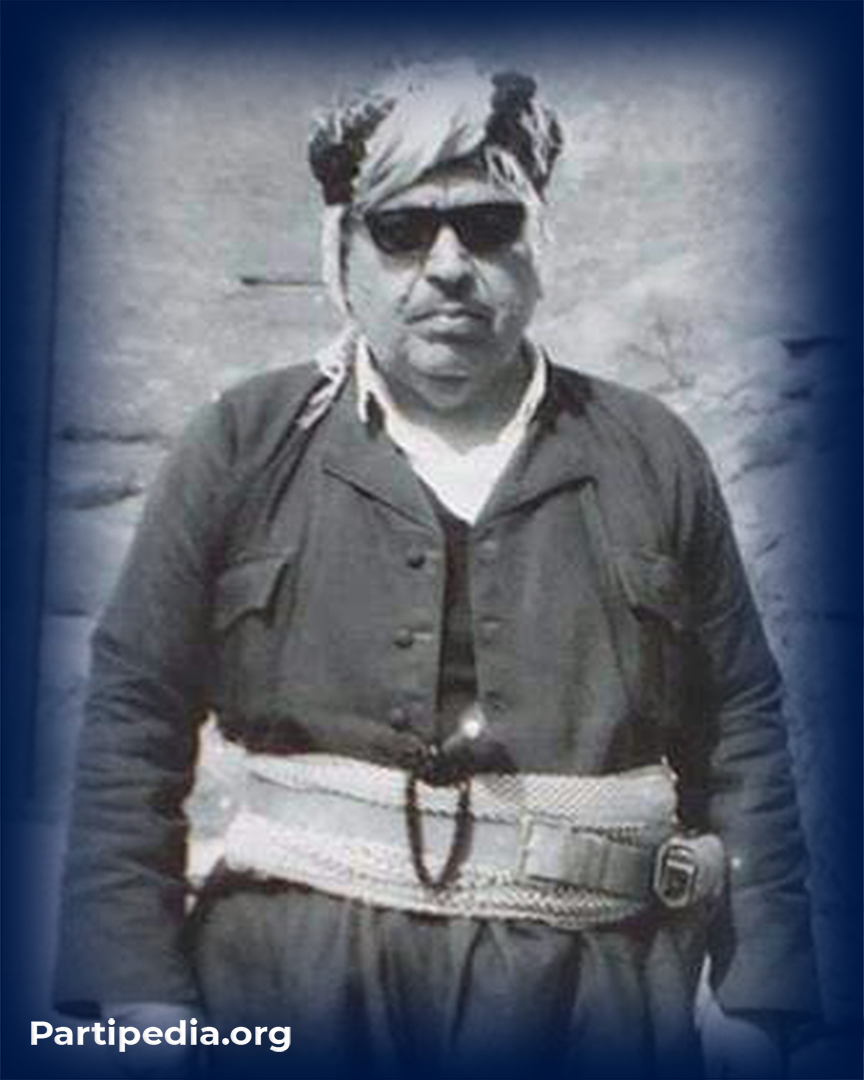


Abdulmajid Jarjis Mihemed Mistefa, known by the names (Majid Effendi and Majid Etrushi). In 1964, he became a member of the leadership council of the revolution in Iraqi Kurdistan and at the end of 1964, he was appointed as the Governor of Sheikhan on the border of Mosul province by the local office (Al Mekteb Al Tanfizi) of the leadership council of the revolution in Iraqi Kurdistan. In 1966, he became a member of the central committee of the Kurdistan Democratic Party at the seventh congress. In 1967, he was a representative of the political-military conference of Kani Simaq (Hewler). In 1974, he was established as the Governor of Sheikhan for the second time by the leadership of the Eylul revolution.
Biography
Abdulmajid Jarjis Muhammad Mustafa was born in the city of Duhok. He graduated from the teachers' school in the village of Rostemiyeh in Baghdad in 1942. In 1960, he joined the ranks of the Kurdistan Democratic Party. In 1960, he was imprisoned for a while in Mosul and Baghdad prisons for political activities and was later deported to the city of Diwaniyah in Iraq. In 1975, after the defeat of the September Revolution, he initially went to Iran as a refugee and then returned to Southern Kurdistan. In 1975, he was deported to the city of Diwaniyah. In 1977, he was dismissed from his job by the government. In 1977, he retired after several arrests. In the years (1988 - 1991), he emigrated to Iran after the Anfal campaign in Baghdad. He is fluent in Kurdish, Arabic and Persian.
Worksheet
Abdulmajid Jarjis Muhammad Mustafa, in 1963, became the head of the Mosul district committee of the Kurdistan Democratic Party's first branch committee. In 1964, he became a member of the first branch committee. In 1964, he established contact with the ranks of the Peshmerga forces. In 1964, he became a representative of the sixth congress of the Kurdistan Democratic Party. In 1964, he became a member of the twelve-member delegation of negotiators of the sixth congress of the Kurdistan Democratic Party, which, with the consent of the President, Mustafa Barzani (1903 - 1979) went to the political school with the aim of participating in the sixth congress, but due to the insistence of the political school delegation not to participate, they were not successful in their duties. In 1964, he became the secretary of the first division committee. In 1964, he became a member of the party's follow-up and evaluation committee of the Kurdistan Democratic Party of the sixth congress. In 1964, he was a representative of the second valley congress (Qaladize Congress). In 1964, he was appointed as a representative of the congress of the leadership council of the revolution in Iraqi Kurdistan and a member of the same council. At the end of 1964, he was appointed as the governor of Sheikhan, on the border of the former Mosul province and the current Dohuk province, by the local office (Al Mekteb Al Tanfizi) of the leadership council of the revolution in Iraqi Kurdistan. In 1966, he was appointed as a member of the preparatory committee for the seventh congress by the central committee of the Kurdistan Democratic Party.
In 1966, he became a member of the central committee of the Kurdistan Democratic Party at the seventh congress. In 1966, he was wounded by a cannonball in Sheikhan. In 1967, he was a delegate to the Political-Soldier Conference in Simaq-Erbil. In November 1967, he became the owner of the Safin magazine, the organ of the second branch of the Kurdistan Democratic Party. At the end of 1967, he was appointed as the head of the branch of the Kurdistan Democratic Party at the ninth branch of the Kurdistan Democratic Party. In 1968, he became the editor-in-chief of Safin magazine. In 1969, he left the party and returned to his work as a teacher by order of the Revolutionary Leadership Council on September 23, 1969. In 1970, he was a delegate to the eighth congress of the Kurdistan Democratic Party. In 1971, he was a representative of the Kurdistan Teachers' Union Congress. On March 1, 1972, he was appointed a member of the special disciplinary committee (Inzibat Al Xas) for the education officers of Duhok. In 1974, he was established as the Governor of Sheikhan for the second time by the leadership of the September Revolution. In 1975, after the defeat of the September Revolution, he initially went to Iran as a refugee and then returned to Southern Kurdistan. In 1975, he was expelled to the city of Diwaniye. In 1977, he was dismissed from his job by the government. In 1977, he retired after several expulsions. In the years (1988 - 1991), he emigrated to the Islamic Republic of Iran after the Anfal campaign in Behdinan. He is fluent in Kurdish, Arabic and Persian.
Source:
1- Archives of the Encyclopedia Committee of the Kurdistan Democratic Party.