


In the summer of 1963, the Iraqi government, led by Abdulsalam Arif, launched a wide-scale offensive in various parts of Kurdistan. It issued a statement on Baghdad radio refusing to negotiate with the Kurdish revolution and deciding to restart a bloody war against the Kurds. It then began attacking cities, towns, and villages. It then began arresting, expelling, and massacring the Kurds in all the areas attacked. The Ba'athists interpreted this as implying that the Abdulkarim Qasim regime had not seriously fought the Kurds before them, and instead could defeat the Kurdish revolution in a short time. This also shows that Abdulsalam Arif never believed in the Kurdish cause in Iraq, which was evident in his speeches, which did not recognize the Kurds and did not use the word Kurdistan.
Before the start of the war on May 20, 1963, the military commander-in-chief ordered an economic blockade of Kurdistan. With the start of the war on June 10, serious crimes against moral and human values were committed in many places. It is clear that during this period, Sulaymaniyah was oppressed by the Iraqi army more than any other city in Kurdistan. As soldiers and military convoys were attacked from all sides, the Peshmerga came and took revenge on the civilian population of Sulaymaniyah.
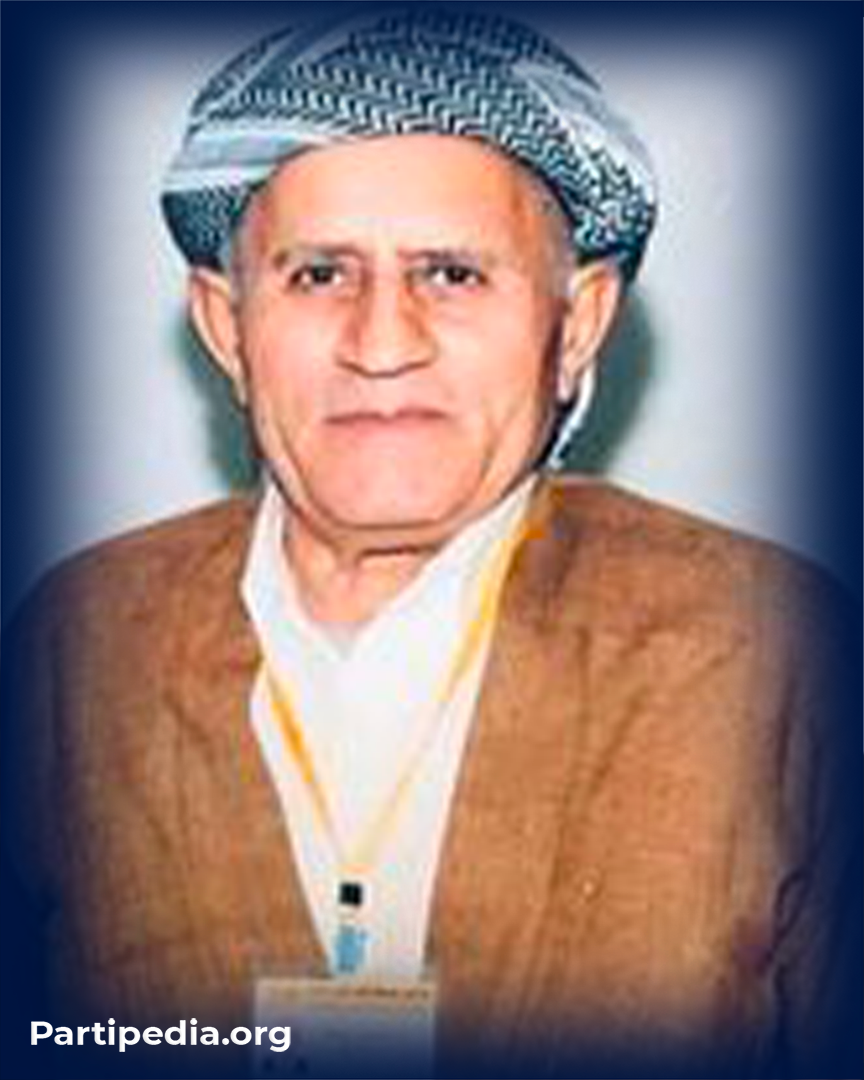
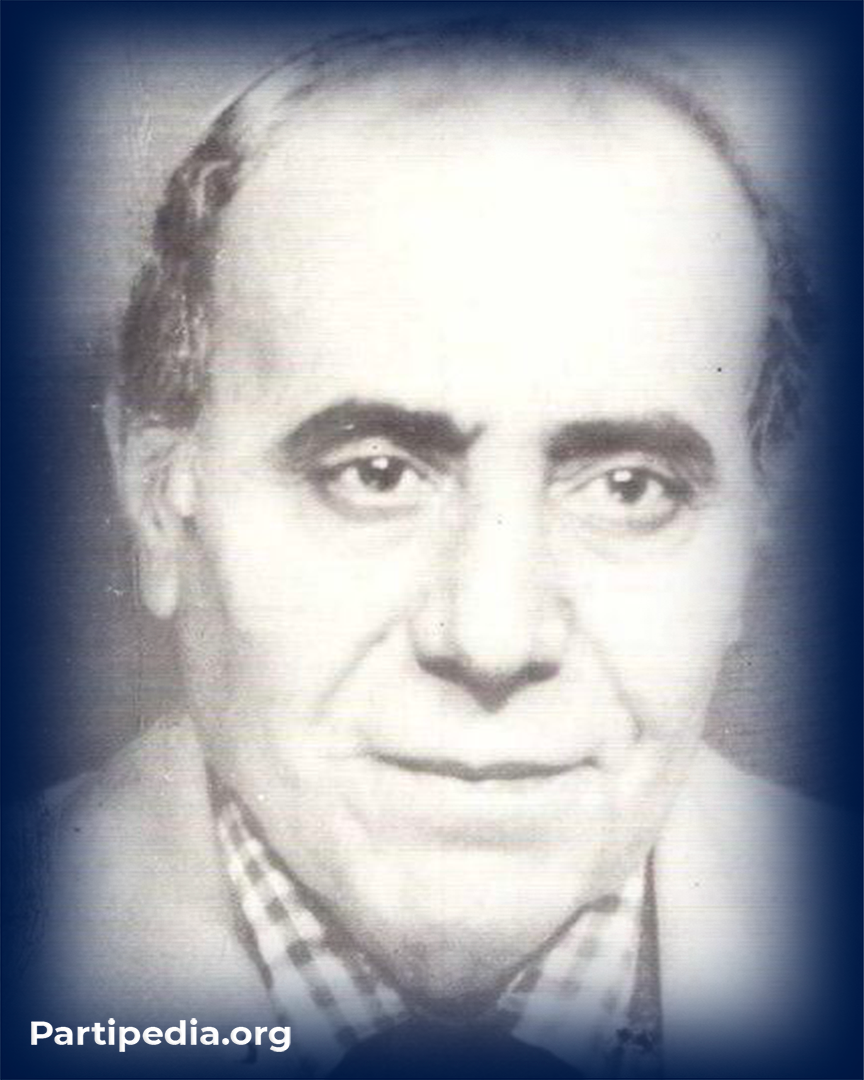
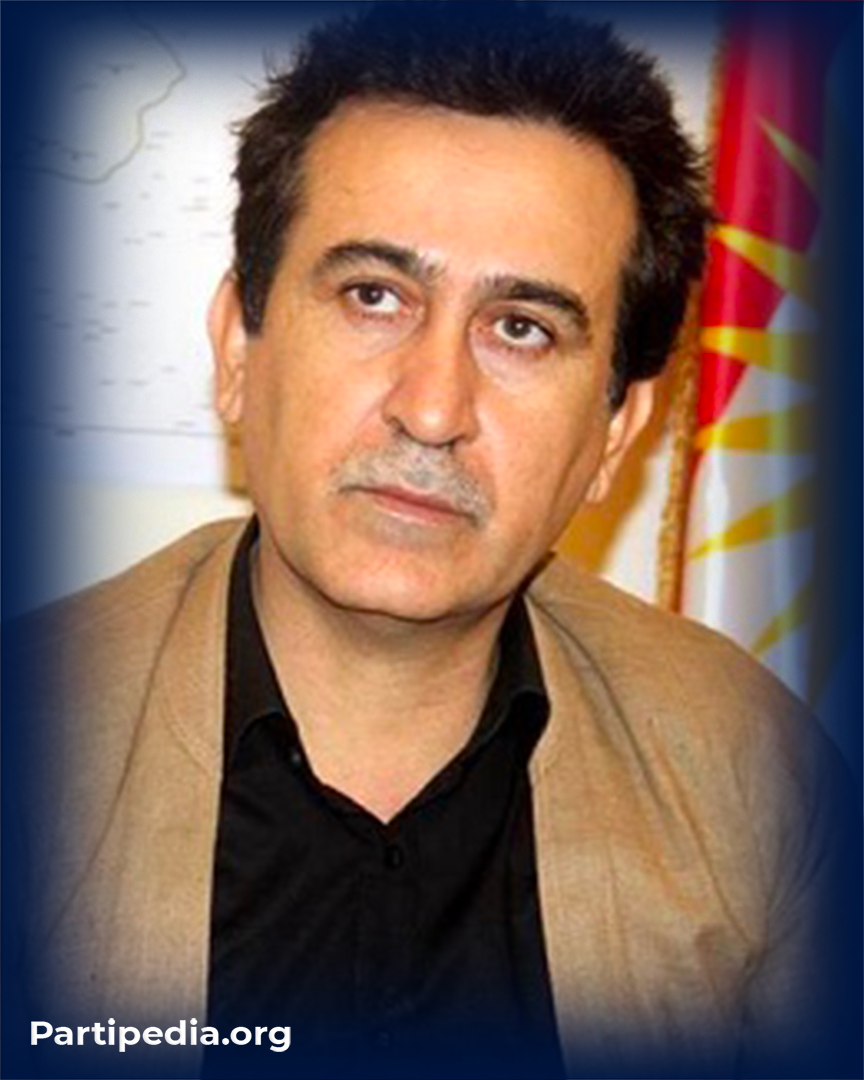
One of these violent and inhuman acts was the Sulaimani incident, which was ordered by the commander of the 20th Brigade, Zaim Sidiq Mustafa, who is known as the most brutal brigade in the history of Iraq and whose hands were red with the blood of thousands of young people in this country. The city of Sulaimani has also become a beacon of light against its enemies. 5 thousand civilians were arrested in the genocide campaign and 86 of them were selected and buried alive. Their only crime was that the Ba'athists brought a picture of the leader of the Kurdish revolution, Mustafa Barzani, into the crowd. They were arrested and ordered to insult him. They were not ready to accept it in any way. Apparently, one of the prisoners responded by saying, "If you want to disrespect your leader, then we will listen to you." That is why the Ba'athists did not stop them and massacred them.
Source:
1. Archives of the Encyclopedia Committee of the Democratic Party of Kurdistan.