

Biography
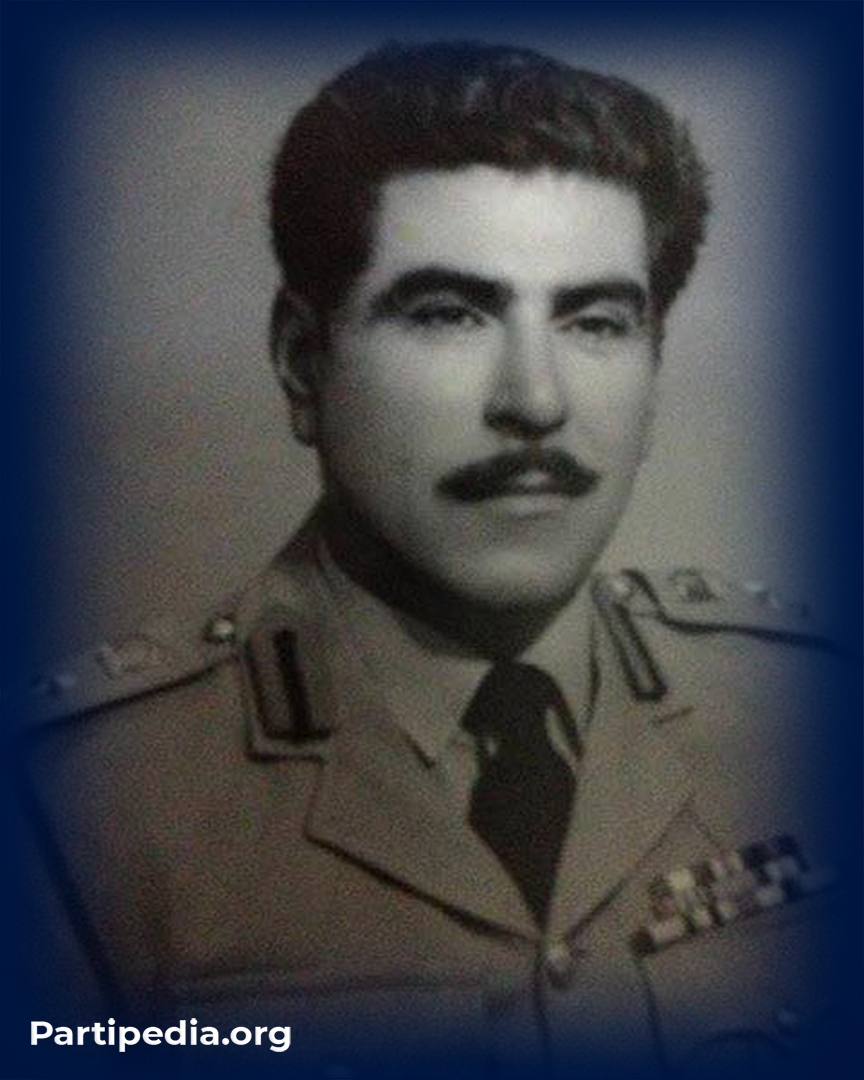
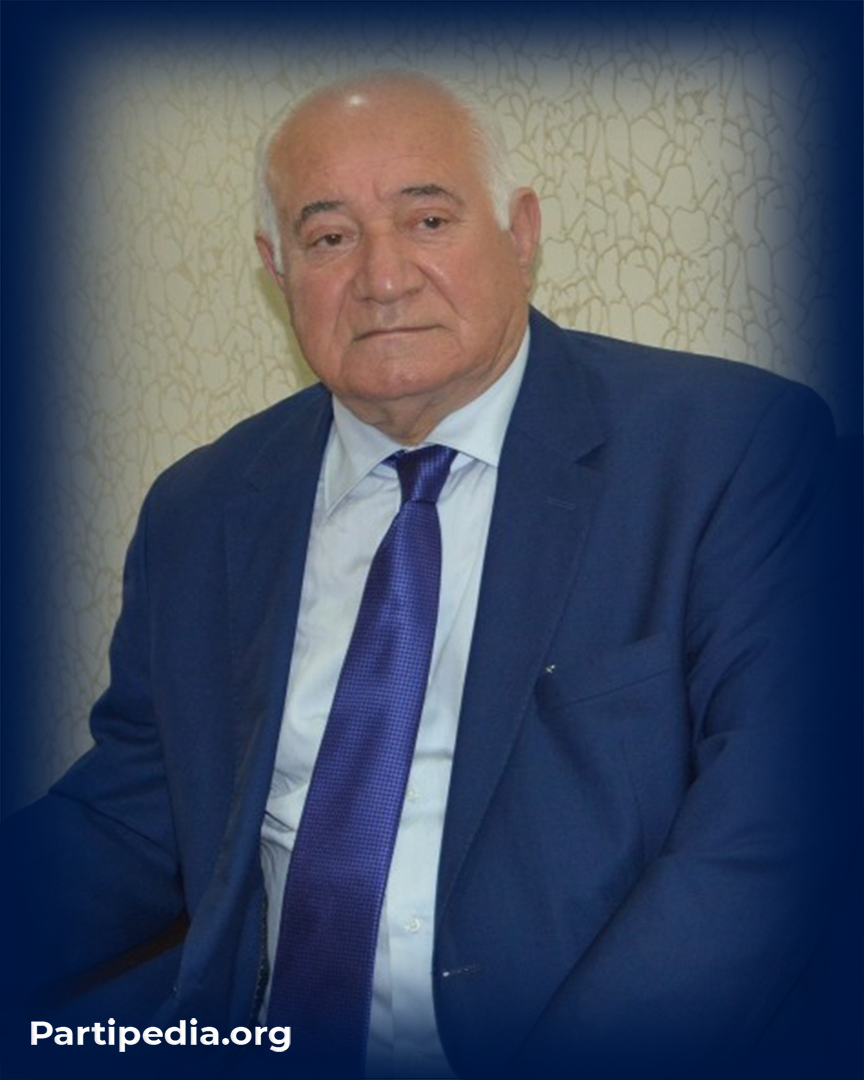
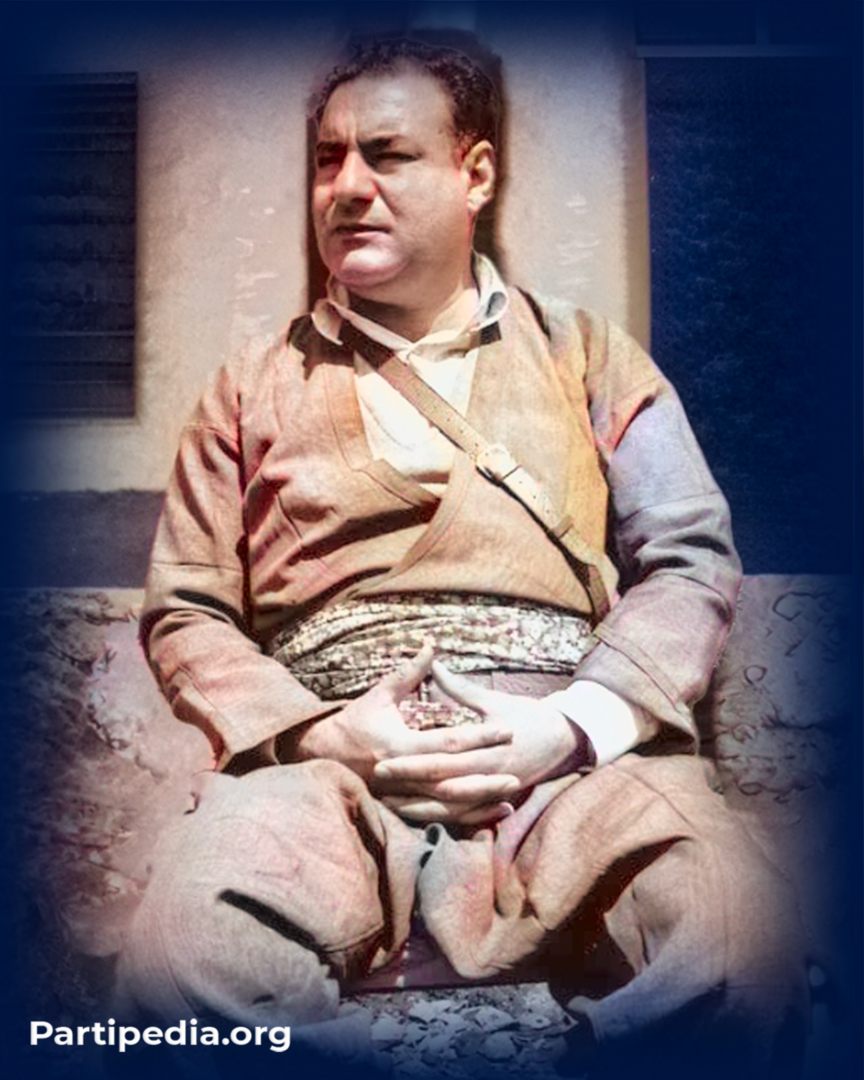
Habib Muhammad Karim Abdulrahman was born in 1931 in the city of Kut in southern Iraq and belongs to the Malikshah tribe and clan of Fayli. He comes from an educated and merchant family of Fayli Kurds and was educated in Baghdad. In 1950, he graduated from the Maf College in Baghdad, but in 1952, due to political activities, he was expelled from the college by Iraqi authorities.
In 1953, he published articles in the Arabic-language magazine (Sadi Al Mustaqbal) and in 1958, he was founded as a radio announcer at Baghdad Radio, where he worked until the end of 1962.
It was established in 1975 by a decree of the Iraqi Revolutionary Leadership Council, with the Municipality Manager of Dhi Qar Governorate in southern Iraq. It was seized by the Ba'ath regime several times between 1977 and 1990 and 1991. It was established on February 6, 1978 by a decree of the Iraqi Revolutionary Leadership Council with the general director of the General Revenue Tax Administration in Baghdad and retired in 1987 at his own request.
He moved to the United Kingdom as a refugee in 1998, and became fluent in Kurdish, Arabic, Persian, and English. He passed away on July 30, 2013, in a hospital in Beirut, and his body was later transferred to the Najaf cemetery in Iraq, where he was buried.
Worksheet
Habib Mihemed Karim joined the ranks of the KDP in 1952 and in 1953 he became a member of the Baghdad District Committee of the Democratic Party of Kurdistan - Iraq. In the same year, he became a representative of the Third Congress of the Democratic Party of Kurdistan in the city of Kirkuk and in 1954 he became the Head of the Baghdad District Committee of the Democratic Party of Kurdistan - Iraq.
At the 1956 conference, he became a member of the Central Committee of the Kurdistan Democratic Party and in the same year he became a representative of the Kurdistan Students' Union (Qutabiye) on the student front (A Cebhe Al Talabiye) in Baghdad, which included mostly organizations opposed to the Iraqi government and consisted of the following organizations: the Kurdistan Democratic Party, the Iraqi Communist Party, the Arab Socialist Ba'ath Party, and the National Congress Party, with the aim of coordinating the organization of student demonstrations and strikes.
In 1959, he became a member of the Writers' Committee of the Xebat Newspaper, the organ of the Democratic Party of Kurdistan - Iraq, in the city of Baghdad, and in the same year, at the fourth congress of the Democratic Party of Kurdistan in 1959, he was elected as a member of the Supervisory and Promotion Committee of the Democratic Party of Kurdistan - Iraq. On January 8, 1960, he became a member of the fifty-person Committee supporting the establishment of the Democratic Party of Kurdistan for the stage of public affairs, and in the same year, at the fifth congress of the Democratic Party of Kurdistan in 1960, he was elected as a member of the Supervisory and Promotion Committee of the Democratic Party of Kurdistan.
In 1964, as the Head of the Supreme Supervisory and Advisory Board, he did not participate in the extensive meeting of the Mawet and did not know the Sharia. In the same year, as the First Head of the Supreme Supervisory and Advisory Board of the Kurdistan Democratic Party, he proposed the establishment of a congress to the President and the Political School in order to avoid internal conflicts, and both sides agreed.
He was elected as a member and secretary of the Central Committee of the Kurdistan Democratic Party at the sixth congress of the Kurdistan Democratic Party in 1964, the seventh congress in 1966, and the eighth congress in 1970.
On January 18, 1967, he led a delegation from the Kurdistan Democratic Party and met with Lieutenant General Abdulrahman Muhammad Arif at the Republican Palace in Baghdad to discuss the implementation of the provisions of the June 1966 agreement on the autonomy of Kurdistan by the Iraqi Government.
In 1975, after the defeat of the September Revolution, he went to Iran and then to Cairo, where he established contact with the Iraqi government. The same year, after surrendering, he returned to Iraq.
In 1991, he contacted the ranks of the KDP and worked on the Kurdistan Democratic Party's communications. In 1993, at the eleventh congress, he was elected as a member of the Central Committee of the Kurdistan Democratic Party, United.
He was a delegate to the twelfth congress in 1999 and the thirteenth congress in 2010 of the Kurdistan Democratic Party in the city of Erbil.
His works:
1- History of the Democratic Party of Kurdistan in Iraq (In the Main Chapter) 1946 - 1993.
2- Hewel Tras Al Watani by Barzani Al Khalid 1991.
3- Sefhat Min Nezal Al Shaab Al Kurdish Tarîx Motemarat Al Hizb 4,5,6,7,8, -1991, the Kurdish translation of this work was done by Kozad Rojbeyani in the same year and published in the same year.
Source:
1- Archives of the Encyclopedia Committee of the Kurdistan Democratic Party.
2- History of the Kurdistan Democratic Party, congresses and conferences (programs and internal proceedings), Encyclopedia Committee of the Kurdistan Democratic Party, first volume, (Hewlêr - Roksana Publishing House - 2021).
3- Jalil Al Mandalawi and Sabah Al Surmiri, Al Astaz Habib Muhammad Karim Fi Hadith Lil Hamrin, Hamrin Magazine, Al Kurd Al Feyliyeen Society, Al Adad 26, Erbil, Salahaddin Mosque Press, Tishreen Al Sani 2001.
4- Habib Muhammad Karim, History of the Democratic Party of Kurdistan in Iraq (In the Main Room) 1946 - 1993, (Dihok - Xebat Press 1998).
5- Habib Muhammad Karim, Xwatir An Al Barzani, Xebat Newspaper, Language of the Democratic Party of Kurdistan - Al Muhed, Al Adad 712, Al Arba, 2 Azar 1994.
6- Mihemed Mela Qadir, A brief history of the KDP and the culture of Barzani Nemir, second edition, (Hewlêr - Aras Printing and Publishing House 2007).
7- Masoud Al Barzani, Al Barzani and the Kurdish Tahrir Movement, Al Mujaled Al Sales, (Erbil - Ministry of Education Press 2002).