

Biography
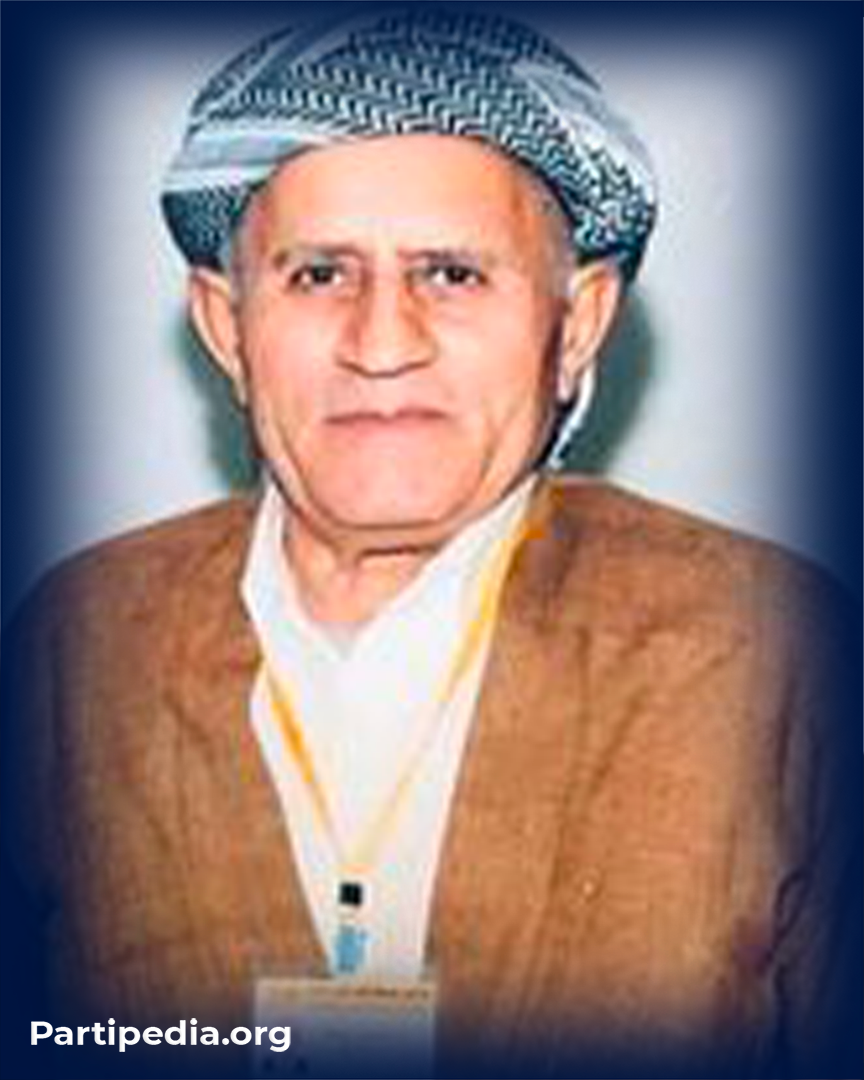
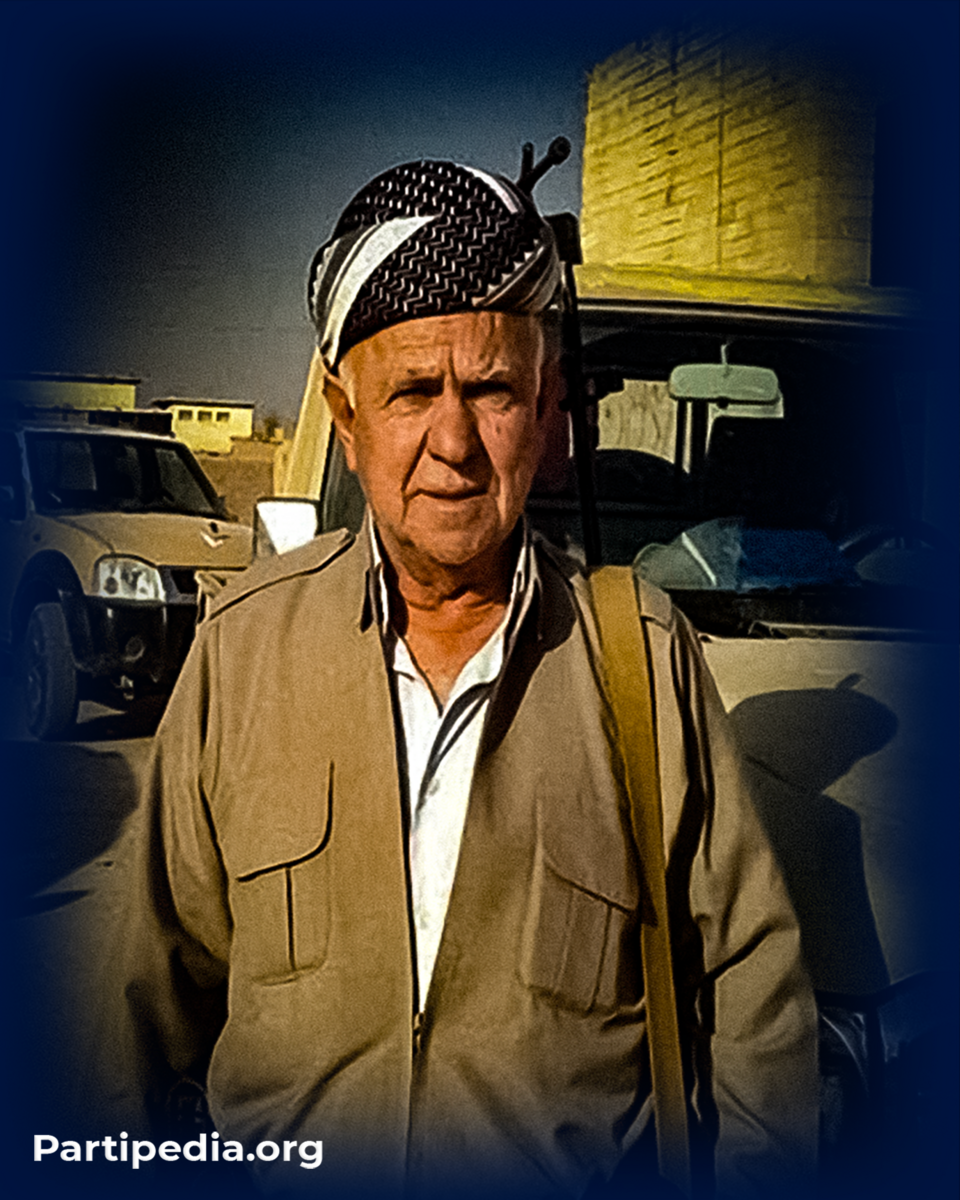
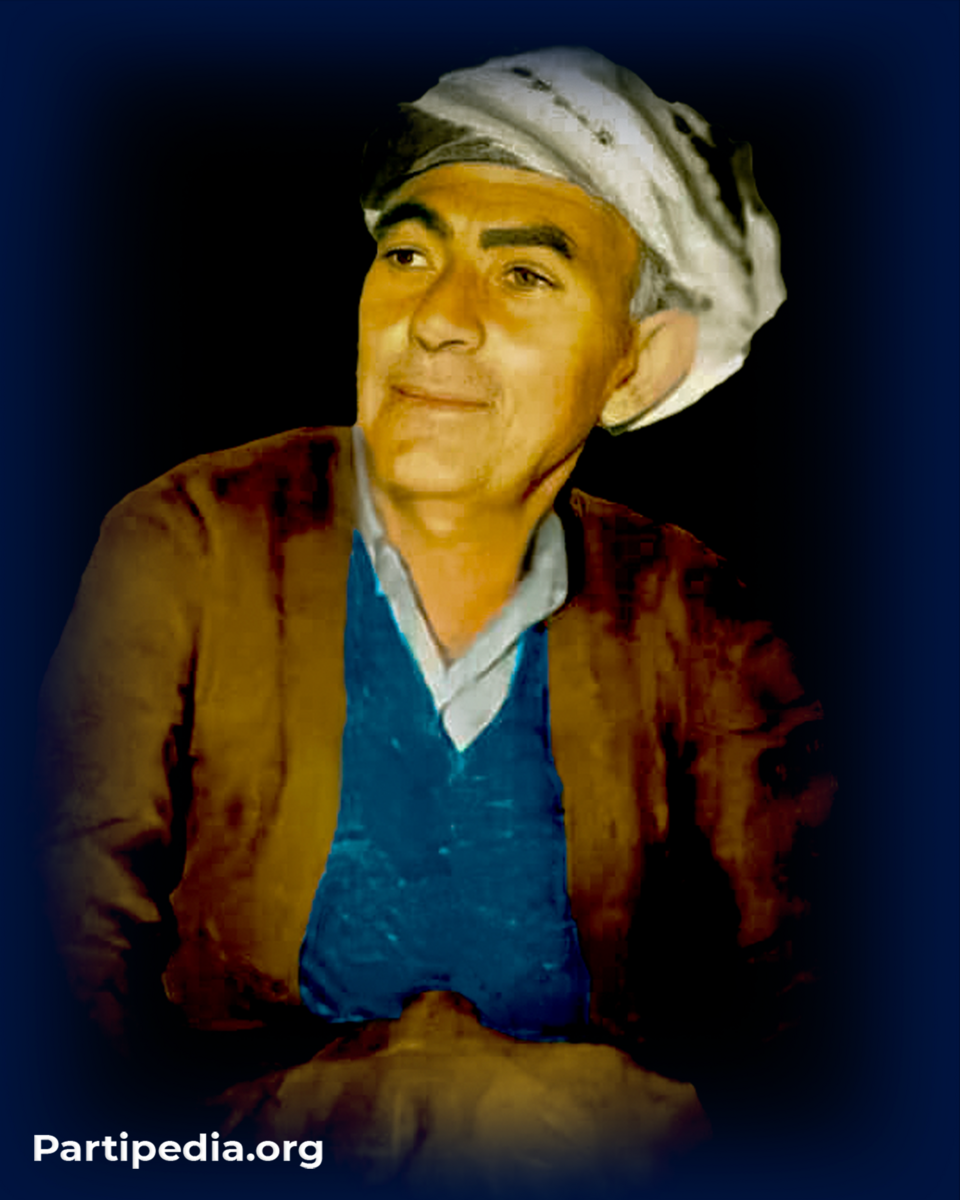
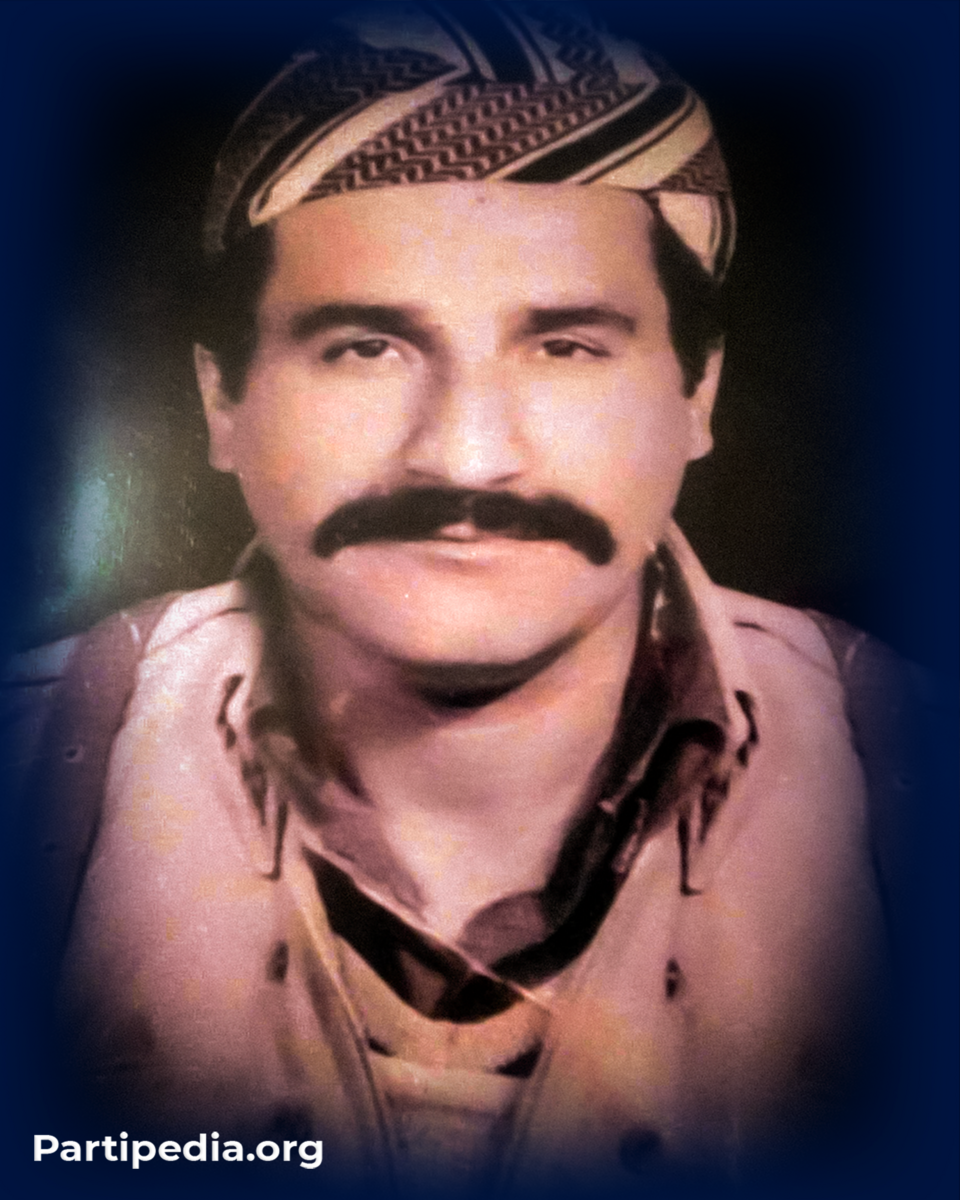
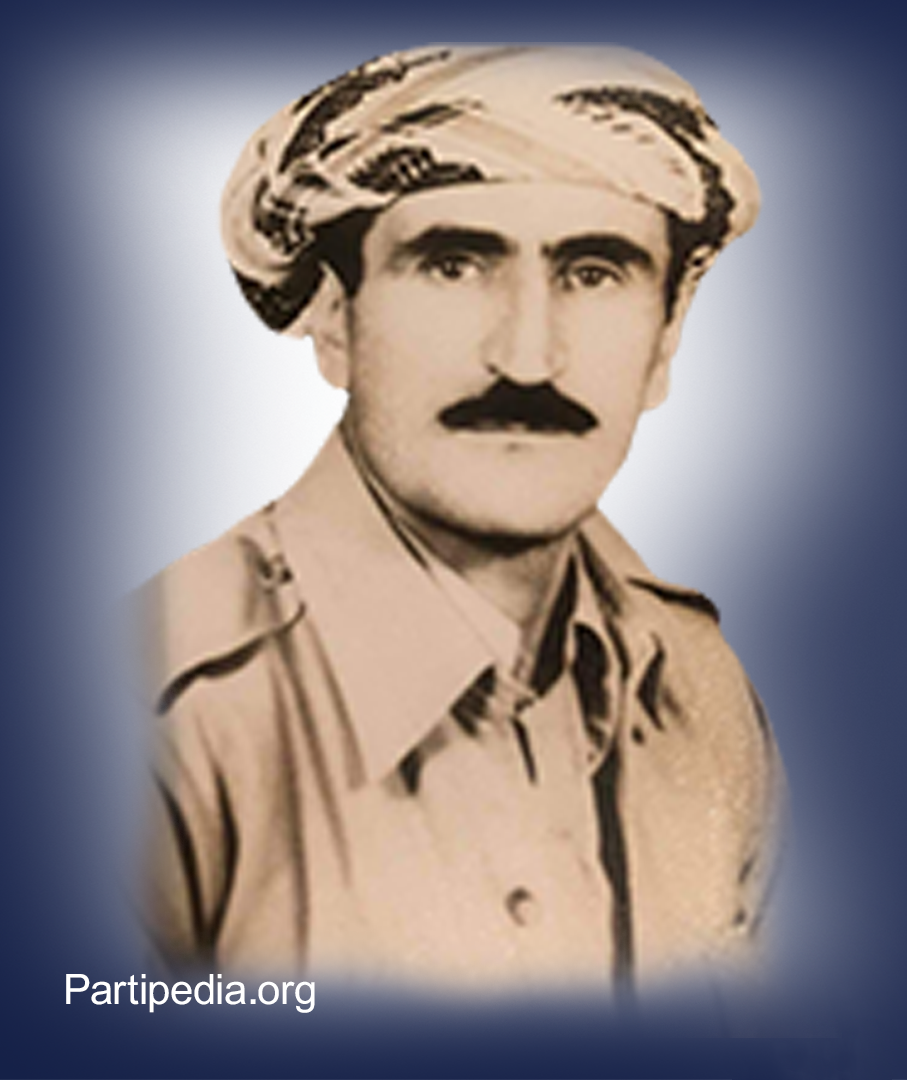
Fayzo Salim Khan Sadullah, who was named Feyzo Zebari also known as, was born in the village of Bîra Kepra in 1939, migrated to Eastern Kurdistan with his family in 1945 at the age of 6 and participated in the defense of the Republic of Kurdistan with the comrades of the late Barzani in the city of Mahabad. After the collapse of the Republic of Kurdistan in Mahabad, he returned to Kurdistan and joined the ranks of the September Revolution was and after the collapse September Revolution He emigrated to Iran and settled in the city of Neqadah. He was educated, had five sons and four daughters, and was fluent in Arabic and Persian.
Worksheet
Feyzo Selim Khan Sadullah was actively involved in party organizations and activities in the Behdinan area, then joined the ranks. September Revolution He became a Peshmerga, became the commander of the 2nd Battalion of the Acre Force in 1970, and participated in many battles such as the Battle of Hezar Jutê, the Battle of Simaqokê, and the Battle of Keretuba.
In 1975, after the defeat September Revolution emigrated to Iran and participated May Revolution He became the commander of the force, after the 9th congress of the Kurdistan Democratic Party (KDP), by the decision of the KDP leadership, he became the commander of the Political School headquarters in Rajan, then by the decision of the KDP leadership and the Political School, the commander of the martyr Feyzo Zebari He was transferred to the border of the 3rd and 4th leagues behind Mount Ezkel and participated in many famous battles in that area, including the Battle of Banedar.
On November 17-18, 1980, while being transported to Hacî Omaran, he and 6 other peshmerga soldiers named Martyr Silêman Çarbûtî, Martyr Telî Xesrew Zebarî, Martyr Şakir Ezîz Zebarî, Martyr Mihemed Sûrçî, Martyr Mela Resûl Bergareyî and Martyr Ebdulqadir Bergareyî were hit by enemy mines and were martyred.
Source:
-
Kurdistan Democratic Party, Political School, Political School Archive, Martyrs of the May Revolution 1980, p. 49.
-
Sefer Yusif Mirxan Jajoki, Women and the Struggle, part of the Peshmerga Struggle Leadership, 2015, pp. 140-146.