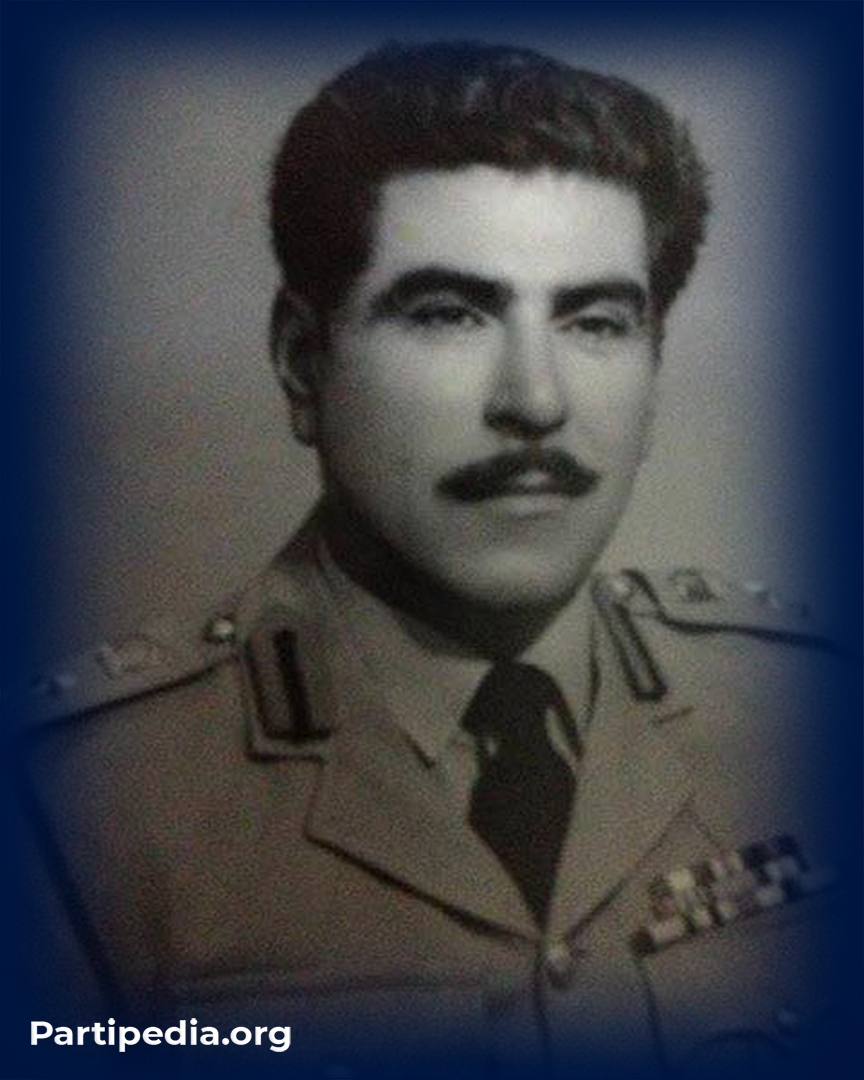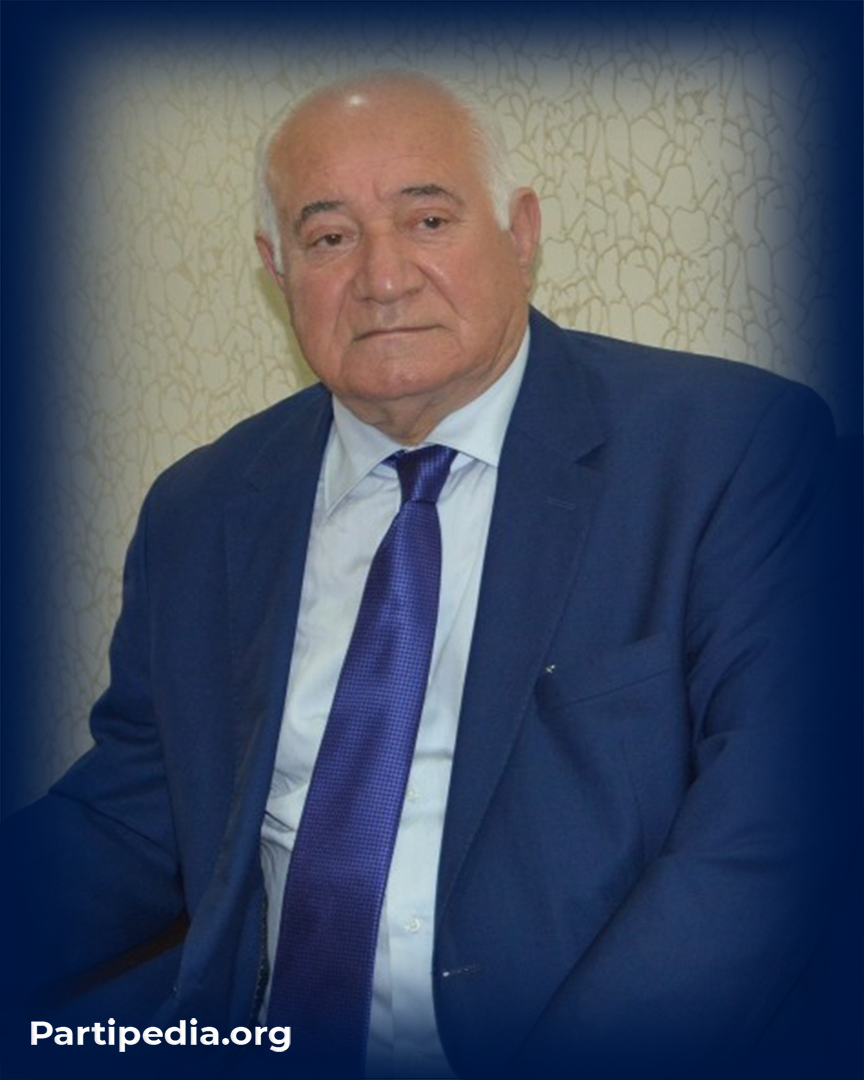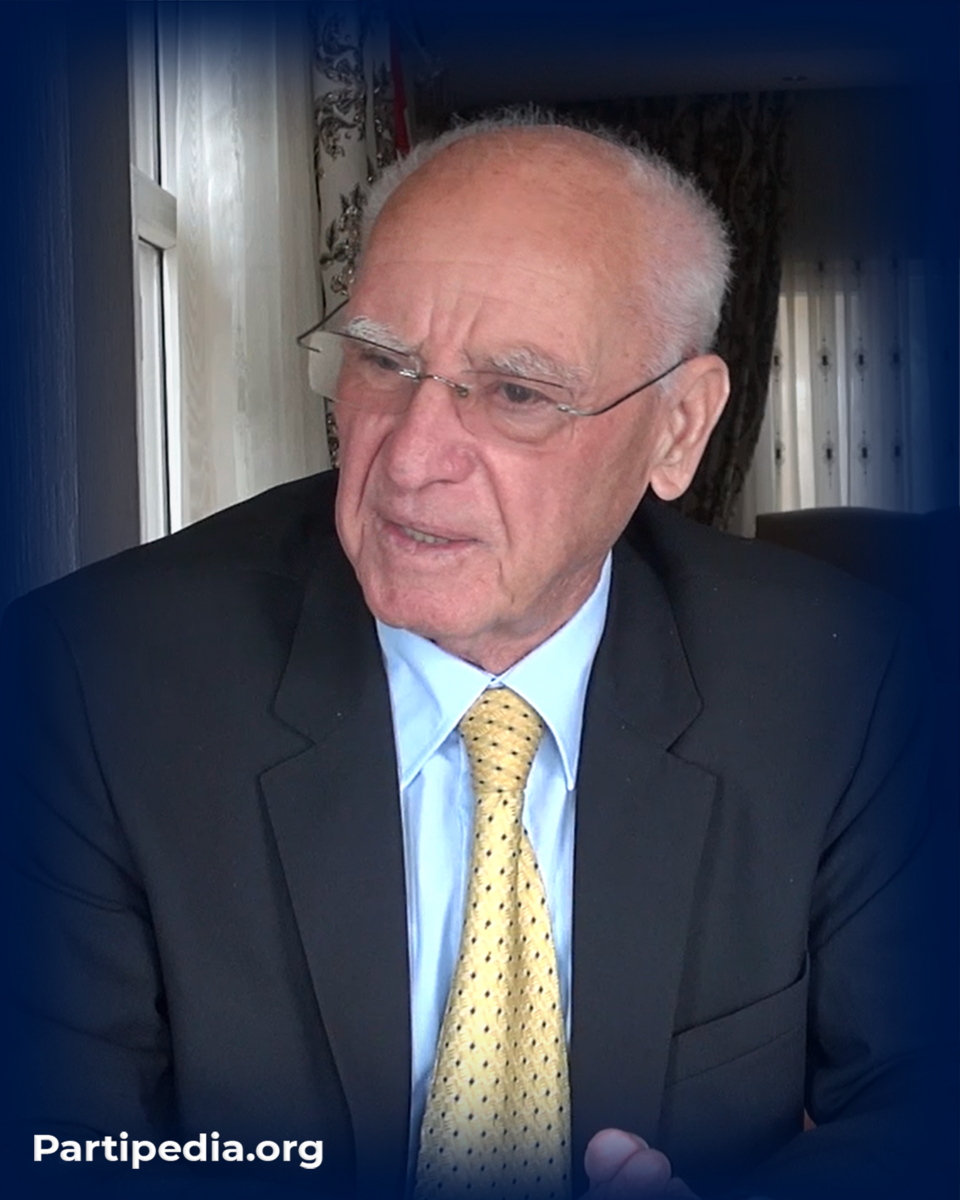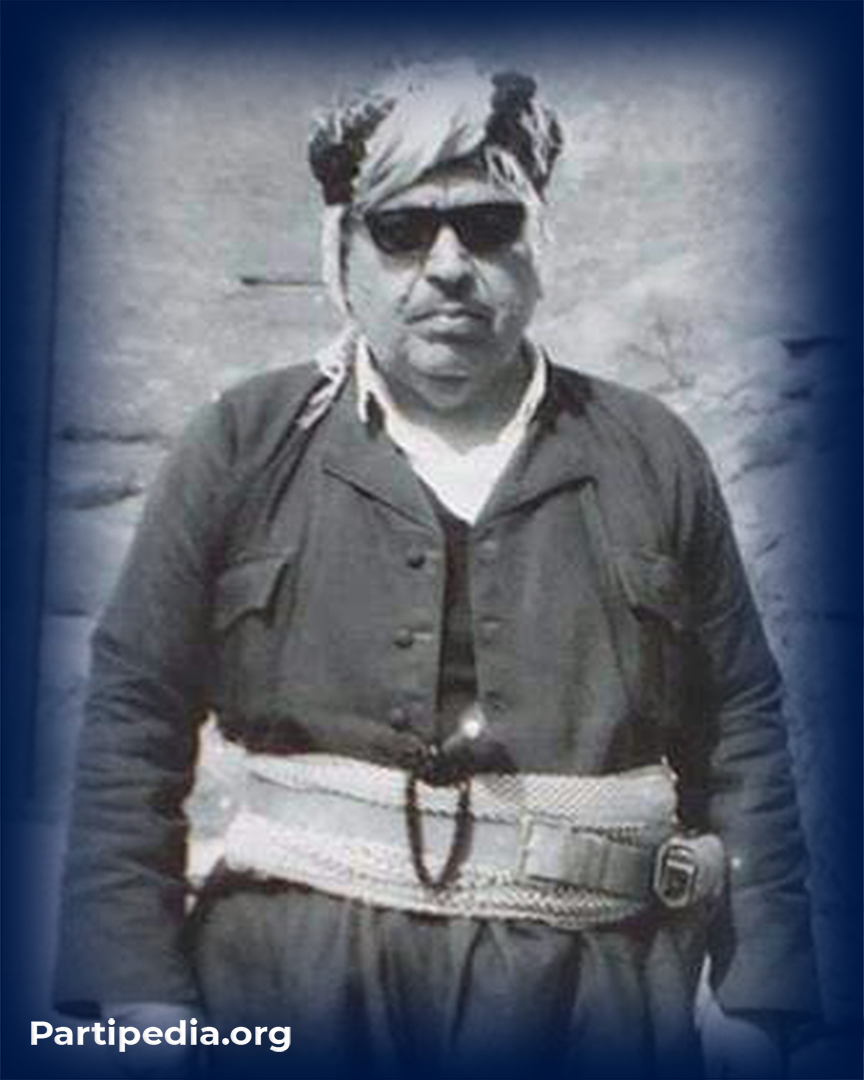


Ehmed Cercîs Yunis Hesen, a teacher and politician, was known by the names (Ehmed Etruşî and Ehmed Hesen Helîmê). In 1964, he was appointed as the Governor of Duhok by the Al Mekteb Al Tanfîzî office of the Revolutionary Leadership Council in Iraqi Kurdistan. In 1966, he was elected as a member of the central committee of the Kurdistan Democratic Party at the seventh congress. In the same year, he was appointed as a member of the Revolutionary Leadership Council in Iraqi Kurdistan. In the years (1974 - 1975), he was appointed as the Governor of Acre, on the border of Duhok province, by the leadership of the Eylül revolution.
Biography
Ahmed Jarjis Yunis Hassan was born in the Etrush district of the then Mosul province and the current city of Dohuk. He completed his preparatory school in 1958. In 1959, he joined the ranks of the Kurdistan United Democratic Party. In 1959, he was established as a primary school teacher in the town of Amadi, on the border of the former Mosul province and the current Dohuk province. In 1963, he was arrested by the Iraqi Army Intelligence Service and then forcibly removed to the town of Um Al-Rasas in the Basra province in southern Iraq. He became proficient in Kurdish and Arabic.
Worksheet
Ahmed Jarcis Yunis Hesen joined the ranks of the Peshmerga forces of the September Revolution in 1964. In 1964, he became a member of the first branch of the Kurdistan Democratic Party. In 1964, he became a member of the conference committee of the sixth congress of the Kurdistan Democratic Party on the border of the first branch. In 1964, he was a representative of the sixth congress of the Kurdistan Democratic Party in the town of Qaladiz in the province of Sulaymaniyah. In 1964, he was a member of the twelve-member delegation of negotiators of the sixth congress of the Kurdistan Democratic Party, which was also approved by the President. Mustafa Barzani (1903 - 1979) who went to the political school with the aim of participating in the sixth congress, but due to his insistence on not participating in the political school, he was not successful in his mission. In 1964, he became the secretary of the first branch of the Kurdistan Democratic Party. At the end of 1964, he was appointed by the local office (Al Mekteb Al Tanfizi) of the leadership council of the revolution in Iraqi Kurdistan as the governor of Duhok, on the border of the former Mosul province and the current Duhok. In 1966, he was elected as a member of the central committee of the Kurdistan Democratic Party by the representatives of the seventh congress in the town of Gelale, in the province of Erbil. In 1966, he was appointed as a member of the leadership council of the revolution in Iraqi Kurdistan. On July 13, 1967, as a representative of the Kurdistan Democratic Party and head of the third branch of the Kurdistan Democratic Party, he attended the fifth congress of the Kurdistan Students' Union in the village of Taymzawe, in the Kirkuk province.
In 1967, he was appointed for the second time by the leadership council of the revolution in Iraqi Kurdistan as the Governor of Duhok, on the border of the former Mosul province and the current Duhok. In 1968, he briefly became the head of the third branch of the Kurdistan Democratic Party. In 1968, he left political activities and distanced himself from the ranks of the Kurdistan Democratic Party. In 1970, he reconnected with the ranks of the Kurdistan Democratic Party. In 1970, he became a delegate to the eighth congress of the Kurdistan Democratic Party in the village of Nawpirdan, in the province of Erbil. In the years (1974-1975), he was appointed by the leadership of the Eylul revolution as the Governor of Acre, on the border of Duhok province. In 1975, after the defeat of the September Revolution, he lived as a refugee in the Iranian Shahnishin for a short time and then returned to Southern Kurdistan. In 1977, he returned to his job as a primary school teacher in the city of Duhok. He passed away on January 10, 1982, due to poisoning, and was buried in the Shaxke cemetery in the city of Duhok.
Source:
1 - Archives of the Encyclopedia Committee of the Kurdistan Democratic Party.