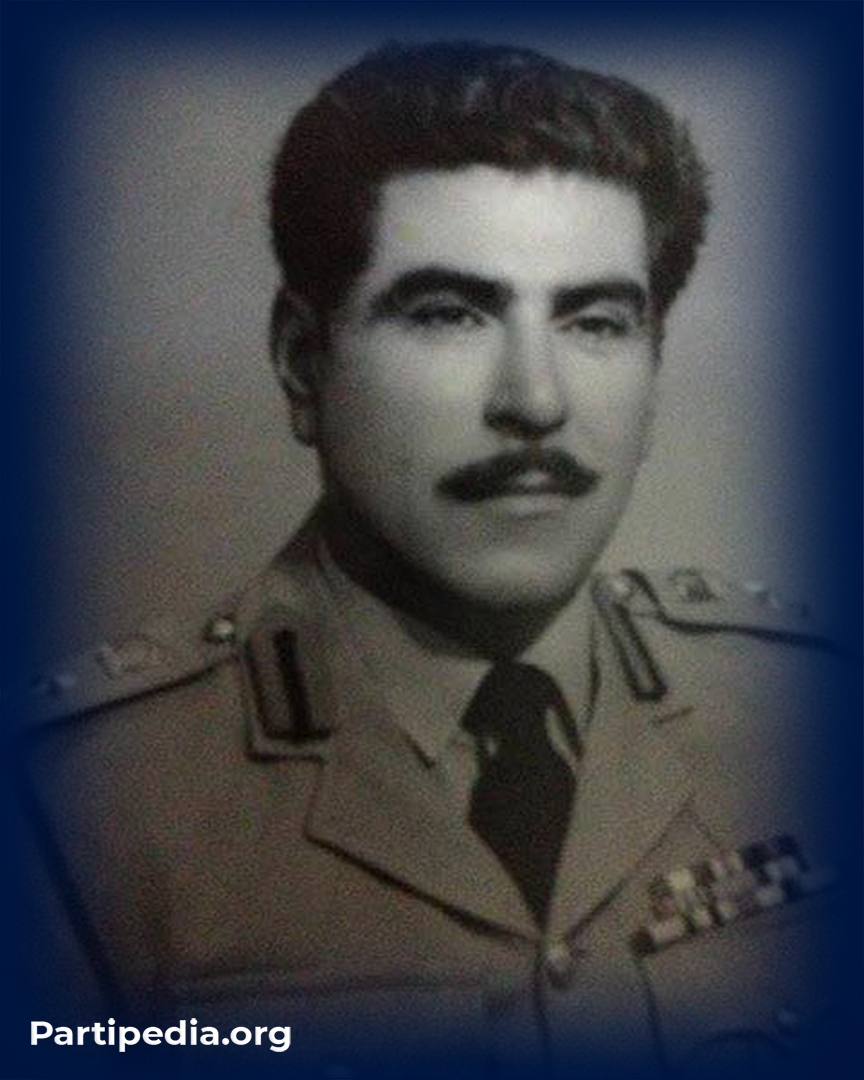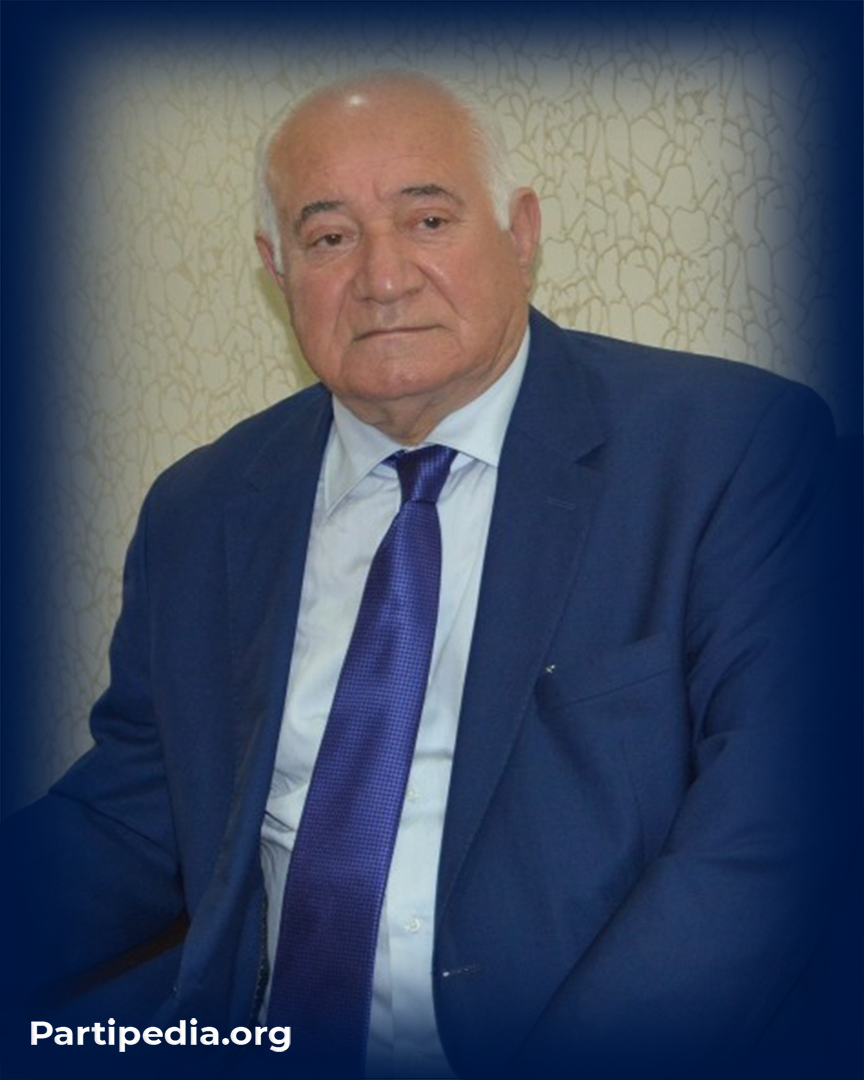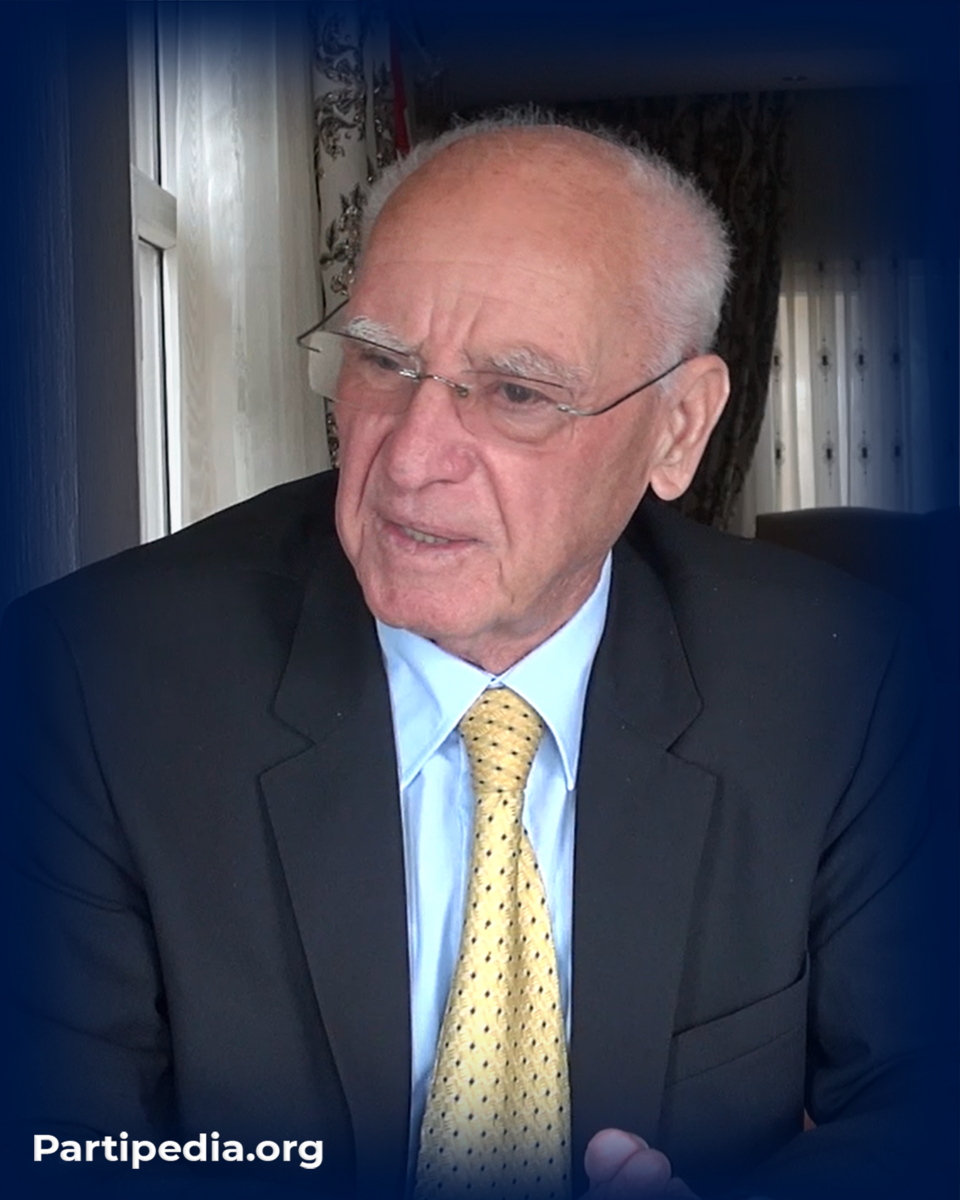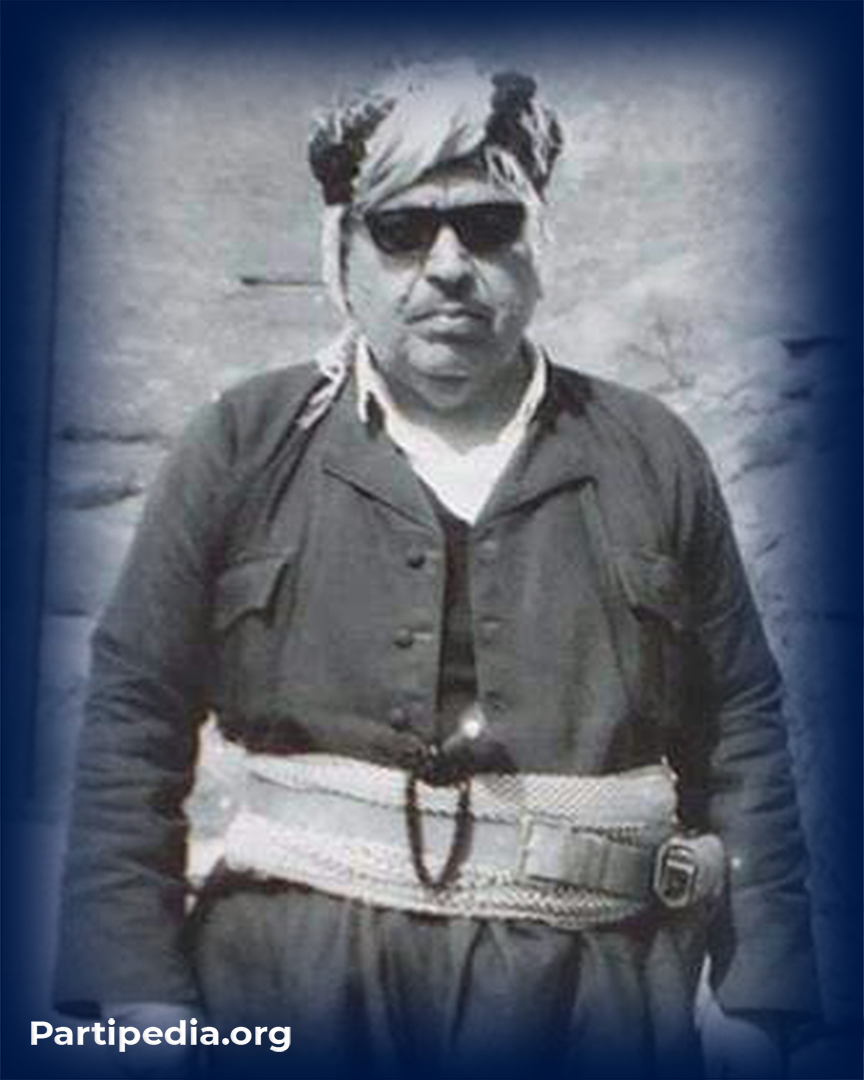


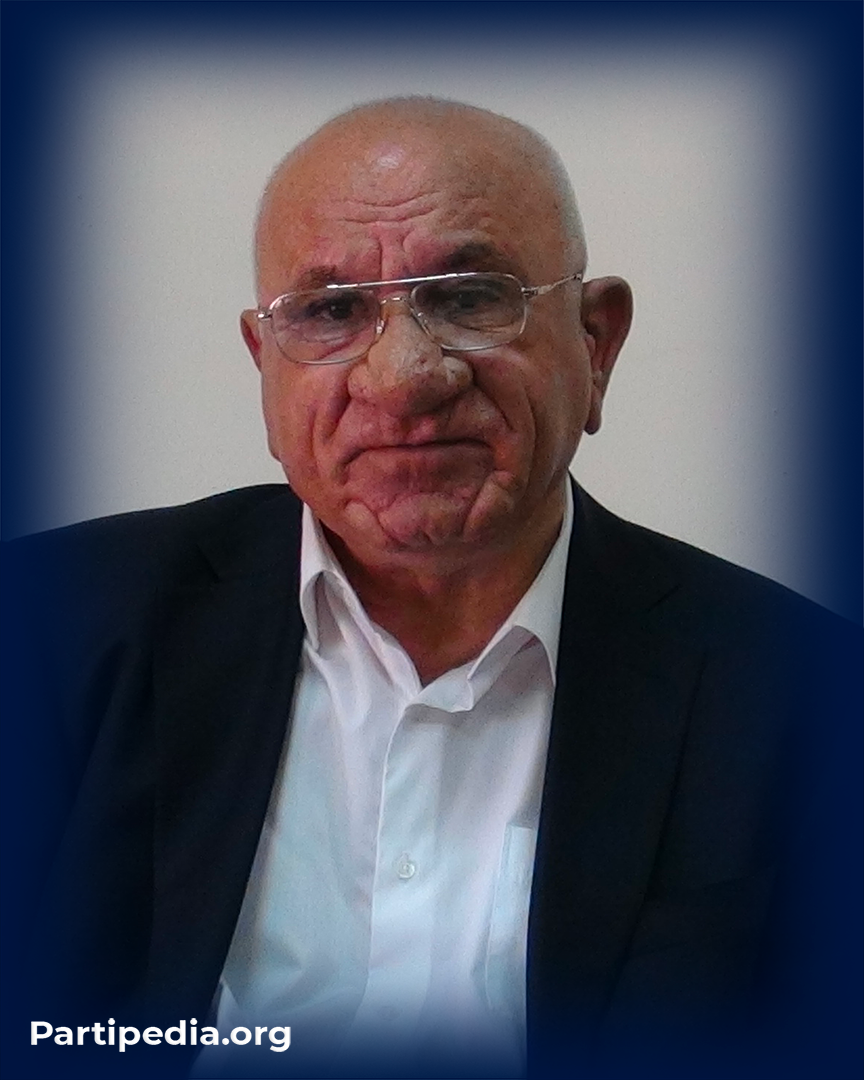
Writer and politician Barzan Khalid Aziz, known by the names Barzan Mullah Khalid and aunt Barzan. In 1966, he contacted the Kurdistan Peshmerga forces and emigrated to Iran in 1975. He joined the Kurdistan Democratic Party in 1982, and was elected as a Reserve Member of the Central Committee of the Kurdistan Democratic Party - United at its eleventh congress in 1993. On May 8, 1993, he became Assistant to the Ministry of Education of the Kurdistan Regional Government in the first cabinet. He passed away in 2020.
Biography
Barzan Khalid Aziz was born in 1944 in the city of Erbil. His father, Mullah Khalid Aziz Murtkeyi (1910 - 1981), was a cadre of the Kurdish Youth Party and a close friend of the Naqshbandi Sheikhs of Tekiye in Barzan. Barzan Mullah Khalid was a second-year high school student in the city of Erbil. However, he did not complete his education due to political activities. In the years (1971 - 1974), he was an employee of the Central District Governorate of Erbil. He knew all three languages, Kurdish, Arabic and Persian. He passed away on Tuesday, August 25, 2020, in a hospital in Ankara and was buried in the city of Erbil.
Worksheet
Barzan Khalid Aziz contacted the Peshmerga forces of the fourth division of the second battalion of the Safin force, which was attached to the second army, in February 1966. In addition to his Peshmerga work, he played an active role as a communications cadre and in 1967 he became a member of the Safin Magazine Writers' Committee, an organ of the second division of the Kurdistan Democratic Party, and in 1968 he became the speaker of the Kurdish dialect of the Voice of Kurdistan (Radio) in the liberated areas of the September Revolution.
In 1970, he was a delegate to the eighth Congress of the Kurdistan Democratic Party in the village of Nawpirdan, in the Erbil province. In 1974, with the Iraqi army's attack on the liberated areas of the September Revolution, in addition to his reporting work, he contacted the ranks of the Peshmerga forces for the second time.
In 1975, after the defeat of the September Revolution, he emigrated to Iran, but soon returned to Southern Kurdistan and was exiled to the city of Fallujah on the border of Anbar province in western Iraq. In 1979, he was given the deadline to return to the city of Erbil. In the same year, he contacted the ranks of the Peshmerga forces of the Kurdistan Socialist Party and worked in the communications department, and by 1982, he had transferred his position to the ranks of the Kurdistan Democratic Party.
He was established as a member of the Writers' Committee of the Kurdistan Democratic Party's Communication Department in 1983, and became a member of the School of the Communication Department in 1984, and worked at the Voice of Kurdistan Radio in 1985. On July 16, 1985, he was appointed as the assistant director of the communication department of the Kurdistan Democratic Party, and in the same year, he became a member of the party and responsible for the communication department in the second party committee of the Kurdistan Democratic Party. In 1988, he became the representative of the Kurdistan Democratic Party in the communication department in the Kurdistan region.
In 1989, he was a delegate to the tenth congress of the Kurdistan Democratic Party in Eastern Kurdistan. In 1991, he participated in the Southern Kurdistan uprising and in 1992, he was elected as a member of the Kurdistan National Council on the Kurdistan Democratic Party list in the first round.
In 1993, at the eleventh congress, he was elected as a member of the central committee of the Kurdistan Democratic Party - United, and in the same year, he became the Assistant to the Ministry of Education of the Kurdistan Regional Government in the first cabinet.
In 2010, he was a delegate and speaker at the thirteenth congress of the Kurdistan Democratic Party and was awarded the Barzani Medal of Immortality by the President for his participation in the September Revolution, the May Revolution, the uprising in Southern Kurdistan, and the period of sovereignty. Masoud Barzani has received.
Source:
1- The Voice of Kurdistan (Radio), the clear voice of revolution and national struggle and the height of truth, the magazine Voice of Peshmerga, issue 126, Hewlêr, Mukriyani Press, September 2008.
2- Who was Barzan Mullah Khalid? Xebat Newspaper, Organ of the Kurdistan Democratic Party, Issue 2015, Hewlêr, Sunday, October 4, 2020.
3- Barzani Mullah Khalid, A Commentary on the Voice of Kurdistan, Xebat Newspaper, organ of the Kurdistan Democratic Party, issue 237, Wednesday, September 9, 1992.
4- Bekir Barzanceyî, Famous Kurdish Personalities, sixth volume, (Beirut - Lebanese Intellectual Foundation for Publishing, Editing, Translation and Distribution 2012).
5- Cemal Xeznedar, Encyclopedia of Kurdish Journalism 1898 - 2010, first volume, (Hewlêr - Kurdistan Journalists' Union - Hacî Hashim Publishing House 2011).
6- Hamid Gewheri, Barzani Medal, the highest literary award, first cover, (Hewler - Barzani Charity Organization - Haji Hashim Press 2014).
7- Xalid Kakeyî, Voice of Kurdistan of Iraq. On the theater of the Great September Revolution, Xebat newspaper, organ of the Kurdistan Democratic Party, issue 637, Wednesday, September 9, 1992.
8- Yesterday's Newroz in memory of Barzan Mullah Khalid, Birayeti Newspaper, organ of the Kurdistan Democratic Party - United, issue 2161, Pirmam, Sunday, March 24, 1996.
9- The history of the cadres of the Kurdistan Democratic Party, from the mountains to the city, (Hewlêr - Kurdistan Democratic Party Evaluation and Research Center and Academy - Rojhilat Publishing House - 2019).
10- Karwan Mihemed Sîno, Barzan Mella Khalîd, the clear voice of the revolution, Xebat newspaper, organ of the Kurdistan Democratic Party, issue 5994, Hewlêr, Wednesday, August 26, 2020.
11- Mihemed Mela Qadir, A brief history of the Kurdistan Democratic Party and the culture of the Barzani Nemir, second edition, (Aras Publishing House - Aras Press 2012).