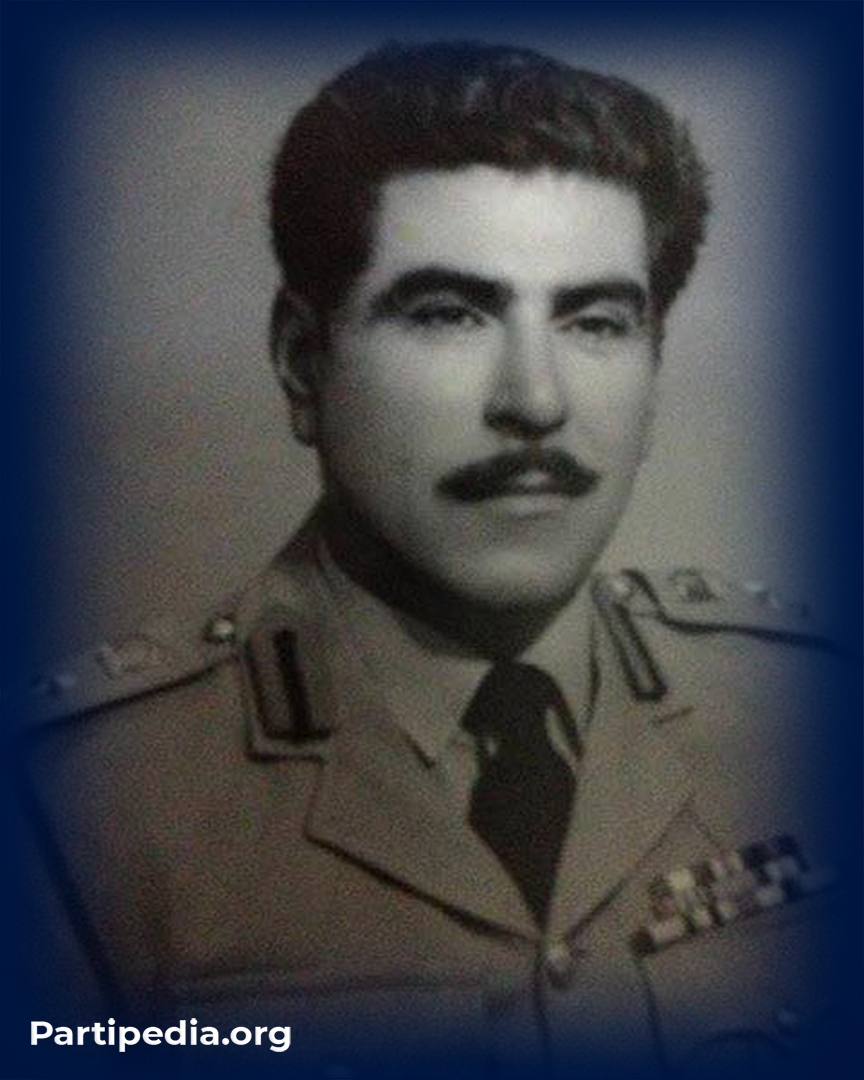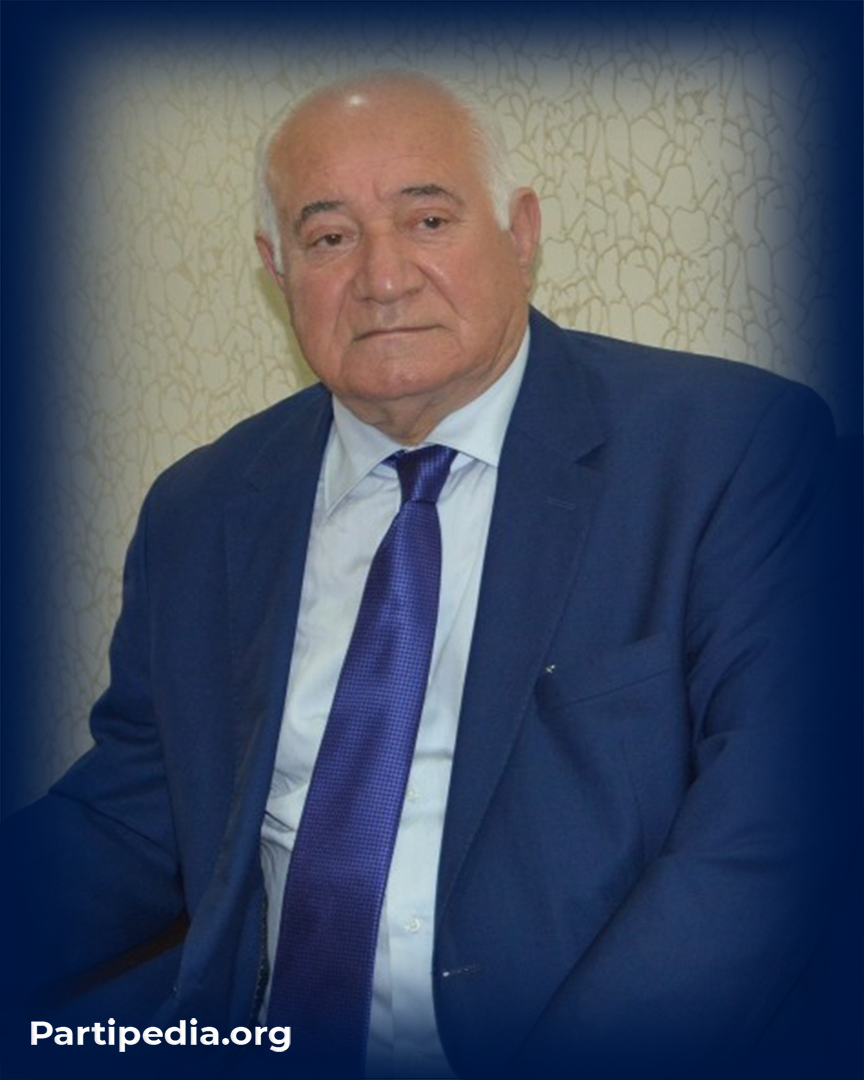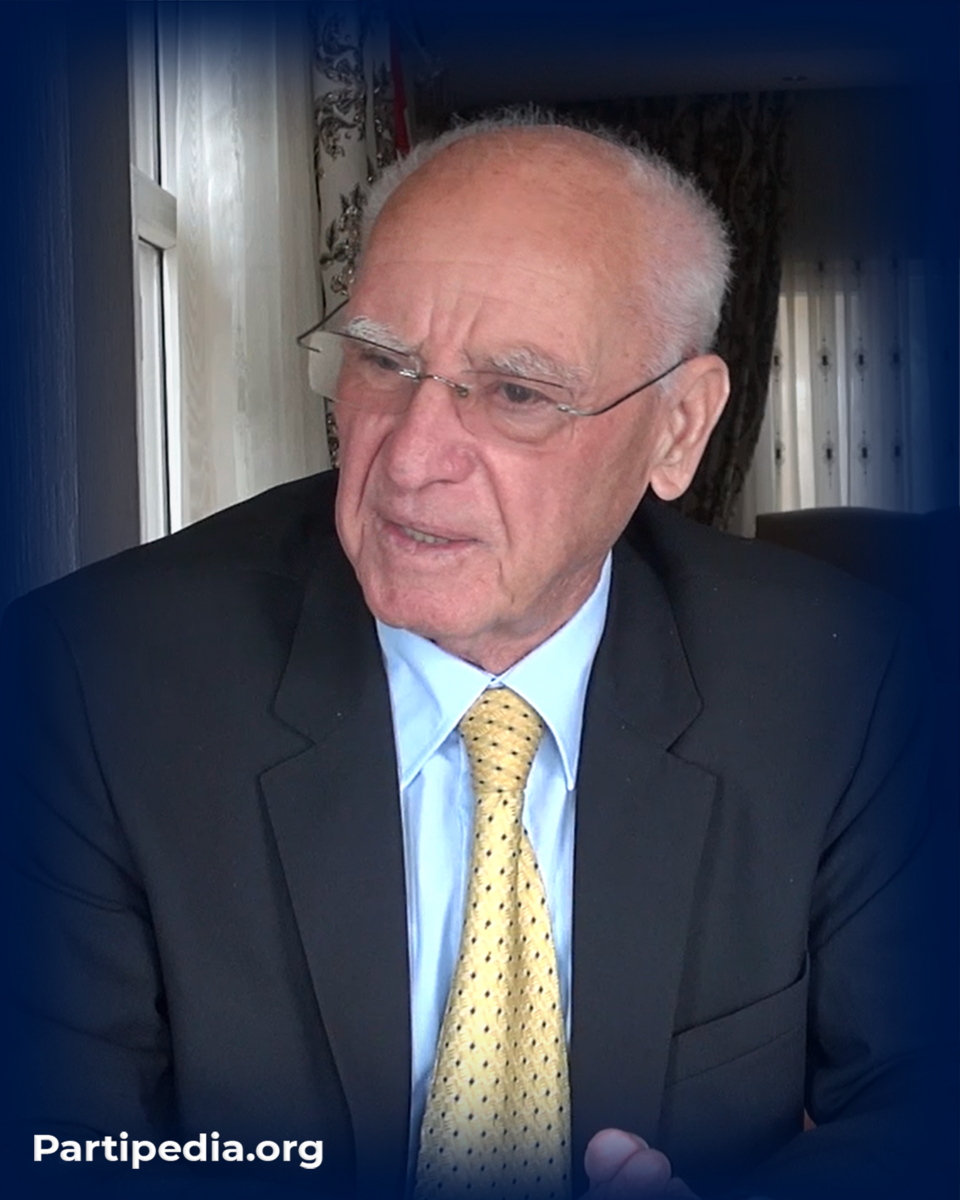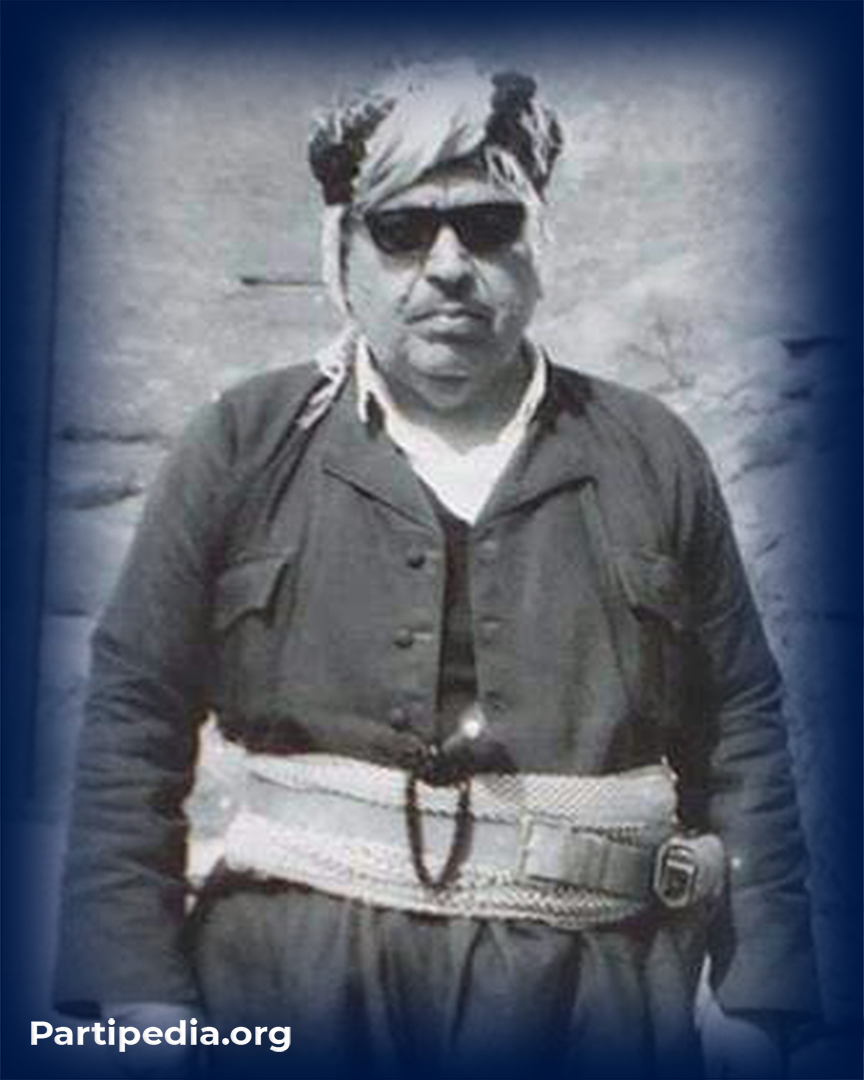


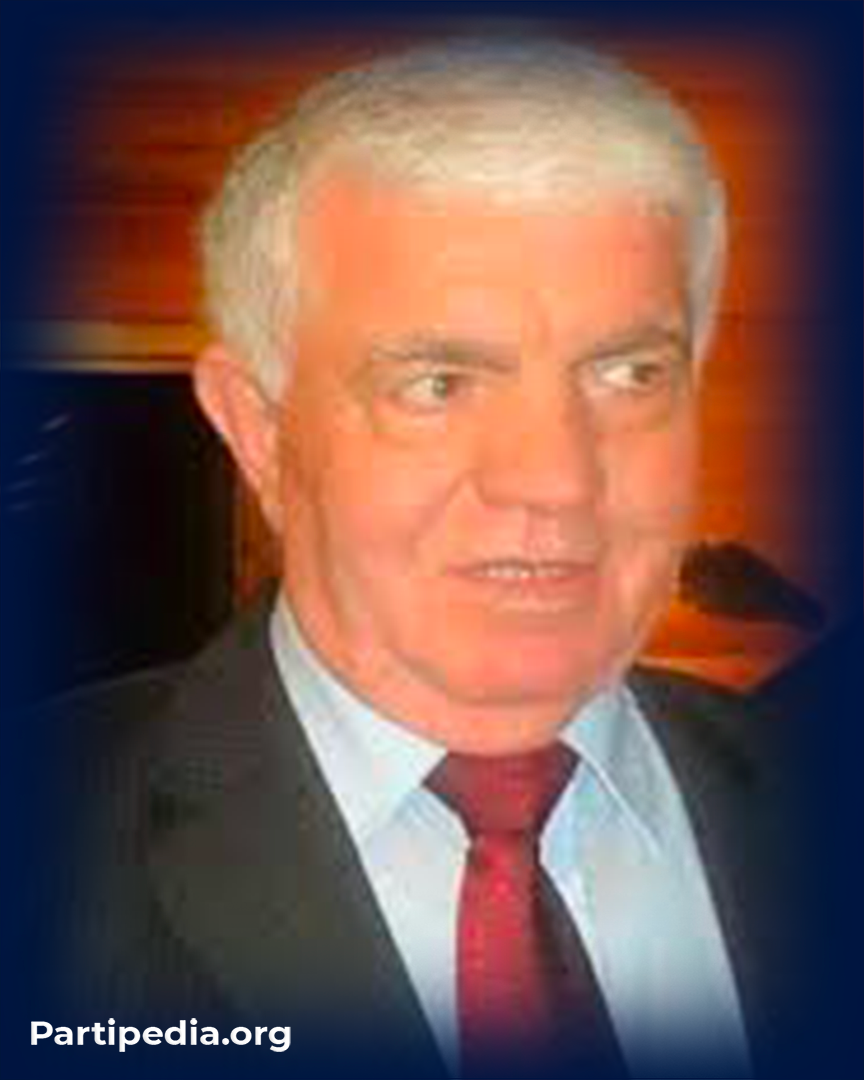
Abdulqadir Aziz Muhammad Qadir, known as (Qadir Jabari), was a commander and politician. In 1970, he was elected as a member of the central committee of the Kurdistan Democratic Party at the eighth congress. At the end of 1977, he became a member of the founding board of the preparatory committee of the Kurdistan Democratic Party in Damascus. In 1979, he was elected as a member of the central committee of the Kurdistan Unity Socialist Party at the Goreshër unification conference. In 1981, he was elected as a member of the central committee at the first congress of the Kurdistan Socialist Party. In 1985, he became a member of the political school of the Kurdistan Party. In 1988, he was elected as the secretary of the working office (Al Mekteb Al Tanfizi) of the Kurdistan Front and a member of the communications department. In 1992, he was elected as a member of the central committee of the Kurdistan Unity Party by the representatives of the first congress. In 1993, he was elected as a member of the central committee of the Kurdistan Democratic Party - United at the fourth unification and eleventh congress. On April 25, 1993, he took the legal oath as Minister of Justice in the Kurdistan National Council (Parliament of Kurdistan) in the second phase of the first cabinet of the Kurdistan Regional Government. On January 18, 1996, he became Minister of Finance of the Kurdistan Region in the third cabinet. In 1999, he was elected as a member of the central committee of the Kurdistan Democratic Party at the twelfth congress.
Biography
Abdulqadir Aziz Muhammad Qadir was born in Kirkuk. In 1958, he joined the ranks of the Kurdistan Democratic Party. In 1959, he became the head of the Chamchamal organization of the Qutabi (student) Union of Kurdistan. In 1974, he became a member of the Southern Kurdistan Refugee Affairs Committee in Iran. In 1975, after the defeat of the September Revolution, he went to Iran as a refugee. In 1976, he left Iran for the Syrian Arab Republic. He passed away in 2017 in Erbil. He was fluent in Kurdish, Arabic and Persian.
Worksheet
Abdulqadir Aziz Muhammad Qadir was the head of the Shiwan and Sheikh Bizen district committee of the Kurdistan Democratic Party's third branch committee from (1965-1970). From November 1968 to February 1969, he attended the first class of the Kurdistan Democratic Party's cadre training course in the village of Choman in the Erbil province. On March 1, 1969, he was one of the commanders of the Babagurgur operation to attack the Kirkuk oil company. In 1969, he became the Deputy Commander of the Liberation Force of the third branch. In 1970, he was elected by the representatives of the congress as a member of the central committee of the Kurdistan Democratic Party with a vote of 99 members. In 1970, he became the secretary of the fourth branch committee of the Kurdistan Democratic Party. In 1971, he became the President of the Sulaymaniyah Chapter of the Kurdish Intellectuals Association. In 1971, he hosted the world championship of Adnan Al-Qaysi at the headquarters of the Chapter Four. On August 16, 1971, he read the Chapter Four chapter's speech on the occasion of the silver jubilee of the 25th anniversary of the founding of the Kurdistan Democratic Party in the city of Sulaymaniyah.
In June 1972, he was elected as a member of the executive committee by the representatives of the Sulaymaniyah branch of the Kurdish Intellectuals Association. On June 19, 1972 (Martyr's Day), he attended the commemoration ceremony of the four martyred officers and party leaders, Xeyrula Abdulkarim, Mustafa Mustafa Khosnaw, Muhammad Mahmud Qudsi and Izet Abdulaziz, at the Seywan Hill Cemetery in Sulaymaniyah, as a representative of the fourth branch, and read a speech. In 1973, he became the head of the third branch of the Kurdistan Democratic Party, and from January 1, 1974 until the defeat of the September Revolution in March 1975, he was first appointed as the head of the branch of the Kurdistan Democratic Party's second branch. At the end of 1977, he became a member of the founding board of the preparatory committee of the Kurdistan Democratic Party in Damascus. In 1977, he returned to Southern Kurdistan to continue his work on the road to Northern Kurdistan. In 1978, he worked with the Iraqi regime in the Qandil region of Sulaymaniyah province. In 1978, he participated in the Bexeliski meeting on the border of Sulaymaniyah province to discuss the Hakkari war and the further integration of the Patriotic Union of Kurdistan forces with the forces of the interim leadership of the Kurdistan Democratic Party. In 1978, he helped to calm the conflicts between the Kurdish factions in Southern Kurdistan.
In 1979, he was elected as a member of the central committee of the Socialist Party of Kurdistan (Goreshër Unification Conference) by the congress delegates. In 1981, he was elected as a member of the central committee of the Socialist Party of Kurdistan at the first congress by the congress delegates. On November 18, 1980, he sat with his friends, representatives of the Kurdish Socialist Party (PASOK) and the Iraqi Communist Party, in the Mirave area of Eastern Kurdistan, under the leadership of the Kurdistan Democratic Party of Iran, to lift the ban on entering and leaving Eastern Kurdistan imposed on them by the Kurdistan Democratic Party of Iran, but they were unsuccessful. In 1985, he became a member of the political school of the Socialist Party of Kurdistan. In 1988, he was elected as the secretary of the working office (Al Mekteb Al Tanfizi) of the Kurdistan Front and a member of the communications department. In 1991, he was in charge of the Kurdistan Front in the city of Kirkuk. In 1991, he participated in the liberation of the city of Kirkuk. On March 19, he participated in the Kurdistan Front meeting with the aim of determining the date of the Kurdistan National Council elections and the economic and security situation in Southern Kurdistan, representing the Kurdistan Socialist Party. In early 1992, he participated in the Kurdistan Front meeting with the aim of establishing the high committee for supervising the Kurdistan National Council elections, representing the Kurdistan Socialist Party. On April 7, 1992, he participated in the Kurdistan Front's extensive meeting with the aim of preparing for the Kurdistan National Council election process, representing the Kurdistan Socialist Party. From January 23 to 28, 1992, he was a member of the fifteen-member committee on behalf of the Kurdistan Front to write the draft law of the Kurdistan National Council.
In 1992, he was a candidate on the unified list in the Kurdistan National Council election process. In 1992, he was elected as a member of the central committee of the Kurdistan Unity Party by the representatives of the first congress. In 1992, he was responsible for the communications department of the Kurdistan Unity Party. In 1993, he was a representative of the second congress of the Kurdistan Unity Party in the city of Erbil. In 1993, he was elected as a member of the central committee of the Kurdistan Democratic Party - United by the representatives of the congress at the fourth unification and at the eleventh congress. On April 25, 1993, he took the legal oath as Minister of Justice in the Kurdistan National Council in the second phase of the first cabinet of the Kurdistan Regional Government. On January 18, 1996, he became Minister of Finance of the Kurdistan Region in the third cabinet. In 1999, he was elected as the eighth member of the central committee of the Kurdistan Democratic Party by the representatives of the twelfth congress. On Saturday, August 12, 2000, he attended the first congress of Kurdistan Chemists in the city of Erbil, represented by President Masoud Barzani. In 2003, he became the head of the fourth branch of the Sulaymaniyah branch. On Wednesday, January 15, 2003, he attended the joint meeting of the high peace committee between the Kurdistan Democratic Party and the Patriotic Union of Kurdistan in the city of Pirmam. On Thursday, May 6, 2004, he attended the opening ceremony of the first congress of the Kurdistan Defenders Party in the city of Erbil, as a representative of the Kurdistan Democratic Party. On June 18, 2004, he was a representative of the Kurdistan Democratic Party - United, and was elected to the five-member high council of the parties for the ceasefire in the Qaladiz and Pishdar areas of Sulaymaniyah province. In 2004, he was appointed head of the central school for national and Kurdish relations of the Kurdistan Democratic Party. In 2005, he was established as a member of the central supervisory and monitoring board of the Kurdistan Democratic Party. In 2010, he was a representative of the thirteenth congress of the Kurdistan Democratic Party. He passed away on November 12, 2016 in the city of Erbil. He was fluent in Kurdish, Arabic and Persian.
Source:
Kurdistan Democratic Party Encyclopedia Committee Archives.