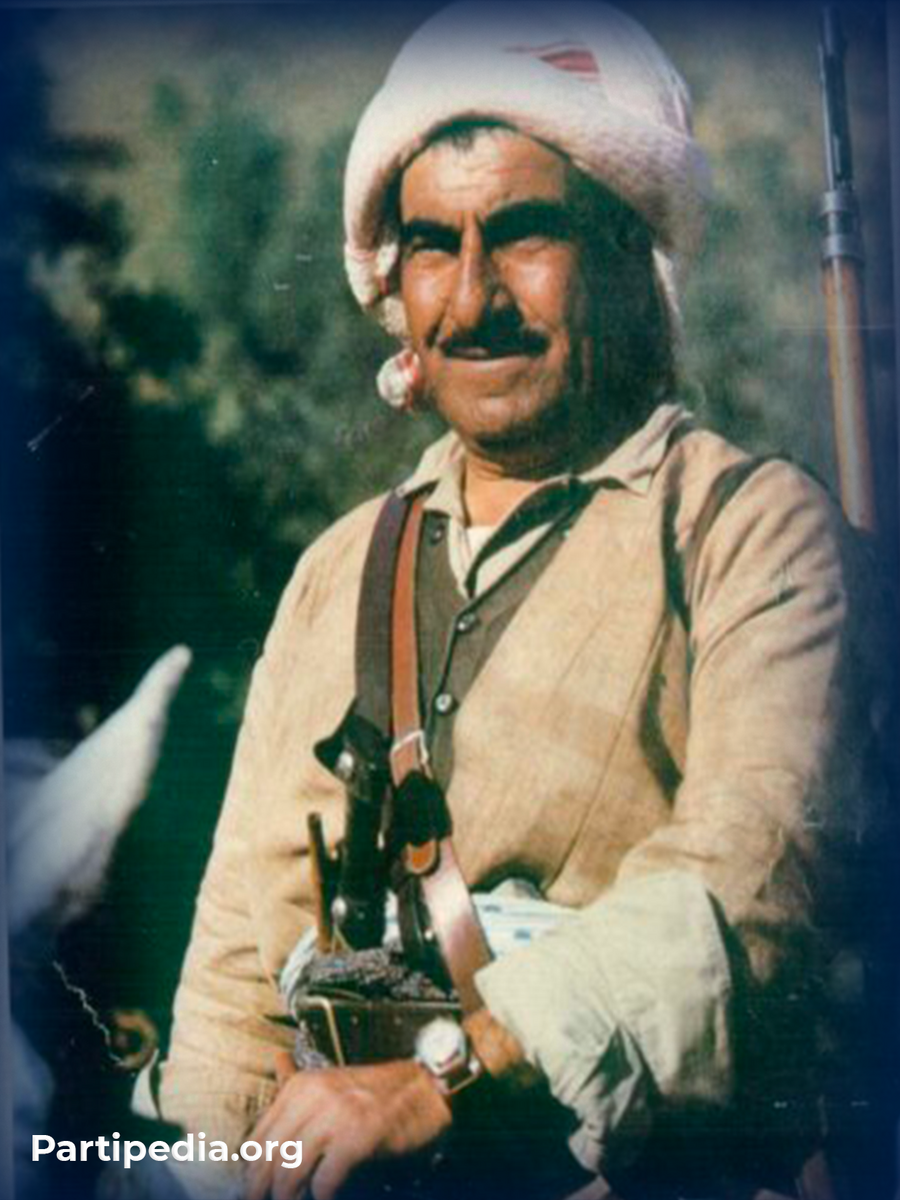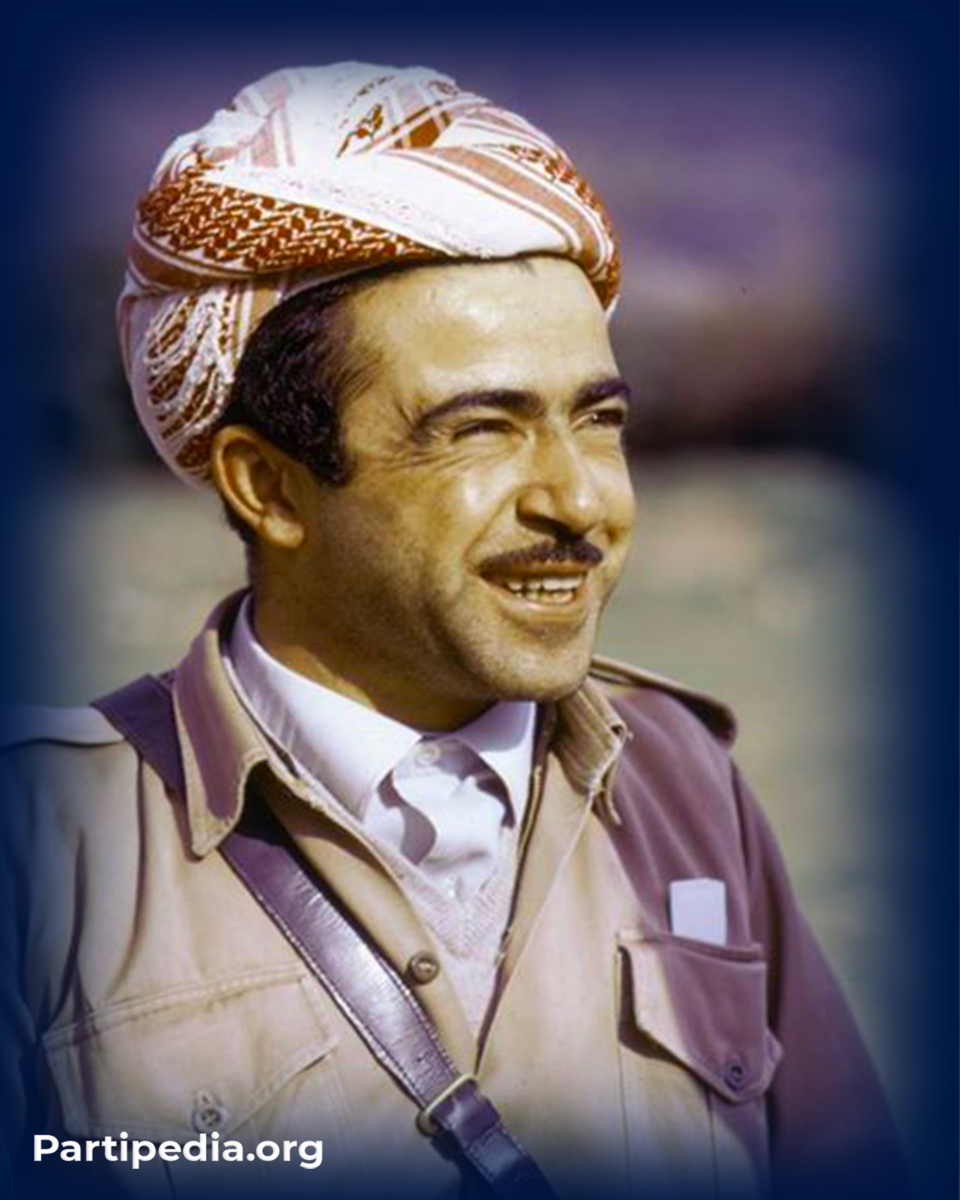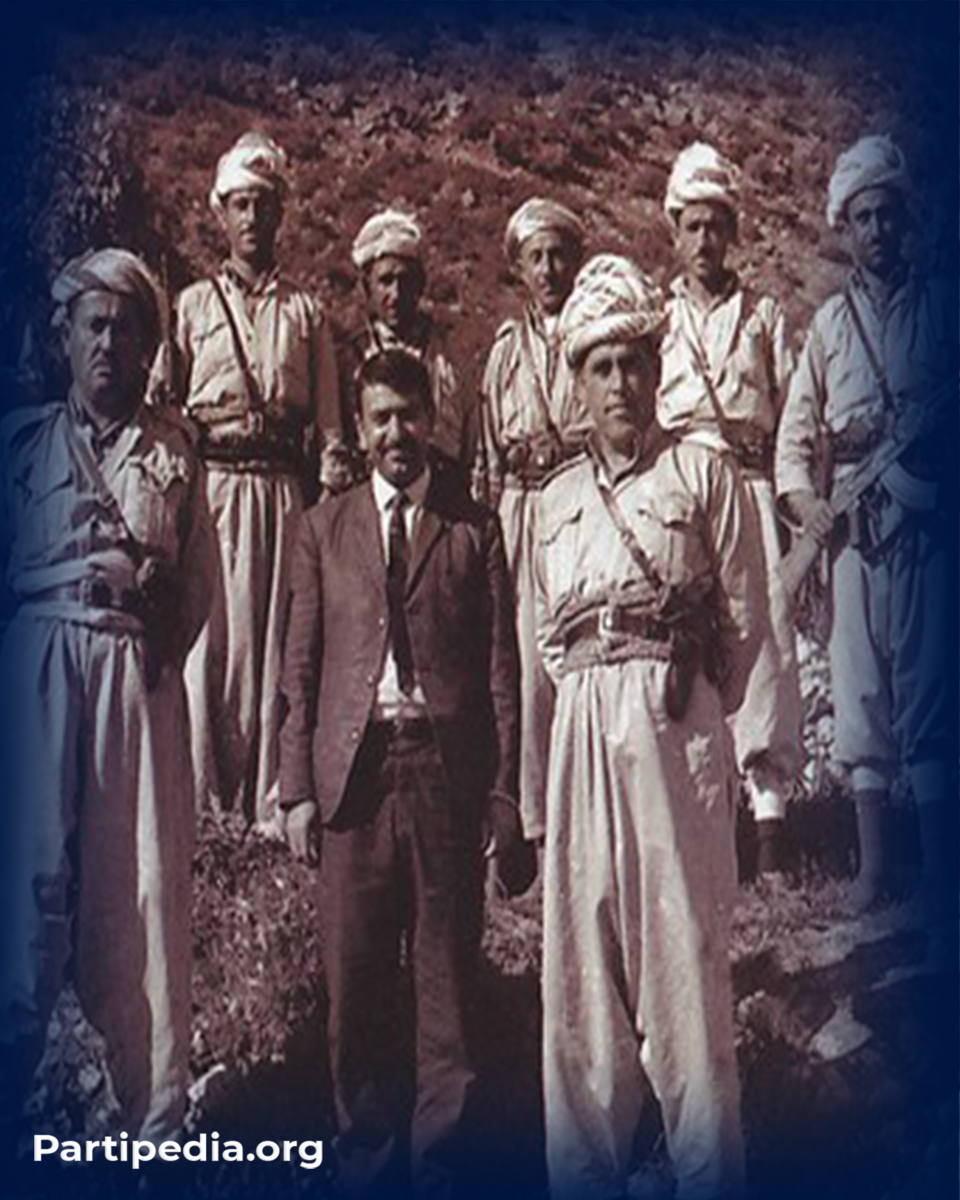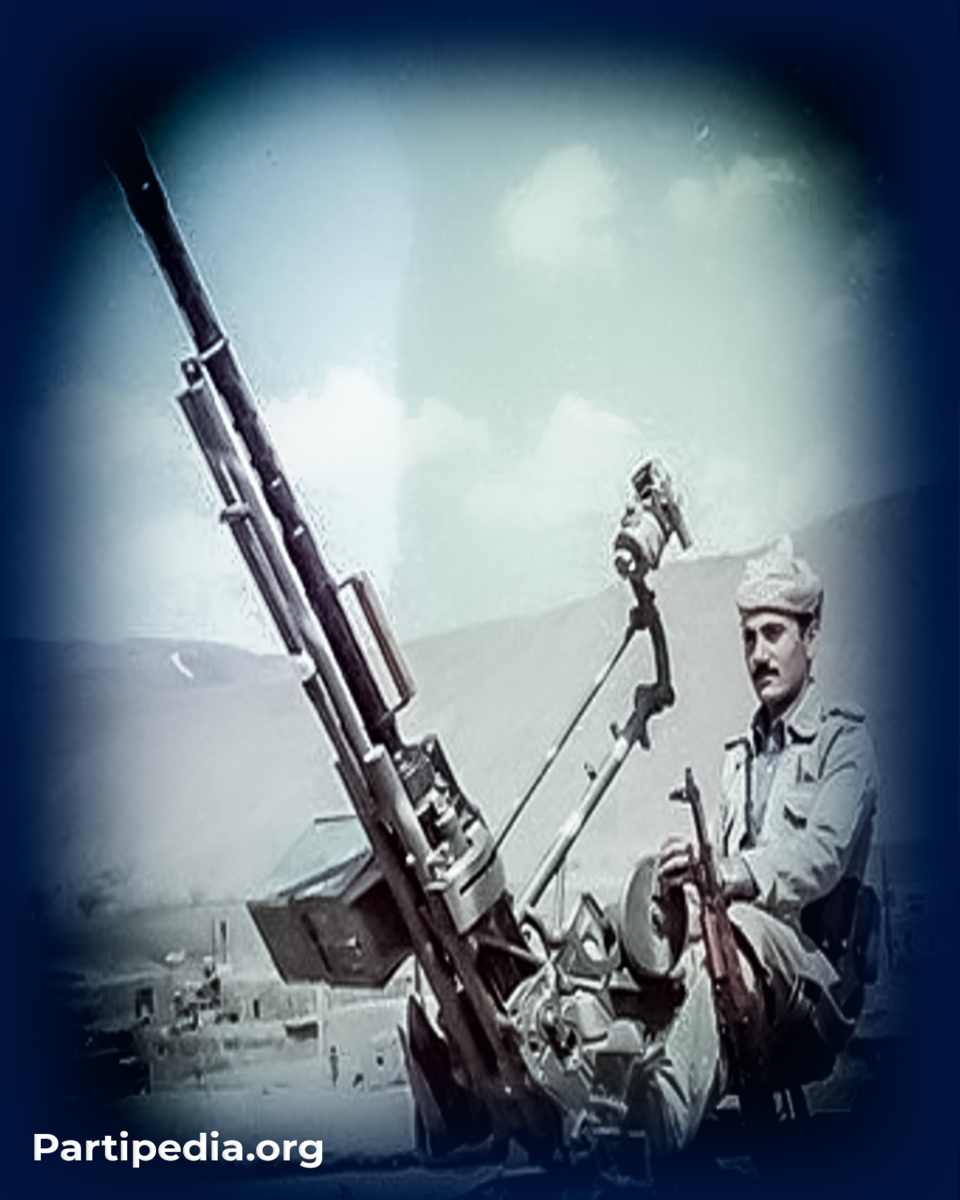


For the siege September Revolution and the end of the Kurdish liberation struggle in Iraqi Kurdistan, an agreement was signed on March 6, 1975, with the mediation of the Algerian government, between the Iraqi government and the Shah of Iran, which was later called the Algiers Agreement It was recognized that the encirclement of the Kurdistan Revolution and the weakening of the liberation movement were among its main points. According to the agreement, the Ba'th regime handed over half of Shatul Arab to Iran. In return, Tehran would fully assist the Ba'th regime in encircling the Kurdistan Revolution led by Mustafa Barzani, as emphasized in the text of the agreement, taking security measures for this. Algiers Agreement It is seen as one of the regional and international plans against the Kurdistan liberation movement.
Reason:
On March 26, 1974, after several rounds of negotiations between the Iraqi government and the leadership had failed, September Revolution In 1970, the Ba'ath regime once again declared war on the Kurds, which had been suspended for several years due to the March 11, 1970 agreement. The government disbanded all border guard battalions and fighting between the Peshmerga and the regime army resumed, with army artillery beginning to bombard Peshmerga-controlled areas on the Iranian border that month.
In mid-April, the government's attacks on areas under the control of the revolution began. On April 15, 1974, the regime army moved from Mosul to Zakho. The Iraqi army's goal was to capture the Zakho base. After fierce fighting and clashes on May 8, the government achieved its goal and took control of Zakho. On April 24, 1974, the Iraqi air force attacked the city of Qal'adiz and bombed the Sulaymaniyah University campus. Two days later, on April 26, regime aircraft bombed Halabja and its surroundings. Then, on April 29, the Galala Bridge was bombed.
With the arrival of summer, the regime army resumed its attacks. On September 8, 1974, the regime army forces attacked Gelale, Rawandiz and Haji Omaran with tanks and aircraft, and on September 19, they attacked the main road connecting Rawandiz to Bexal with tanks and armored vehicles on the road between the Korek and Bexal mountains. As a result, the Peshmerga forces were forced to retreat to Zozikê, Hendrin, the Omer Axa Valley and the Akoyan Valley. After these regime attacks, the only strategic positions left in the hands of the Peshmerga were the Hendrin and Zozikê mountains on the Hamilton road.
From the beginning of the war until September 1974, the Iraqi government achieved major victories against the Kurds, capturing most of the northern territories and pushing the Peshmerga to the Iranian border. However, in early September of the same year, the balance of the war shifted again in favor of the Kurds, as the Peshmerga forces, with Iranian assistance, were able to halt the advance of the Iraqi army and even retreat and regain control in many places.
The Iraqi Ba'ath government intended to end the war by the fall and winter. September Revolution But after suffering defeats, the government announced that the war would continue indefinitely.
As the war continued, the government's losses increased manifold, and the government was forced to draw on its financial and human reserves. In economic terms, the war had cost the state a huge sum, estimated at around $3 billion. The Ba'ath regime had to find another solution to the Kurdish problem, and most Arab leaders offered Saddam Hussein a deal with Iran to stop helping the Kurds in exchange for the Iranian king's old dream.
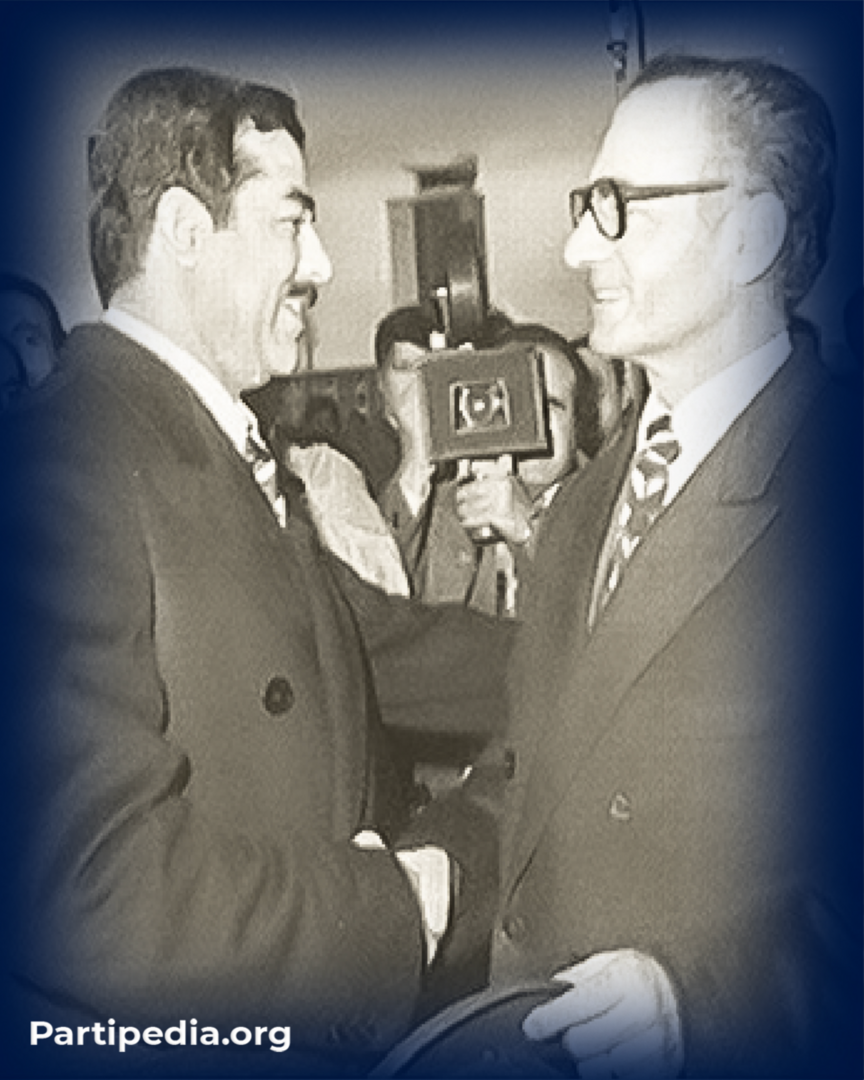
Between 4 and 6 March 1975, the OPEC meeting was held in Algiers, the capital of Algeria, with the participation of representatives of 13 member countries. The conference was attended by the Shah of Iran, Mohammad Reza Pahlavi, and the Deputy Prime Minister of Iraq, Saddam Hussein. During this period, the problems between Iran and Iraq reached their highest level. At the suggestion of the Algerian President, Hawari Boumediene, on the sidelines of the two-day conference, Mohammad Reza Shah and Saddam Hussein met twice with Hawari Boumediene in the presence of Hawari Boumediene, the second time on the evening of 5 March at the presidential palace in Algiers. Boumediene first met privately with the Shah of Iran in order to arrange a meeting with Saddam Hussein, and he succeeded in this and the Shah and Saddam Hussein met face to face. The Shah of Iran was ready to give up helping the Kurds in exchange for the acquisition of the Shatt al-Arab and southern Iraqi lands. The result of that agreement was that Iran would help Iraq contain the Kurdish revolution, protect its borders with Iraq, and no longer interfere in Iraq's internal affairs, in exchange for giving Iran some land (Shatt al-Arab) and restoring the water borders of the two countries to the 1913 Treaty of Constantinople between Iran and the Ottoman Empire, and activating the Talog Water Line as the water border (Shatt al-Arab) between the two states.
The Ba'ath regime in Iraq, for its part, supported the Iranian state in its victory. September Revolution He considered that, in return for this assistance, he was ready to fulfill the ancient dream of the Shah of Iran to return the Shatt al-Arab to Iranian territory and redraw the water borders between the two countries.
The Iranian government had been temporarily supporting the revolution in Southern Kurdistan since 1962, which was gradually supplemented by the offer of assistance from Israel and the United States. This assistance reached its peak in 1975 and led the Kurdish revolution in Southern Kurdistan towards the overthrow of the Ba'ath regime.
Saddam Hussein, then deputy prime minister of Iraq, after the defeats of the autumn of 1974, realized that his country was forced to submit to the demands of the Shah of Iran. The Iranian government, after reaping the fruits of many years of support for the Kurdish revolution in Southern Kurdistan, which it had helped with weapons at the time, agreed to put its land and army at the service of the Iraqi government to attack the Kurdish revolution in Southern Kurdistan led by General Mustafa Barzani. This was one of the secret points of the agreement between the two countries, which General Nasiri announced to General Mustafa Barzani on March 18 after his arrival in Haji Omar, and with this, there was no hope for the leadership of the revolution to continue the revolution, so the leadership of the revolution decided to temporarily stop the revolution and wait for another opportunity to start it again.
Source:
• Archives of the Encyclopedia Committee of the Kurdistan Democratic Party.