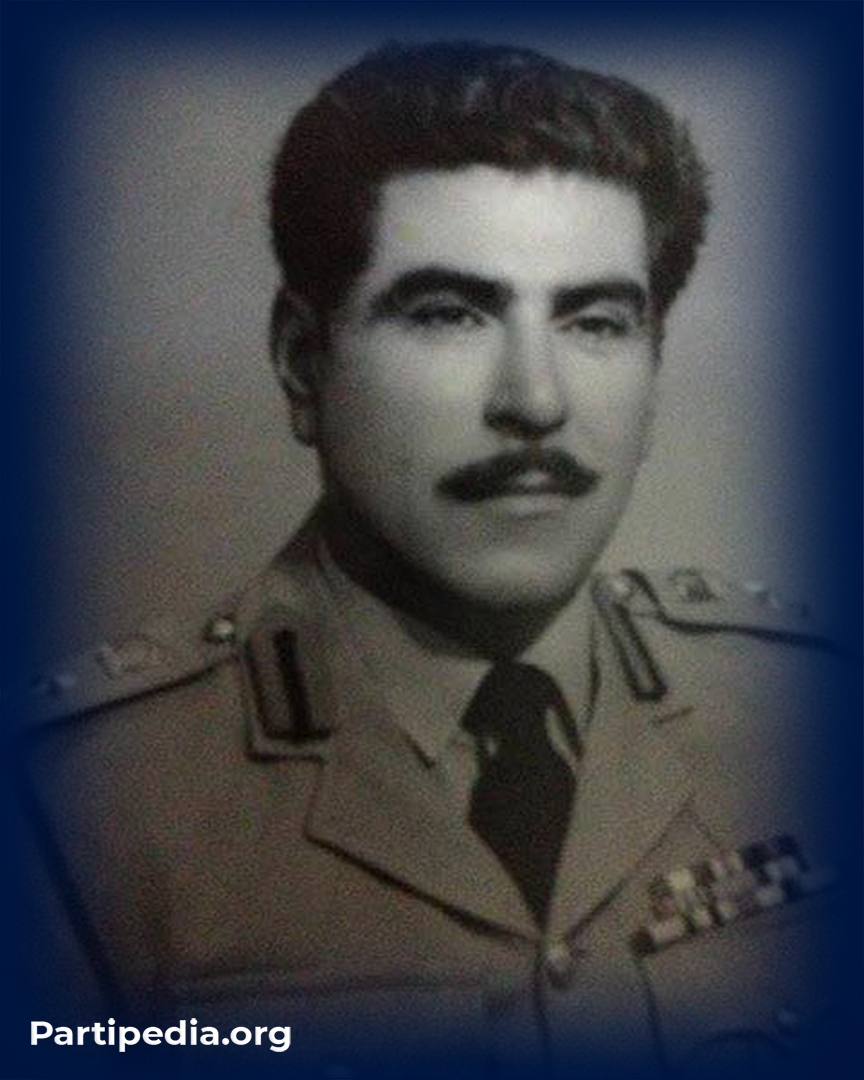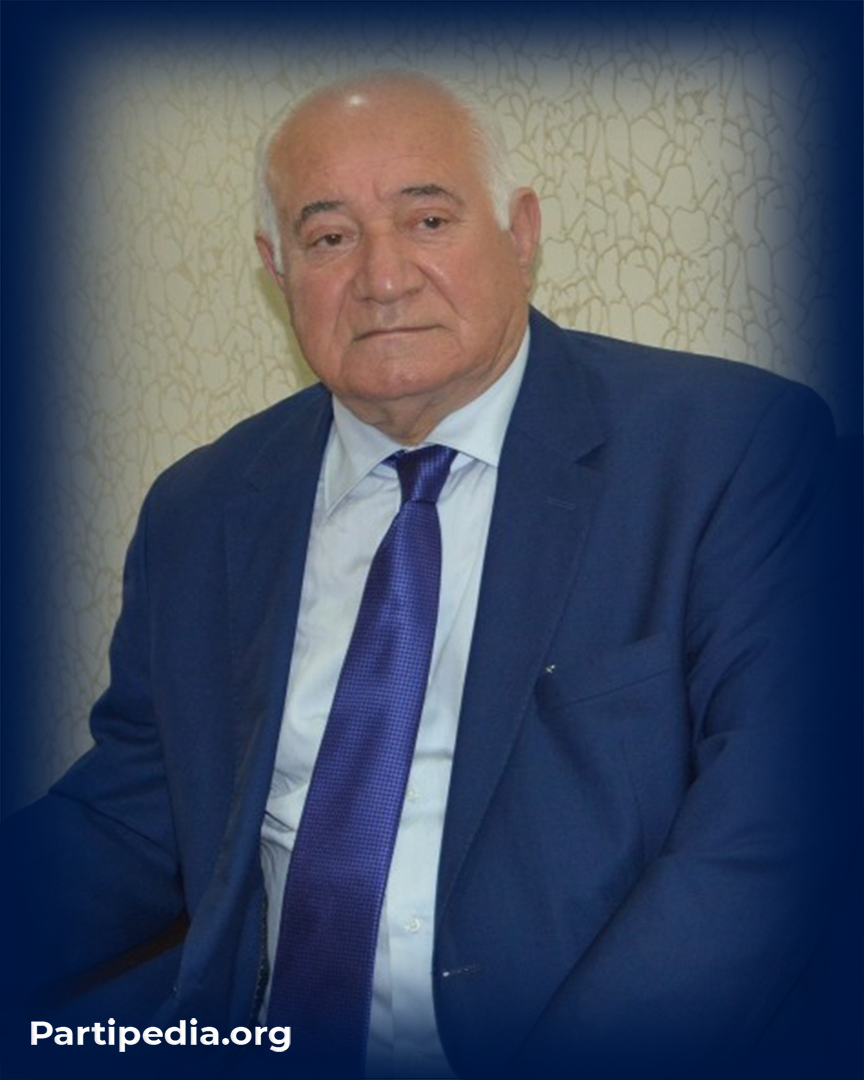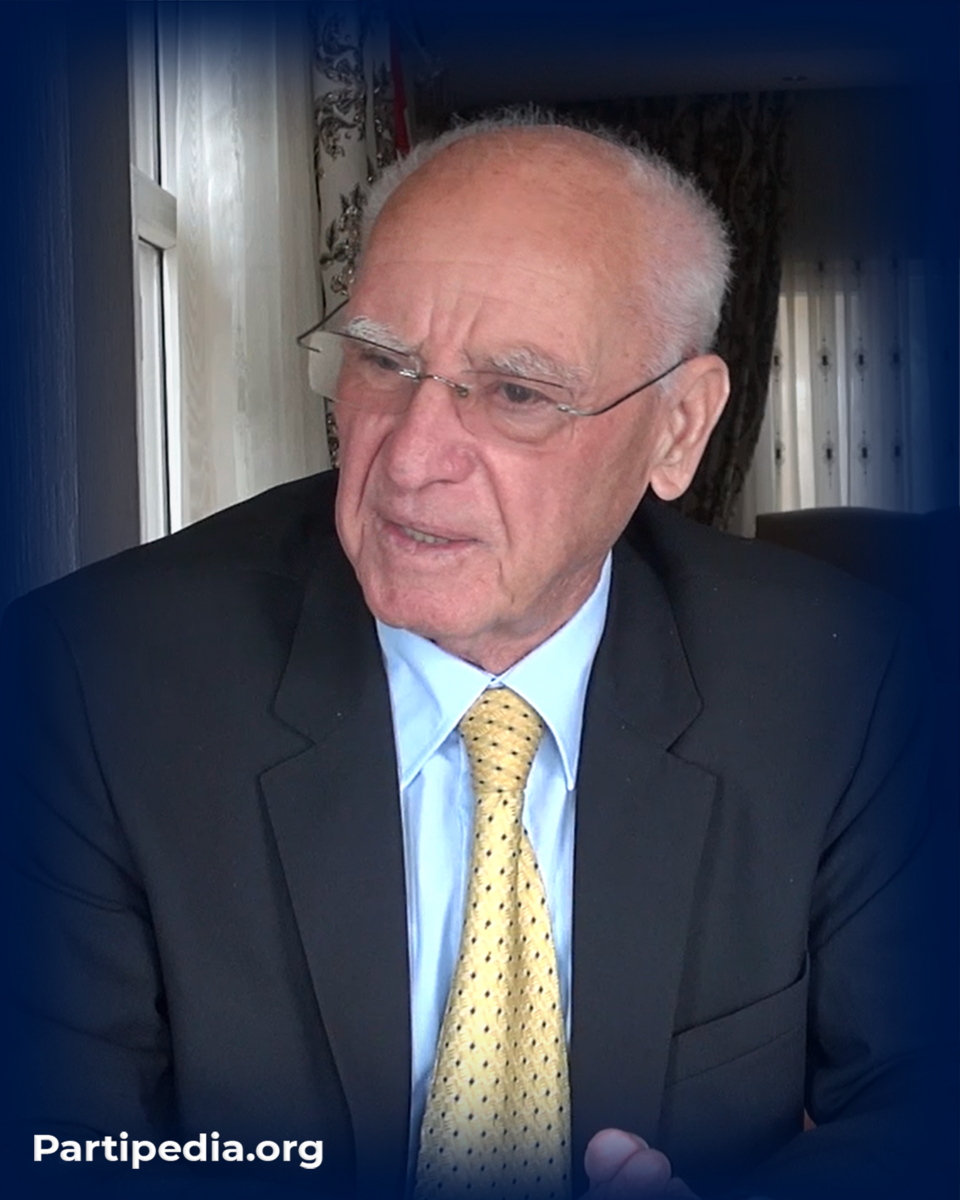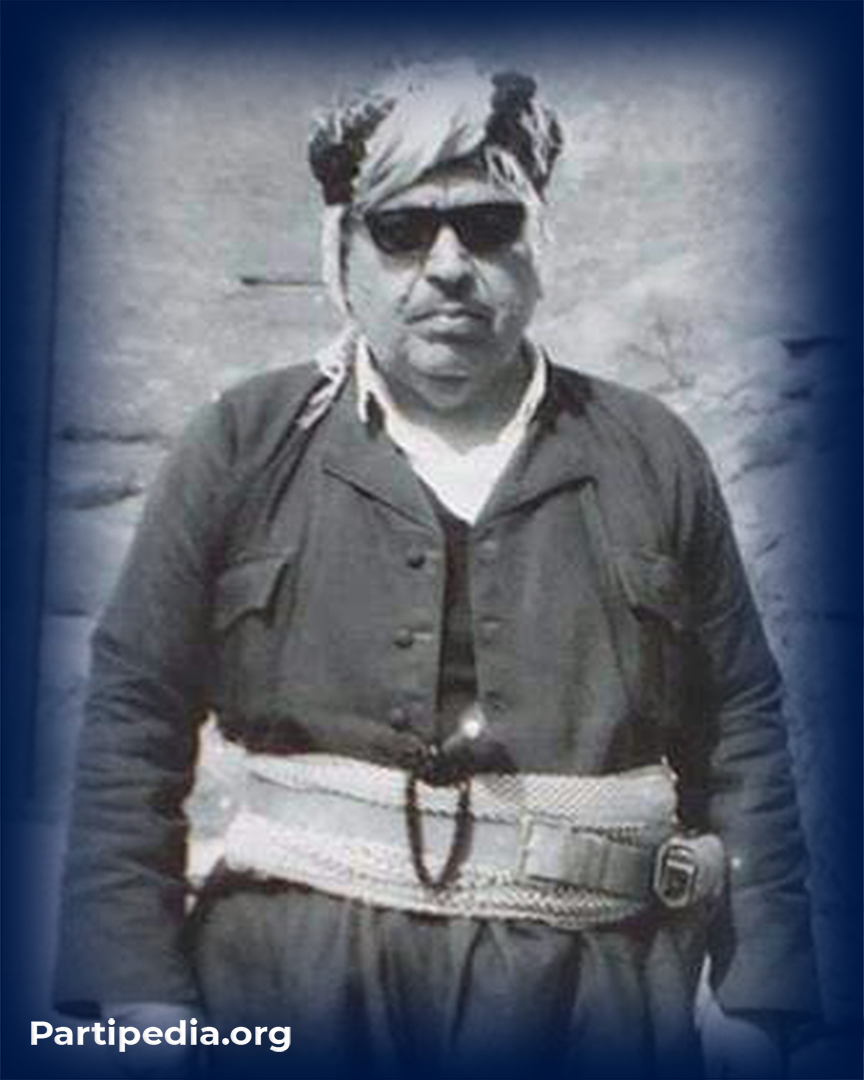


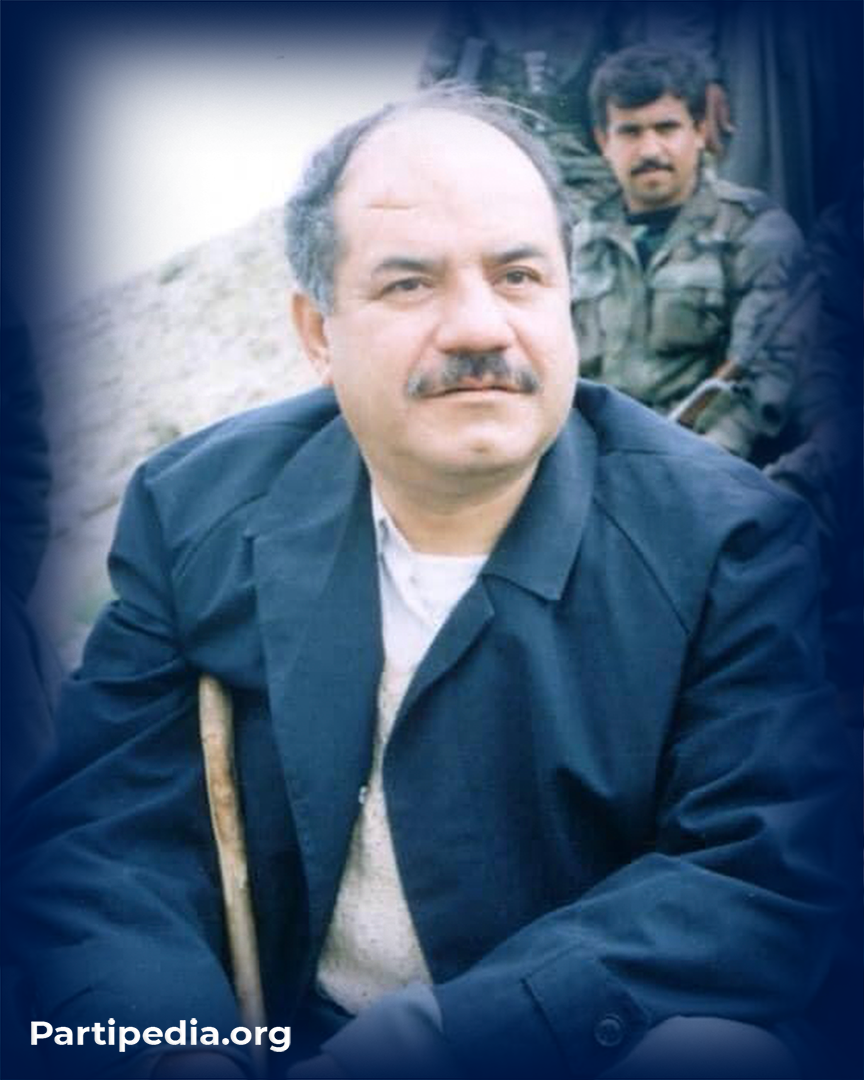
Nizamedin Abdulmajid Muhammad Can Weis, known as Nizamedin Gêli, was a jurist and politician. He became a member of the Kurdistan Democratic Party in 1962. In 1962, he became the District Administrator of Batifa (Gêli) in the province of Dohuk. In 1984, he became the Governor of Zakho. After the defeat of the revolution in 1975, he became a member of the central committee of the Kurdistan Socialist Movement in 1976 and was one of the founders of this movement. On Thursday, August 27, 1992, he was elected a member of the central committee by the representatives of the first congress of the Kurdistan Unity Party. In 1993, he was elected a member of the central committee of the Kurdistan Democratic Party - United. In 2000, he was appointed governor of Kirkuk by the Kurdistan Regional Government.
Biography
Nizamedin Abdulmajid was born in 1944 in Kirkuk province. In 1969, he received a bachelor's degree in law from Basra University. He worked as a lawyer in Kirkuk from 1968 to 1969. In 1969, he became the district administrator of Batifa (Geli) in Duhok province. In 1974, he became the governor of Zakho. In 1975-1976, he emigrated to the Iranian Shahnishin after the defeat of the September Revolution. In 1976-1979, he was expelled by the Iraqi government and forcibly transferred to the city of Samawa in Iraq. In 1981, he completed the Baghdad Judicial Academy. In 1981-1991, he was a member of the Iraqi Public Prosecutor's Office. He received his master's degree in law from Baghdad University in 1986.
In 1998, he became a lecturer in the Department of Law and Politics at Salaheddin University (Hewlêr) and from 1997 to 2000, he was a lecturer in criminal law at the Erbil Police College. He was the Chairman of the Council of the Career Development Center at the Ministry of Interior of the Kurdistan Region. He was a member of the Kurdistan Lawyers' Union and a judge. On Tuesday, March 7, 2000, he was appointed the Governor of Kirkuk by the Kurdistan Regional Government. In 2001, he became a member of the founding board of the High Council for Countering the Arabization of Kurdistan. In 2002, he became a representative of the Anfal Congress. On January 13, 2003, he became a member of the founding board of the High Council for Countering the Arabization of Southern Kurdistan and later became a member of the executive board of this committee. In 2003, he became a member of the Kirkuk Provincial Council on the list of the Kurdistan Democratic Party. He was fluent in Kurdish, Arabic and English. He passed away on Sunday, January 21, 2003, due to a traffic accident and was buried in the Te'lim Tepe cemetery in the city of Kirkuk.
Worksheet
Nizamedin Abdulmajid joined the ranks of the Kurdistan Qutabi Union in 1958. He joined the ranks of the Kurdistan Democratic Party in 1958 and was granted the honor of membership in the Kurdistan Democratic Party in 1962. In the years (1963-1964), he was a member of the district committee of the Baghdad Qutabi preparatory district, which was affiliated with the fifth branch committee. In the years (1964-1968), he participated in the ranks of the Kurdistan Qutabi Union and carried out activities at Basra University and was a member of the board of the Secretariat of the Kurdistan Qutabi Union. In the years (1964-1968), he was in charge of the Basra branch of the Kurdistan Qutabi Union. In the years (1964-1968), he was the editor-in-chief of the Kurdish Qutabi publications in Basra, which were written by hand and distributed secretly. On March 21, 1968, he participated in a week-long demonstration by students at Basra University against the killing of teachers.
In the years (1970 - 1973) he was a member of the organization in the board of the Batifa organization in the Zakho district of the first line. In the years (1983 - 1975) he was a member of the district board of the Zakho district of the first line. In 1974, he contacted the ranks of the Peshmerga forces in Behdinan. In the years (1975 - 1976) after the defeat of the September Revolution, he emigrated to the Shahnishin of Iran. In the years (1976 - 1979) he was expelled by the Iraqi government authorities and forcibly transferred to the city of Samawa in Iraq. In 1976, he became a member of the central committee of the Kurdistan Socialist Movement and was one of the founders of this movement. In 1966, he was responsible for the organizations of the Kurdistan Socialist Movement in Baghdad and Kifri. In 1989, he was imprisoned and tortured by the Sulaymaniyah Security Service for eight months with his first wife. In the years (1991-1992), he was the head of the Kirkuk branch of the Kurdistan Socialist Party. In 1992, he was a candidate on the unified list of the National Council of Kurdistan. In 1992, he was the head of the Kirkuk provincial committee and a member of the Evaluation and Research Department (Kurdistan Unity Party). In 1992, he was a representative of the Iraqi National Congress (Pirmam Salaheddin Congress). In 1992, he ran for the National Council of Kurdistan on the unified list.
On Thursday, August 20, 1992, he attended the first congress of the Kurdistan Unity Party in Erbil. On Thursday, August 27, 1992, he was elected a member of the central committee by the representatives of the first congress of the Kurdistan Unity Party. In 1993, he was elected a member of the central committee of the Kurdistan Democratic Party by the representatives of the eleventh congress. In 1993, he became the second in charge of the fourth branch of the Kurdistan Democratic Party. In 1993, he was a representative of the Iraqi opposition at the Pirmam congress. In 1994, he became the head of the fourth branch of the Kurdistan Democratic Party of Sulaymaniyah. In 1994, he became a member of the Kurdish Relations School. In the years (1997-1998), he became the head of the twelfth branch of Halabja. In 1998, he presented a seminar on law and courts for the eleventh session of the Kurdistan Democratic Party-United cadres' conference. He worked as a faculty member at the Kurdistan Relations School for the second time (1998-2000). In 1999, he was a delegate to the Iraqi National Congress (New York Congress). In 1999, he was a delegate to the twelfth congress of the Kurdistan Democratic Party in Erbil.
His works:
1 - Dewr al ata'n fi al ahkam / al qanun al cina'i.
2 - President Barzani and peace - 1998.
Source:
1 - Archives of the Encyclopedia Committee of the Kurdistan Democratic Party.
2 - Sulêman Mustafa | Hesen, Kurds and the First Experience, (Hewlêr - Karo Publishing House - 2017) page 279.
3 - The Congress announces the results of the election of our Party's central committee, Birayeti newspaper, the organ of the Kurdistan Democratic Party - United, issue 1729, Hewlêrîn, August 27, 1993 - page 1.
4 - Graduates' Guide, 18th Edition, (Hewler - Higher Education Council - Salaheddin University 1999) - page 159.
5 - Al-Belax al-Khatami lil Mutamar al-Tawhidi lil Hizb (Unity) al-Kurdistan, People's Newspaper (Al-Sha'ab), No. 52, Al-Sana al-Ashra, September 1992 - page 7.
6 - Harish Kemal Rekani, The Tribes of the Bahdins 1514 - 1919 (Duhok - University of Duhok - Besikchi Center for Humanities Studies 2019) - page 479.
7 - Husen Seîd Yusif Şîlanî, Şîire al Gêli dirase fî a'laqatha al sokhulkye we tarixha al siyasi fî al a'sir al hadîs, (Dihok - Matba'a Xanî 2013) - page 449.