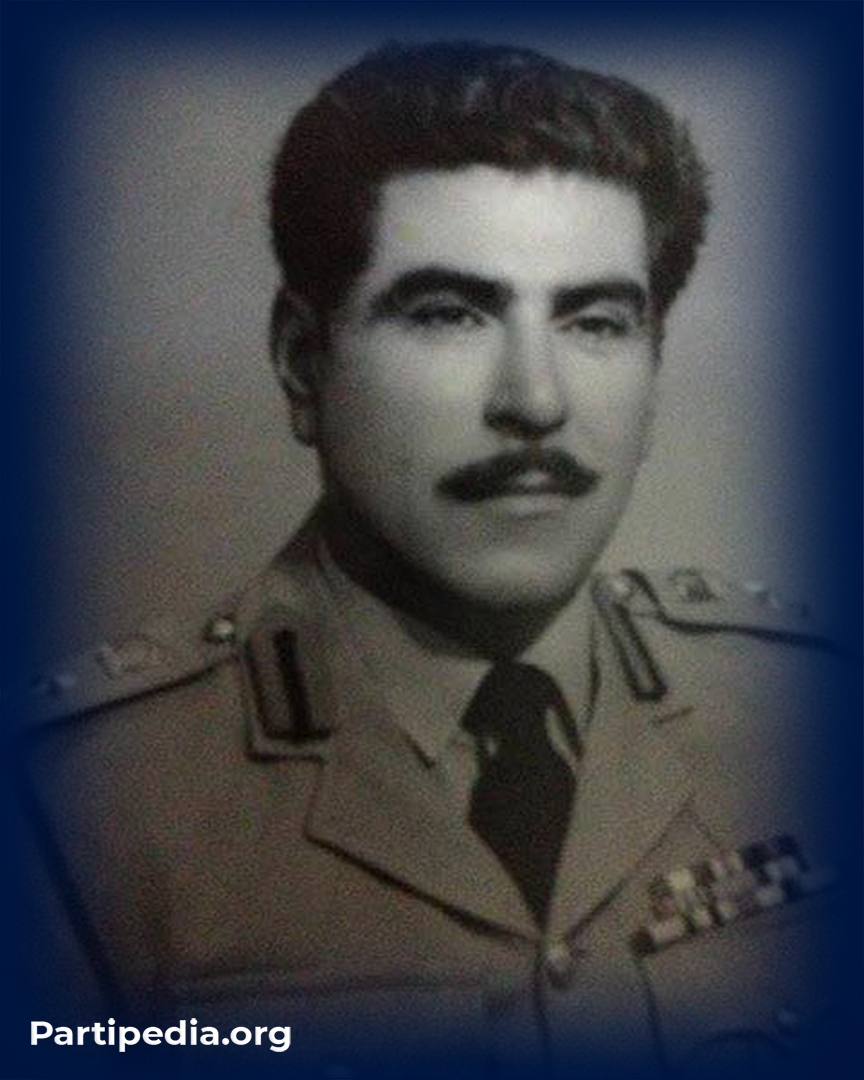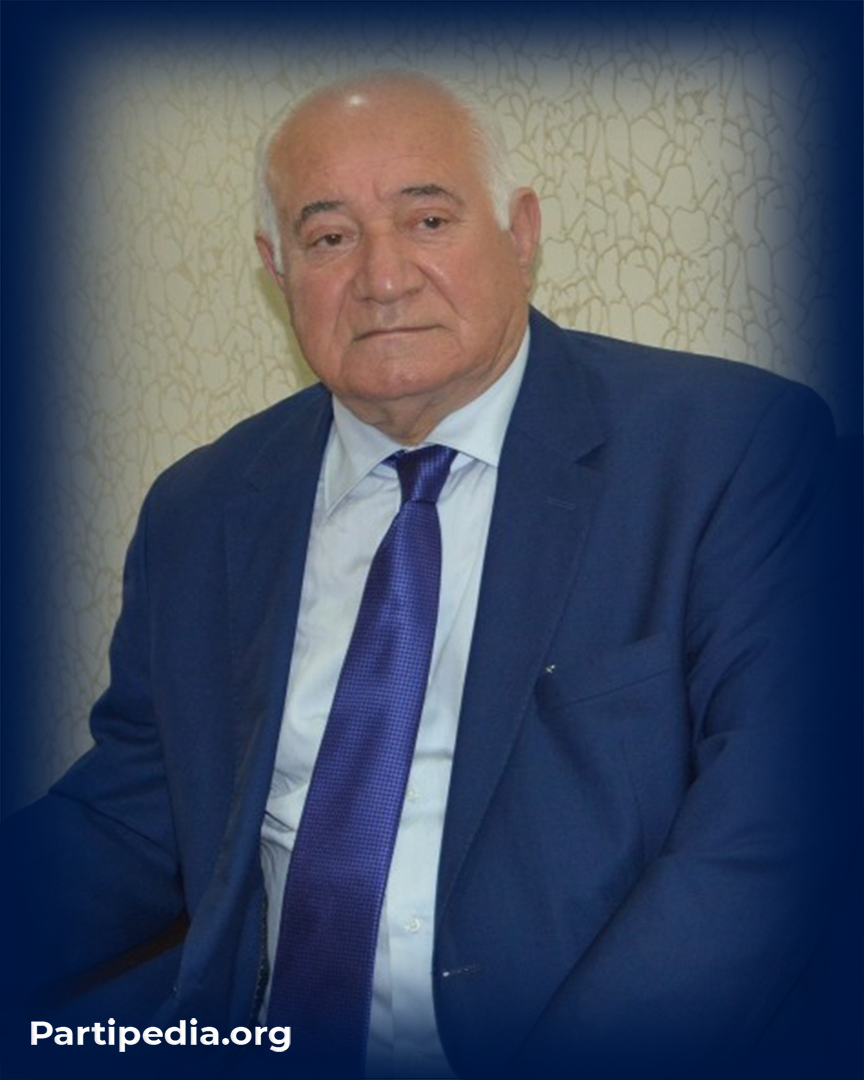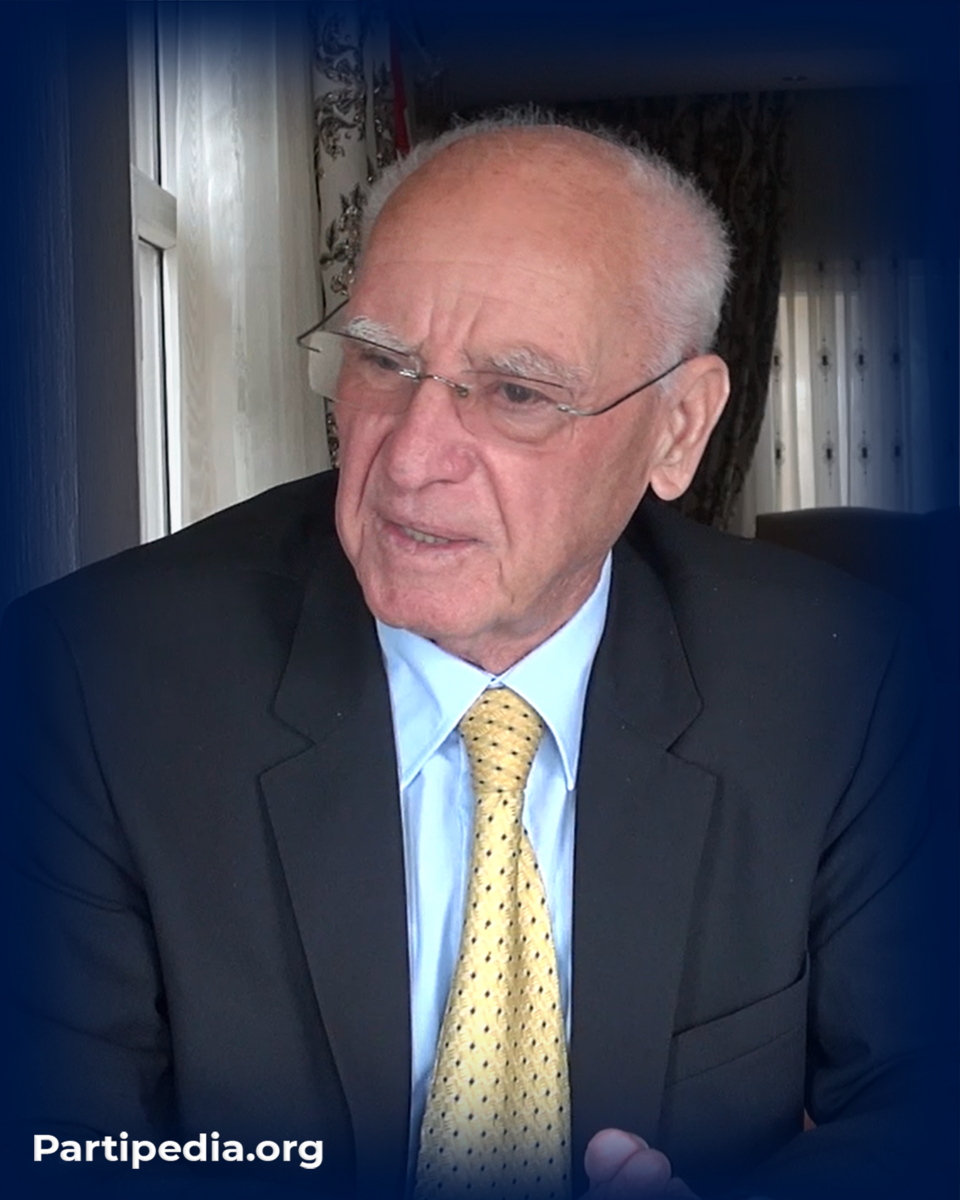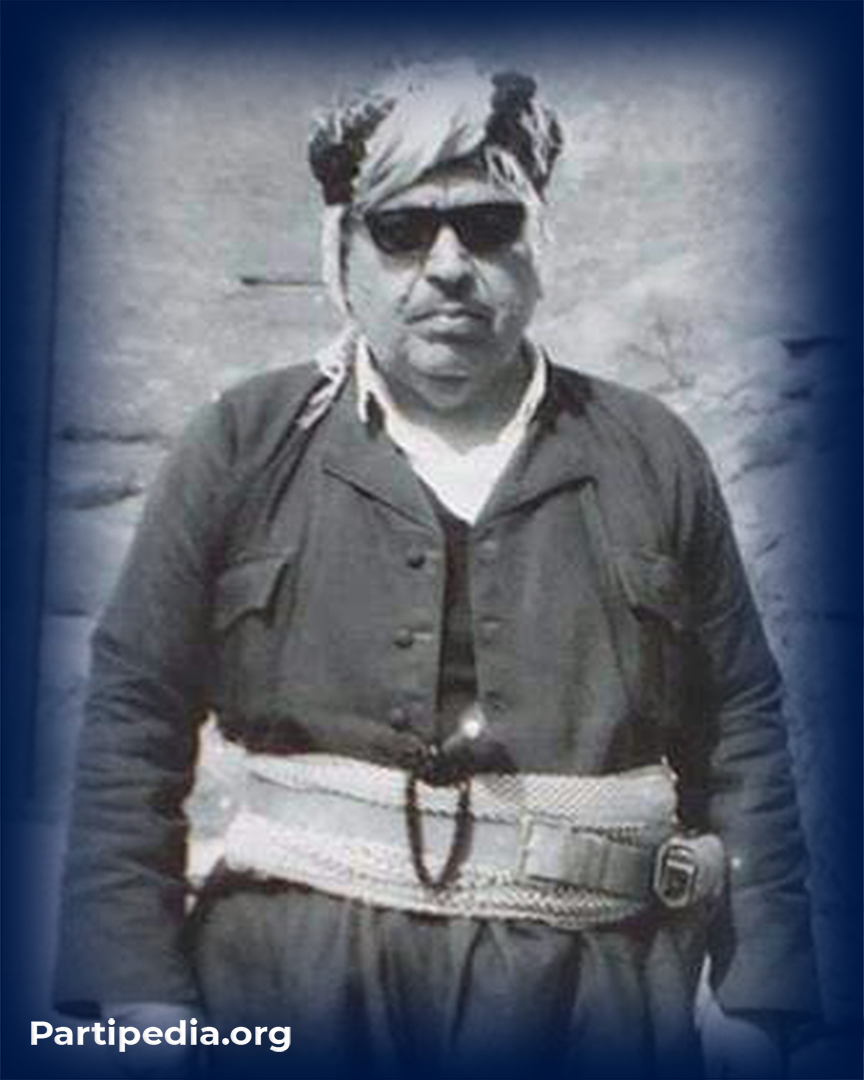


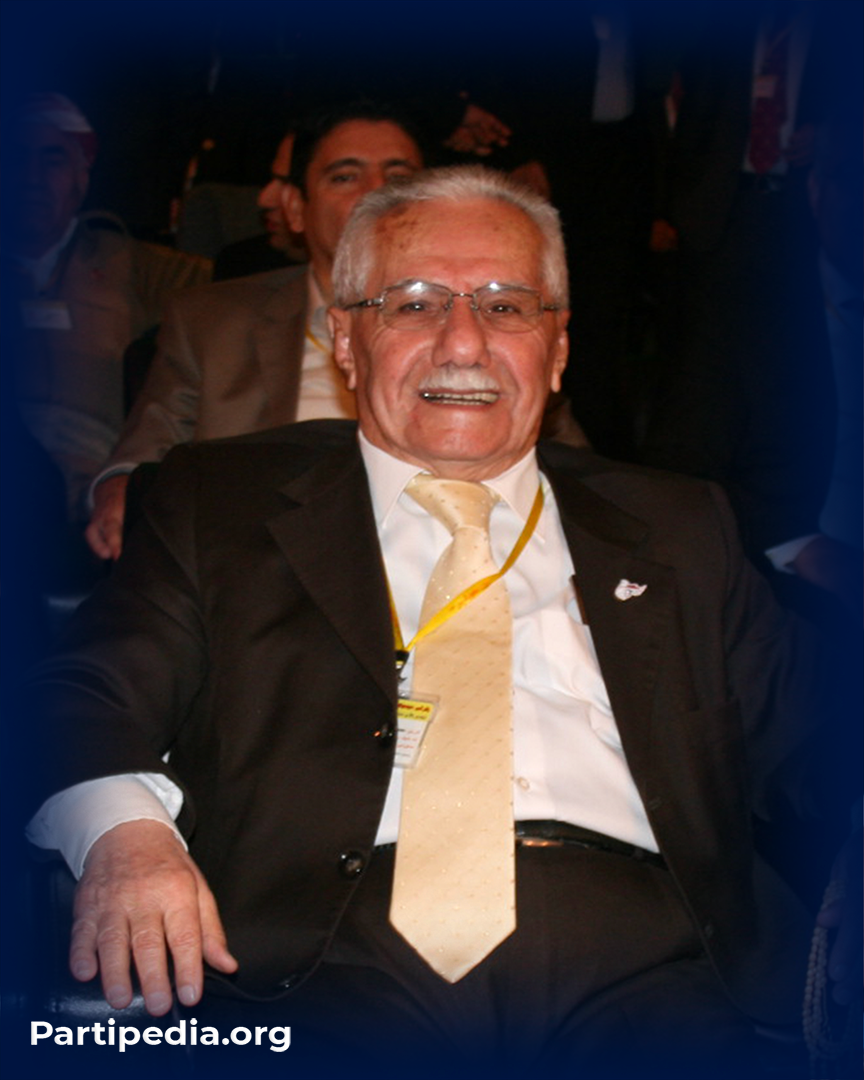
Mihemed Qadir Ehmed, known by the names of Mamosta Mihemed Mella Qadir and Lacanî. Olzan, a writer and politician, joined the ranks of the Kurdistan Democratic Party in 1958. In 1970, he became a member of the preparatory committee of the eighth congress of the Kurdistan Democratic Party. At the eighth congress, he was elected as a member of the central committee of the Kurdistan Democratic Party. At the ninth party congress, he was elected as a member of the central committee of the Kurdistan Democratic Party and in 1985, he was elected as a member of the political school of the Kurdistan Democratic Party. In 1992, he was elected by the voters of Southern Kurdistan as a member of the Kurdistan National Council (Kurdistan Parliament) on the list of the Kurdistan Democratic Party in the first round. On April 25, 1993, he became the Minister of Endowments and Islamic Affairs in the second cabinet of the Kurdistan Regional Government. In 2005, he was the instructor of the Kurdistan Democratic Party congresses at the eleventh session of the Kurdistan Democratic Party cadres' conference in the city of Erbil. In 2007, he was the instructor of the history of the Kurdistan Democratic Party at the sixteenth session of the Kurdistan Democratic Party cadres' conference in the city of Erbil.
Biography
He was born in 1934 in the city of Erbil. He was established as a teacher in 1960. On September 6, 1961, he participated in the Sherawe demonstration in order to prevent the convoy of Iraqi police who were coming to Erbil from Kirkuk to break up the Erbil demonstration. In 1962, he became a member of the Erbil branch of the Kurdistan Teachers' Union. In 1962, he was one of the founders of the Kurdistan Teachers' Union. In 1962, he became a member of the editorial board of the magazine Rêjne. In 1975, after the defeat of the September Revolution, he lived in Iran as a refugee and was appointed by President Mustafa Barzani as the head of the board for the supervision of immigrants in Iran. On Wednesday, November 6, 1993, at the Bashmakh border crossing on the border of Sulaymaniyah province, the Kurdistan Regional Government, as the Minister of Endowments, welcomed the remains of President Mustafa Barzani (1903 - 1979) and Idris Barzani (1944 - 1987), who had traveled from the Islamic Republic of Iran to their final resting place in the village of Barzan in Erbil province. He passed away on Tuesday, December 14, 2019 in Erbil. On Wednesday, December 15, 2019, President Masoud Barzani offered his condolences to his family. He was fluent in Kurdish, Arabic and Persian.
Worksheet
He was a supporter of the Iraqi Communist Party, but in 1956 he distanced himself from the Iraqi Communist Party. In 1956 he was one of the founders of the Kurdistan Jurisprudents Union in the city of Erbil. In 1956 he established contact with the ranks of the Kurdistan Qutbists (Students) Union. In 1958, on the occasion of the return of President Mustafa Barzani (1903 - 1979) from the Soviet Union, he headed a delegation from Erbil to meet President Barzani in the city of Baghdad. In 1958 he established contact with the ranks of the Kurdistan Democratic Party. In 1960, he was responsible for the organizational department of the Erbil Plain organization, which was affiliated with the Erbil branch, which was affiliated with the second branch. In 1960, he was a delegate to the fifth congress of the Kurdistan Democratic Party. In 1964, he contacted the ranks of the Peshmerga forces. In 1964, during the split of the Kurdistan Democratic Party, he opposed the decisions of the Mawet general assembly organized by the political school and supported President Mustafa Barzani. In early May 1964, he became a member of the preparatory committee of the sixth congress. In 1964, he was elected by the members of the sixth congress as a member of the high committee to supervise and examine the Kurdistan Democratic Party, and in the same year, he became a representative of the congress of the leadership council of the revolution in Iraqi Kurdistan.
At the end of 1964, he was appointed as the fifth staff officer of the second division. In 1964, he was appointed as the head of the Koya district committee of the second division. In January 1965, he became a member of the committee to collect donations from the wealthy of Erbil for the Peshmerga forces on the Erbil border, and he successfully completed this task with the cooperation of Lawyer Muhsin Dizayee. In September 1965, he was appointed as the sixth staff officer of the second division. On March 13, 1965, he participated in the Battle of Sele (Hewler). In 1965, he participated in the Battle of Safin. In 1966, he became the head of the Erbil district committee of the second division. In the same year, he was appointed as the head of the Kifri district committee and the head of the third division. In 1966, he became a member of the preparatory committee for the seventh congress of the Kurdistan Democratic Party. In 1967, he became the director of education in Hewler during the September Revolution. In 1967, he was temporarily appointed as the head of the teachers' and officers' organization committee in the Hewler district committee of the second branch committee in order to strengthen the organization. In 1967, he was appointed as the eighth working officer of the second branch committee for the third time. In October 1967, he became the editor-in-chief of the Sefin magazine, the organ of the second branch committee of the Kurdistan Democratic Party. In the years (1967-1968) he published poems in the Sefin magazine under the pseudonym Lacan.
On April 15, 1967, he was a representative of the military-political conference Kani Simaq in the village of Rezanok in the province of Erbil, and in 1967, he lived a secret life in the city of Erbil for a year to manage the organizations of the Kurdistan Democratic Party. At the end of 1968, the Department of Science and Health established the temporary office (al mekteb al tanfizi) under the leadership of the Revolutionary Leadership Council in Iraqi Kurdistan with the director of education in Erbil. In 1968, he was appointed for the fourth time as the ninth staff officer of the second division. In 1968, he received the degree of explosive engineer. At the beginning of 1969, he was appointed for the fifth time as the tenth staff officer of the second division. At the end of 1969, he was appointed for the sixth time as the second staff officer. In 1970, he was a member of the preparatory committee of the eighth congress of the Kurdistan Democratic Party. In 1970, he was elected as a member of the central committee of the Kurdistan Democratic Party by the representatives of the congress at the eighth congress. On September 21, 1970, he was a representative of the first congress of the Islamic Religious Scholars of Kurdistan in Galale. In 1970, he was a member of the founding board of the Erbil branch of the Kurdish Writers' Union. In 1970, he became a member of the Erbil branch of the Kurdish Writers' Union. At the end of 1970, he was appointed deputy head of the second branch. On June 24, 1971, he participated in the Hacî Qadirê Koyî festival in the town of Koye as a representative of the Kurdistan Democratic Party. On June 19, 1972, on the day of the martyrs, he participated in the ceremony of the four martyred officers and leaders of the Kurdistan Democratic Party at the Teyrawe cemetery in the city of Hewler and read a speech. In 1972, he became a member of the Iraqi Peace and Assistance Committee (Heye al selam û al tezamin al Iraqi). At the beginning of 1973, he was appointed as the tenth employee of the second division and the head of the second division. On Monday, February 5, 1973, he read a speech at the fourth congress of the Kurdistan Teachers' Union in the city of Hewler. On Wednesday, March 21, 1973, he read a speech as a representative of the second division at the Newroz Bestore festival near the city of Hewler.
At the end of 1973, he was appointed as the fourteenth employee of the second division of the Kurdistan Democratic Union. At the beginning of 1974, he was appointed as the first officer of the second division of the Kurdistan Democratic Union. On March 1, 1974, he participated as a representative of the second division of the Kurdistan Democratic Union in the opening ceremony of the third congress of the Kurdistan Democratic Union in the city of Erbil. On January 1, 1975, he became the officer of the first division of the Kurdistan Democratic Union (Duhok-Mosul). In 1975, after the defeat of the September Revolution, he emigrated to Iran. After the defeat, he played a prominent role in training the Peshmerga of Southern Kurdistan. In 1977, under the leadership of Idris Barzani, he participated in the Karaj General Assembly with the aim of cooperating with the interim leadership of the Kurdistan Democratic Party and supervising the refugees from Southern Kurdistan in Iran. In 1979, he became a member of the preparatory committee of the ninth congress of the Kurdistan Democratic Party. In 1979, he was elected by the congress delegates as a member of the central committee of the Kurdistan Democratic Party at the ninth congress. At the beginning of 1981, he was appointed as the head of the fifteenth executive committee for the second time. On January 12, 1983, he became the head of the organization committee of the political school headquarters.
In 1984, he became a member of the political school of the Kurdistan Democratic Party. In the July 16, 1985, meeting, he was appointed as a member of the organization department and the head of the political school administration, and the head of the health department and the head of the martyrs department. He was a teacher of most of the sessions of the cadres' training center during the May Revolution. On November 30, 1985, he became the director and teacher of the party organization and program and internal affairs of the Kurdistan Democratic Party in the eighth session of the cadres' training center of the Kurdistan Democratic Party in the village of Rajan, Eastern Kurdistan. In 1985, he was elected as a member of the political school of the Kurdistan Democratic Party. At the end of 1986, he was appointed as the head of the cadres' training center for the third time in the twenty-first session of the second session of the third session of the second On August 17, 1987, he participated in clearing the Iraqi army's trenches on the Hiran road on the border of Erbil province. On February 22, 1988, he became the commander of the Battle of Sarı Nusek. In 1988, he became the head of the Eighth League Committee in Iran. In 1989, he was elected a member of the central committee of the Kurdistan Democratic Party at the tenth congress by the congress delegates. In 1989, he became the editor-in-chief of the Rizgari magazine, which was published by the Eighth League Committee in Iran.
In 1991, he became the head of the Hewler branch of the Kurdistan Democratic Party. He participated in the uprising and uprising in Southern Kurdistan in 1991 to liberate the city of Kirkuk. On July 20, 1991, he became a member of the supervisory board for the establishment of the Kurdistan Teachers' Union. From November 15 to 17, 1991, he was appointed as the head of the preparatory committee for the seventh congress of the Kurdish Writers' Union. On November 20, 1991, he delivered the speech of President Masoud Barzani at the second congress of the Kurdistan Scholars' Union in the city of Hewler. From December 16, 1991 to February 18, 1992, he was elected as a member of the Kurdistan National Council (Kurdistan Parliament) on the list of the Kurdistan Democratic Party in the first round. On Monday, April 27, 1992, he oversaw the organization of the first congress of the Kurdistan Engineers Union in the city of Erbil. On July 1, 1992, he published articles in the newspaper Xebat, the organ of the Kurdistan Democratic Party. On August 20, 1992, he participated in the opening of the first congress of the Kurdistan Unity Party on behalf of the Kurdistan Democratic Party. On April 25, 1993, he became the Minister of Endowments and Religious Affairs in the second cabinet of the Kurdistan Regional Government. In July 1993, he was appointed as the chairman of the high council of the eleventh congress of the Kurdistan Democratic Party - United. In 1993, he was elected as a member of the central committee of the Kurdistan Democratic Party - United by the representatives of the eleventh congress. On November 16, 1993, as the Minister of Endowments and Religious Affairs of the Kurdistan Regional Government, he participated in the opening ceremony of the freedom congress of the Kurdistan Qutb Union and the Kurdistan Democratic Youth Union in the city of Erbil. On Tuesday, July 26, 1994, as the representative of the President of the Kurdistan Democratic Party - United, he participated in the opening of the second congress of the Kurdistan Workers' Party in the city of Erbil and read an article. In 1994, at the beginning of the civil war, his wife Shanaz Hamed was martyred in an attack on their house by the Patriotic Union of Kurdistan forces. On August 11, 1994, he published articles in the weekly newspaper Gulan. On August 16, 1996, he was awarded the Barzani Medal of the Immortal by President Masoud Barzani on the 50th anniversary of the golden jubilee of the Kurdistan Democratic Party for his service in the September Revolution, the May Revolution, and the Southern Kurdistan uprising.
In 1996, he became the acting Deputy Chairman of the Council of Ministers of the Kurdistan Regional Government. In 1997, he became the lecturer on the program and internal affairs of the Kurdistan Democratic Party at the tenth session of the Kurdistan Democratic Party cadres' conference in the city of Erbil. In 1998, he published articles in the magazine Dengê Afret, the organ of the school of the secretariat of the Kurdistan Women's Union. In 1998, he published articles in the magazine Nuseri Niwe, the organ of the Kurdish Writers' Union in the Erbil region. In 1998, he became the lecturer on the history of the Kurdistan Democratic Party at the eleventh session of the Kurdistan Democratic Party cadres' conference in the city of Erbil. In 1999, at the twelfth congress, he was elected by the congress delegates as a member of the central committee and later as a member of the political school of the Kurdistan Democratic Party. On November 2, 1999, he became the head of the Duhok branch for the second time. On Wednesday, July 4, 2000, he attended the graduation ceremony of the fifth class of Duhok University with President Masoud Barzani. On November 3-5, 2002, he attended the Hajar Mukriyani Congress organized by the Ministry of Education of the Kurdistan Regional Government in the city of Erbil with President Masoud Barzani. On Tuesday, May 20, 2003, he attended the opening of the Bahdinan branch of the Patriotic Union of Kurdistan in the city of Duhok as the head of the Duhok branch. From February 14, 2004 to April 14, 2004, he was the history interpreter of the Kurdistan Democratic Party congresses at the fourteenth session of the Kurdistan Democratic Party cadres' conference in Erbil. On Wednesday, February 18, 2004, he was transferred to the first branch of the Duhok branch. On Saturday, May 16, 2004, he was the representative of the sovereignty and democracy congress in Erbil. In 2005, he was in charge of the central board for the inspection and supervision of institutions and foundations, and in 2005, he was the history interpreter of the Kurdistan Democratic Party congresses at the eleventh session of the Kurdistan Democratic Party cadres' conference in Erbil. In 2007, he was the lecturer on the history of the Kurdistan Democratic Party at the sixteenth Kurdistan Democratic Party cadres' conference in Erbil.
On August 4, 2010, he attended the opening of the seventh congress of the Kurdistan Workers' Union in Erbil. In 2010, he ran for the leadership council of the Kurdistan Democratic Party at the thirteenth congress, but did not participate. In 2012, he was the history teacher of the Kurdistan Democratic Party at the seventeenth session of the Kurdistan Democratic Party's cadres' conference in Erbil. From December 20, 2012 to August 5, 2013, he was the internal affairs teacher of the Kurdistan Democratic Party at the eighteenth session of the Kurdistan Democratic Party's conference in Erbil. In 2013, he was the teacher of the history of the Kurdistan Democratic Party at the nineteenth session of the Kurdistan Democratic Party's cadres' training conference in the city of Erbil.
His works:
Aware Pendnamey 1985.
Society in Kurdistan in 1998.
Workbook, a brief history of the Kurdistan Democratic Party and the Barzani culture (first edition 2000), (third edition 2012)
A brief summary of the 2009 memoirs.
A Year in the Life of Sheikh Wesanan 2016.
The Immortals 2014.
Diwani Lacan.
Source:
1 - Archives of the Encyclopedia Committee of the Kurdistan Democratic Party.