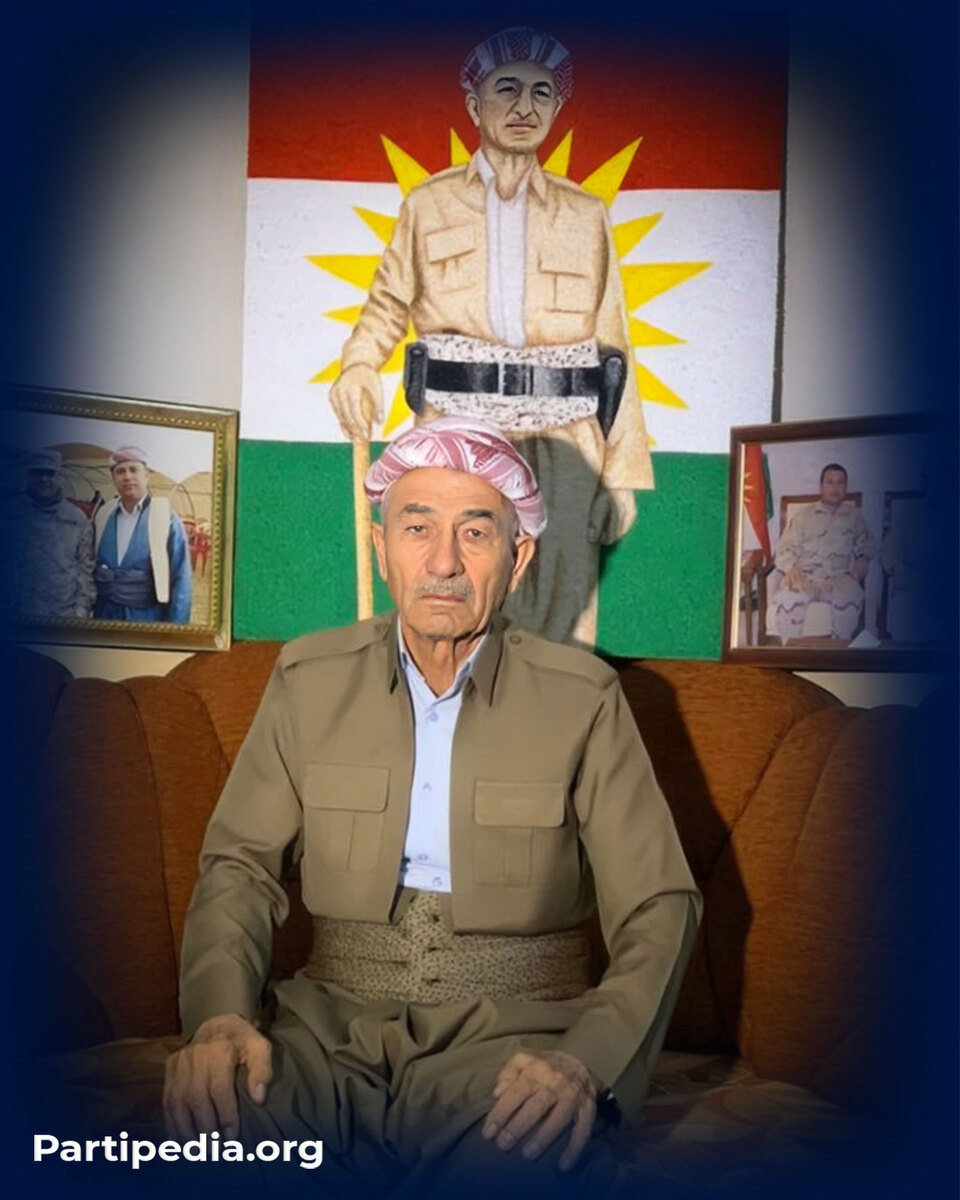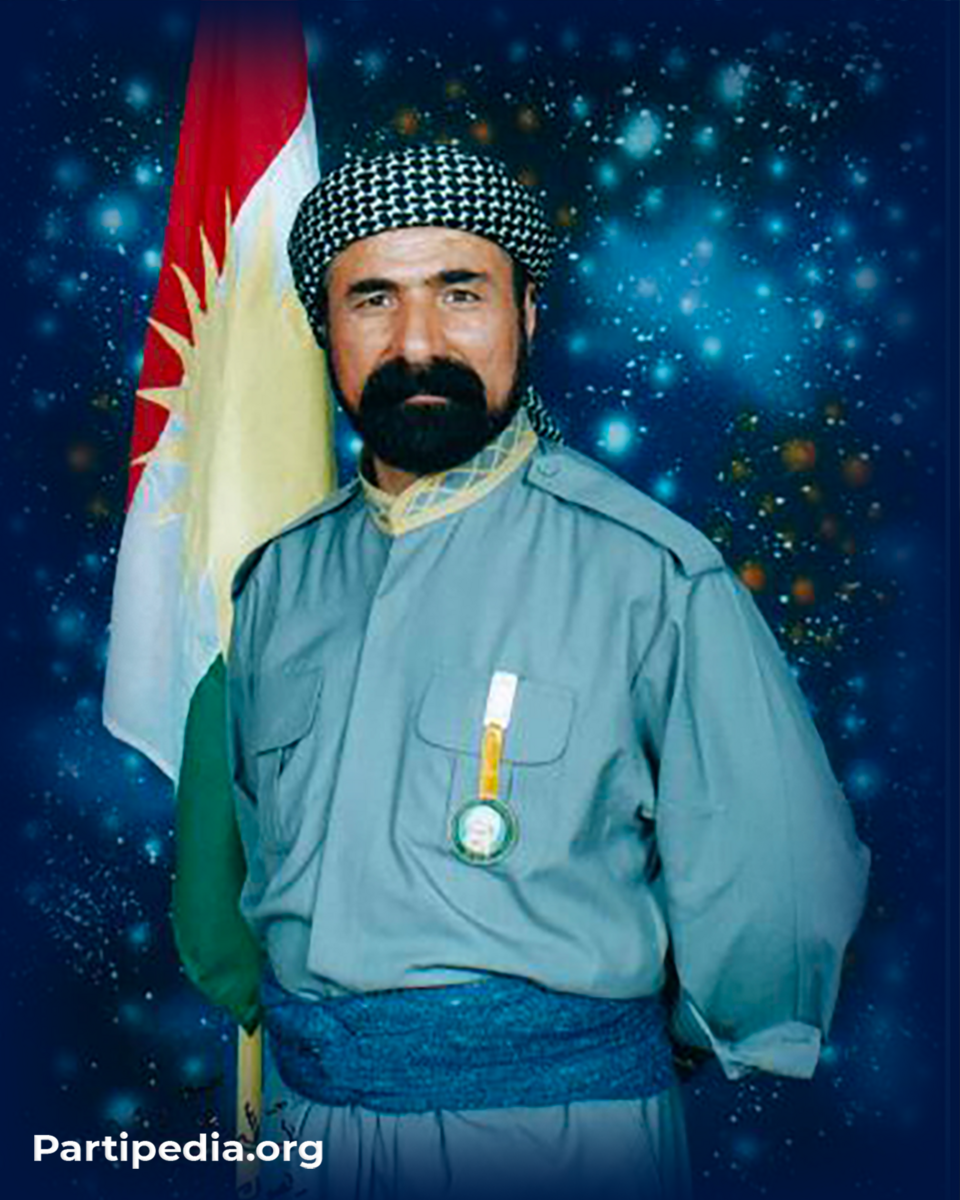


Fatah Guli was born in 1943 in the town of Batifa, in the Zakho district of Duhok province. He completed his secondary education in Zakho in 1961. In 1975, after the defeat of the September Revolution, he emigrated to Iran and settled in the city of Neqadah in Eastern Kurdistan. He was then transferred to the community of Rebet, and from there to the communities of Sara and Nilufer in Kermanshah, and from there to Kerman. In 1979, he returned to Zewa and served as a Peshmerga there until the establishment of the ninth congress of the Kurdistan Democratic Party. He passed away on June 24, 2007 due to illness and was buried in the ancestral home of his ancestors in the town of Batifa.
In 1959, he joined the ranks of the Kurdistan Students' Union. In 1961, he joined the Peshmerga forces of the September Revolution and became a Peshmerga in the Ali Halo Battalion. In 1964, he became the battalion's cadre. In 1968, he was transferred to the Helgurd force, which became a reserve force, and under the command of Suleiman Haji Badri, he was assigned to the Qasr and Haji Omaran districts and was responsible for managing the force, and he remained in that force until 1975.
In 1980, he became the head of the Zakho District Committee in Leqa Yek. In 1981, he was transferred to the Duhok district. In 1985, he became the head of the Amed District Committee. In 1986, he was appointed head of the Duhok District Committee and in 1987, he became the head of the Sheikhan District Committee. In 1988, after the extensive Anfal operation and the chemical attack on the Behdinan area, Ebubekir Osman Mihemed went to the Upper Doski area with a group of his friends and stayed there.
In 1991, after the uprising and rebellion in Southern Kurdistan, he returned to Southern Kurdistan and settled in the city of Duhok. In 1992, he became the head of the Kurdistan Front in the Duhok area and at the same time, he was the head of the Duhok District Committee. At the end of the same year, he became the Commander of the First Army in Zakho. In 1993, he became the Acting Commander of the First Brigade and the Head of the Military Department of the Brigade. In 1995, he became the Commander of the Zerevani Force in Duhok. In 1999, he was one of the members of the Kurdistan Democratic Party delegation invited by Saudi Arabia and participated in the Hajj pilgrimage. In 2001, after the establishment of the Eighth Brigade in Zakho, Fatah Guli assumed the position of Deputy Head of the Brigade.
The name has participated in several battles in the life of the Peshmerga. It participated in the Battle of Hesin Pirka in 1980, the Battle of the Duhok Valley in 1982, the Battle of the Zawita Valley in 1982, the Battle of Deir Gijing in 1984, the Battle of Sutke in 1987, and the Battle of Xwakurk in 1988.
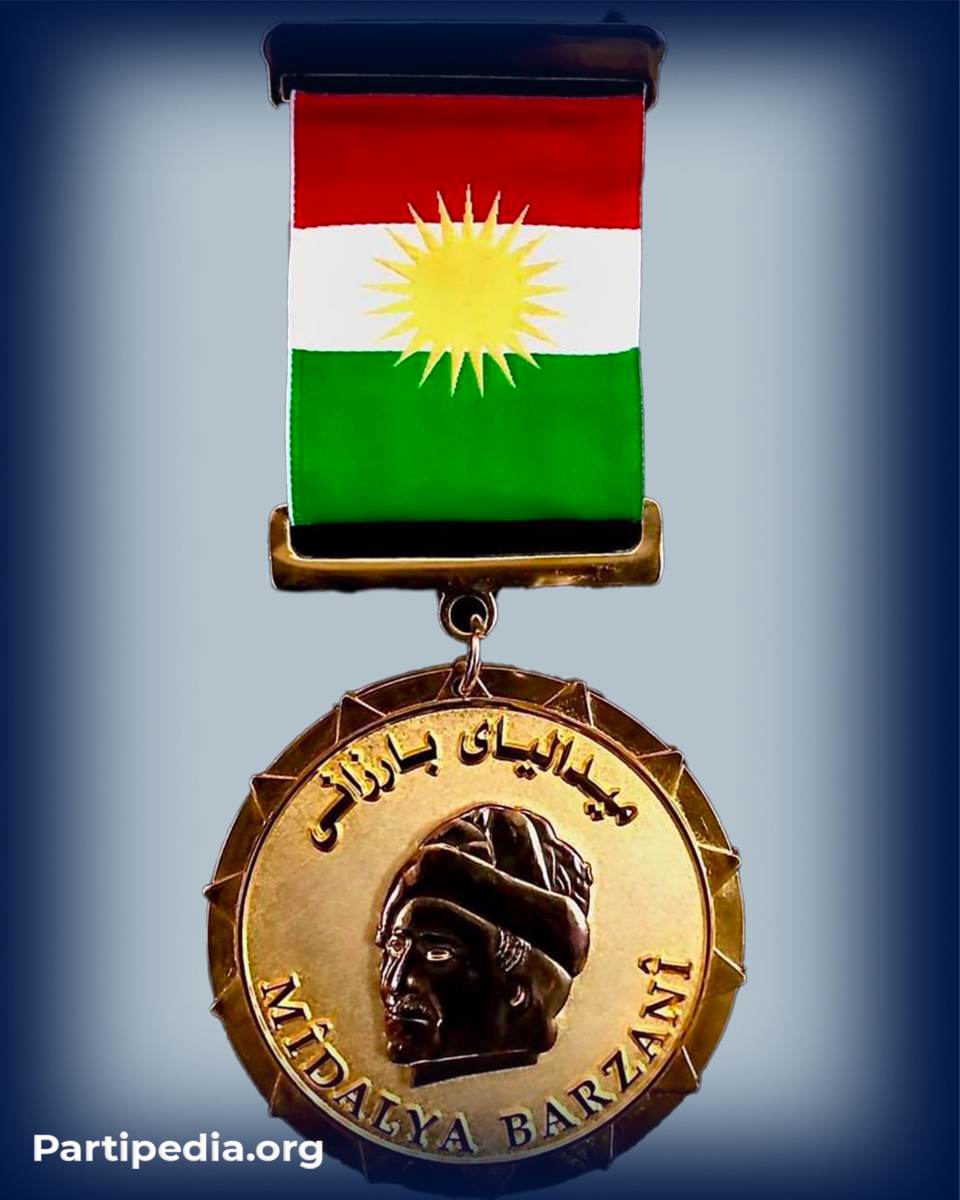
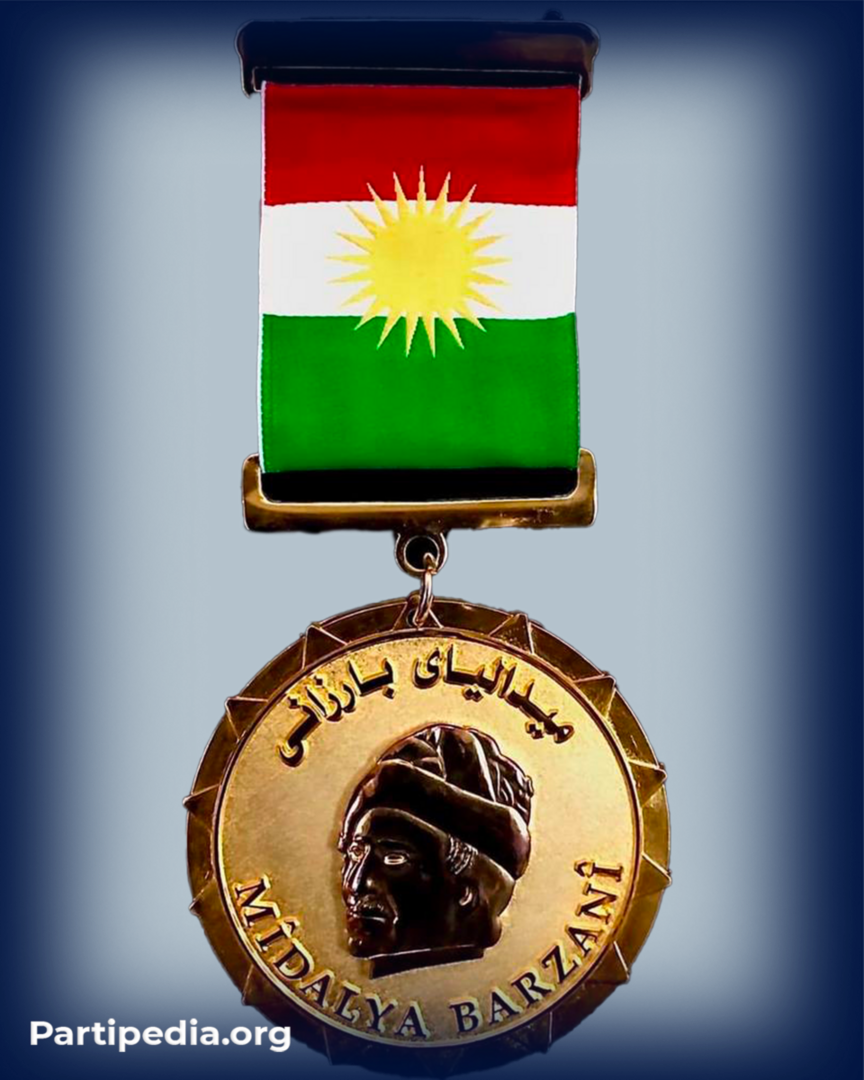
On August 16, 1996, on the 50th anniversary of the founding of the Kurdistan Democratic Party, he was awarded the Barzani Medal by President Masoud Barzani for his services to Kurds, Kurdistan, and the Barzani method.
Source:
1. Archives of the Encyclopedia Committee of the Kurdistan Democratic Party.