

Biography
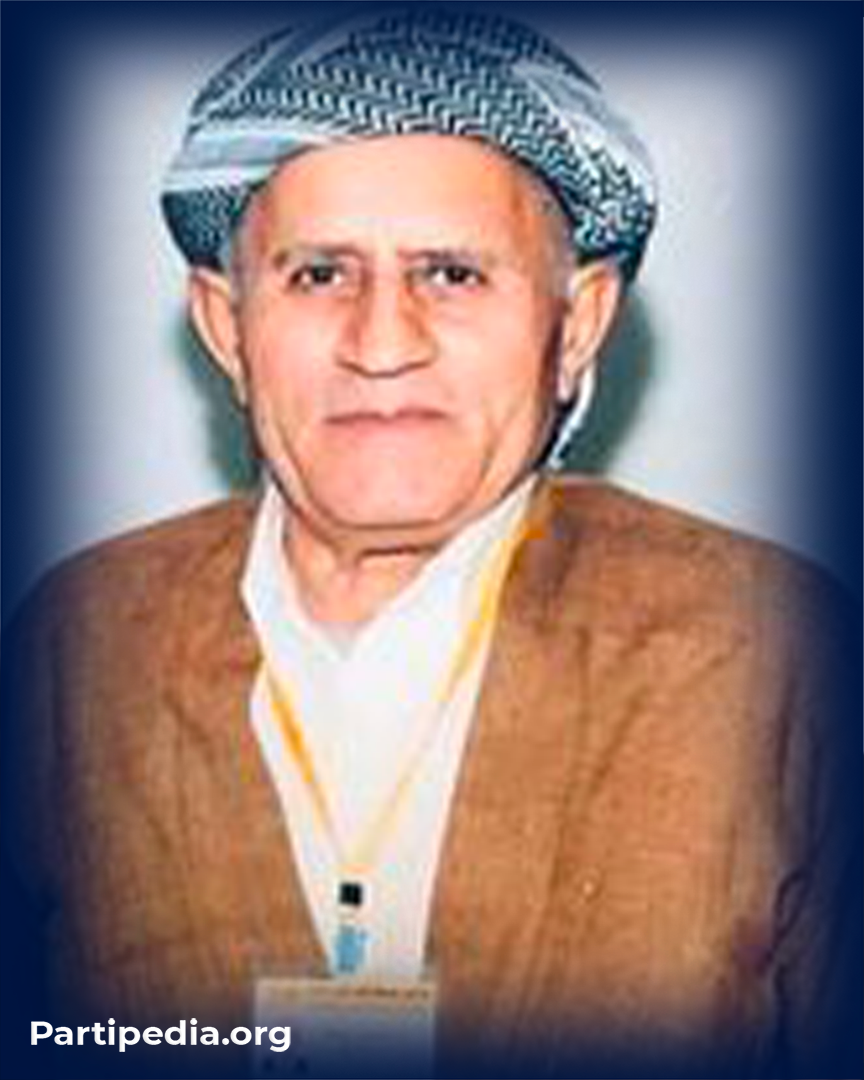
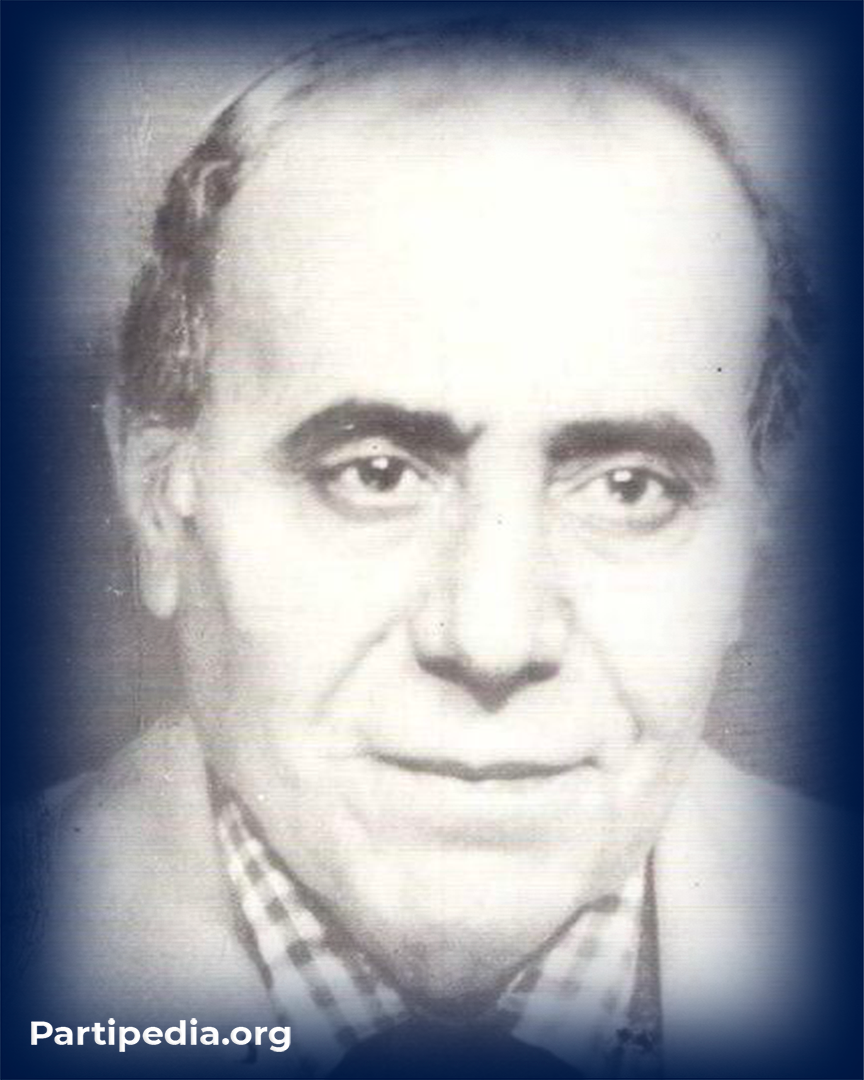
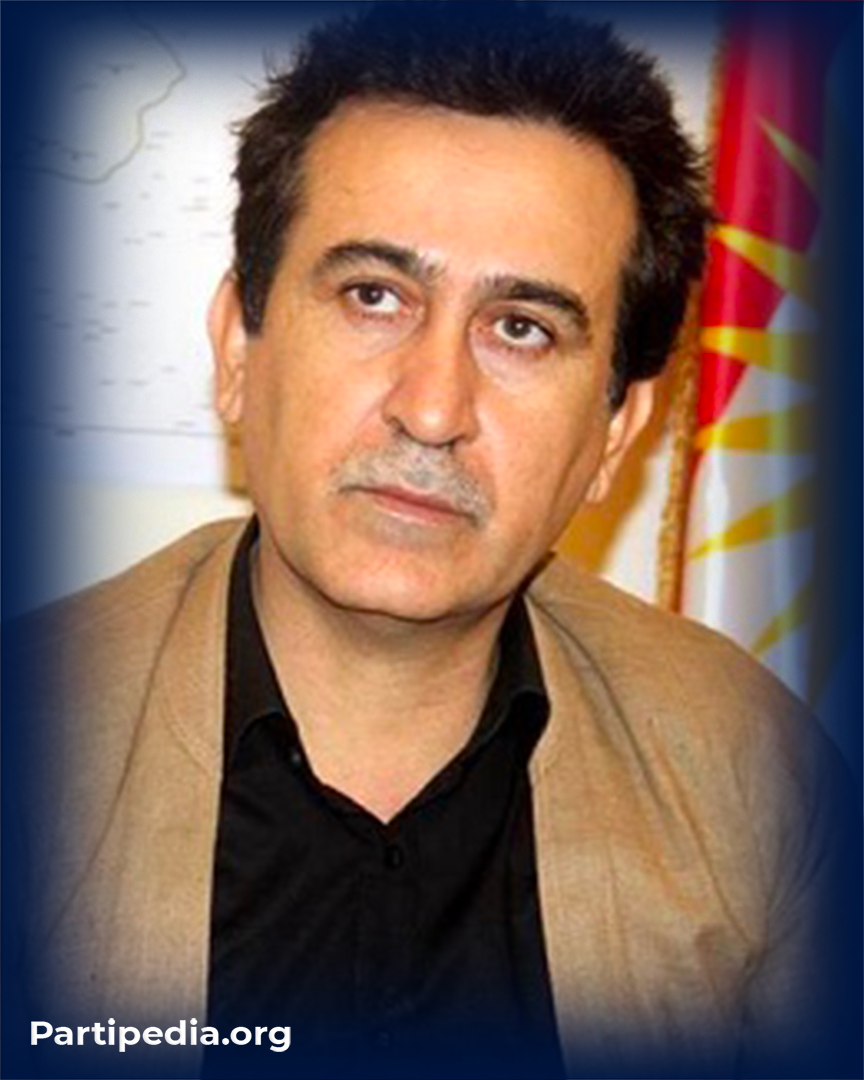
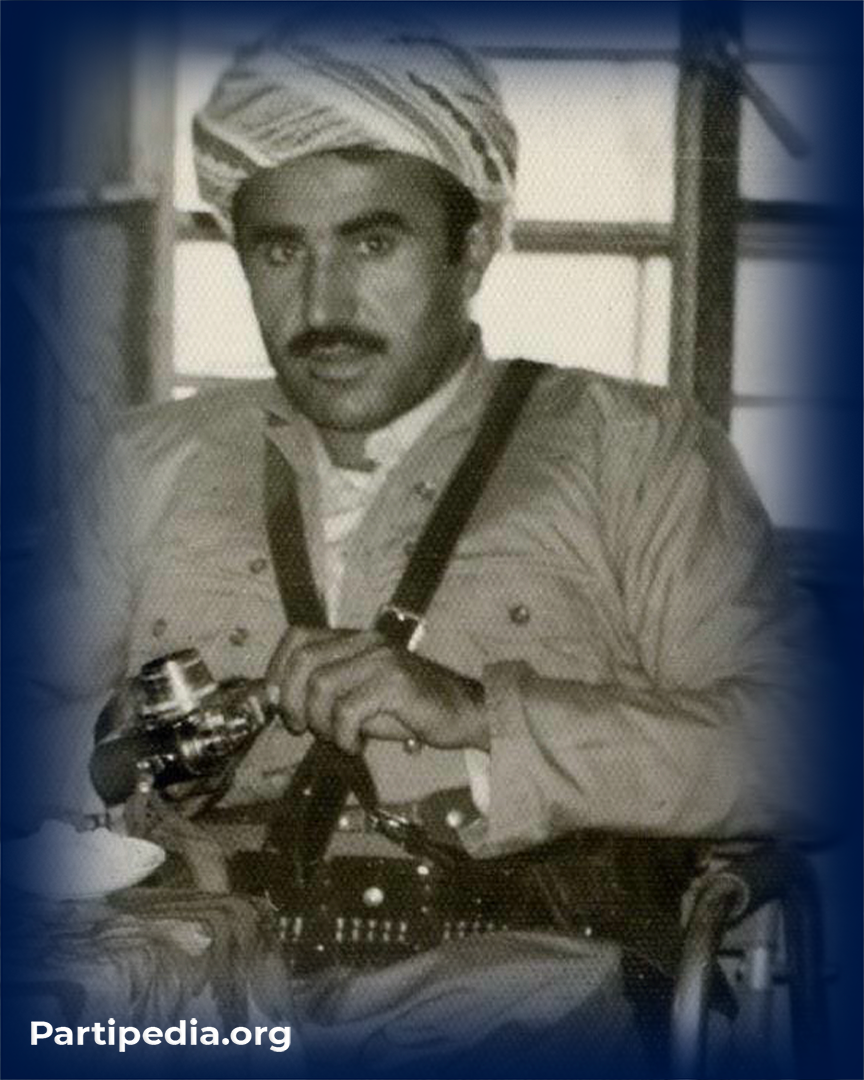
Faxir Hemed Salih Hemed was born in Erbil. In 1945, after the collapse of the Second Barzan Revolution (1943-1945), he and his family emigrated to Eastern Kurdistan. In 1947, after the collapse of the Democratic Republic of Kurdistan, he returned to Southern Kurdistan and lived in exile in the city of Maxmur in Erbil province.
Worksheet
Fakhir Hamed Salih Hamed joined the Peshmerga ranks in 1963, in 1965 he became the commander of the Iraqi Communist Party forces in the Battle of Korek in Erbil province against the Iraqi army and was one of the commanders of the Handrini Dastan against the Iraqi army operation (Tawkwulna Ala Ellah) in Erbil province, on March 1, 1969 he was one of the commanders of Operation Babagurgur to attack the Kirkuk Oil Company, in the same year he was the commander of the liberation of the town of Qaladiz in Sulaymaniyah province from the Iraqi army.
In 1969, he became the commander of the Liberation Forces of the Third Army in both the provinces of Sulaymaniyah and Kirkuk. On November 6, 1969, he oversaw the Battle of Merge, Mount Asos, and the Battle of the Bardaqlsht Mountain Range in Sulaymaniyah province against the Iraqi army. At the end of 1969, he was the commander of the Battle of the Kosrat Mountain Slope in Erbil province. In 1970, he was elected as a member of the Central Committee of the Kurdistan Democratic Party (KDP) by the representatives of the 8th Congress. In 1970, he became the head of the Fourth League Committee of the Kurdistan Democratic Party (KDP). On August 6, 1970, he met with Jalal Talabani (1933-2017) in Baghdad on behalf of President Mustafa Barzani (1903-1979) and discussed the return of the Ibrahim Ahmed-Jalal Talabani group. In 1971, under the leadership of September Revolution An arrest warrant was issued for him and he passed away in 1975. He was fluent in Kurdish and Arabic.
Source:
- Kurdistan Democratic Party Encyclopedia Committee Archives.
- Prepared by Salah Rashid, Mam Celal, Meeting of Ages from Youth to the Republic Palace, Volume 1, (Sulaymaniyah - Karo Press - 2017), p 361.
- Eli Shengali, The Kurdish Question and the Arab Socialist Ba'th Party, Part Three, (Duhok - Xanî Press - 2012 CE), pages 362, 366, 405.
- Aram Karim, I Know Mam Celal, Part 1, (Bê Cih, 2000), pp. 21-24-26.
- Fatih Resul, In a Long and Far Caravan, (Stockholm, 1997), pp. 176-177.
- Ehmed Banixelani, My Memories, (Stockholm, 1997), pp. 217, 257,279.
- How the Kurdish Question Can Be Solved, (Baghdad - Al-Sawra Newspaper - Dar Al-Sawra Publishing and Printing - 1969), p. 34.
- Feysel Rasul Khoshnaw, Biographies of Kurdish Officers, Part II, (Tehran, Rojhilat Press, 2020), p 155.
- Şiwan Mihemed Emin Taha Xoşnaw, Hewlêr between 1963-1970: a historical study of the political situation, (Hewlêr - Salaheddin University Press - 2016), pp. 214, 317-318.
- Şiwan Mihemed Emin Taha Xoşnaw, Hewlêr between 1958 and 1963, a study on the political situation, (Hewlêr, Rojhelat Press, 2012), p 159.
- Adeeth and Waei, Eve, Bezuz, Iraq, a study of its external relations and internal developments 1915-1975, translated by Abdulmajid Hasib Al-Qaysi, Part Two, (Beirut - Arab Encyclopedia House - 1989), p. 64.