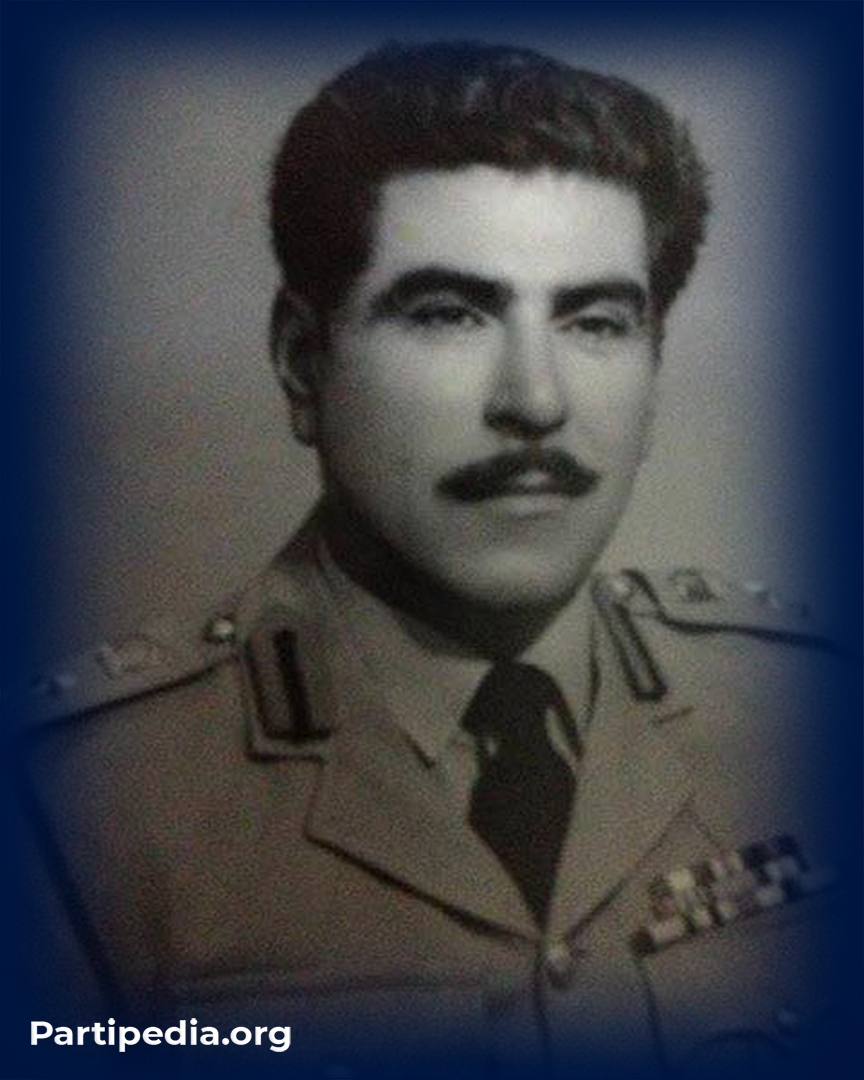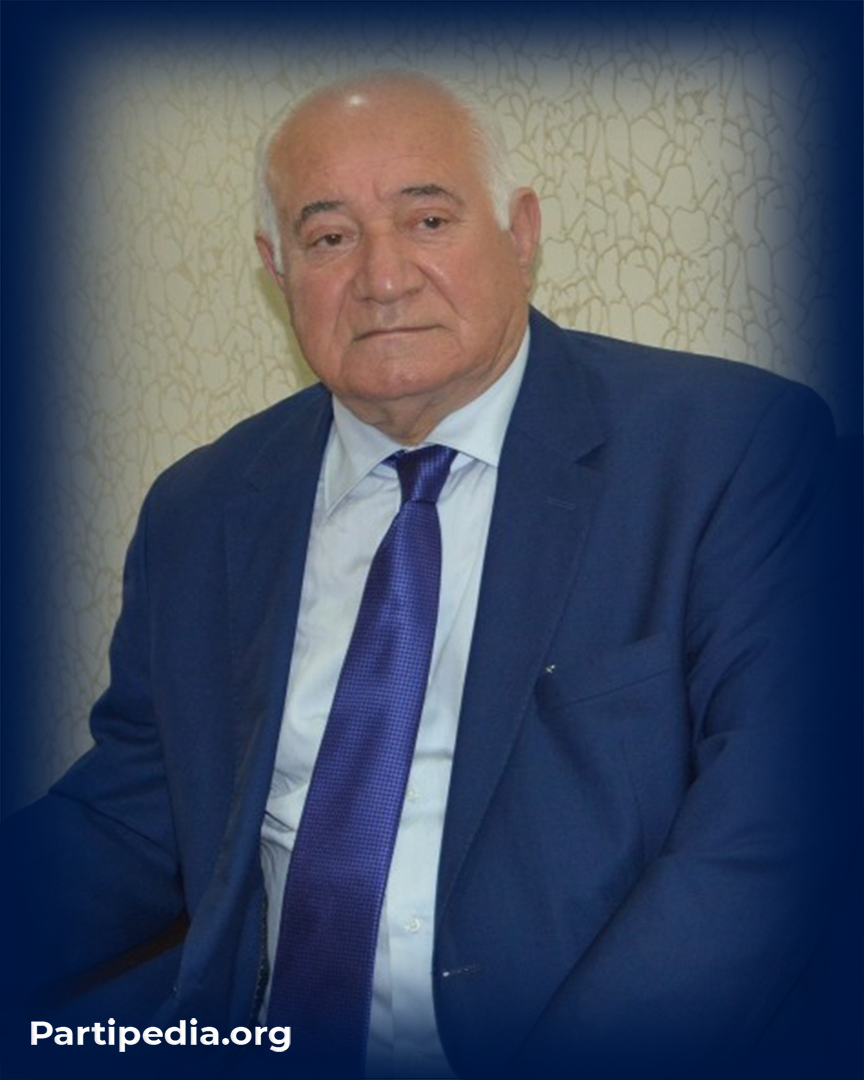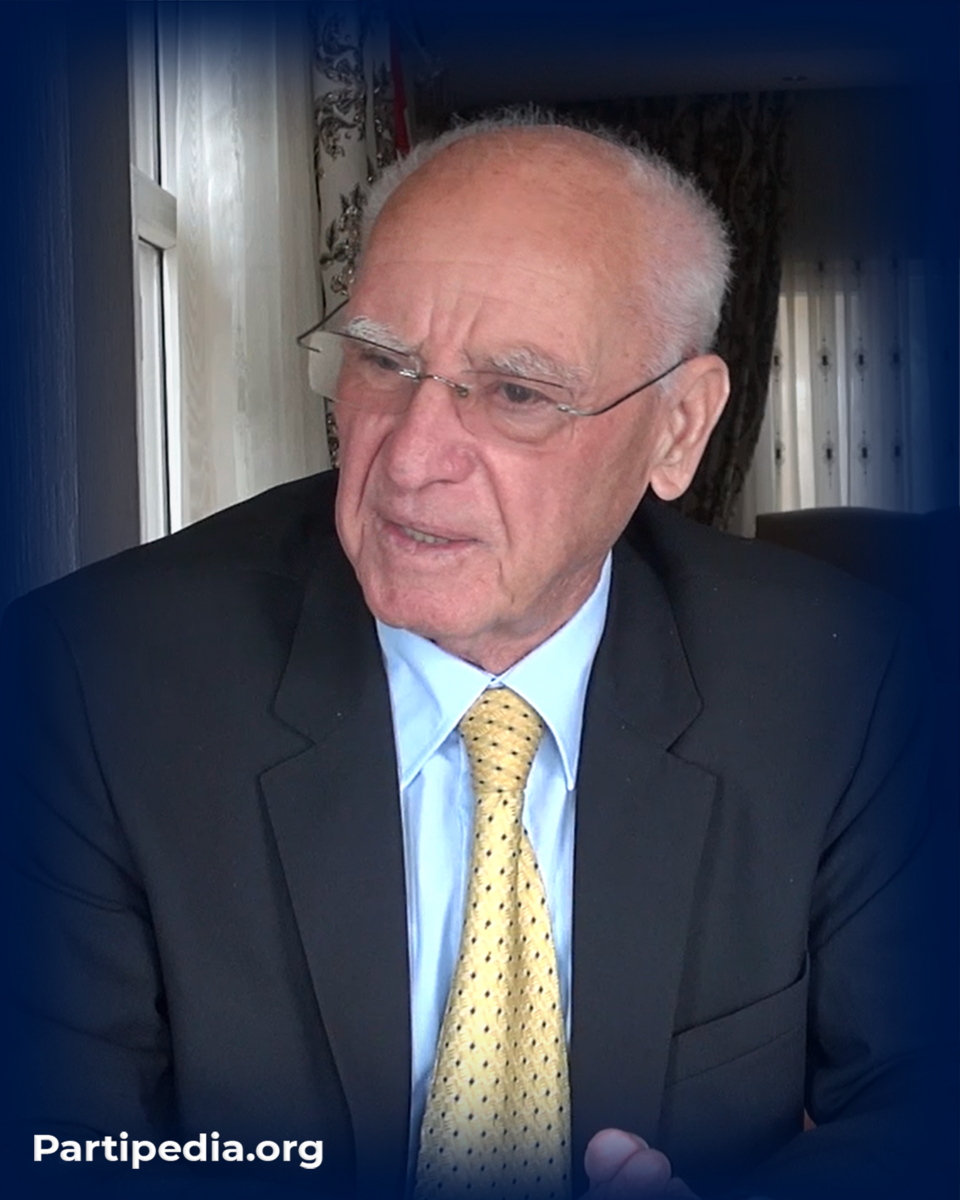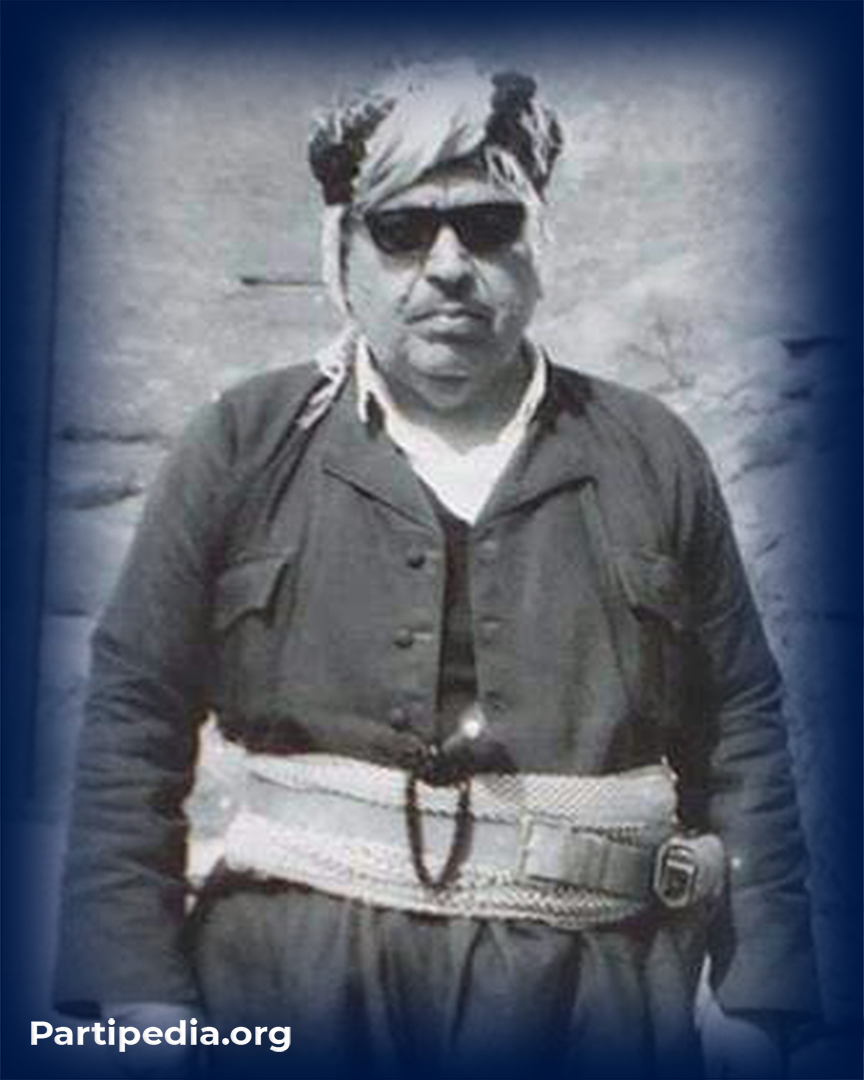


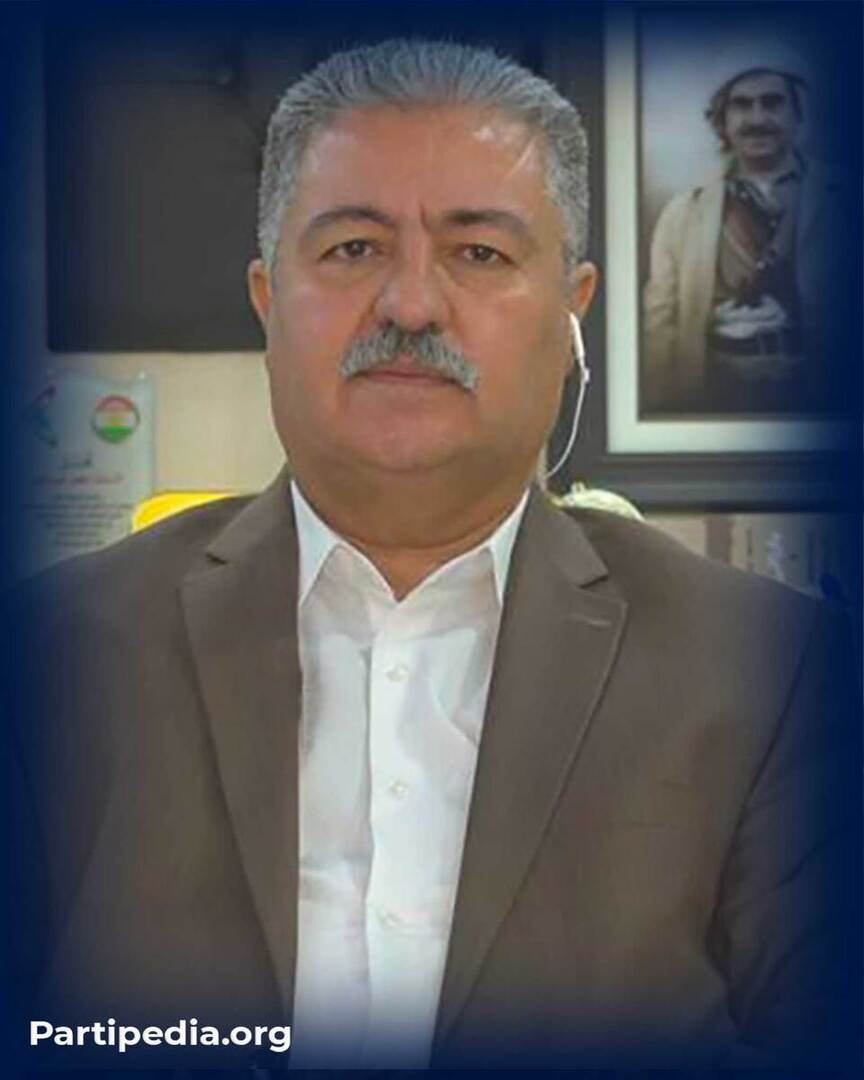
Military and political leader Akbar Heydar Musa, known by the names (Akbar Suremêrî and Akbar Suremêrîyê Khanaqînî). In 1960, he joined the ranks of the Kurdistan Democratic Party. In 1963, he joined the ranks of the Peshmerga forces of the September Revolution. He was a representative of the seventh congress in 1966, the ninth in 1979, the tenth in 1989 and the twelfth in 1999 of the Kurdistan Democratic Party and was elected as a member of the central committee of the Kurdistan Democratic Party at the eleventh congress in 1993 and as a member of the leadership council of the Kurdistan Democratic Party at the thirteenth congress in 2010 and was the recipient of the Barzani Immortal Medal.
Biography
Akbar Heydar was born in Diyala in 1943 and completed his primary and secondary education in Khanaqin. In 1992, he was elected as a member of the Kurdistan National Council on the list of the Kurdistan Democratic Party in the first round and became a member of the Peshmerga committee in the Kurdistan National Council. In 1998, he moved to Austria and then lived in Norway for a while. He is fluent in Kurdish, Persian, Arabic, Norwegian and English.
Worksheet
Akbar Heydar joined the ranks of the Kurdistan Democratic Party in 1960 and the Peshmerga forces of the September Revolution in 1963, and in the same year he participated in the Battle of Kurmur in Qaradaq, near Sulaymaniyah province, against Iraqi ground forces.
In 1963, he was admitted to the first class of the Military Academy of the September Revolution, and a year later, he completed the first class of the Military Academy and received the rank of second lieutenant. In 1965, the Iraqi Government Security Service issued an order for his execution in absentia on charges of participating in the September Revolution. Since then, he has distinguished himself as a military cadre and commander, receiving several military ranks and positions, and participating in several wars and military confrontations against the Iraqi army.
He was a delegate to the seventh congresses of the Kurdistan Democratic Party in 1966, the ninth in 1979, the tenth in 1989 and the twelfth in 1999, and was elected as a member of the central committee of the Kurdistan Democratic Party at the eleventh congress in 1993 and as a member of the leadership council of the Kurdistan Democratic Party at the thirteenth congress in 2010. In 1975, after the defeat of the September Revolution, he went to Iran as a refugee and in 1980 he became the secretary of the third branch of the Kurdistan Democratic Party and in 1981 he became a member of the military school of the Kurdistan Democratic Party.
In 1991, he became the Commander of the Khanaqin Axis during the uprising in Southern Kurdistan by the Kurdistan Front and participated in the liberation of the town of Khanaqin. In 1992, he was elected as a member of the Kurdistan National Council on the list of the Kurdistan Democratic Party in the first round and became a member of the Peshmerga Committee in the Kurdistan National Council (Parliament of Kurdistan).
In 2003, he became the Deputy Head of the Fifteenth Branch of the Kurdistan Democratic Party and in 2010, he became the head of the fifteenth branch. In the same year, he was awarded the Barzani Medal of Immortality by President Masoud Barzani for his work and resistance during the September Revolution, the May Revolution, the Southern Kurdistan Uprising, and the sovereignty phase.
Source:
Archives of the Encyclopedia Committee of the Kurdistan Democratic Party.