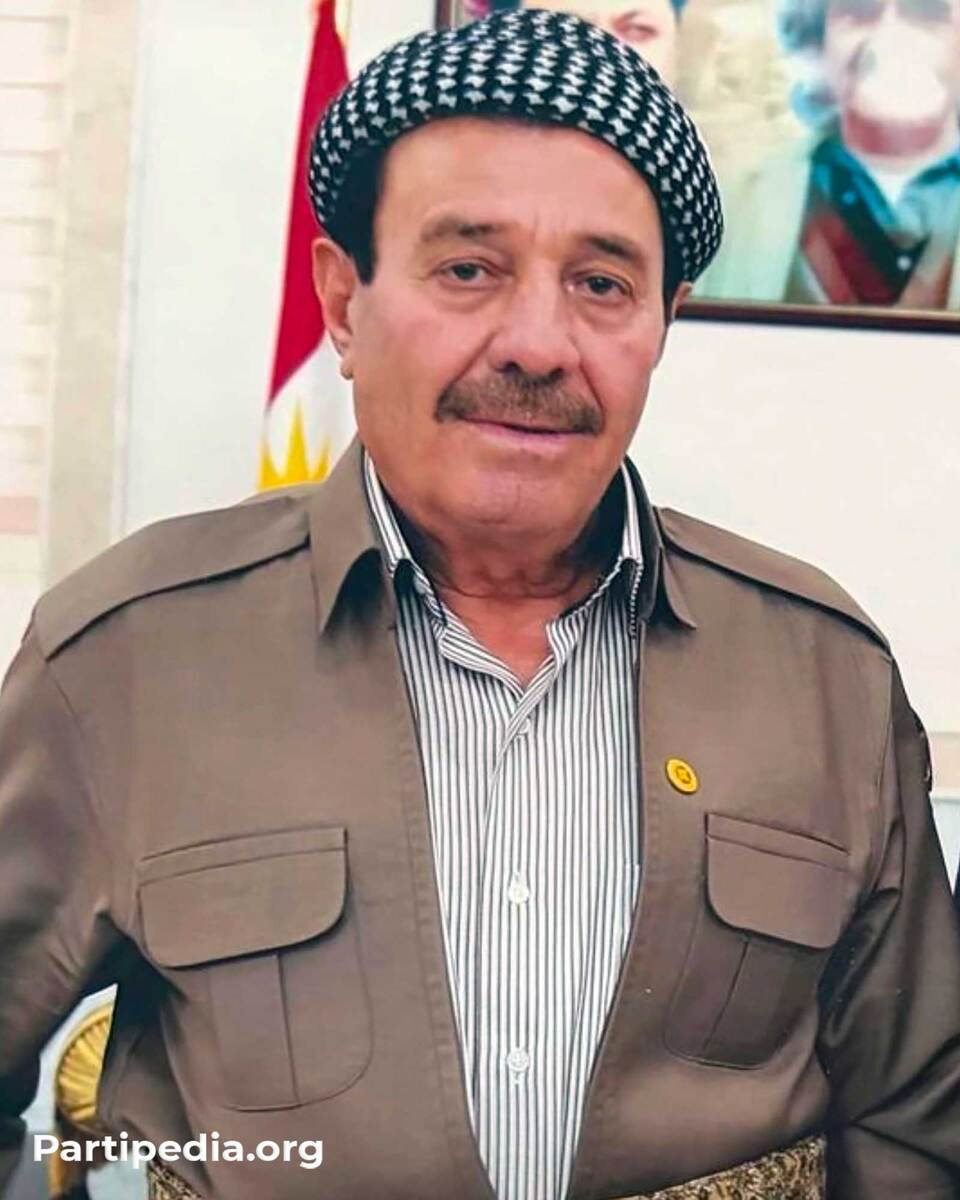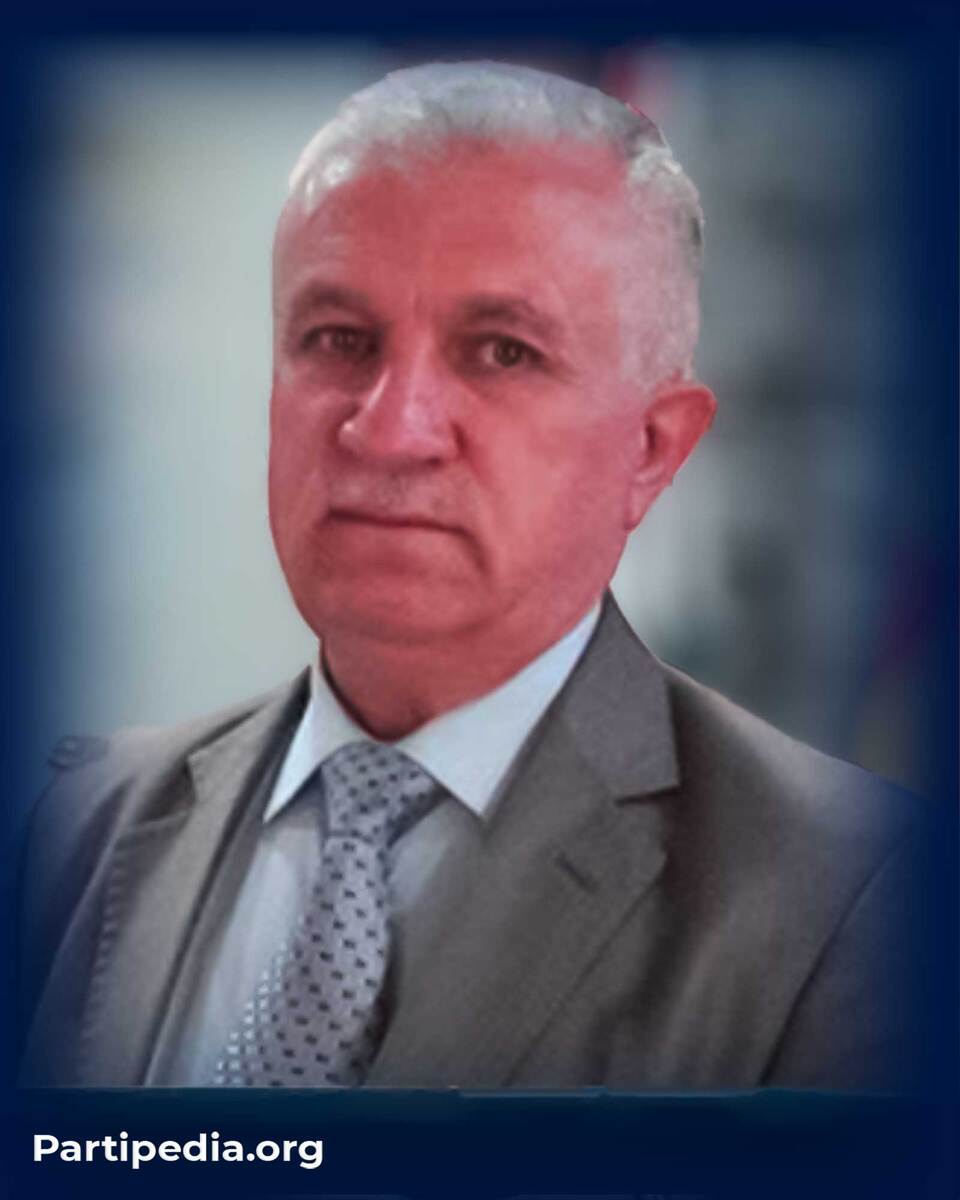


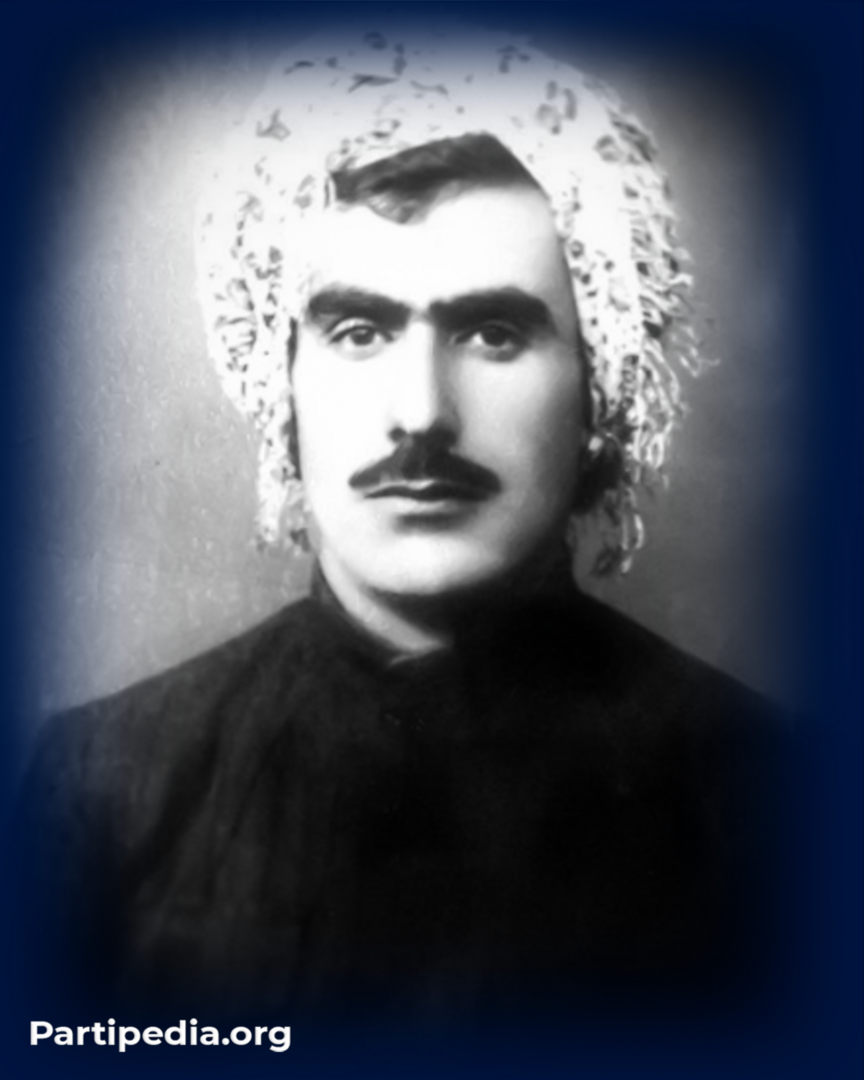
In the early years of his life, he learned to read and write with his father and later in the rooms with several religious teachers. Hazhar's father was an educated person who knew how to read and write in Kurdish, which encouraged him to introduce his son to reading and writing at the age of five and then send him to school. He began writing poetry in 1940 and was influenced by the poems of Ahmadi Khani, Wafaee and Mullah Jaziri. He was a Kurdish poet and translator.
In 1942, he joined the ranks of the Kurdistan Revival Society (PKK) and became a member of the party. He participated in party activities and had a strong belief in the goals of the PKK, because he never officially became a member of any political party or organization. Hazhar met Hemn Shair in the Kurdistan Republic and played an active role. In 1944, he represented the Kurdistan Revival Association (ZK) in the meeting of the three borders with the Hope Party of South Kurdistan in Dalampar region.
After the collapse of the Kurdistan Republic in 1947, he moved to South Kurdistan and stayed secretly in the house of Sheikh Latif Sheikh Mahmoud in Sitaki village of Sulaimani province. Then he went to Baghdad. He stayed in Baghdad for a while and then moved with Abdulrahman Zabihi to the village of Tarpa Spi in Qamishlo, West Kurdistan, where he settled in the house of Sheikh Hussein Hajo. He went to Syria several times and met many Kurdish writers, poets and politicians such as Jalal Talabani, Osman Sabri, Nuruddin Zaza, Rawshan Badrkhan and the Badrkhan family. In 1953, he participated in the World Youth Festival in Bucharest, Romania. He remained in West Kurdistan until 1958 and was engaged in literary work and Kurdish struggle.
After the July 14, 1958 revolution led by Abdul Karim Qasim and the return of Mala Mustafa Barzani from the Soviet Union to Baghdad, he returned and rejoined the mullah Mustafa Barzani He was happy to see Barzani again, with the mullah Mustafa BarzaniHazhar was a trusted and special person, so when he returned from the Soviet Union, he gave him a wristwatch that he kept for the rest of his life.
1961 after its inception The September Revolution led by the mullah Mustafa BarzaniAfter the March 11, 1970 agreement between the Kurdish revolutionary leadership and the Iraqi government, Hazhar Mukriani was sent to Baghdad to organize the affairs of the Kurdish Writers Union, which was newly established on February 10, 1970 In 1972, he translated the book Sharafname of Sharaf Khani Badlisi from Persian into Kurdish and it was published in the printing house of the Kurdish Information Society.
In 1975, after the collapse of the September Revolution, his house was looted in Baghdad. Although he was sentenced to death by the Iranian government, he returned to Mahabad With the coming to power of the Shah of Iran and Khomeini, Hazhar Mukriani devoted all his time to the establishment of a Kurdish dictionary, translation and research in Kurdish literature.
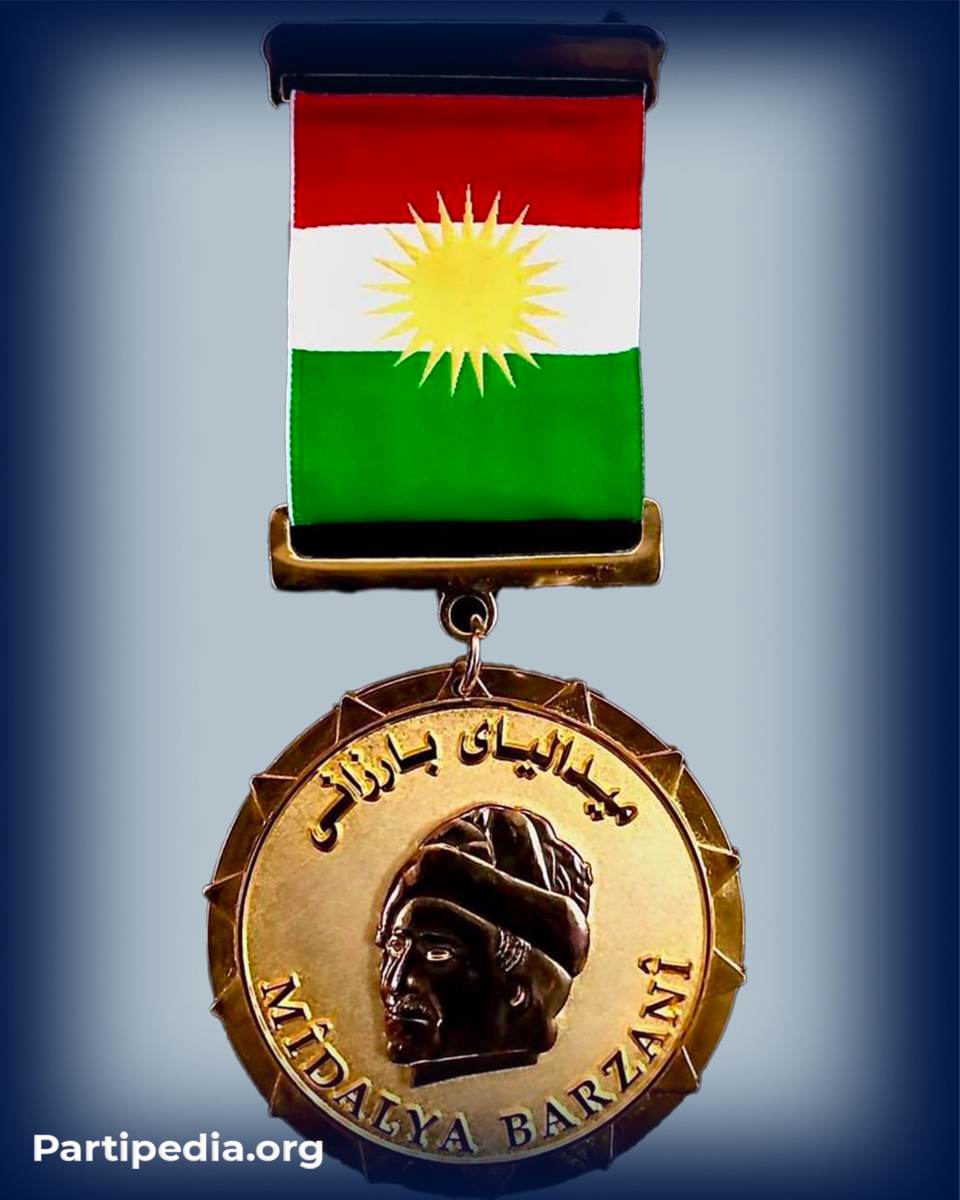
In 1976, the The May Revolution Hazhar Mukriani was one of the fighters who encouraged Kurdish refugees in South Kurdistan to support the revolution. Hazhar Mukriani in the first place of Kurdish fighters with Mamoste Ali Abdullah Secretary of the Kurdistan Democratic Party (KDP), on December 2, 10th Congress of the Kurdistan Democratic Party by the President Massoud Barzani He was awarded the Barzani Medal.
The poor have suffered much bitterness and displacement in their lives. He died on February 21, 1991 and his body was brought to Mukriyan and buried in Bagh-e Firdawsi cemetery in Mahabad.
in his works:
Kurdish:
1. 4. The verse on the head of the sheep is a long story poem; Based on a short story by Turkish writer Sabahaddin Ali.
2. Majeur's dish is his own memoirs.
3. Ala Kok is a book of poetry during the republic.
4. The verse on the head of the sheep is a long story poem; It is based on a short story by Turkish writer Sabahaddin Ali.
5. He translated Mam o Zeyn from Kurdish into Sorani.
6. Bo Kurdistan, Diwani Hazhar,
7. Dictionary of Hanbana Borina (Kurdish to Kurdish and Persian), Tehran,
Persian:
1. Tarix Sulaimani (History of Sulaimani).
2. روابط فرهنگ ایران و مصر (Cultural Relations between Iran and Egypt).
3. قانون در طب, Avicenna's writings from Arabic to Persian.
4. آثارالبلاد و اخبار العباد Zakaria Qazvini from Arabic to Persian.
Translation to Kurdish:
1. Sharafname Sharaf Khani Badlisi, translated from Persian into Kurdish.
2. Khayyam's Quatrains. Translated from Persian into Kurdish.
3. History of Ardalan, Garduko and translation from several Persian sources into Kurdish.
4. He has translated a booklet of poetry written by Ali Shariati from Persian into Kurdish.
5. Daya, Bawa, Ke Kharawe?, a booklet translated into Kurdish by Ali Shariati.
6. Irfan, Barabari, Azadi, a booklet translated into Kurdish by Dr. Ali Shariati.
7. Quran in Kurdish.
8. Translated from Arabic into Kurdish by Dr. Mustafa Jawad.
Selling:
1. Diwani Sheikh Ahmadi Jaziri (Mullah Jaziri), Text, Meaning and Interpretation.
2. Sharhi Diwani Mala Jaziri.
reference:
1. Archive of the Kurdistan Democratic Party Encyclopedia Board.