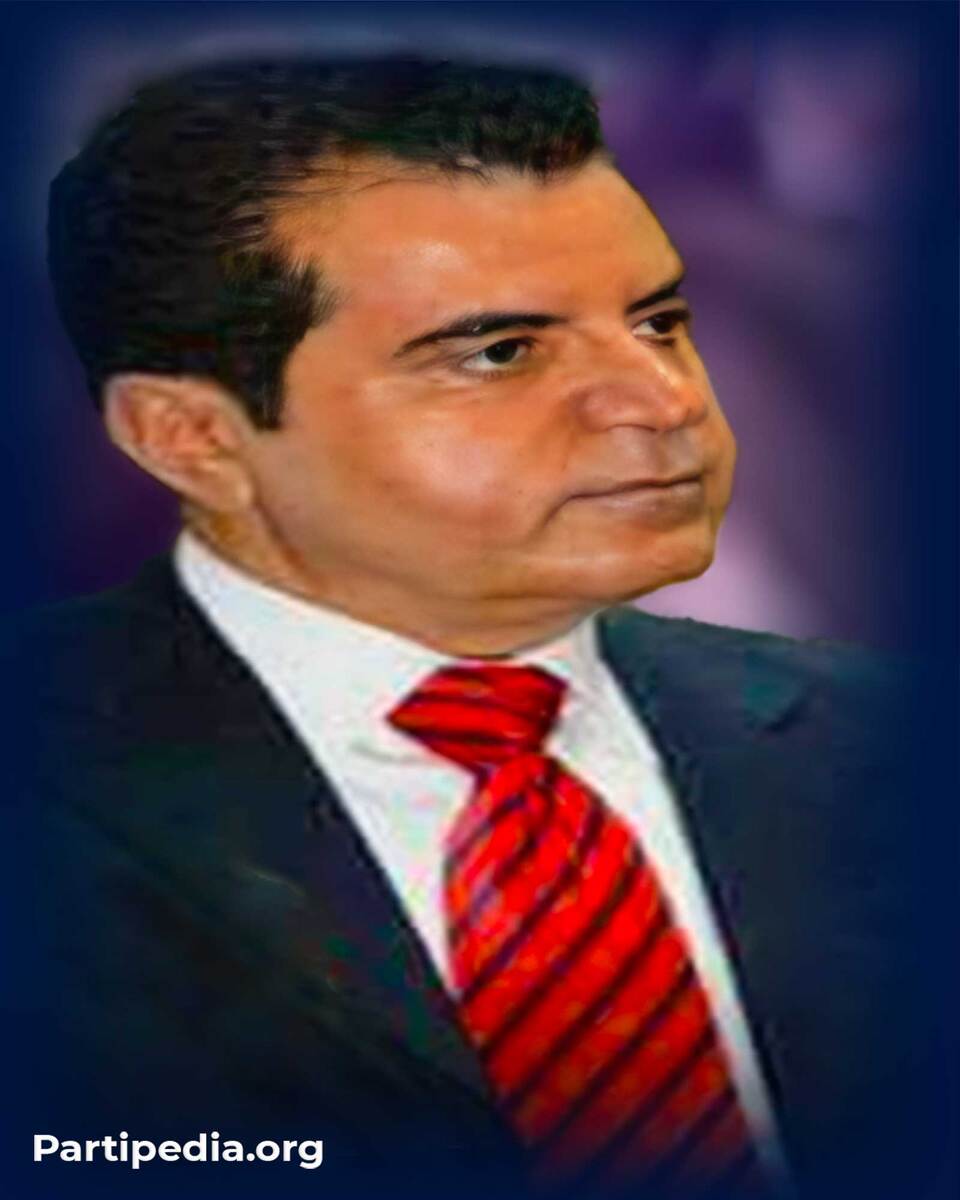


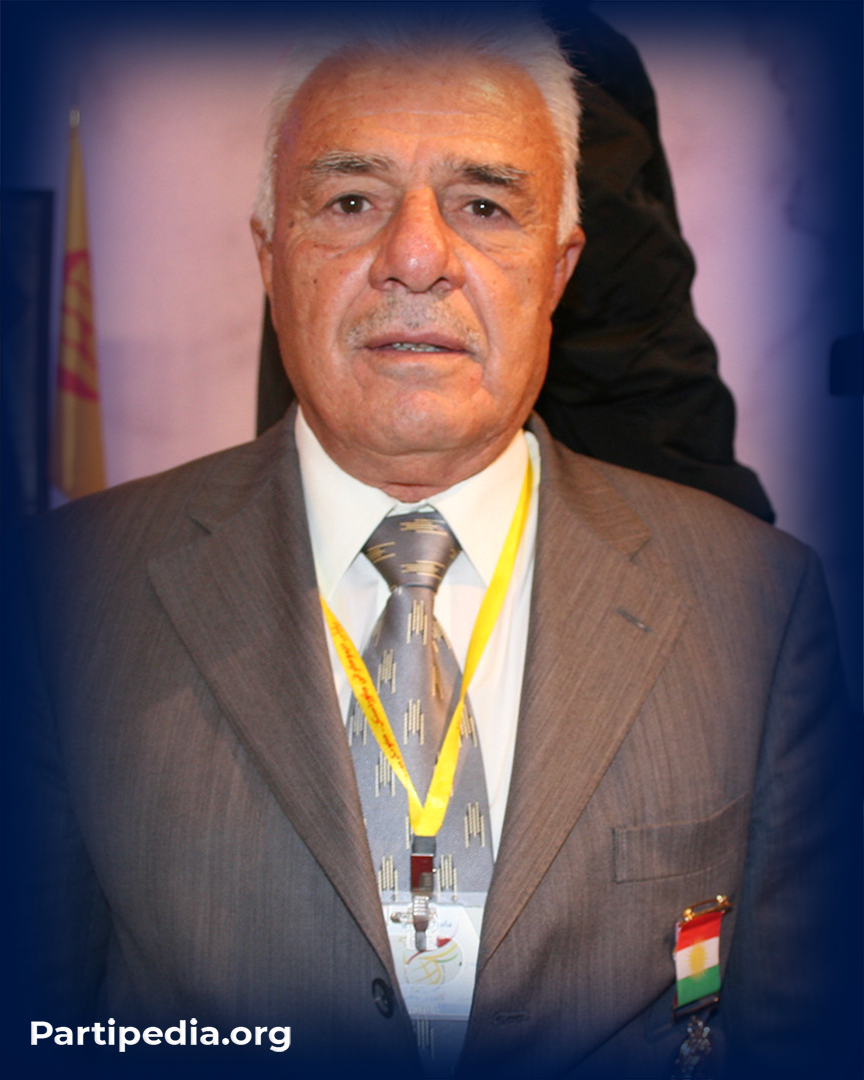
Abdulmuhaiman Sheikh Sulaiman Sheikh Abdulsalam Sheikh Mohammed, also known as Abdulmuhaiman Barzani, joined the ranks of the Kurdistan Democratic Party (KDP) in 1962. In 1973, he graduated from the third round of the Kurdistan Democratic Party (KDP) cadre training school 1975 After Nskoy The September Revolution He was displaced to Iran in The Tenth Congress He was a member of the Central Committee of the Kurdistan Democratic Party (KDP). From September 2, 1992 to August 3, 1994, he was the governor of Erbil in the first cabinet of the Kurdistan Regional Government in Twelfth Congress In 2001, he became the minister of the Kurdistan Region in the fourth cabinet. In 2002, he became the acting minister of municipalities Thirteenth Congress He was elected as a member of the leadership council of the Kurdistan Democratic Party (KDP). The September Revolution, The May Revolution, South Kurdistan Uprising and the Sovereignty Stage by the President Massoud BarzaniHe was the first member of the Barzani family to be awarded the Immortal Barzani Medal.
Biography
Abdulmuhaiman Barzani was born on July 15, 1945 in Erbil, the son of Sheikh Sulaiman Sheikh, a follower of Maulana Khalid Naqshbandi (1779-1827). Abdulsalam II was a member of the South-East Kurdistan Leadership (Baku Conference) in 1945 after the collapse of the Second Barzani Revolution (1943-1945). Abdulmuhaimen Barzani was a child who fled to East Kurdistan with his family. In 1947, after the collapse of the Kurdistan Democratic Republic, he returned to Karbala in central Iraq with his family Basra in southern Iraq and then exiled to Baghdad. He graduated from the third grade of secondary school in 1958 in Baghdad among the president's welcomers Mustafa Barzani He was returning home from the Soviet Union.
Khabatname
Abdulmuhaimen Barzani joined the Kurdistan Workers Party (PKK) in 1962 and the Peshmerga forces in The September Revolution In 1973, he graduated from the third course of the Kurdistan Democratic Party (KDP) cadre training school in Balakaity region of Erbil province. In 1973, he was the commander of the battle of Mount Pirs in Erbil province against him In 1974, he commanded the battle of Spilk in Erbil province. In 1974, he was in charge of the Kurdistan Democratic Party's relations with the Iranian authorities in order to obtain permission to cross the border The September Revolution In 1975-1976, he was a member of the Committee for Recording Statistics and Assistance to South Kurdistan Refugees in Iran in Karaj. In 1976, he supervised the postal affairs, sending armed forces, cadres and money to the interim leadership of the Kurdistan Democratic Party In 1979, he became a representative Ninth CongressIn 1983, Abdulbari Abdulsalam and his brother Misbah Abdulsalam went missing during the Barzani Anfal process.
On July 16, 1985, he was appointed a member of the Relations Department of the Kurdistan Democratic Party (KDP). On November 14, 1985, he was appointed a member of the Military Department of the Kurdistan Democratic Party (KDP). In early February 1988, he was in charge of the Kurdistan Democratic Party (KDP) Peshmerga salary distribution committee Kurdistan Democratic Party He participated in the planning of the liberation of Sharazoor from the Iraqi army. On September 24, 1988, he was appointed by the Political Bureau as head of the committee for recruitment and supervision of refugees The Tenth Congress He was appointed head of the Iranian Relations Committee of the Kurdistan Democratic Party (KDP) on December 13, 1990. In 1991, he was the commander of the liberation of Haji Omeran to Soran during the Kurdistan Uprising He was in charge of coordination of the Kurdistan Democratic Party (KDP) in Erbil.
From September 2, 1992 to August 3, 1994, he was the governor of Erbil in the first cabinet of the Kurdistan Regional Government Eleventh CongressOn Tuesday, October 5, 1993, he was appointed head of the committee to bring back the body of the president Mustafa Barzani (1903-1979) W.S Idris Barzani (1944-1987) From the Islamic Republic of Iran to his hometown of Barzan village. In late March 1994, he resigned from the post of governor of Erbil in protest against the unrest in Erbil and the obstruction by some political parties In 1994, he was in charge of the administration of the Kurdistan Army Command (Falak) and a member of the command (Falak). In mid-October 1994, he accompanied the president Massoud Barzani He visited Tehran in 1999 at the invitation of Iranian President Ali Akbar Hashemi Rafsanjani Twelfth Congress He became a reserve member of the Central Committee of the Kurdistan Democratic Party (KDP). On August 15, 2001, he became the minister of the Kurdistan Region in the fourth cabinet. In 2002, he became the acting minister of municipalities Bilateral Relations He visited Beijing on Sunday, December 9, 2005, at the invitation of the Communist Party of China as a representative of the president Massoud Barzani On October 17, 2005, he attended the official ceremony of welcoming the bodies of 500 Barzani Anfal victims in Erbil on Thursday On December 16, 2010, he was elected as a member of the leadership council of the Kurdistan Democratic Party (KDP) with 592 votes at the Fourteenth Congress He was elected a member of the Central Committee and a member of the Political Bureau of the Kurdistan Democratic Party (KDP) at the first meeting of the Leadership Committee. . . . In 2010, he was awarded the The September Revolution, The May RevolutionHe was awarded the Immortal Barzani Medal by President Massoud Barzani as the first member of the Barzani family. He is fluent in Kurdish, Arabic, Turkish and Persian.
Source :
- Archive of the Kurdistan Democratic Party Encyclopedia.