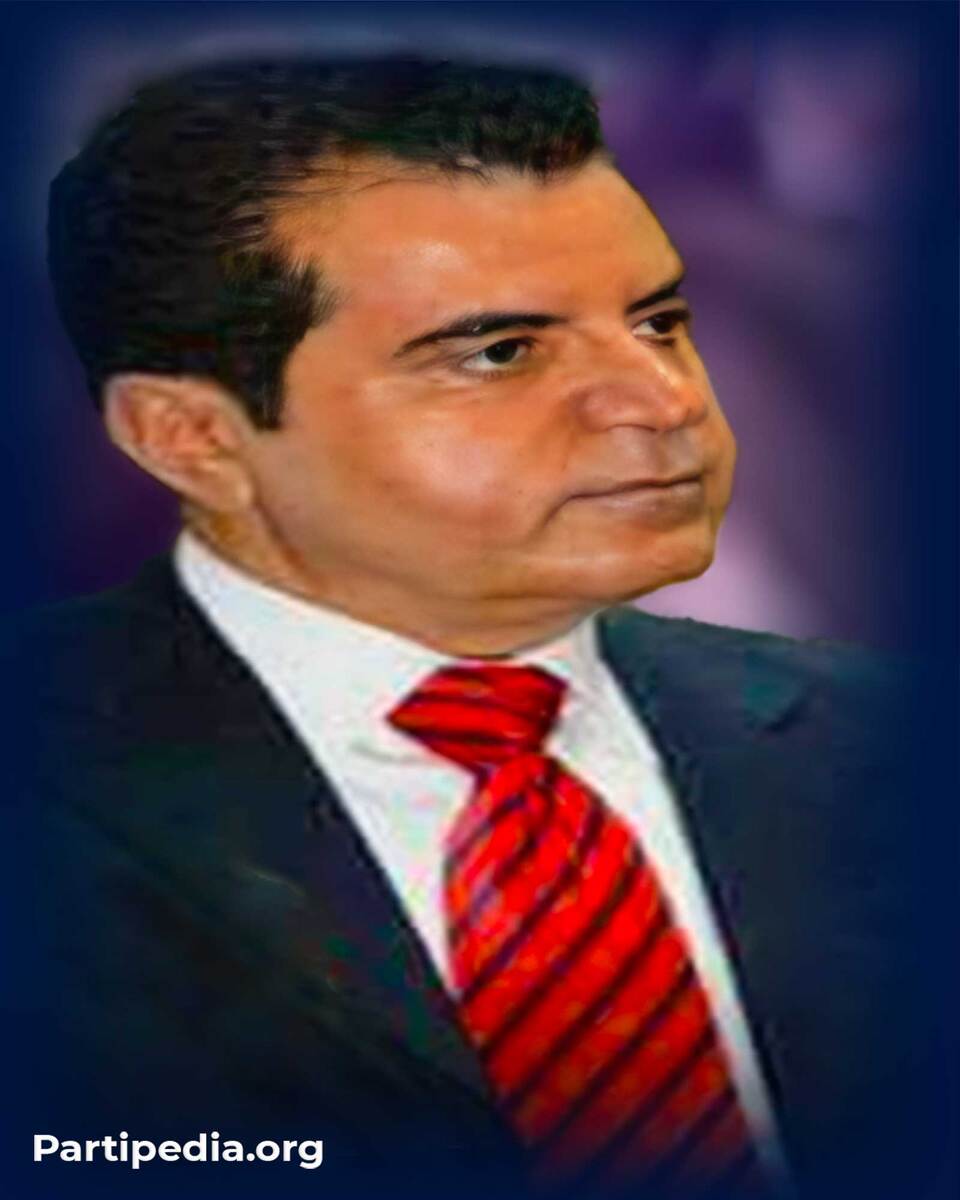



Shawkat Ahmad Aziz Ahmad, also known as Engineer Shawkat Akreyi, is an engineer and politician. In 1963 he worked in the engineering department of Voice of Kurdistan Radio Representatives of Seventh Congress He was elected as a member of the Central Committee of the Kurdistan Democratic Party (KDP).
Biography.
Shawkat Ahmad Aziz Ahmad was born in 1927 in Akre. He received a bachelor's degree in industrial engineering from the University of Leeds in 1956. In 1957 he was employed in Sulaimani In early 1961, he was a member of the delegation of the Iraqi Union of Engineers to visit the People's Republic of China and the Soviet Union He was poisoned with salium by the Iraqi government's intelligence and security agencies and died under the effects of the poisoning and was buried in Akre town. He was fluent in Kurdish, Arabic and English.
Khabatname
In 1940 he joined the Kurdish Hope Party. In 1945 he joined the Kurdish Liberation Party. In 1945 he lived in Baghdad, the hiding place of Mirhaj Ahmad Tahir (1911-1988), also known as Akreyi He was arrested in 1945 for supporting the Second Barzan Revolution and sentenced to one year in Baghdad Central Prison Shawkat Ahmed Aziz Ahmed joined the ranks in Kurdish Democratic PartyIn December 1949, he was a member of the founding committee of the Kurdish Students Association in Europe in Lausanne, Switzerland Fourth Congress of the Democratic Party Kurdistan - Representative of Iraq in Baghdad in 5th Congress of the Kurdistan Democratic Party In 1961, he secretly published the newspaper Khabati, the organ of the Kurdistan Democratic Party (KDP), with the help of lawyer Jarjis Fathullah (1920-2006). He was arrested in 1963 and was aware of the February 8, 1963 coup against Brigadier General Abdul Karim Qasim (1914-1963).
In 1963 he joined the ranks of the Peshmerga forces. In 1963 he worked in the engineering department of the Voice of Kurdistan Radio. In 1963 he participated in the Koya Congress In 1963, he represented the Kurdistan Democratic Party (KDP) in Cairo, Egypt. In 1963, he was a member of the Iraqi National Assembly in Cairo In 1963, during the regime of Abdul Karim Qassim, he met Mohammad Reza Shah Pahlavi of Iran.RouLeau) spoke about the Kurdish cause and the Western world in the French newspaper Le Monde Sixth Congress of the Kurdistan Democratic Party In 1964-1966, he was the second head of the Voice of Kurdistan station. In 1965, he helped Dana Adams Schmidt write the book A Journey through the Brave Men.
In mid-1965, he was expelled from Cairo by Egyptian authorities at the request of the Iraqi government. In 1965, he sought refuge in the Kingdom of Jordan, assisted by Prime Minister Wasfi al-Tal (1919-1971). He was allowed to enter the Kingdom of Iran legally on a Jordanian passport, from where he went to the liberated areas The September RevolutionIn 1966, he was appointed by the Central Committee as a member of the Preparatory Committee Seventh Congress of the Kurdistan Democratic Party In 1966, he was appointed as a member of the Central Committee of the Kurdistan Democratic Party (KDP). Seventh Congress In 1966, he was elected as the head of the committee of the third branch of the Kurdistan Democratic Party (KDP). Arabic Language (التآخي) On Saturday, April 29, 1967, he was a member of the editorial board of the first issue of the Arabic-language newspaper (Al-Takhi). In mid-1967, he opened his engineering office in Baghdad He was the Director General of the Ministry of Municipalities of the Iraqi Government. In 1968, he was a member of the negotiating delegation of the Kurdistan Democratic Party to the Iraqi Government.
In 1968-1971, he was the Director General of Rural Electricity and Small Projects in the Ministry of Municipalities of the Iraqi Government 8th Congress of the Kurdistan Democratic Party He was born in Nawprdani village of Erbil province. He retired on December 8, 1974 by order of the Ba'ath Revolutionary Leadership Council as Deputy Director General of Water and Electricity Projects in the Ministry of Municipalities He joined the Kurdistan Socialist Movement in 1975 after the collapse of the September Revolution, but returned to the Iraqi government in 1976. In 1977, he became an advisor to the Iraqi Minister of Industry and Minerals He was the director general of the Samawa cement factory (in order to keep him away from Kurdish gatherings in Baghdad). On November 10, 1980, he was arrested by the Iraqi government's intelligence and security agency Salium was poisoned and died under the influence of the poison and was buried in Akre town. He was fluent in Kurdish, Arabic and English.
Source :
1. Archive of the Encyclopedia of the Kurdistan Democratic Party.