

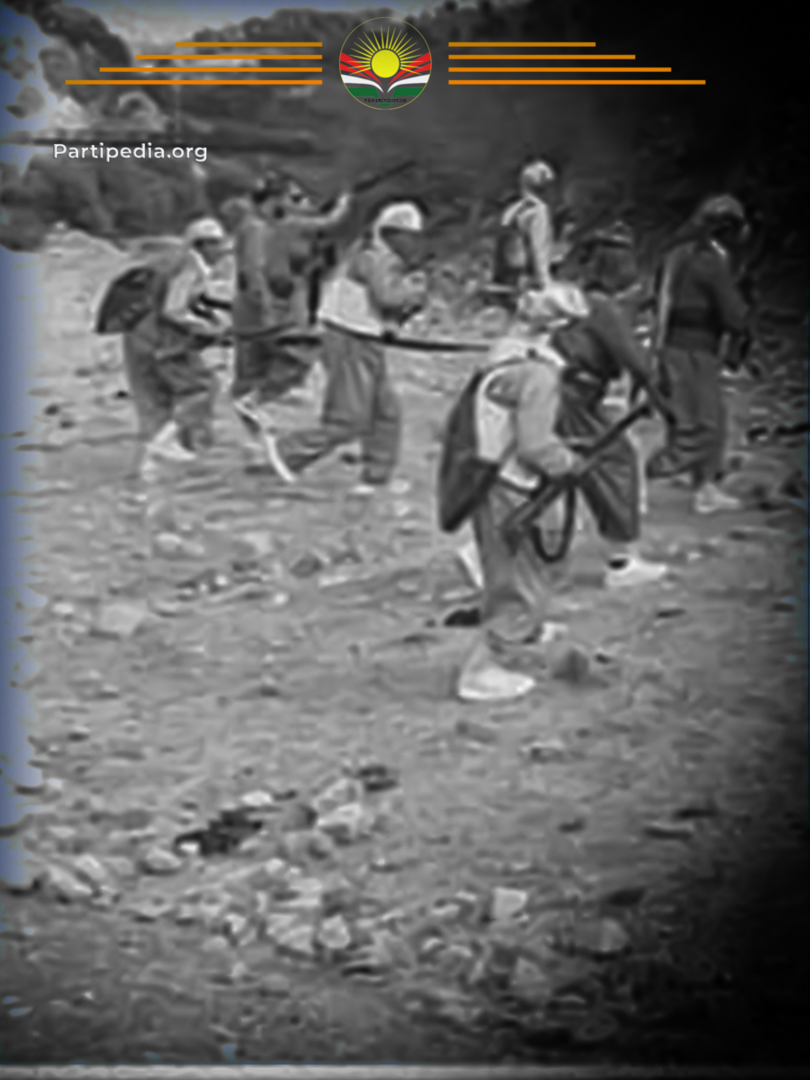
After the coup of July 17 and 30, 1968, and the return of the Baathists to power, a situation of neither war nor peace prevailed for a while with the government forces in Kurdistan. However, clashes continued with the militants of the old Political Bureau, and there were sporadic minor battles between the army and the revolutionary forces. But on November 10, 1968, the Baathist regime, in coordination with the militants of the old Political Bureau wing, attacked all the areas under the control of the revolution. It made great progress in these attacks until December 1969, and seized many cities and towns.
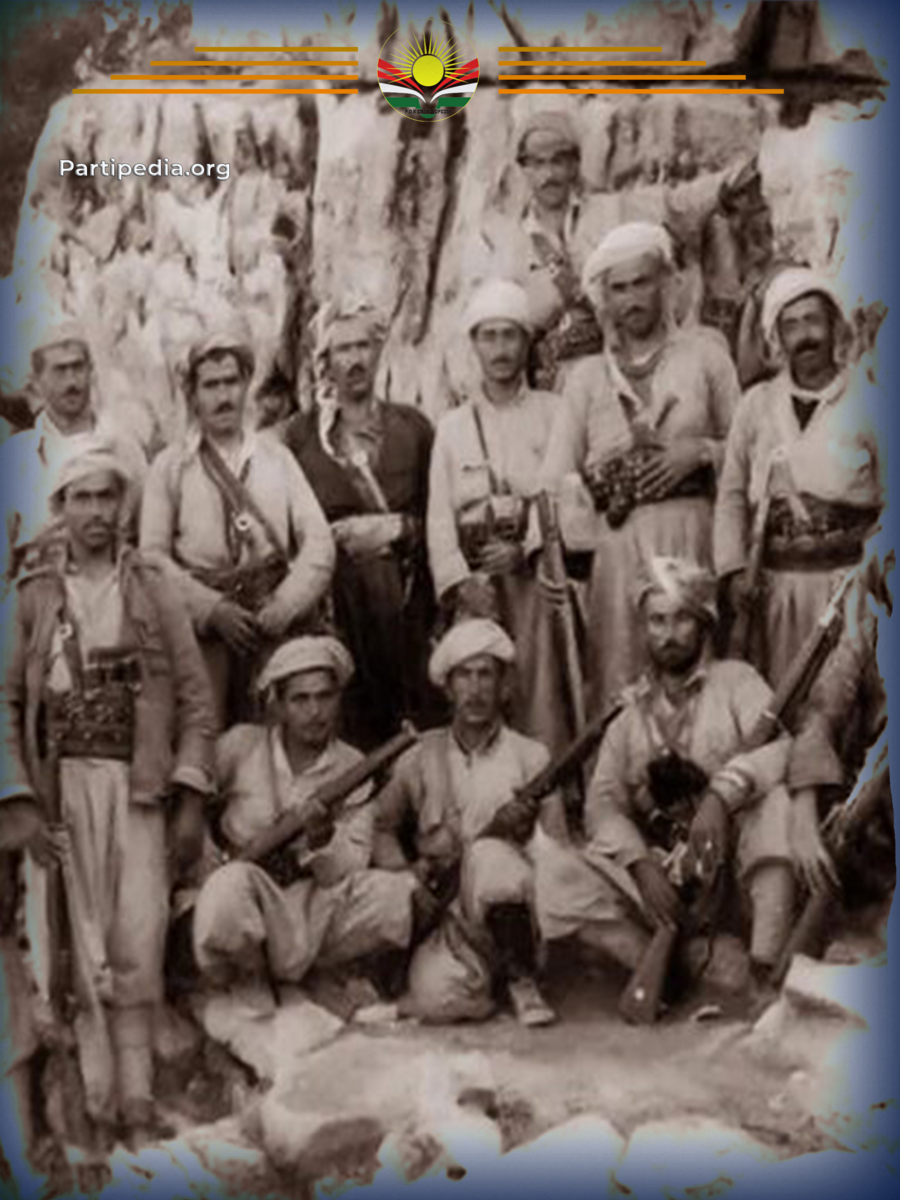
The Qardagh region was one of the areas attacked by these forces, and as a result of the intervention and betrayal of two battalion commanders, Jafar Barzanji and Kamil Mulla Wais, who handed over their areas to the mercenary militants. Here we refer to one of the battles on a mountain peak called Helaj and Daban al-Kabir, which was controlled by the government forces and mercenaries. The Peshmerga of Kurdistan was very interested in controlling it. It is worth mentioning that the Peshmerga attack and the capture of the peak of this mountain was under the direct supervision of Idris Barzani. This was at a time when the government forces and the group of the old political bureau were able to control a large area from Garmian to Mount Helaj and Daban in Qardagh. It is clear that, given the importance of the region, the leadership of the revolution decided on the necessity of liberating these areas and returning them to the control of the revolution.
After several meetings between military leaders in the region regarding how to attack these locations, and after the leader of the revolution was informed Mustafa Barzani In light of the situation, Barzani assigned Idris Barzani to personally oversee the fighting. After gathering his forces and developing a comprehensive plan to attack the peaks of Helaj and Daban, he decided that the mountain peak should fall under the control of the Peshmerga as soon as possible. After the attack on the mountain peak, it was captured within one hour and 45 minutes and returned to the control of the Peshmerga.
The revolutionary leadership then decided to launch a large-scale attack on Qardagh and other areas to completely expel government forces and mercenaries. To achieve this, the 4th and 9th Regiments were tasked with attacking from Barzinja to the Sharazur Plain and advancing from there to Qardagh. A force from the Erbil Plain and a force from Rizgari attacked from two fronts, along with the 5th Regiment of the Qardagh force. One force advanced towards the Qadir Karam and Sinkawe areas, and the other towards the Bazian and Qardagh areas. During this period, Lieutenant Tahir Ali Wali Bek commanded the 4th Regiment of the Qardagh forces, while Aziz Qazi commanded the 9th Regiment.
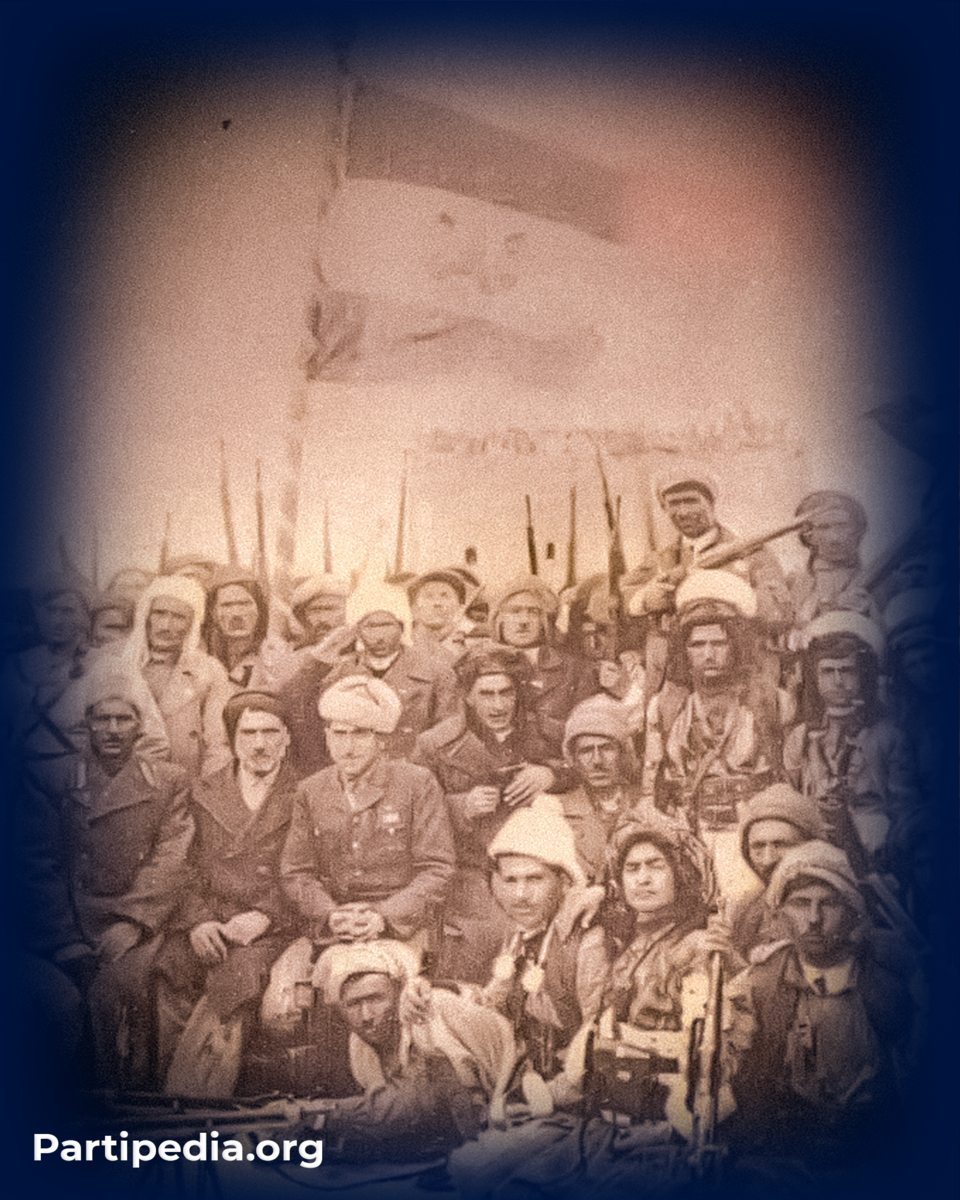
To begin the attack, it was decided that from November 29 to 30, 1969, all forces would attack all the places indicated below at the same time. As planned, the Peshmerga attack began and made great progress. A great victory was recorded, and they were able to liberate all the areas of Qardagh, Bazian, Sangaw, Qadir Karam, Doz Khurmatu, Kifri, Kalar, Bawnur, and Darbandikhan from the government forces and the militants of the old political wing, and they returned to the control of the Peshmerga. After a great defeat for the government forces and the mercenary militants, they suffered heavy losses, and a large quantity of weapons and ammunition was seized. The government forces and the militants completely collapsed, and their morale deteriorated to the point that they could no longer fight the Peshmerga forces.
The leadership of the revolution interpreted this victory for the Peshmerga forces as an important and decisive victory at that moment, and therefore the leader of the revolution, Barzani, thanked all the forces that participated in the war. This was a test by the new Baath regime with the help of the old Political Bureau forces, to see how capable it was of overcoming the Kurdistan revolution and achieving its old dream of the complete collapse of the Kurdish revolution, but its attempt failed and did not achieve its goal.
Sources:
1- Masoud Barzani, Barzani and Bazutniyeh, Ezgari Khwazi Kord, Barghi Seyyim, Bashiyyah, SHORSHEY EYLOOL 1961-1975, (Chapter 2004).
2- Ibrahim Jalal, Bashouri Kurdistan and the people of Kurdistan and the people of Kurdistan 1961-1975, (2021).
3- Karwan Jawhar Muhammad, Idris Barzani 1944-1987, Jian and Sarbazy’s political leader, the Ezgari Khwazi Kurdada, (Chanafian Hevi - Holler - 2019).
4- Khishoy Ali Kani Linji, Persian Aziz Qazi Hamid Sourchi, (Channel Danishfar - Hewler - 2023).
5- Hawkar Karim Hama Sharif, SHORSHEY EYLOOL, “Chapter 2012.”
6- Aari Karim, the name of God, the love of God, (Chapkhany Khabat - Dehchek - 1999).