

the biography
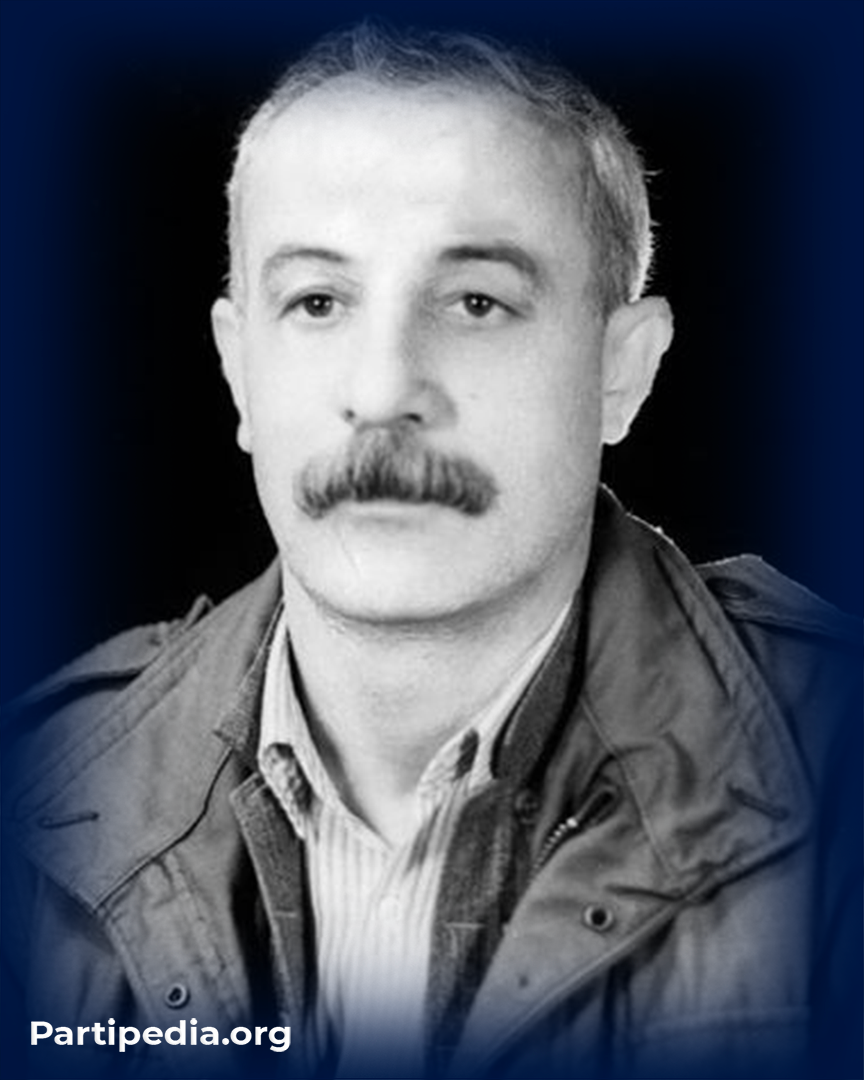
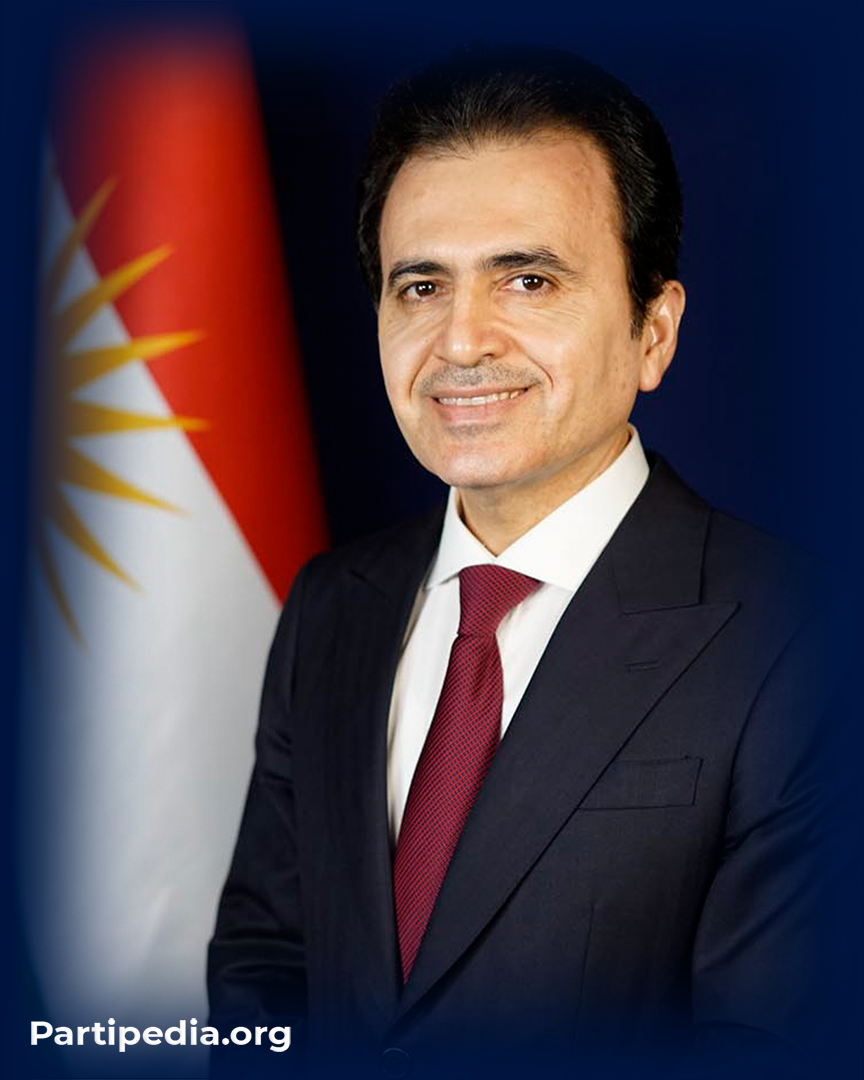
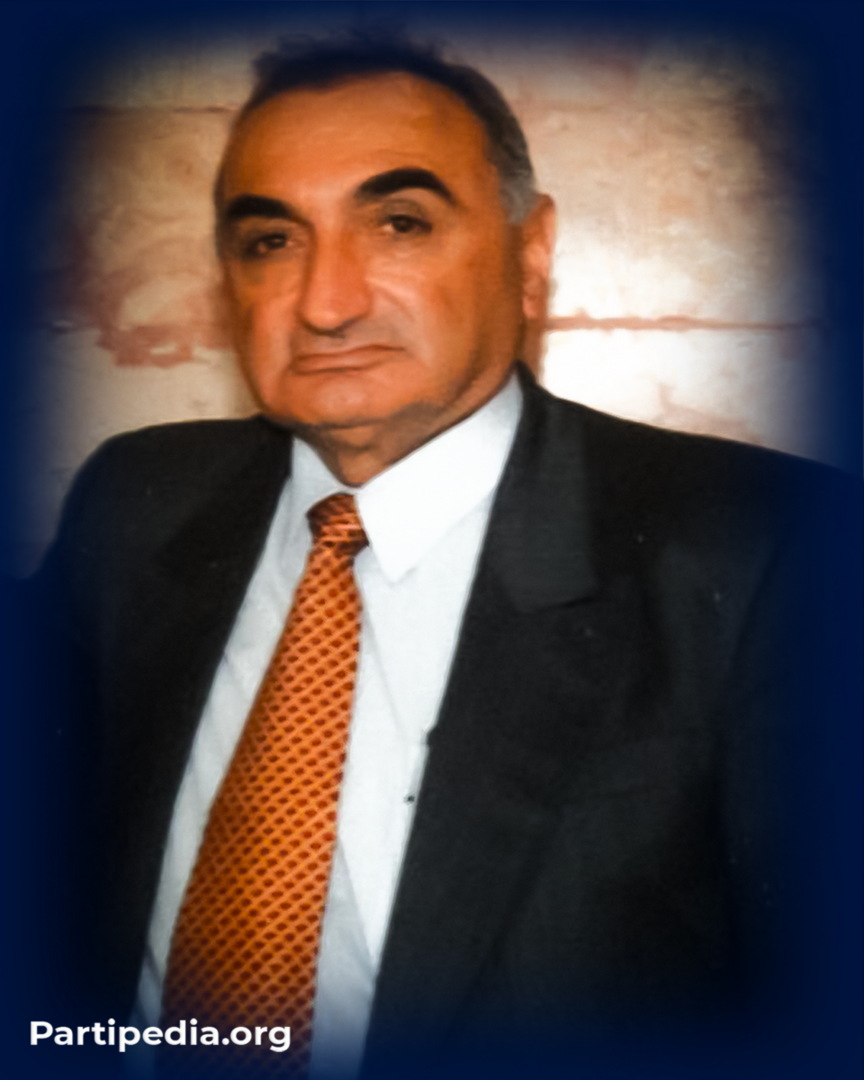
Franso Toma Kanoun Hariri was born in 1937 in the Harir district of Shaqlawa, Erbil Governorate, to an Assyrian Orthodox Christian family. He completed his primary education in Harir and his secondary education in Shaqlawa. In 1960, he graduated from the Teachers' Training College in Erbil. He was married and had four sons and one daughter. In 1960-1961, he was appointed as a physical education teacher in the Beli and Barzan area. He was a skilled athlete and a sports enthusiast. In 1953-1955, he represented Erbil Governorate in the Baghdad Schools' Jumping Games. In 1953, he attended the reception for King Faisal I of Iraq with students from Erbil Boys' High School. He played for the football team of the Brusk Club (Erbil). On December 7, 1957, he acted in the play "Scheherazade," the proceeds of which were donated to the victims of the Sulaimaniyah floods. On October 7, 1958, Hariri visited General Mustafa Barzani (1903-1979) was in Baghdad upon his return from the Soviet Union. He played for the Brusk team in 1959. On June 5, 1959, he participated in the election of the Committee for the Defense of the Iraqi Republic in Erbil and as a representative of the General Union of Iraqi Students affiliated with the Iraqi Communist Party in the election of the new administrative body.
He sought refuge in Iran in 1975 after the setback September Revolution He settled in Urmia province, then went to Karaj as a refugee. He returned to southern Kurdistan in 1991 after the uprising of the masses of Kurdistan. He assumed many positions and tasks and played a distinguished role in the development of the city of Erbil.
pages of struggle
First political action station forFrançois HaririHe was a member of the Iraqi Communist Party and head of the party's local committee in Rawanduz. In 1961, he served as head of the Erbil branch of the General Union of Iraqi Students, affiliated with the Iraqi Communist Party. However, due to his great admiration for the immortal Barzani, he became involved with the Kurdistan Democratic Party in 1963, and at the same time joined the ranks of the Peshmerga forces. September RevolutionIn 1963, he was responsible for Peshmerga and social affairs in the Balkayti area of Erbil Governorate. In 1964, he was appointed head of security for the Kalala district of Erbil. In 1965, he served as deputy commander of the Balak forces of the Second Army. He was responsible for supporting the Peshmerga forces during the Battle of Zozak on the borders of Erbil Governorate. In 1966, he participated in the preparatory work for the Seventh Congress of the Kurdistan Democratic Party (KDP) in the Kalala district, overseen by Ali Qasim, also known as Ali Sinjari. He was a member of the founding committee of the Parastin apparatus in 1967. In 1967, he accompanied leader Mustafa Barzani near the town of Rawanduz to welcome Iraqi Prime Minister Dr. Abdul Rahman al-Bazzaz (1914-1973), who visited Kurdistan to conduct negotiations. In 1968, he worked as a writer and broadcaster in the Assyrian language department of the Voice of Kurdistan radio station. In 1970, he assumed responsibility for the Balak local committee of the KDP's Second Branch Committee. On July 15 In 1970, he participated in the opening ceremony of the Sixth Conference of the Kurdistan Students Union in the village of Nawberdan in Erbil Governorate. In 1970, he officiated a football match between the Political Bureau team and the Kalala students at the Nawberdan stadium. On July 1, 1970, he was appointed by order of the Revolutionary Command Council as the first District Governor of Choman (Erbil). He participated as a guest in the Sixth Conference of the Kurdistan Students Union on July 15, 1970, in the village of Nawberdan. At the beginning of 1971, he served as District Governor of Choman and was selected as a second-degree criminal judge by the Minister of Justice. He became a member of the Seventh Branch Committee of the Kurdistan Democratic Party in 1974.
In March 1975, he visited refugees in the Zewa camp in eastern Kurdistan. The purpose of the visit was to raise their morale and listen to their problems. In April 1975, he was assigned by Comrade Masoud Barzani to prepare for the Gulan Revolution. In mid-1977, he participated in the expanded Karaj meeting under the supervision of Idris Barzani(1944-1987) With the aim of assisting the interim leadership of the Kurdistan Democratic Party and overseeing the refugees of Eastern Kurdistan in the Kingdom of Iran, his house served as a meeting place and shelter for the wounded. In 1977, he dedicated his house in the city of Karaj in the Kingdom of Iran to meetings between those joining the Peshmerga forces of the interim leadership of the Kurdistan Democratic Party or those returning from the liberated areas of Southern Kurdistan for the purpose of contacting them. Idris BarzaniIn 1979, he was elected by the Ninth Congress as a reserve member of the Central Committee of the Kurdistan Democratic Party.
In 1984, he was promoted to member of the Central Committee of the Kurdistan Democratic Party (KDP). That same year, he became a member of the KDP's Audit Committee, specifically within the Third and Fourth Branch Committees. From November 30, 1985, to April 4, 1986, he taught party courses at the eighth session of the KDP Cadre Institute in the village of Razhan, in eastern Kurdistan. In late 1985, he served until the end of 1986 as the first branch committee head within the twentieth body of the KDP's Second Branch Committee. In 1986, he became the editor-in-chief of Sevin magazine, the official publication of the KDP's Second Branch Committee. In 1988, he was a member of the KDP's Political Bureau and was elected to the Executive Bureau of the Kurdistan Front. Also in 1988, he participated in the Battle of Khwakurk, within the Erbil Governorate, against the Iraqi army. On January 13, 1990, he was appointed head of the party's relations department. The Kurdistan Democratic Party, within the Kurdistan Front, participated in the expanded meeting of the Kurdistan Front on March 8-10, 1990.
In 1991, he accompanied President Masoud Barzani during the uprising in southern Kurdistan. Also in 1991, he participated in the liberation of Kirkuk and served as head of the Kurdistan Democratic Party's (KDP) Central Relations Office. From December 16 to February 18, 1992, he lectured on the political situation in Kurdistan and Iraq at the ninth session of the KDP's Cadre Institute in Pirmam, Erbil Governorate. On March 19, he participated in a meeting of the Kurdistan Front to determine the date for the Kurdistan National Assembly elections and to discuss the economic and security situation in southern Kurdistan. In early 1992, he represented the KDP at a Kurdistan Front meeting to establish the High Committee for Supervising the Kurdistan National Assembly Elections. From December 23-28, 1992, he was appointed to the 15-member committee tasked with drafting the Kurdistan National Assembly Law. On June 4, 1992, he was elected to the Kurdistan National Assembly on the KDP list. In 1992, Al-Kurdistani became the head of the Kurdistan Democratic Party bloc in the Kurdistan National Assembly. In 1993, he was chosen by the administrative board of Erbil Sports Club as its honorary president. Also in 1993, he obtained official authorization from the Ministry of Culture in the Kurdistan Regional Government to publish the newspaper Golan. In July 1993, he was appointed head of the reception committee. Eleventh Congress of the Kurdistan Democratic Party In 1993, he was elected for the second time by delegates to the 11th Congress as a member of the Central Committee of the Kurdistan Democratic Party – Unified. In 1994, he delivered lectures on general topics at the advanced accelerated course of the Kurdistan Democratic Party Cadres Institute in the Pirmam district. Also in 1994, he became head of the second branch committee of the Kurdistan Democratic Party – Unified. On July 19, 1994, he survived a shooting by Patriotic Union of Kurdistan forces in Shawis, Erbil Governorate. On August 16, 1996, President Masoud Barzani awarded him the Order of the Immortal Barzani during the party's golden jubilee celebrations in recognition of his distinguished services in the September and Gulan revolutions and the uprising in southern Kurdistan. In 1996, he assumed the position of Minister of the Region in the third cabinet of the Kurdistan Regional Government. He then served as Governor of Erbil from October 1, 1996, to February 18, 2001, during which time he achieved many accomplishments. Among the important achievements is the construction of Erbil International Stadium (Martyr's Stadium). François HaririThe Palace of Art, through its support and efforts, established the Kurdistan Orchestra, along with many other service projects. It also played a distinguished role in developing the sports sector in the Kurdistan Region, supporting and encouraging athletes and youth, helping them obtain their rights. Furthermore, it participated in many projects and activities related to beautifying and modernizing the city of Erbil, and was considered the biggest supporter of educational, health, and sports projects in Erbil.
He served as Minister of the Region on December 18, 1996, as part of the third cabinet. He survived an assassination attempt on February 23, 1997. On July 26, 1997, he participated in the first conference of the Fayli Kurdish Association, held in Erbil under the auspices of President Masoud Barzani. He was the publisher of the magazine "Hawler" in 1998. He was elected to the Central Committee of the Kurdistan Democratic Party by delegates at the party's ninth congress. On Monday, January 24, 2000, he was chosen for the second time as head of the branch committee in the 28th team of the second branch committee in Erbil. On March 14, 2000, he became a member of the committee of the movement commemorating the birth of the immortal leader of the Kurdish nation, Barzani.
Franso Touma Hariri was assassinated on February 18, 2001, while on his way to work on 60th Street in Erbil by the Islamic Unification Movement. Two days after his martyrdom, on February 20, 2001, his body was laid to rest in his birthplace in the Harir district, in the presence of President Masoud Barzani and more than half a million people. He was fluent in Kurdish, Arabic, Syriac, and Persian.
Among his works:
- What's wrong with you or Dahka? - (Chapi Yehkam - 2000, (Chapi Doohim - 2018).
- This is what happened in November 1995, in 1996. Nawanishani (so that history is not written distorted) has a similar education.
Sources:
-
Archive of the Encyclopedia Authority of the Kurdistan Democratic Party.
-
Emada Kurdani Enohar Abdoua, July 29, 1971 Barayehti, Kurdistan Democratic Party, Hakgartu, Building 2934, Huller, Chawarshahmeh, July 29, 1999, no. 2.
-
Regarding the attempted assassination of Mr. Franso Hariri, Khabat Newspaper, the mouthpiece of the Kurdistan Democratic Party, Issue 816, Erbil, Friday, February 28, 1997, p. 2.
-
Kindly, I have a private room in my garden like a new Indian part of the world. Democratic Party of Kurdistan - Yehkgartu, March 1729, HHuller, HH, 27 Abi 1993, no. 1.
-
Shirzad, Chalkani Lijnah Kani Khangarah Partiman, ڕۆنمتی بیریاتیی, Eygrgani Democratic Party of Kurdistan, 1691, Hauller, Doushehmeh, 12 Tahmuz 1993, no. 4.
-
Hamid Ghohari, Barzani’s Medal, Behreztrin Khazilnan, Book of Dooh, Book of Dooh, (Holler Dezghai Kharkhwazi Barzani - 2019g), ll. 32-37.
-
Hishyar Nouri Lahak, Naudarani Kurd Lah Dehkada, (Hawler - Chap Khaneh - Chovarchara - 2010g), no. 24.
-
Kanir Abdouh, Bahishdari politician, governor of Kurdistan, (Soleimani - 2016 AD), LL 74, 81.
-
What's wrong with you, what's wrong with you and what's wrong? 105.
-
Ali Sinjari, The Kurdish Question and the Arab Socialist Baath Party in Iraq, Part Three, (Duhok - Khani Press - 2012 AD), pp. 362, 371.
-
In the pursuit of peace and national unity, in the pursuit of implementing the March Agreement, Section Ten, Al-Taakhi Newspaper, Al-Taakhi Printing and Publishing House, Issue 1190, Baghdad, Al-Tayms Printing Press, Sunday, November 19, 1972, p. 8.